
Lake to river
Newby Bridge
At Windermere's southern foot, a five-arched bridge and riverside inn sit near the surviving rail-to-lake connection at Lakeside.
- Best for
- Walking and transport history
- Give it
- A relaxed half day
- Don't miss
- The steam train meeting the lake cruises
Photo: flipflopnick · CC BY-SA 3.0 · cropped
The Fox verdict
A riverside village with transport history
Follow the River Leven through the village, then look to nearby Lakeside for the historic link between rail and lake.
The namesake bridge and the Swan Inn centre a short riverside visit. Nearby, the heritage railway and Stott Park Bobbin Mill extend the story of Victorian travel and industry.
Where to go
Places in Newby Bridge
Every place below is checked against a published source, listed with what it is and how long to give it.
Local signatures
3 placesRiver Leven to Lakeside walk
The West Windermere Way starts near the River Leven, crosses parkland and follows the heritage railway toward Lakeside Pier.
- Visit length
- Editorial estimate: Allow around 60 minutes
- Locality
- starts near the Swan Hotel
The Swan Inn
The dog-friendly Swan Inn serves classic British food at the riverside Swan Hotel, which also has an outdoor terrace beside the River Leven.
- Visit length
- Editorial estimate: Allow around 90 minutes
- Locality
- on the River Leven
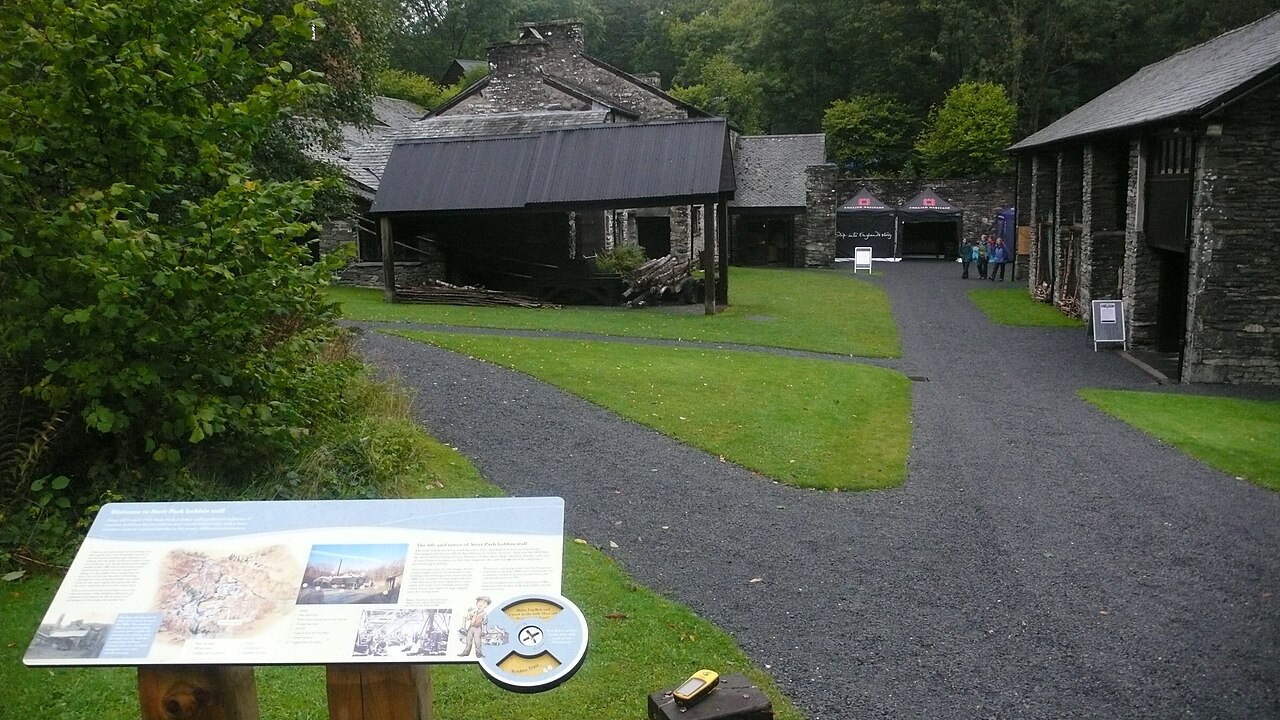
Stott Park Bobbin Mill
Built in 1835, Stott Park made wooden bobbins for the Lancashire textile industry and later adapted its machinery to produce other wooden goods.
- Visit length
- Editorial estimate: Allow around 90 minutes
- Locality
- Finsthwaite
- Access
- Mill tours are offered on select dates.
History & heritage
2 placesLakeside & Haverthwaite Railway
A steam and diesel heritage railway from Haverthwaite to Lakeside pier, connecting with Windermere Lake Cruises.
- Visit length
- Editorial estimate: Allow around 2 hours
- Locality
- Haverthwaite to Lakeside
- Access
- The heritage railway operates seasonally.
Windermere Lake Cruises
Windermere Lake Cruises connects with the Lakeside & Haverthwaite Railway at Lakeside Pier.
- Visit length
- Editorial estimate: Allow around 90 minutes
- Locality
- Lakeside Pier
No places match this filter. Choose All places to reset the list.
Three ways to explore Newby Bridge
Signature outings
Bobbins for Lancashire
See the belt-driven machinery and discover how local timber became bobbins for Lancashire's mills.
Windermere from the water
At Lakeside Pier, Windermere Lake Cruises connects with the Lakeside & Haverthwaite Railway, continuing the area's historic rail-to-lake link.
Steam train to the pier
Travel through the Leven Valley in 1950s-style carriages before arriving at Lakeside.
The village story
Where lake, river and railway meet
The River Leven, a riverside inn and the connection between train and lake boat shape this small village.
Where the lake becomes a river
The five-arched stone bridge crosses the River Leven and gives Newby Bridge its name. The bridge was repaired in the 17th century, though its original construction date is unknown.
The River Leven flows south from Windermere through the village. Near the river, the West Windermere Way crosses parkland and follows the heritage railway toward Lakeside.
The inn and Lakeside's Victorian connection
The Swan Inn sits beside the River Leven and serves classic British dishes in a dog-friendly pub; the hotel also has a riverside terrace, the River Room and a café. The listed building was originally a posting house and dates to the late 18th or early 19th century.
By 1850, four passenger steamers sailed between Waterhead and Newby Bridge. The Furness Railway later extended its line beyond the village to a new terminus at Lakeside, where larger steamers could meet the trains.
Rails back to Lakeside
The Furness Railway opened its branch from Plumpton Junction to Lakeside on 1 June 1869. Freight included coal for lake steamers and iron ore for Backbarrow. Passenger traffic ended on 5 September 1965, but freight continued as far as Haverthwaite and Backbarrow until 2 April 1967. The preserved Haverthwaite-to-Lakeside section reopened on 2 May 1973.
Today's Lakeside & Haverthwaite Railway runs over the surviving 3½-mile stretch from Haverthwaite to Lakeside. Trains travel through the Leven Valley to the pier, where passengers can connect with lake boats.
Walking routes and practical arrivals
Stott Park Bobbin Mill stands about 1.2 miles from Newby Bridge in a straight line; the walking or road journey is longer. Built in 1835, it made wooden bobbins for the Lancashire textile industry. Its machinery later produced other wooden goods, including toggles and tool handles, and the mill remained in use until 1971.
The A590 reaches Newby Bridge from Kendal or Ulverston. Buses also serve the village, and the heritage railway stops at Newby Bridge Halt. From Lakeside Pier, a walking path provides another approach.
The old connection lives on
Windermere Lake Cruises sails from Lakeside Pier across the southern part of the lake to Bowness. The crossing follows the waterborne leg of the old rail-and-steamer journey.
Stay around Lake District
Make a longer stay of it
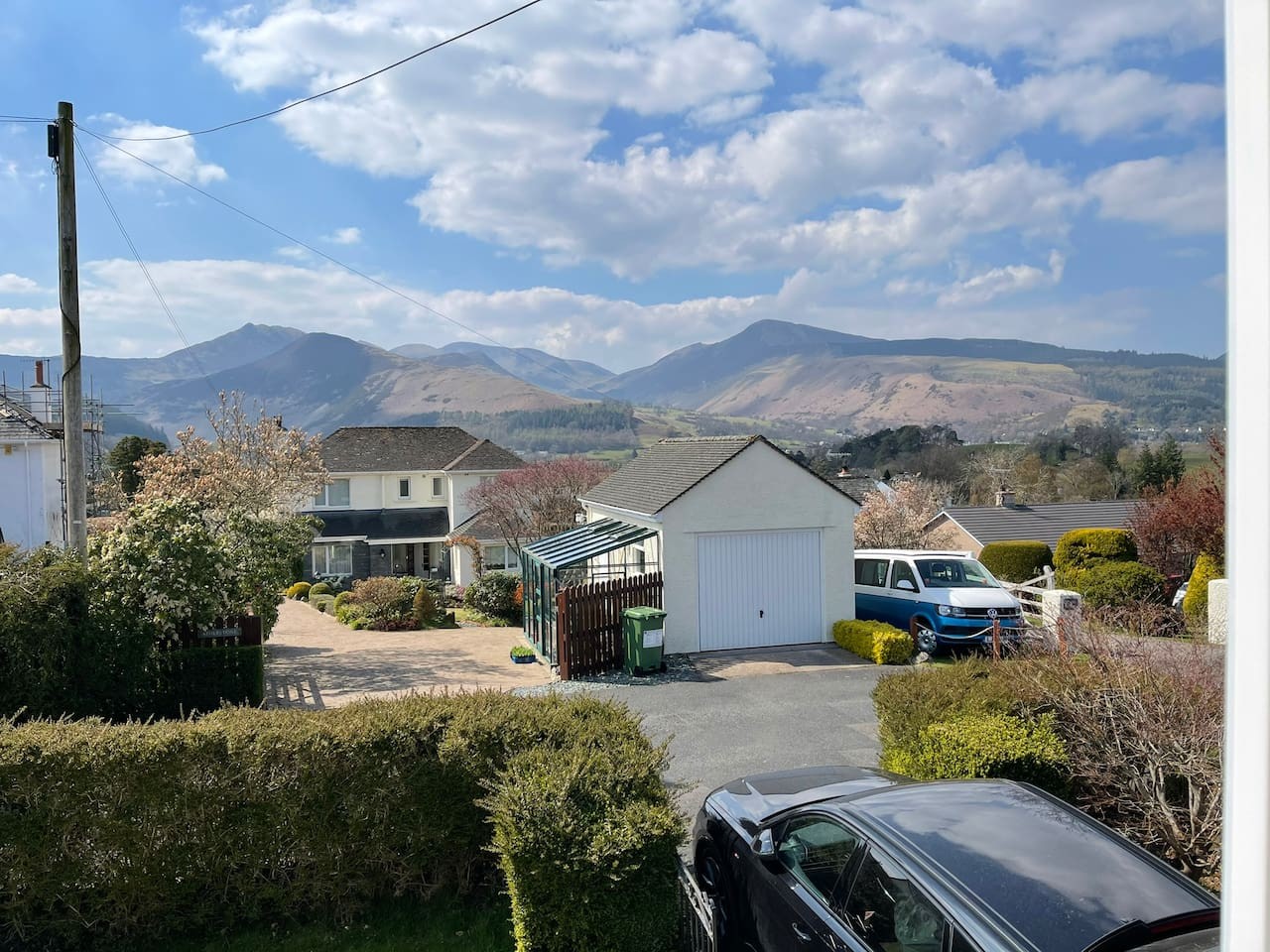
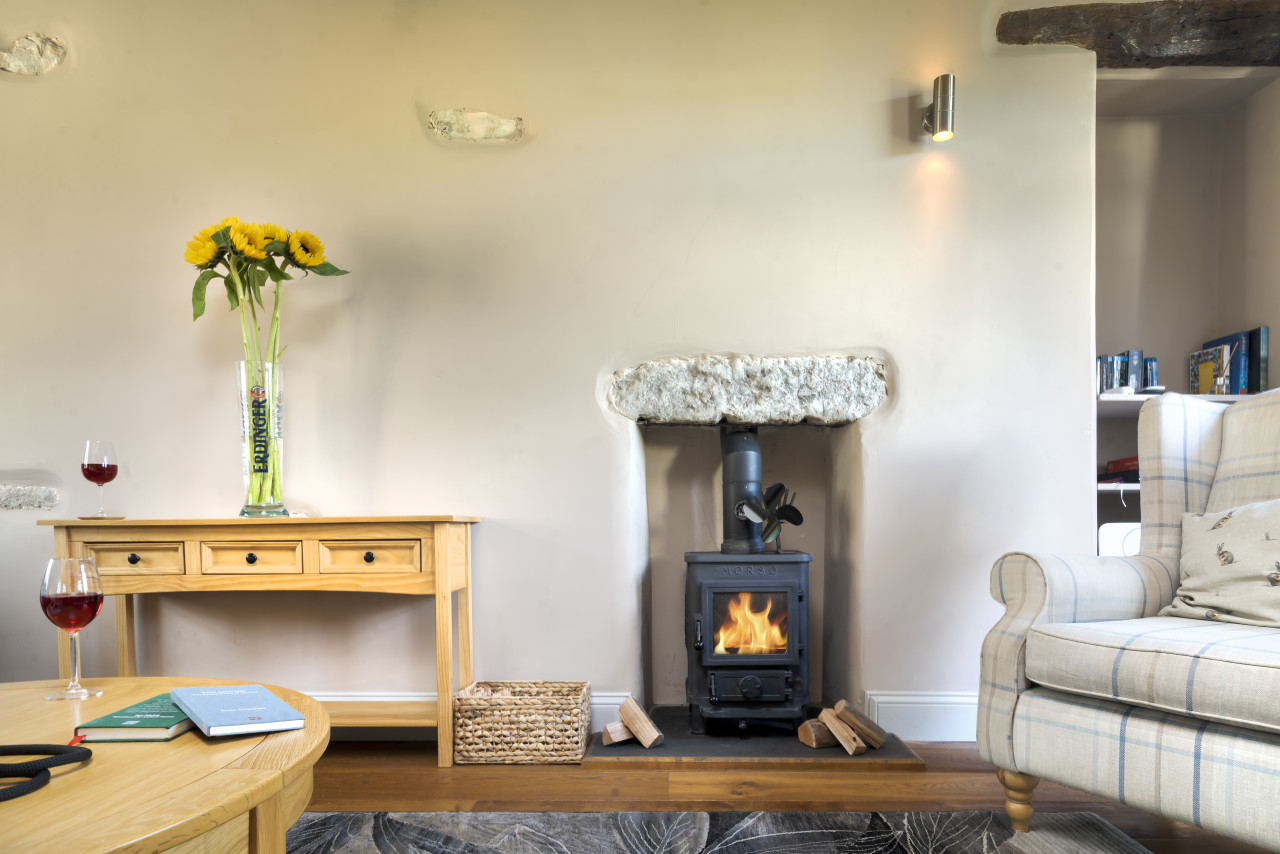
Travel Fox holiday homes around Lake District, linked directly to their property pages.
For homeowners
Own a holiday home near Newby Bridge?
We manage holiday lets across the Lake District from 12% commission, charged after cleaning costs, with no lock-in. A co-founder visits before you decide.
Holiday let management in the Lake District →
A guide with a point of view
Written from research. Edited for real journeys.
Use the Official site links for live practical details, then use this guide for context, ideas and room to explore.
Photography credits & licences
Third-party photographs are credited to their named creators and reused under the linked Creative Commons licence or public-domain dedication. Travel Fox stores an optimised local copy; the file-specific changes and any browser-applied display crop are disclosed below. Reused photographs link both to the Wikimedia Commons source record and to the declared source image; Travel Fox's own photographs carry no such record and are marked as ours. These image licences do not cover Travel Fox text, branding or page design.
- File:Stott Park Bobbin Mill - panoramio.jpg — photograph by flipflopnick; flipflopnick. Source record on Wikimedia Commons. Declared source image. Licence: CC BY-SA 3.0. File changes: Downloaded from Wikimedia Commons, resized to a maximum 1920px edge and encoded as an optimised JPEG. Display changes: Displayed with responsive CSS cropping.
Sources
Every place on this page is checked against a published source. Each entry links the record we used and names who publishes it.
- River Leven to Lakeside walk — lakedistrict.gov.uk statutory register or public authority
- The Swan Inn — swanhotel.com operator, sector body or destination organisation
- Stott Park Bobbin Mill — english-heritage.org.uk national body or asset manager
- Lakeside & Haverthwaite Railway — lakesiderailway.co.uk operator, sector body or destination organisation
- Windermere Lake Cruises — windermere-lakecruises.co.uk operator, sector body or destination organisation