
A quiet hamlet of woods and fells
Nibthwaite
A tiny hamlet for self-provisioned days beside the lake, on the fells and in the landscapes that stayed with Arthur Ransome.
- Best for
- Quiet walking and Arthur Ransome connections
- Give it
- A self-provisioned half-day
- Don't miss
- The footpath to Nibthwaite Quay
The Fox verdict
Come for the paths, not the amenities
Nibthwaite is a tiny, wooded and pastoral hamlet beside the River Crake.
The reward is a shore footpath, the upland calm of Beacon Tarn and, farther north, Coniston Old Man. Arthur Ransome's childhood summers bind those waters and fells into one unusually strong literary landscape.
Where to go
Places in Nibthwaite
Every place below is checked against a published source, listed with what it is and how long to give it.
Local signatures
3 placesBeacon Tarn
A small upland tarn on the fells above Nibthwaite, peaceful and usually quiet.
- Visit length
- Editorial estimate: allow around 60 minutes at the tarn; approach time depends on your chosen route
- Locality
- on the fells above Nibthwaite
Coniston Old Man
The 803-metre summit above Coniston, linked to Arthur Ransome's childhood.
- Visit length
- Editorial estimate: allow around 60 minutes for the summit and immediate ridge during a longer fell walk
- Locality
- on the Coniston fells, north of Nibthwaite
Rusland Churchyard
Arthur Ransome is buried in Rusland churchyard.
- Visit length
- Editorial estimate: allow around 30 minutes at the churchyard
- Locality
- in Rusland
Walks & outdoors
2 placesConiston Water Eastern Shore Footpath
A footpath from High Nibthwaite to Nibthwaite Quay at the southern end of Coniston Water.
- Visit length
- Editorial estimate: allow around 30 minutes for the path and a look at the shore
- Locality
- between High Nibthwaite and the southern shore of Coniston Water
River Crake
The river flowing south from Nibthwaite through the wooded, pastoral Crake Valley towards Lowick and the coast.
- Visit length
- Editorial estimate: allow around 30 minutes
- Locality
- beside Nibthwaite in the Crake Valley
No places match this filter. Choose All places to reset the list.
Three ways to explore Nibthwaite
Signature outings
Meet the River Crake
Watch the River Crake flow south through Nibthwaite's wooded, pastoral valley towards Lowick and the coast.
Walk to Nibthwaite Quay
Follow the footpath from High Nibthwaite to the southern shore of Coniston Water.
Visit Rusland churchyard
Find Arthur Ransome's grave in the churchyard at Rusland, a literary stop that completes Nibthwaite's Swallows and Amazons story.
The village story
Nibthwaite at the quiet end of the lake
The guide moves from a hamlet without amenities to its shore, high fells, literary history and charcoal woods.
At the quiet end of the lake
Coniston Water narrows to its foot at Nibthwaite, and the lake more or less ends where the hamlet begins. This is the southern tip, the quiet end, where the water drains into the Crake and heads off through the valley toward Lowick and the coast. Low Nibthwaite is set back from the shore.
There is no pub here, no church, and no shop. For pubs, restaurants and supplies, you travel to larger settlements such as Coniston or Greenodd. This is not a place that provisions you. It is a place you provision yourself for.
Arriving for the eastern shore
Getting here confirms as much. There is no railway and no regular bus. You come by car, either on the minor road from Lowick Bridge or the A5084 down from Ulverston, and then paths lead towards the shore and fells.
What the hamlet has instead is the eastern shore of Coniston Water, and that turns out to be enough. A footpath from High Nibthwaite reaches Nibthwaite Quay at the southern end of the lake. The wooded eastern shore and its quiet lanes invite a longer look.
High ground and Ransome's memory
Higher up there is Beacon Tarn, a small upland tarn on the fells above the village, usually empty of people. Farther north, Coniston Old Man rises to 803 metres.
That summit has a passenger in its history. Arthur Ransome's father carried the infant Arthur to the summit of the Old Man, which is one way to begin a lifelong attachment to a place. Ransome, who wrote the Swallows and Amazons books between 1930 and 1947, spent his childhood summers here at the foot of the lake, sailing with local children, and the whole of it — the water, the fells, the charcoal burners, the boat builders and farmers — went into the stories. He is buried in the churchyard at Rusland.
Charcoal woods and the Crake
The charcoal is real too. The woods around Nibthwaite fed the Furness iron furnaces from the sixteenth century, and the burning platforms, the pitsteads, are still there in the coppice if you know to look down for them. The industry is gone; the ground it stood on is not.
The rest is wood and pasture. The country here is quietly pastoral, the fells rising behind and the Crake pulling the lake southward toward Lowick and the coast. For a church you go to Lowick or back up to Coniston. It leaves Nibthwaite itself with the shore, the tarn, the woods, and a hamlet that has decided, on the whole, to stay small.
Stay around Lake District
Make a longer stay of it
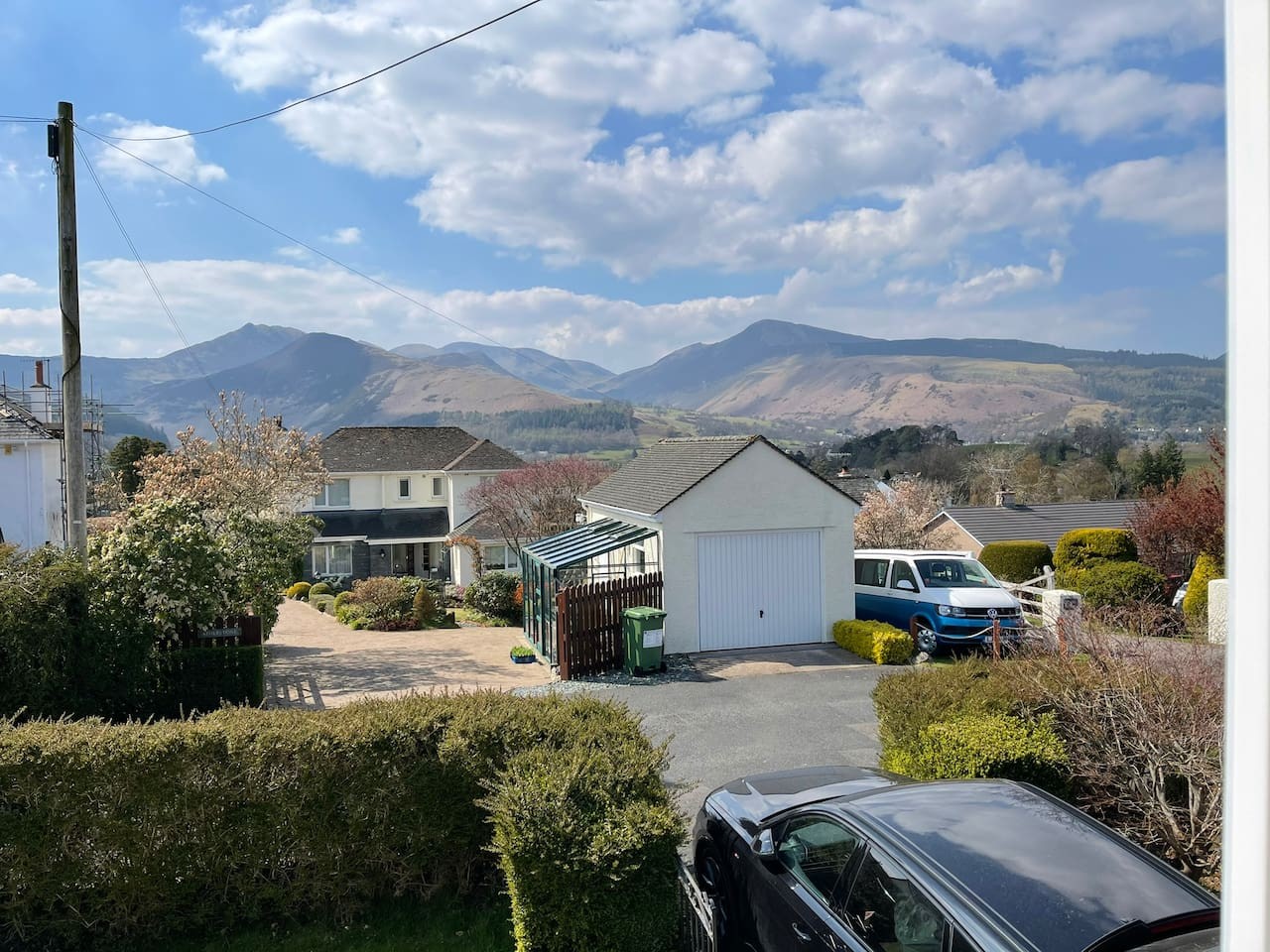
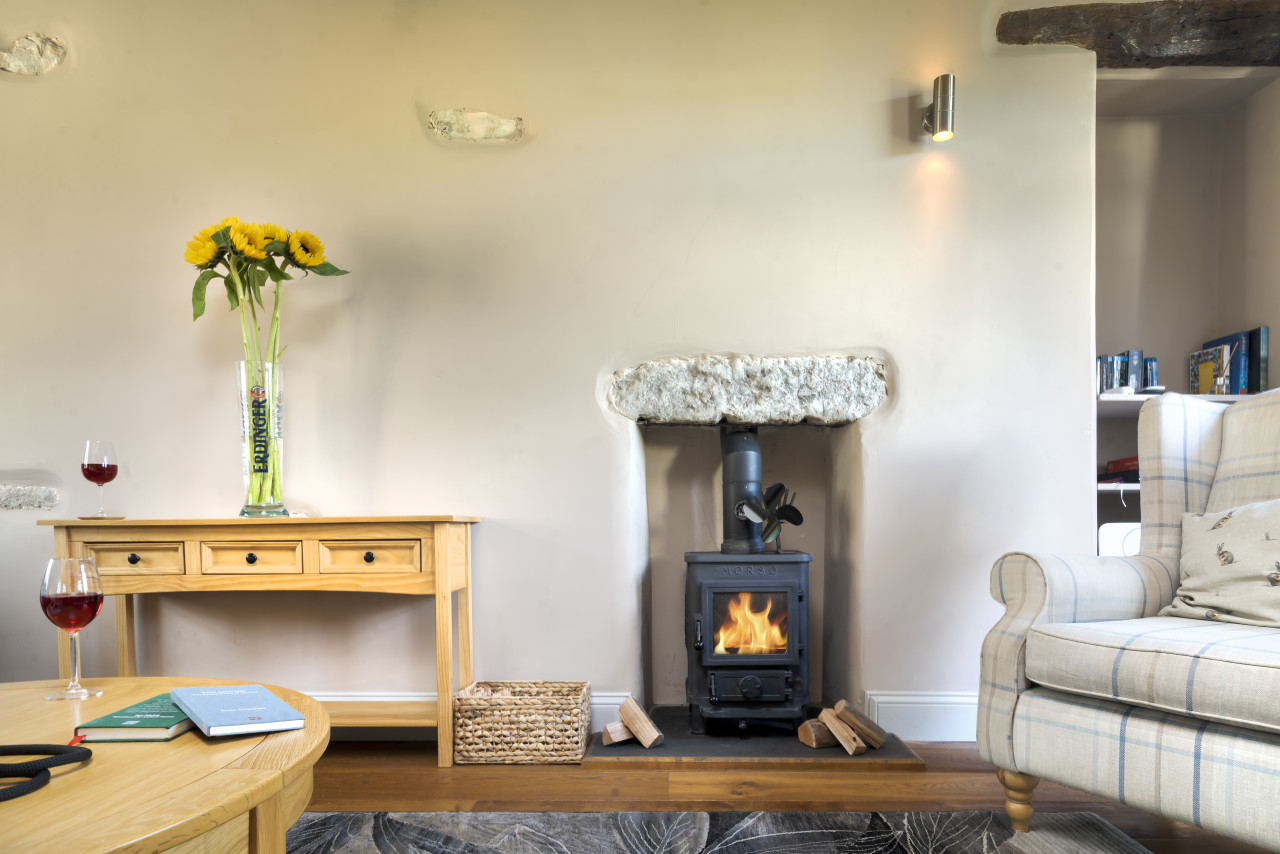
Travel Fox holiday homes around Lake District, linked directly to their property pages.
For homeowners
Own a holiday home near Nibthwaite?
We manage holiday lets across the Lake District from 12% commission, charged after cleaning costs, with no lock-in. A co-founder visits before you decide.
Holiday let management in the Lake District →
A guide with a point of view
Written from research. Edited for real journeys.
Use the Official site links for live practical details, then use this guide for context, ideas and room to explore.
Sources
Every place on this page is checked against a published source. Each entry links the record we used and names who publishes it.
- Beacon Tarn — ccc.scrt.co.uk operator, sector body or destination organisation
- Coniston Water Eastern Shore Footpath — geograph.org.uk other published source
- River Crake — visitlakedistrict.com operator, sector body or destination organisation
- Coniston Old Man — visitlakedistrict.com operator, sector body or destination organisation
- Rusland Churchyard — hawksheadbenefice.co.uk operator, sector body or destination organisation