
Morecambe Bay, woodland and village pubs
Silverdale
A limestone village of ancient woodland, shore walks, reedbeds and unusually deep pub and café stories.
- Best for
- Woodland walks, reedbed wildlife and village food
- Give it
- A full day
- Don't miss
- Morecambe Bay reedbeds and limestone landscapes
The Fox verdict
A small village with a wide landscape
Silverdale brings together limestone woodland, the Morecambe Bay shore, a major reedbed reserve and a strong village food-and-drink choice.
Come for the walking, then choose between the Pepperpot above Eaves Wood, wildlife at Leighton Moss, the copper-smelting chimney at Jenny Brown's Point and village stops with stories of their own.
Where to go
Places in Silverdale
Every place below is checked against a published source, listed with what it is and how long to give it.
Local signatures
3 placesThe Royal Silverdale
A country inn serving locally sourced, in-house food from breakfast through to evening meals, reopened after an extensive three-year renovation by the Holgates family.
- Visit length
- Editorial estimate: Allow around 90 minutes
- Locality
- Silverdale
Wolf House Kitchen
A dog-friendly café in a 17th–18th-century former cow shippen, following about fifty years here as an arts-and-crafts gallery.
- Visit length
- Editorial estimate: Allow around 60 minutes
- Locality
- Silverdale
- Access
- The café is dog friendly.
St John's Church
A Grade II* church built in 1884–86 for Manchester brewer Henry Boddington, with interior stone carving by J. J. Millson that Pevsner considered memorable.
- Visit length
- Editorial estimate: Allow around 30 minutes
- Locality
- Emesgate Lane
Food & drink
2 placesThe Woodlands Hotel
Known locally as Woodies, this pub occupies a large Victorian country house and serves four real ales and two guest ciders, with a beer garden and a notably large fireplace.
- Visit length
- Editorial estimate: Allow around 75 minutes
- Locality
- Woodlands Drive
Gaskell Memorial Hall
A village hall opened in 1931 and named for Elizabeth Gaskell, where Saturday coffee mornings are a feature of Silverdale life and raise funds for local charities.
- Visit length
- Editorial estimate: Allow around 45 minutes
- Locality
- Village centre
- Access
- The coffee mornings take place on Saturday mornings.
Walks & outdoors
2 placesRSPB Leighton Moss
The largest reedbed in northwest England, with five hides, a nine-metre sky tower and wildlife including bitterns, marsh harriers, bearded tits, otters and red deer.
- Visit length
- Editorial estimate: Allow around 2 hours
- Locality
- Close to Silverdale railway station
Trowbarrow Quarry
A former Tarmac quarry that is now a Site of Special Scientific Interest and a popular rock-climbing venue.
- Visit length
- Editorial estimate: Allow around 2 hours
- Locality
- Silverdale
History & heritage
1 placeJenny Brown's Point chimney
The surviving chimney of Robert Gibson's short-lived 1780s copper-smelting venture, reached in the coastal-walk landscape around Jenny Brown's Point.
- Visit length
- Editorial estimate: Allow around 90 minutes
- Locality
- Jenny Brown's Point
No places match this filter. Choose All places to reset the list.
Three ways to explore Silverdale
Signature outings
Explore Trowbarrow Quarry
Explore a former limestone quarry that is now an SSSI and a popular rock-climbing venue.
Scan Leighton Moss
Look across northwest England's largest reedbed for bitterns and marsh harriers, or take in the reserve from its nine-metre sky tower.
Find the copper chimney
At Jenny Brown's Point, the surviving chimney marks Robert Gibson's short-lived 1780s copper-smelting venture.
The village story
Silverdale Village Guide
Pubs, coffee, limestone woodland, reedbeds and Victorian stories on the Morecambe Bay shore.
Three pubs, three stories
The Silverdale Hotel has a Thursday quiz, real fires, and a specials board with a "Pie of the Day" written up separately from the pies already on the menu. It has been family-run since 2016, and the food is the sort people drive back for: hand beer-battered haddock with skin-on chips, a homemade fish pie of smoked haddock, salmon and white fish under mash and cheese, a homemade black bean burger for the days you want to pretend. Certain areas are dog friendly, which is the phrasing a pub uses when the dogs have already decided which areas.
There are three pubs for about 1,500 people. The Royal Silverdale closed in 2012 in the middle of a planning dispute and reopened in 2016 after a three-year renovation by the Holgates family; everything is sourced locally and made in-house, from breakfast through to evening meals. The Woodlands, known to everyone as Woodies, sits up in a Victorian country house that has been a children's school, a hotel, and for seven years nothing at all before it became a bar in 1974. It keeps four real ales and two guest ciders on, and a fireplace one reviewer measured against the counter and found roughly equal.
Village provisions and Wolf House
The village centre is better provisioned than its size suggests. A butcher, a Co-op with an ATM and the newspapers, a few cafes. The public toilets sit between the butcher and the Gaskell Memorial Hall, where the Saturday coffee mornings have been running long enough to count as a feature rather than an event.
For coffee with a longer backstory, there is the Wolf House Kitchen, in a 17th-century former cow shippen. Ted and Denise Dowbiggin opened it as a craft gallery in 1973, and it ran as one for about fifty years — pottery, jewellery, glass, ever-changing exhibitions — before a 2024 refit turned it into a dog-friendly cafe run by Rachael Spence of Lone Wolf Bakery. The name comes from a legend that the last wolf in England was killed at Humphrey Head, across the bay.
Limestone woods and reedbeds
The walking is why most people come. Eaves Wood, National Trust ancient woodland with yew trees and limestone pavement, climbs to the Pepperpot — a squat monument a local builder named Bowskill put up for Queen Victoria's jubilee in 1887, nicknamed for its shape. It is about five kilometres round, slippery on the limestone when wet. Further out are Arnside Knott, the ruins of a 15th-century pele tower, and coastal paths to Jenny Brown's Point, The Cove and Woodwell. RSPB Leighton Moss, the largest reed bed in northwest England, has bitterns, marsh harriers and a nine-metre sky tower; Autumnwatch broadcast from it in 2013.
A church and a novelist
St John's Church, on Emesgate Lane, was built in the 1880s for a Manchester brewer. Pevsner thought the stone carving inside made the interior memorable. Elizabeth Gaskell holidayed here for twenty years, writing parts of Ruth in a folly tower she was refreshingly rude about: "a queer ugly square tower in our garden — the latter is full of weeds."
Railway and recent tremors
The station is a mile and a bit out, on the Lancaster–Barrow line. Since December 2025 the ground has been quietly shaking — nineteen small tremors by last summer, no damage, just the village getting used to it.
Stay around Lancashire
Make a longer stay of it
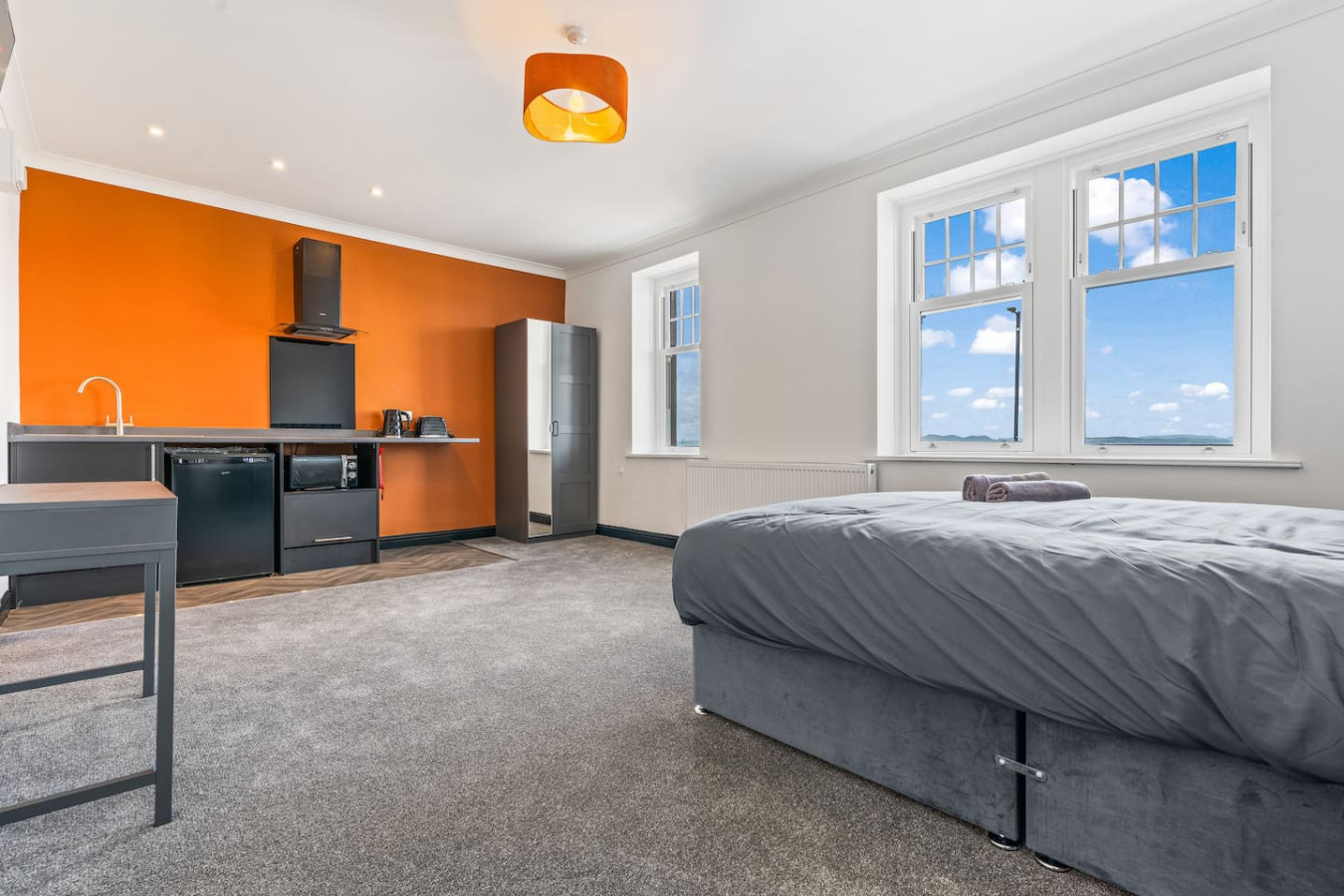
Travel Fox holiday homes around Lancashire, linked directly to their property pages.
A guide with a point of view
Written from research. Edited for real journeys.
Use the Official site links for live practical details, then use this guide for context, ideas and room to explore.
Sources
Every place on this page is checked against a published source. Each entry links the record we used and names who publishes it.
- The Royal Silverdale — theroyalsilverdale.co.uk operator, sector body or destination organisation
- The Woodlands Hotel — silverdalelancashire.uk other published source
- Wolf House Kitchen — wolfhousecottages.co.uk operator, sector body or destination organisation
- St John's Church — achurchnearyou.com national body or asset manager
- RSPB Leighton Moss — rspb.org.uk national body or asset manager
- Gaskell Memorial Hall — gaskellhall.org.uk operator, sector body or destination organisation
- Trowbarrow Quarry — arnside-silverdale.org.uk other published source
- Jenny Brown's Point chimney — historicengland.org.uk statutory register or public authority record not machine-readable; publisher restricts automated access