
East Rudham, Norfolk
East Rudham
A broad common, a surviving country inn and deep layers of Roman and medieval history, with Coxford and the Peddars Way close by.
- Best for
- Village history and nearby walks
- Give it
- Half a day or a full day
- Don't miss
- St Mary's medieval altar stone
The Fox verdict
A small Norfolk base with unusually deep layers
Come for St Mary's, the surviving pub and routes towards Coxford and the Peddars Way.
East and West Rudham function as one community, with East Rudham's green and Crown Inn balancing the historic sites and walking country around Coxford.
Where to go
Places in East Rudham
Every place below is checked against a published source, listed with what it is and how long to give it.
Local signatures
3 placesThe Crown Inn
A traditional country inn and gastropub with six double bedrooms, beamed ceilings, an open fire, a weekly-changing menu and a daily specials board.
- Visit length
- Editorial estimate: Allow around 1 hour 15 minutes
- Locality
- At the head of the village green
- Access
- Dogs are explicitly welcome, and the inn has outdoor seating.
Church of St Mary
A Grade II* church largely rebuilt in 1876, with earlier work in the chancel, south transept and south porch and an altar stone thought by Pevsner to be the oldest surviving mensa in East Anglia.
- Visit length
- Editorial estimate: Allow around 45 minutes
- Locality
- East Rudham
Houghton Hall & Gardens
A nearby Palladian house built by Sir Robert Walpole, with gardens, art and a white deer park.
- Visit length
- Editorial estimate: Allow around 2 hours 30 minutes
- Locality
- Houghton Hall
Walks & outdoors
1 placePeddars Way
A nearby stretch of the long-distance National Trail, following an old Roman trackway close to the parish.
- Visit length
- Editorial estimate: Allow around 1 hour 30 minutes
- Locality
- Close to East Rudham
History & heritage
1 placeCoxford Priory
The scheduled remains of an Augustinian house that moved to Coxford around 1216; the priory site and fishponds survive as earthworks.
- Visit length
- Editorial estimate: Allow around 45 minutes
- Locality
- Coxford
No places match this filter. Choose All places to reset the list.
Three ways to explore East Rudham
Signature outings
Find Coxford's priory earthworks
The priory moved to Coxford around 1216, and its site and fishponds survive as earthworks.
Take to the Peddars Way
The National Trail follows an old Roman trackway close to the parish.
Pause at the Crown
The Rudhams' surviving pub stands at the head of East Rudham's broad green.
The town story
The Rudhams, from Roman ground to wartime decoy
The accepted Travel Fox article follows the two villages from their surviving inn and broad common through church, priory, walking country and Coxford Heath.
The Rudhams' surviving pub
The Crown Inn sits at the head of the green, six bedrooms above a bar with beamed ceilings and an open fire. The kitchen changes its menu weekly and runs a specials board daily: a homemade rump burger at £18.95, a spiced sweet potato, chestnut and mushroom seeded kofta at £21, pan-roasted cannon of lamb, a 10oz sirloin that will cost you £39.95. There are Sunday roasts, a children's menu, and a night given over to pizza, pasta and prosecco. It ranks first of two inns in the village on TripAdvisor, a smaller field than it sounds, and one reviewer's labradors "use it like a second home now."
It is also, now, the only pub the Rudhams have. The Duke's Head over in West Rudham — a carstone building with a brick lozenge dated 1663 — spent its later years as a Chinese and Thai restaurant until its operators retired in November 2025 after twenty-two years. Plans are in to turn it into a house.
One community along the common
East Rudham and West Rudham work as one place, strung along a broad common. East Rudham has the green and the Crown; West Rudham has the school, the village hall and the former Duke's Head. Locals call them, collectively, the Rudhams. There is a village store with a tea room, and the wider area keeps a scattering of farm shops within a short drive.
You arrive on the A148, the King's Lynn to Fakenham road, and drop down into a wide open green fronted by the inn and a row of period cottages. King's Lynn is about fourteen miles south-west; the village's own railway station opened in 1880 and closed in 1959, so the nearest trains now run from Lynn. The Lynx 49 bus comes through roughly every two hours.
Roman ground and medieval stone
The green is worth standing on for a moment, because underneath it is a Roman settlement — coins, brooches, pottery, a possible Roman road, all centred on the open ground where the summer festival now pitches its stalls. That festival is a joint East-and-West affair over two days in July, and its programme includes a horticultural show, donkey rides, a male beauty contest and a sheep race.
St Mary's was largely rebuilt in 1876 after its west tower fell into the nave, but older work survives in the chancel and the south transept. Its altar stone is the reason people come. Pevsner thought the mensa twelfth century, possibly earlier, which would make it the oldest surviving example in East Anglia. An antiquary spotted it, and it was restored to its rightful place in the 1980s.
Coxford ruins and walking loops
East at Coxford are the earthwork remains of an Augustinian priory founded near here around 1140 and moved to Coxford about 1216, where it became one of the wealthiest religious houses in Norfolk before the Dissolution. The fishponds are still legible in the ground.
Walks lead out from the green in loops — north to Coxford Heath, east past Coxford and Broomsthorpe, west and back — on farm tracks that run alongside the River Tat. The Peddars Way passes close by.
The decoy on Coxford Heath
On Coxford Heath during the war there was a decoy site, lit up at night to draw Luftwaffe bombers away from King's Lynn. It worked by pretending to be somewhere more important than a field.
Stay around Norfolk
Make a longer stay of it
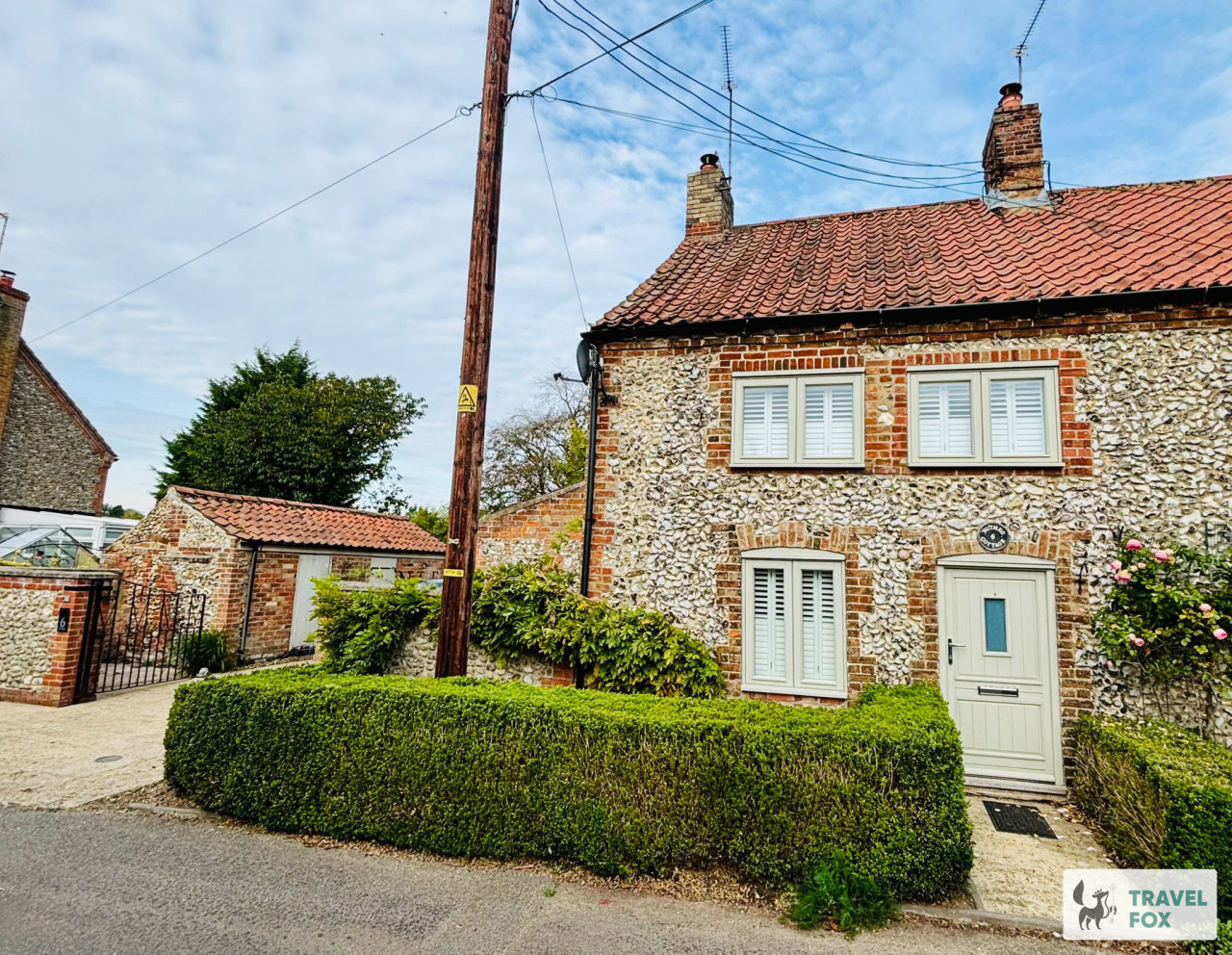
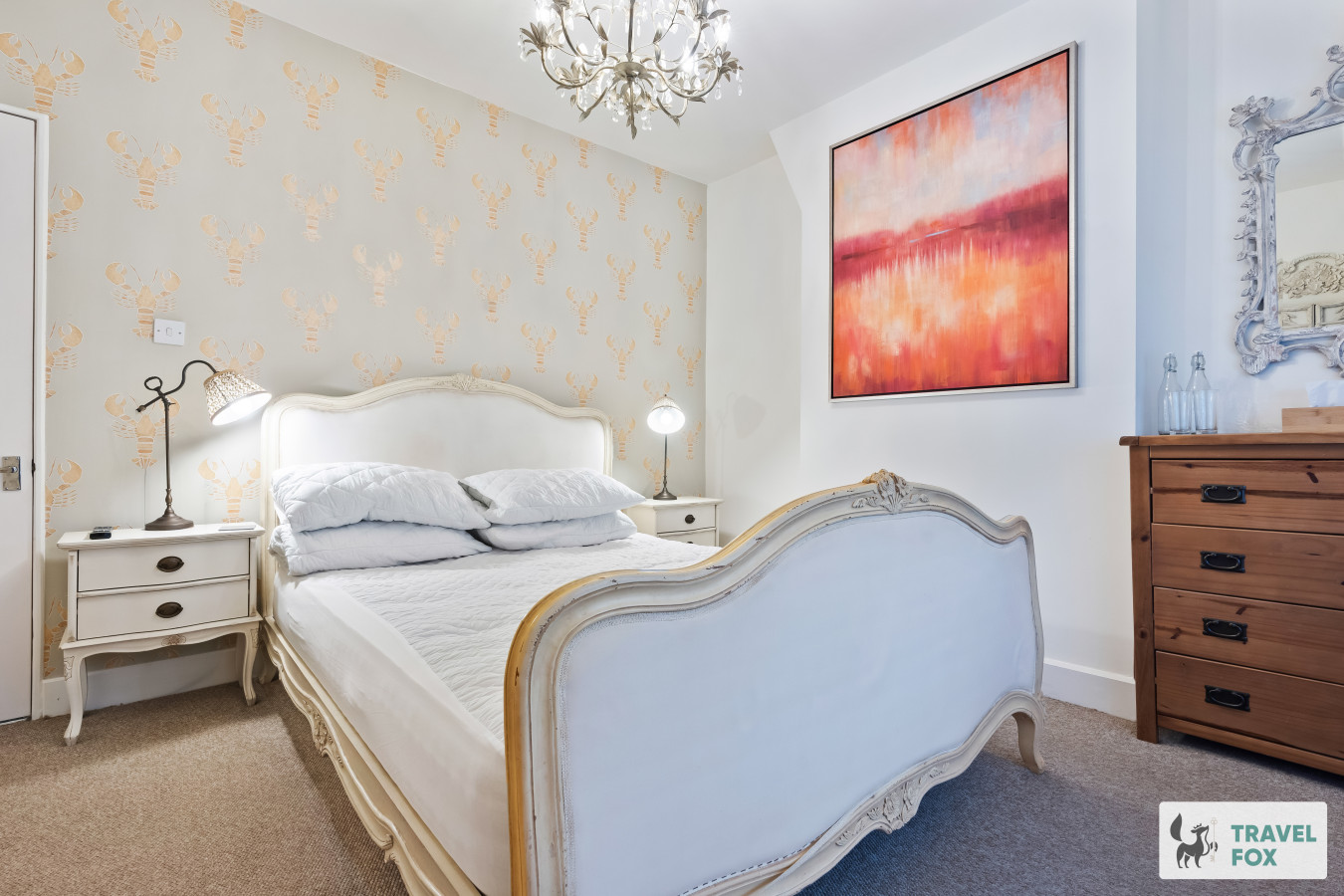
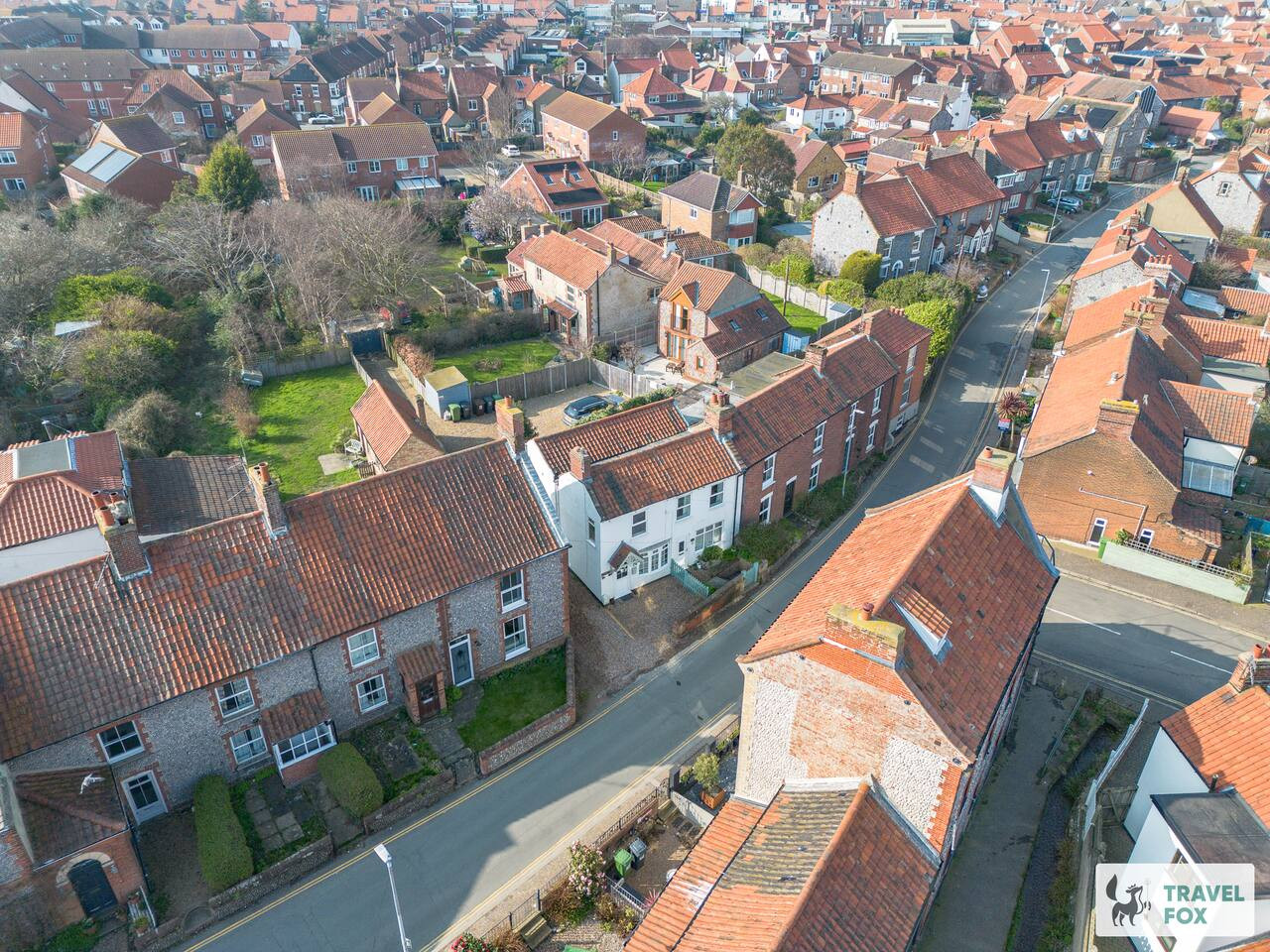
Travel Fox holiday homes around Norfolk, linked directly to their property pages.
A guide with a point of view
Written from research. Edited for real journeys.
Use the Official site links for live practical details, then use this guide for context, ideas and room to explore.
Sources
Every place on this page is checked against a published source. Each entry links the record we used and names who publishes it.
- The Crown Inn — crowninnnorfolk.co.uk operator, sector body or destination organisation
- Church of St Mary — historicengland.org.uk statutory register or public authority record not machine-readable; publisher restricts automated access
- Coxford Priory — historicengland.org.uk statutory register or public authority record not machine-readable; publisher restricts automated access
- Peddars Way — nationaltrail.co.uk other published source
- Houghton Hall & Gardens — houghtonhall.com operator, sector body or destination organisation