
Marsh, heath and flint
Salthouse
A coastal village between a high inland ridge and open salt marsh, with seafood on the green, a hilltop church and walks over shingle and heath.
- Best for
- Birdwatching and marsh walks
- Give it
- Time for a marsh walk and a local meal
- Don't miss
- Ships scratched into St Nicholas's pews and choir stalls
The Fox verdict
Come for the marsh; stay for crab, church and heath
Salthouse gathers salt marsh, shingle beach, heathland walks, local seafood and a church rich in medieval detail into one coastal village.
The marsh is the centre of the visit: birdwatching hides face grazing marsh and saline lagoons, while paths continue over shingle and up to the gorse-and-heather heath. Cookie's Crab Shop, the Dun Cow and St Nicholas add food, fireside character and seafaring history.
Where to go
Places in Salthouse
Every place below is checked against a published source, listed with what it is and how long to give it.
Local signatures
3 placesThe Dun Cow
An old inn with flint walls, exposed beams, log-burning fires and a large garden looking over the salt marshes; its daily-changing menu is built on local produce.
- Visit length
- Editorial estimate: Allow around 90 minutes
- Locality
- on the west side of the village green
- Access
- Dogs are welcomed into the bar.
Cookie's Crab Shop
A family-run shop whose story began here in 1956, selling fresh local crab and shellfish, seafood platters, samphire and smoked fish.
- Visit length
- Editorial estimate: Allow around 45 minutes
- Locality
- on The Green
NWT Cley and Salthouse Marshes
Norfolk Wildlife Trust manages this landscape of coastal grazing marsh, saline lagoons and shingle beach, with birdwatching hides opposite the Dun Cow.
- Visit length
- Editorial estimate: Allow around 75 minutes
- Locality
- fronting a shingle beach
Walks & outdoors
1 placeSalthouse Heath
Part of the Cromer Ridge glacial moraine, the heath has gorse, heather, encroaching birch and oak, and sweeping views to the sea.
- Visit length
- Editorial estimate: Allow around 75 minutes
- Locality
- around Bard Hill
History & heritage
1 placeSt Nicholas Church
Largely rebuilt around 1500 and finished in 1503, the church holds a fifteenth-century lion font, a medieval painted rood screen and scratched outlines of sailing ships and galleons.
- Visit length
- Editorial estimate: Allow around 45 minutes
- Locality
- on a hill above the marshes
No places match this filter. Choose All places to reset the list.
Three ways to explore Salthouse
Signature outings
Find ships in the woodwork
At St Nicholas, sailing ships and galleons remain scratched into the backs of pews and choir stalls.
Watch the marsh from a hide
Birdwatching hides face the grazing marsh and saline lagoons of NWT Cley and Salthouse Marshes.
Cross gorse-and-heather heath
Salthouse Heath brings gorse, heather and sweeping sea views to the Cromer Ridge.
The village story
Salt, seafood and ships above the marsh
The locked Travel Fox article moves from the green and marsh to heathland paths, St Nicholas and the salt-making history behind the village name.
Crab on the green, fires by the marsh
Cookie's Crab Shop stands on the Green, selling crab, shellfish, samphire and smoked fish, and has been doing so for three generations. The fish shop opened here in 1956, run by Jack and Elsie Cooke — Jack, nicknamed Cookie, did the fishing, crabbing and bait-digging himself. It now belongs to their daughter Sue and her husband Peter, whom she met at Sheringham High School. You can buy a seafood platter and eat it looking at the marsh the crabs came out of.
Across the way, on the west side of the green, is the Dun Cow: an old inn with flint walls, exposed beams and log fires, and a big garden that looks straight over the salt marshes. The menu changes daily on whatever's local — fish and chips with a crisp golden batter, beef ragu, burgers, lobster and steak, piri piri spatchcock chicken, prawn chowder. Woodforde's Wherry is on the bar, alongside Adnams and Doom Bar. The owner, Mat, gets named in reviews as helpful and friendly. Dogs are welcome in the bar. It's a short walk from the beach and the natural place to end a marsh walk.
Marsh, shingle and heath
The marsh is the whole point of Salthouse. The village runs along the A149 between a high inland ridge and open salt marsh, all flint walls and wide sky. NWT Cley and Salthouse Marshes — 66 hectares of grazing marsh and saline lagoons — front a shingle beach, and the birdwatching hides opposite the Dun Cow are well used.
Walks go in every direction from here. The Norfolk Coast Path runs along the shingle past the village, west across the marshes to Cley-next-the-Sea and east toward Gramborough Hill. There's a two-mile circular to Cley along the beach and back inland past the reserve, and a longer 5.5-mile loop up onto the gorse-and-heather heath around Bard Hill, where a WWII radar station once stood, then back over the fields to finish at the pub. A ten-mile sculpture trail winds across Kelling and Salthouse heaths, inaugurated in 2008.
Ship graffiti above the salt marsh
St Nicholas sits on a hill above the marshes with the sea behind it. It was largely rebuilt around 1500 under Sir Henry Heydon of Baconsthorpe, finished in 1503, and it holds a 15th-century font carried on carved lions and a medieval painted rood screen. On the backs of the pews and choir stalls are ships — galleons and sailing vessels scratched into the wood by seafaring parishioners, or by bored choristers during long sermons. The outlines are still easy to make out.
Salt, ports and Domesday
Salthouse got its name from boiling seawater in clay pots to make salt. It was one of the Glaven Ports until the channel silted up in the mid-1500s. The Domesday surveyors recorded a mill, two acres of meadow and forty goats, and valued the place at four pounds — the same four pounds it had been worth twenty years earlier.
Rail, bus and a naval son
Sheringham station is about five miles east, on the Bittern Line to Norwich, and the coastal bus runs through the village. Vice-Admiral Sir Christopher Myngs, privateer and naval hero, was baptised at St Nicholas in 1625, the son of the village shoemaker.
Stay around Norfolk
Make a longer stay of it
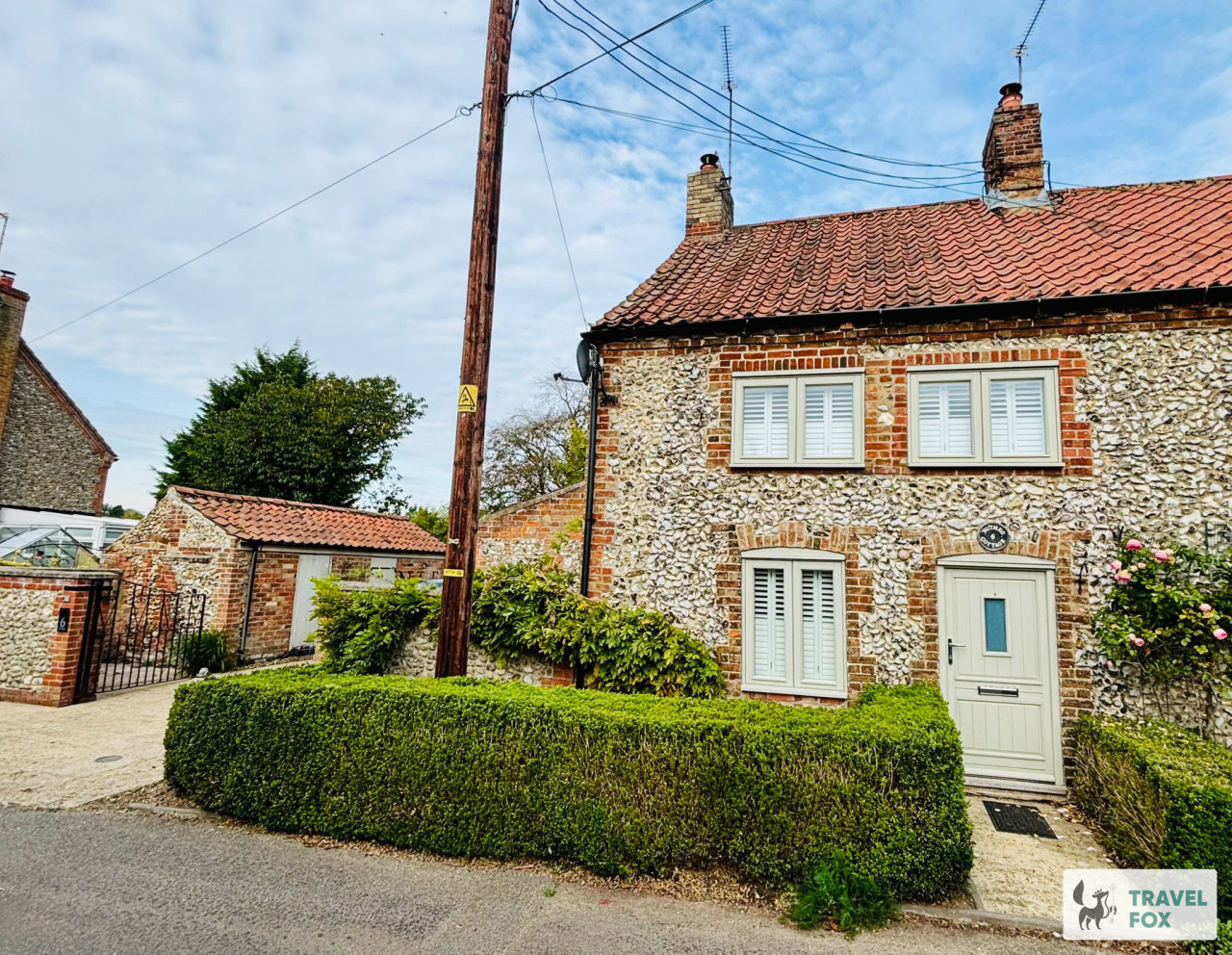
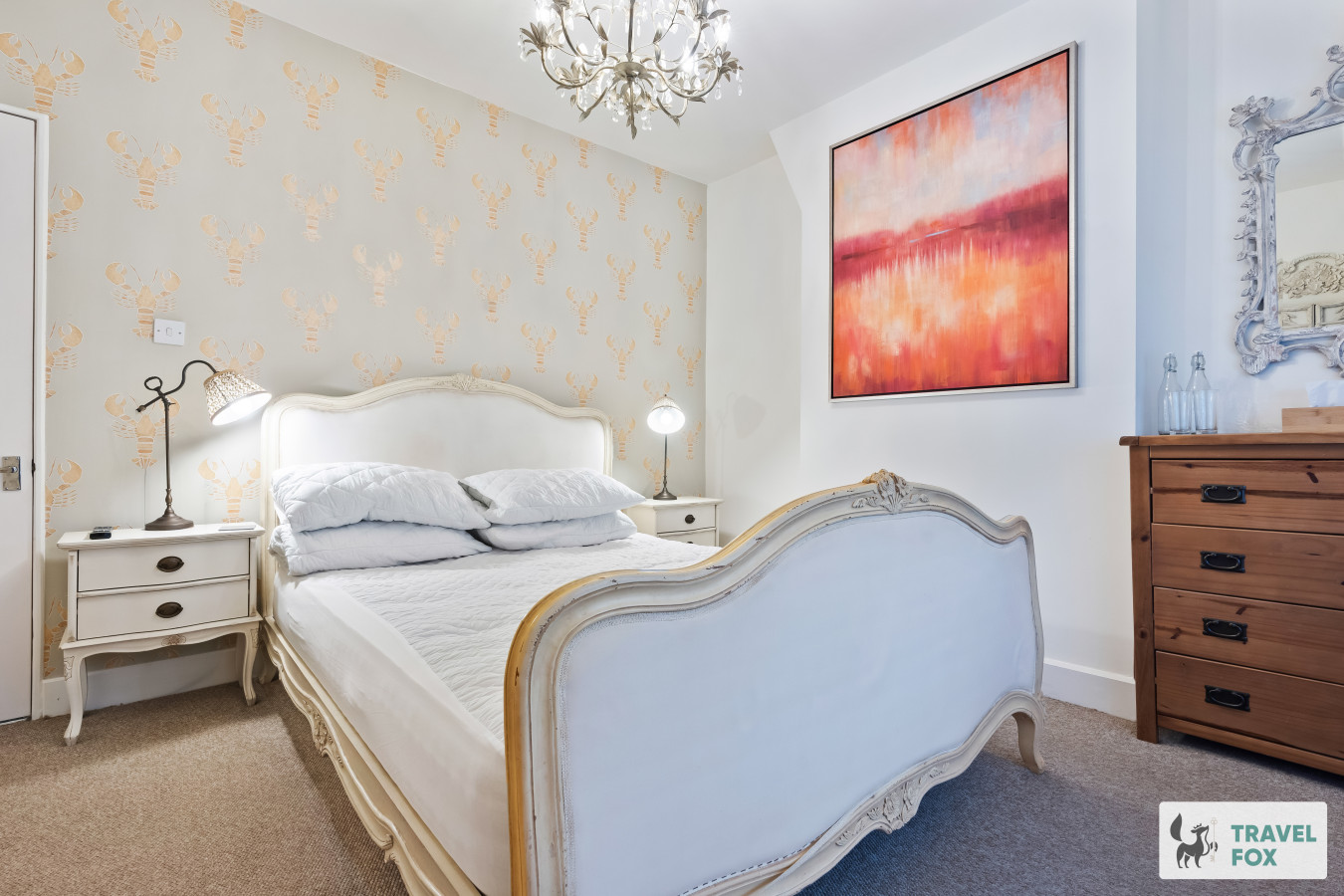
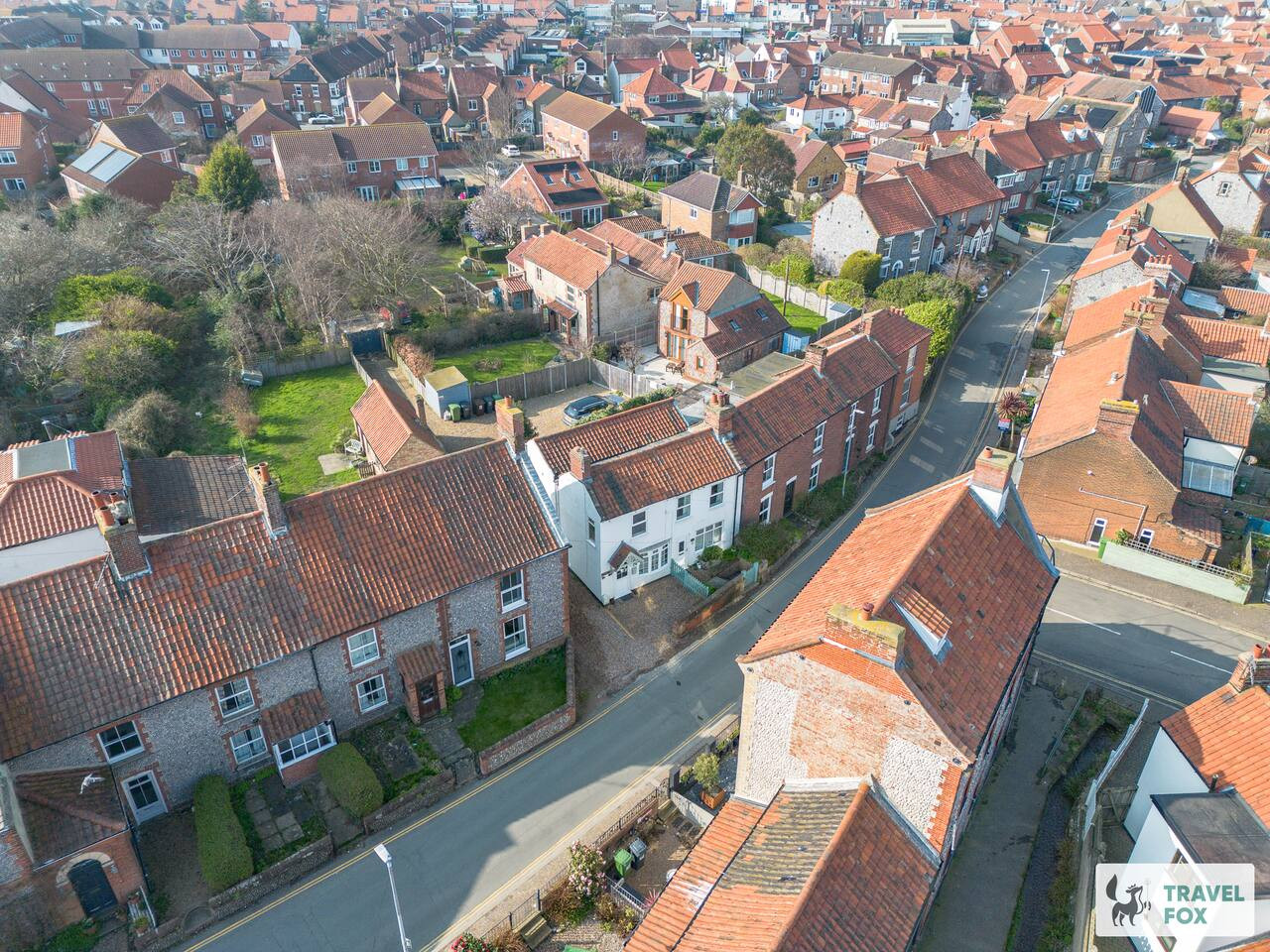
Travel Fox holiday homes around Norfolk, linked directly to their property pages.
A guide with a point of view
Written from research. Edited for real journeys.
Use the Official site links for live practical details, then use this guide for context, ideas and room to explore.
Sources
Every place on this page is checked against a published source. Each entry links the record we used and names who publishes it.
- The Dun Cow — camra.org.uk operator, sector body or destination organisation
- Cookie's Crab Shop — visitnorthnorfolk.com operator, sector body or destination organisation
- St Nicholas Church — dioceseofnorwich.org other published source
- NWT Cley and Salthouse Marshes — norfolkwildlifetrust.org.uk national body or asset manager
- Salthouse Heath — visitnorthnorfolk.com operator, sector body or destination organisation