
Church, chalk and downland
Bepton
A dispersed South Downs village with a secluded medieval church, orchid-rich slopes and a ten-mile route into the hills.
- Best for
- Chalk-down walking and quiet church history
- Give it
- The ten-mile circular, or a shorter church-and-down visit
- Don't miss
- Bepton Down's orchids and St Mary's southward view
Photo: Simon Burchell · CC BY-SA 4.0 · cropped
The Fox verdict
A small village with a big downland horizon
Bepton rewards walkers and church enthusiasts more than anyone seeking a conventional village high street.
The village is spread across northern and southern clusters, with St Mary the Virgin tucked down rough Church Lane and Bepton Down rising from the southern houses. Its strongest day out follows chalk grassland and the South Downs Way towards the Devil's Jumps and the walk-linked pubs at Chilgrove and Hooksway.
Where to go
Places in Bepton
Every place below is checked against a published source, listed with what it is and how long to give it.
Local signatures
3 placesCowdray Farm Shop
An estate farm shop with a traditional butchery, deli and in-house bakery, including seasonal produce, artisan cheeses and its own bread and cakes.
- Visit length
- Editorial estimate: around 30 minutes
- Locality
- in Midhurst
Historic Midhurst Walk
An easy town walk taking in views of the Cowdray ruins above the water meadows, St Ann's Hill, the old stocks and Midhurst's historic centre.
- Visit length
- Editorial estimate: around 60 minutes
- Locality
- in Midhurst
- Access
- The walk follows public paths through Midhurst, with views towards the Cowdray ruins.
Weald & Downland Living Museum
A substantial family attraction in Singleton, with enough to occupy much of a day and dog access on short leads.
- Visit length
- Editorial estimate: around 240 minutes
- Locality
- in Singleton
- Access
- Dogs are welcome on short leads.
Food & drink
1 placeThe White Horse, Chilgrove
A country pub with rooms and outdoor seating, serving seasonal food sourced from named butcher, fish and bakery suppliers.
- Visit length
- Editorial estimate: around 75 minutes
- Locality
- in Chilgrove
Walks & outdoors
1 place
Bepton Down
A publicly accessible chalk-grassland SSSI on the Bepton circular, with pyramidal, common-spotted and early-purple orchids and views towards Black Down and Bexleyhill.
- Visit length
- Editorial estimate: around 90 minutes
- Locality
- above the southern houses
- Access
- Public access follows the Bepton circular, but the approach to the orchid hillside is extremely hard to navigate: fallen trees and dense vegetation block the former track. Boots are advised, and nettles can affect the orchid slope.
History & heritage
2 placesSt Mary the Virgin
A Grade I flint-and-rubble church with late-12th-century tower origins, an unusual same-width plan and a secluded churchyard looking towards the Downs.
- Visit length
- Editorial estimate: around 30 minutes
- Locality
- off Church Lane
- Access
- The church and churchyard are approached along a rough Church Lane beyond a former farmyard.
The Devil's Jumps
Five Bronze Age bell barrows set in a line beside the South Downs Way and aligned with the midsummer sunset.
- Visit length
- Editorial estimate: around 30 minutes
- Locality
- beside the South Downs Way near Treyford
No places match this filter. Choose All places to reset the list.
Three ways to explore Bepton
Signature outings
Find the orchid slope
Follow the chalk grassland of Bepton Down for seasonal orchids and broad views towards Black Down and Bexleyhill.
Trace five ancient barrows
Pause beside the South Downs Way where the Devil's Jumps form a five-barrow line aligned with the midsummer sunset.
Study a stubborn tower
At St Mary the Virgin, compare the low medieval west tower with the huge brick buttresses added after instability persisted.
The village story
Bepton Village Guide
A long, scattered village where Cowdray colours, medieval masonry and chalk-down paths reveal themselves slowly.
Cowdray Colours and a Strung-Out Village
Some buildings in Bepton have distinctive yellow-painted doors and window frames. It is the mark of the Cowdray Estate, which has owned the manor since 1568, when Henry Joscelyn sold it to Anthony Browne, Viscount Montague, and once you notice the colour you start seeing it on cottage after cottage.
The village is spread thin: a northern cluster and a southern one, the settlement stretching for more than three kilometres, beginning about a mile south-west of Midhurst. The southern houses sit at the foot of the Downs, which rise here to nearly 250 metres.
A Church Apart, and No Village Pub
St Mary the Virgin stands on a knoll south of the Manor House, reached down a rough Church Lane past a former farmyard. It is built of flint and rubble, and its plan is unusual: the tower, the aisleless nave and the chancel are all the same width. The low west tower was begun around 1180-85; when it proved unstable a lighter second stage went up by 1250, and in 1620 huge brick buttresses were added because stability remained a concern. Inside are a tomb recess of about 1300 carved with cinquefoils and a worn Lombardic inscription to Rado de la Hedol, a trefoil-headed piscina, and a plain tub font. Two of the bells read "Praise the Lord" (1589) and "Gloria in Excelsis" (1636). The churchyard is truly off the beaten track, with a long southward view over the Downs.
Bepton has no pub of its own. Walking is the main draw, with the ten-mile circuit linking the Downs to nearby country pubs.
Downland Paths and Country Pubs
Bepton Down rises straight from the southern houses, an accessible stretch of chalk grassland and SSSI where pyramidal, common-spotted and early-purple orchids grow, with the South Downs Way along the top and views to Black Down and Bexleyhill. The approach to the orchid hillside is extremely hard to navigate: fallen trees and dense vegetation block the former track. Beyond it, the ten-mile circuit through Chilgrove is easy to moderate; boots are worth it, nettles grow near the orchid slope, and the circuit passes under an old railway bridge before linking two pubs.
The Royal Oak at Hooksway is a free house in a 16th-century cottage, run by David Jeffrey and Sarah Warner since 1990, with a large garden and dogs welcome. Langham Hip Hop and Arundel Castle bitter are among the regulars. The pub keeps a ghost story about William "Shagger" Shepherd, a sheep rustler said to have been shot here around 1680. The White Horse at Chilgrove does seasonal food, sourced from Walter Rose the butcher, Kingfisher of Brixham and Hobbs House Bakery, and will point you towards a Scotch egg with a pint of Butcombe.
Barrows and Wider Excursions
The same walk passes the Devil's Jumps near Treyford: five Bronze Age bell barrows in a line, aligned with the midsummer sunset. Local legend has the Devil jumping about noisily enough to wake Thor, who threw a boulder and drove him off.
For provisions, the Cowdray Farm Shop in Midhurst, a mile away, has a butchery, deli and bakery, with award-winning sausages and its own bread and cakes. Midhurst carries Cowdray history: Henry VIII and Elizabeth I visited before a fire devastated the house in 1793. South towards Singleton, the Weald and Downland Living Museum makes a full family day and takes dogs on short leads.
Practical Arrival and the Village Green
Getting here usually means driving, though an on-demand Flex bus service can be booked in advance. There is no railway station at Midhurst; Haslemere is the nearest, with Petersfield and Chichester as alternatives. The southern lanes come in from the A286 at Cocking by Bell Lane. The village green on Severals Road is noted for its spring crocuses and daffodils.
Stay around South Downs
Make a longer stay of it
Travel Fox holiday homes around South Downs, linked directly to their property pages.
For homeowners
Own a holiday home near Bepton?
We manage holiday lets across the UK from 12% commission, charged after cleaning costs, with no lock-in. A co-founder visits before you decide.
How our holiday let management works →
A guide with a point of view
Written from research. Edited for real journeys.
Use the Official site links for live practical details, then use this guide for context, ideas and room to explore.
Photography credits & licences
Third-party photographs are credited to their named creators and reused under the linked Creative Commons licence or public-domain dedication. Travel Fox stores an optimised local copy; the file-specific changes and any browser-applied display crop are disclosed below. Reused photographs link both to the Wikimedia Commons source record and to the declared source image; Travel Fox's own photographs carry no such record and are marked as ours. These image licences do not cover Travel Fox text, branding or page design.
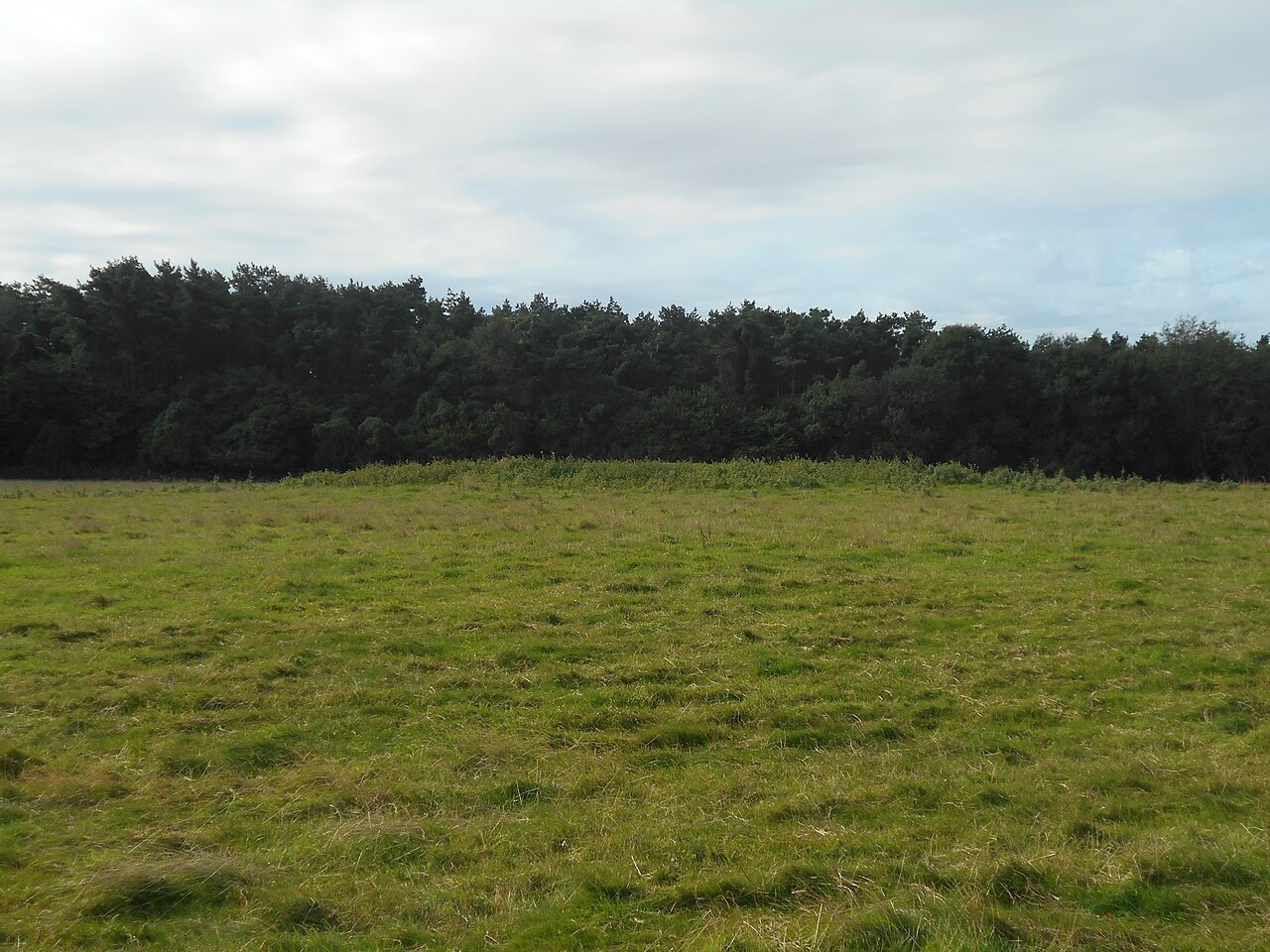
- File:Bepton Down Barrow.jpg — photograph by Simon Burchell; Own work. Source record on Wikimedia Commons. Declared source image. Licence: CC BY-SA 4.0. File changes: Downloaded from Wikimedia Commons, resized to a maximum 1920px edge and encoded as an optimised JPEG. Display changes: Displayed with responsive CSS cropping.
Sources
Every place on this page is checked against a published source. Each entry links the record we used and names who publishes it.
- St Mary the Virgin — underthedowns.co.uk other published source
- Bepton Down — contractsfinder.service.gov.uk statutory register or public authority record not machine-readable; publisher restricts automated access
- The Devil's Jumps — gov.uk statutory register or public authority
- The White Horse, Chilgrove — butcombe.com other published source
- Cowdray Farm Shop — cowdray.co.uk operator, sector body or destination organisation
- Historic Midhurst Walk — southdowns.gov.uk statutory register or public authority
- Weald & Downland Living Museum — wealddown.co.uk operator, sector body or destination organisation