

Sandstone, stories and field paths
Ashley
A small Staffordshire village shaped by a monument-rich church, a long-established pub and paths into the surrounding countryside.
- Best for
- Church monuments, village history and a countryside walk
- Give it
- A half day, or longer with a pub meal
- Don't miss
- The Gerard and Kinnersley chapels at St John the Baptist
Photo: Brian Deegan · CC BY-SA 2.0 · cropped
The Fox verdict
A small village with an outsized historical core
Ashley rewards a focused visit built around St John the Baptist, the Peel Arms and a walk through the surrounding countryside.
The church’s Gerard and Kinnersley monuments provide the strongest reason to stop, while the Peel Arms and the Newcastle Way through Ashley and Ashley Heath make a rounded visit. Blore Heath adds a nearby Wars of the Roses landscape, and the Memorial Hall is useful when a public activity is scheduled.
Where to go
Places in Ashley
Every place below is checked against a published source, listed with what it is and how long to give it.
Local signatures
3 places
Start here
Church of St John the Baptist
A Grade II* church with a medieval tower, a Victorian pink-sandstone rebuilding and an unusually dense collection of Gerard and Kinnersley family monuments.
- Visit length
- Editorial estimate: allow around 40 minutes
- Locality
- Ashley village
- Access
- The Gerard and Kinnersley monuments are inside the church.
The Peel Arms
A stone-built village pub with separate drinking areas, a rear restaurant, three regular cask ales and a large beer garden with a children's play area.
- Visit length
- Editorial estimate: allow around 75 minutes for a meal or drink
- Locality
- 83 Church Road, Ashley
- Access
- Dogs are welcome at the pub, but are not allowed inside during meal times.
Ashley Memorial Hall
A community-run hall serving Ashley and Loggerheads since 1953, with a stage, kitchen, bar and a programme of local activities.
- Visit length
- Editorial estimate: allow around 45 minutes for a scheduled activity
- Locality
- Gravelly Hill, Ashley
- Access
- Visit for a scheduled public activity.
Walks & outdoors
1 placeNewcastle Way: Ashley and Ashley Heath
This 6 km section of the Newcastle Way follows a sandstone ridge through Ashley, descends into Ashley Dale and climbs towards views from Ashley Heath before reaching Loggerheads.
- Visit length
- Editorial estimate: allow at least 3 hours for the 6 km section with a few stops
- Locality
- from Blackbrook through Ashley and Ashley Heath to Loggerheads
- Access
- Follow the 6 km Blackbrook-to-Loggerheads section through Ashley and Ashley Heath to Loggerheads.
History & heritage
1 placeBlore Heath Battlefield
The nearby landscape of the 1459 Battle of Blore Heath, a major early battle of the Wars of the Roses close to Ashley.
- Visit length
- Editorial estimate: allow around 45 minutes
- Locality
- Blore Heath, close to Ashley
- Access
- Access around the battlefield is possible by public footpath and a small lane from Blore to the A53; the A53 is unsuitable for parking or walking, and Audley’s Cross is not accessible.
No places match this filter. Choose All places to reset the list.
Three ways to explore Ashley
Signature outings
Monuments beyond its scale
Look for Cecil Hare’s 1910 furnishings around the Gerard monument and the Kinnersley memorials; the compact interior concentrates an unusually dense set of family monuments.
A route into Ashley
The Newcastle Way’s 6 km Blackbrook-to-Loggerheads section descends through Ashley Dale before climbing to higher ground and views from Ashley Heath.
Read the ground at Blore Heath
Public footpaths around Blore Heath give access to the battlefield landscape, the site of a decisive Yorkist victory over Lancastrian forces under Lord Audley on 23 September 1459.
The village story
Ashley: church monuments and heathland paths
Explore Ashley’s monument-rich church, pause for a village drink or meal and walk through Ashley and Ashley Heath.
A stone-built pub on Church Road
The Peel Arms stands at 83 Church Road in Ashley, a stone-built village pub with exposed stonework and beams, separate drinking areas and a restaurant to the rear.
The pub has a large beer garden with a children’s play area and three regular cask ales: Wainwright Gold, St Austell Tribute and Timothy Taylor Landlord.
Practicalities for a pub stop
Dogs are welcome at the pub, but they are not allowed inside during meal times.
A car park sits to the right of the pub.
A church built for monuments
St John the Baptist is a Grade II* listed church with a tower dating from around 1350. J. Ashdown rebuilt the rest in pink sandstone between 1860 and 1862, and Cecil Hare, a pupil of G. F. Bodley, provided much of the interior furnishing in 1910.
The north aisle chapel holds a large alabaster monument with recumbent effigies of Sir Gilbert Gerard and his wife, alongside subsidiary figures.
Marble chapels and Domesday roots
The south aisle chapel includes memorials to two members of the Kinnersley family named Thomas: one by Chantrey and another by Noble. Above the chancel arch is a basalt-urn memorial to William Chetwynd by Joseph Wedgwood.
In 1086, Ashley had four households in the hundred of Pirehill and an annual value of fifteen shillings. Earl Roger of Shrewsbury was the tenant-in-chief.
Paths and village life
The Blackbrook-to-Loggerheads section of the Newcastle Way follows a sandstone ridge into Ashley, drops into Ashley Dale and climbs towards views from Ashley Heath before reaching Loggerheads.
From Gravelly Hill, the community-run Ashley Memorial Hall has served Ashley and Loggerheads since 1953, with a stage, kitchen and bar, seating for 80 guests, and activities including dance practice and indoor bowls.
Stay around Staffordshire
Make a longer stay of it
Travel Fox holiday homes around Staffordshire, linked directly to their property pages.
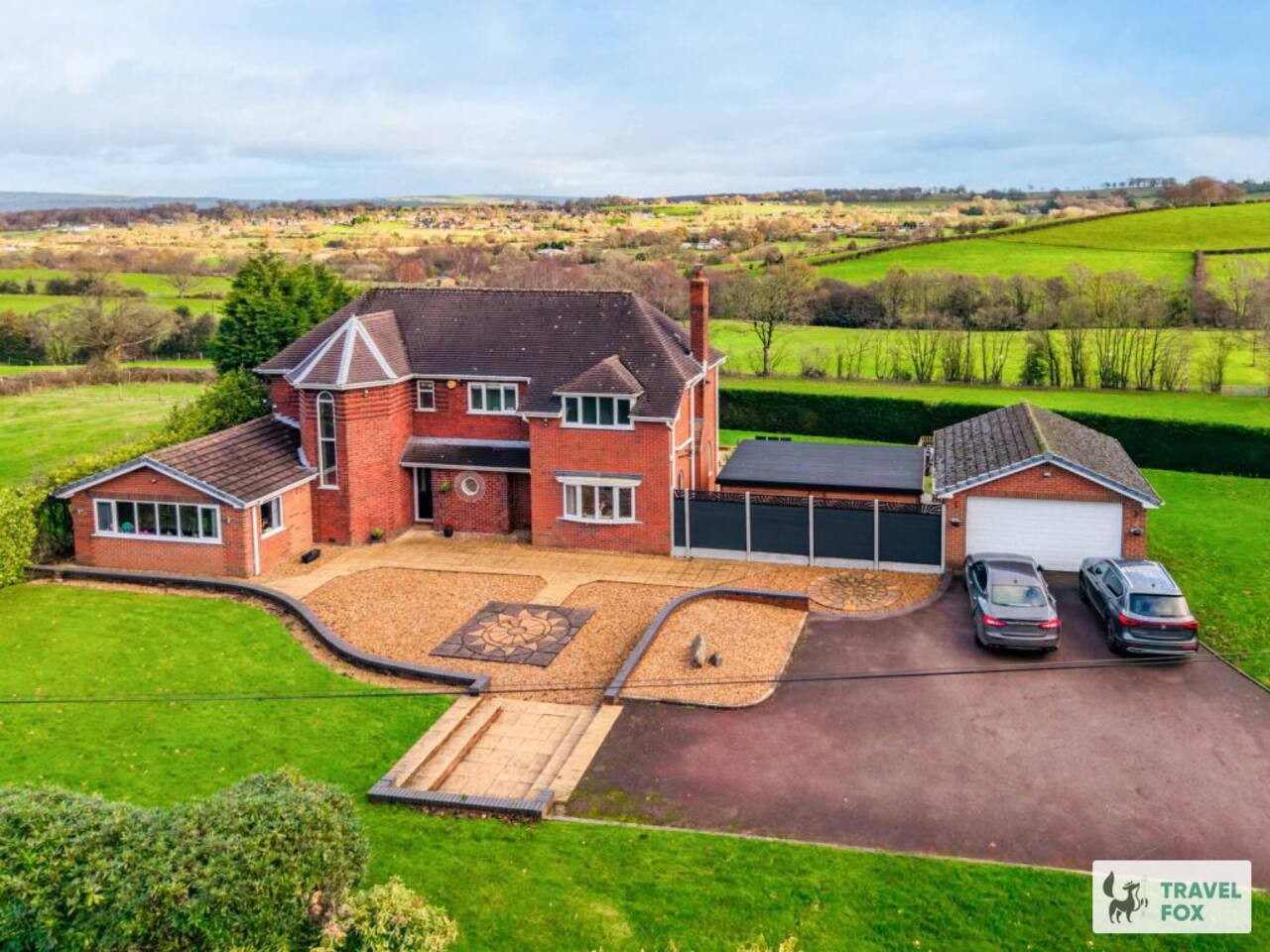
Cheddleton
Greenways House - Parking, Pool Table and Garden!
- Sleeps 10
- 4 bedrooms
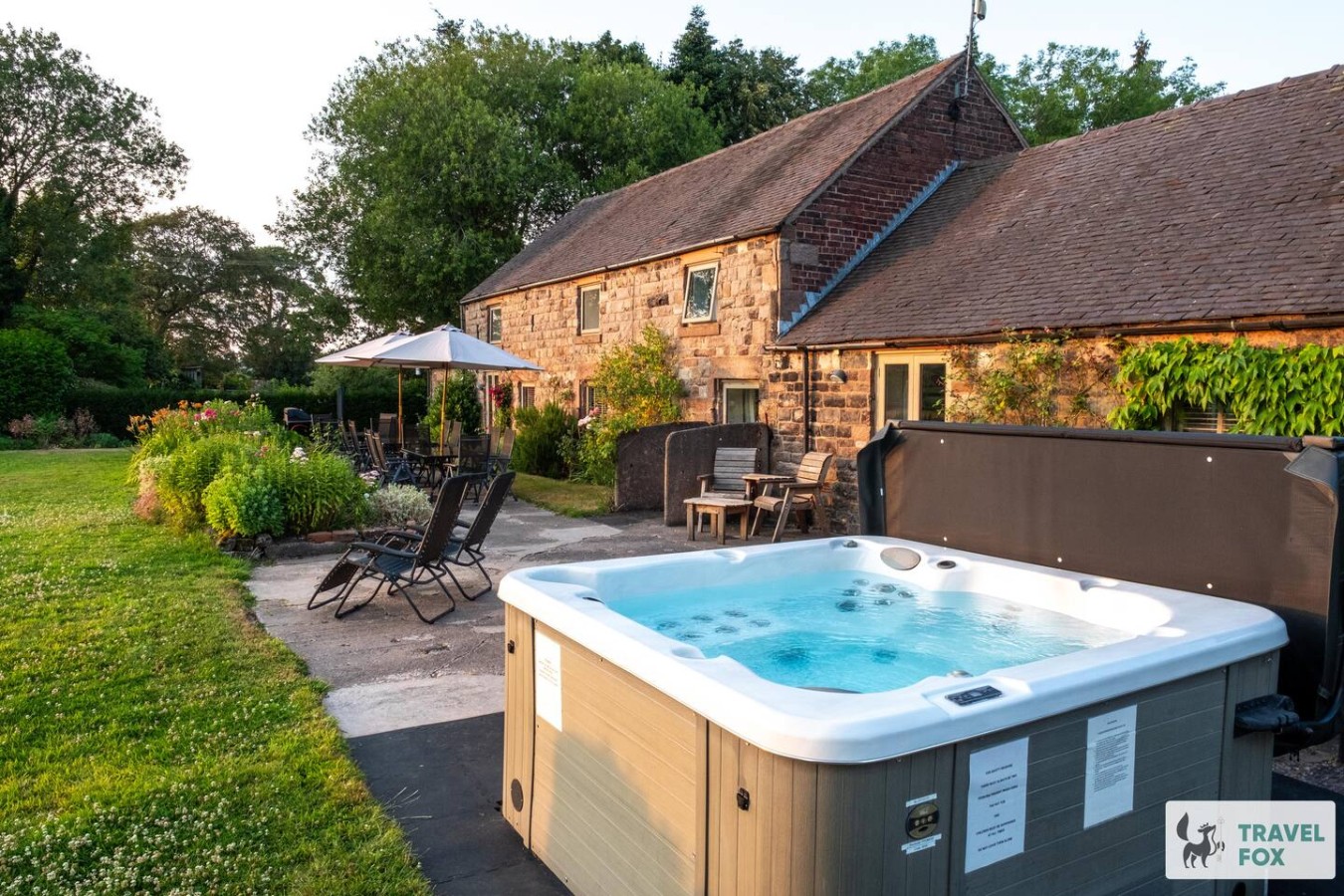
Cheddleton
Lee House Cottage + Annexe
- Sleeps 19
- 8 bedrooms

Leek
Silkwood House | Boutique 4 Bed nr. Peak District
- Sleeps 8
- 4 bedrooms
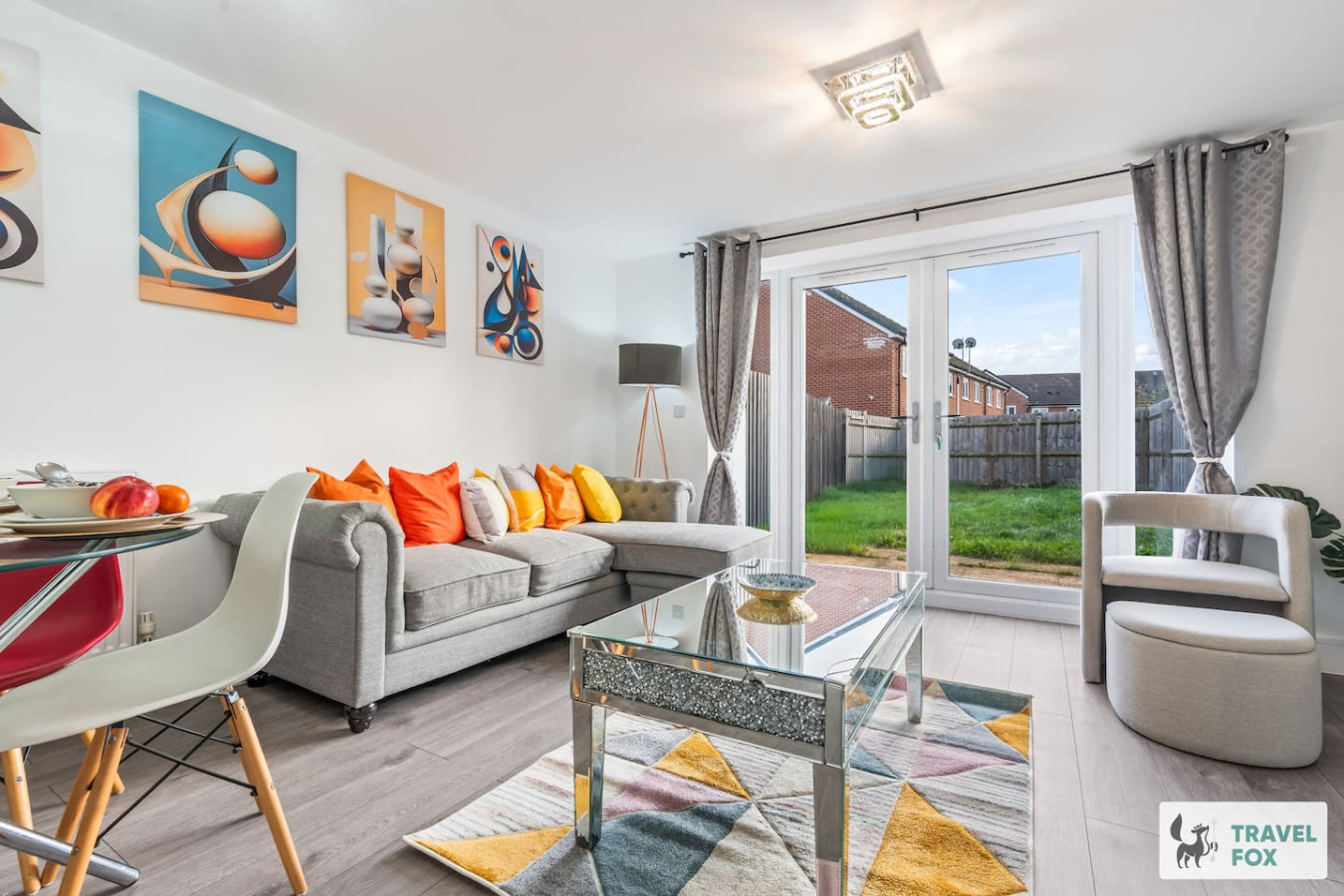
Stoke-on-Trent
Heather's House
- Sleeps 6
- 2 bedrooms
For homeowners
Own a holiday home near Ashley?
We manage holiday lets across Staffordshire from 12% commission, charged after cleaning costs, with no lock-in. A co-founder visits before you decide.
Holiday let management in Staffordshire →
A guide with a point of view
Written from research. Edited for real journeys.
Use the Official site links for live practical details, then use this guide for context, ideas and room to explore.
Photography credits & licences
Third-party photographs are credited to their named creators and reused under the linked Creative Commons licence or public-domain dedication. Travel Fox stores an optimised local copy; the file-specific changes and any browser-applied display crop are disclosed below. Reused photographs link both to the Wikimedia Commons source record and to the declared source image; Travel Fox's own photographs carry no such record and are marked as ours. These image licences do not cover Travel Fox text, branding or page design.
- File:St. John The Baptist Church, Ashley - geograph.org.uk - 6832877.jpg — photograph by Brian Deegan; St. John The Baptist Church, Ashley by Brian Deegan. Source record on Wikimedia Commons. Declared source image. Licence: CC BY-SA 2.0. File changes: Downloaded from Wikimedia Commons, resized to a maximum 1920px edge and encoded as an optimised JPEG. Display changes: Displayed with responsive CSS cropping.
Sources
Every place on this page is checked against a published source. Each entry links the record we used and names who publishes it.
- Church of St John the Baptist — historicengland.org.uk statutory register or public authority record not machine-readable; publisher restricts automated access
- The Peel Arms — camra.org.uk operator, sector body or destination organisation
- Ashley Memorial Hall — ashleymemorialhall.com operator, sector body or destination organisation record not machine-readable; publisher restricts automated access
- Newcastle Way: Ashley and Ashley Heath — staffordshire.gov.uk statutory register or public authority
- Blore Heath Battlefield — historicengland.org.uk statutory register or public authority record not machine-readable; publisher restricts automated access