
Ceramics, heath and waterways
Barlaston
A Staffordshire village where Wedgwood heritage meets canal paths, wooded heath and welcoming places to pause.
- Best for
- Pottery heritage and varied walks
- Two landscapes
- Downs Banks and the Trent & Mersey Canal
- Don't miss
- The V&A Wedgwood Collection
The Fox verdict
A village shaped by clay, canal and countryside
Barlaston combines a major ceramics collection with towpath walking, heathland and a small but useful choice of hospitality stops.
Wedgwood's move from Etruria to a purpose-built garden factory gives Barlaston an industrial story unlike most villages. Balance the collection with the flat Trent & Mersey Canal towpath or the woodland, heath and long views of Downs Banks, then pause at a canalside pub or the restored Upper House.
Where to go
Places in Barlaston
Every place below is checked against a published source, listed with what it is and how long to give it.
Local signatures
3 placesThe Plume of Feathers
A large canalside pub with separate drinking areas, a dining room overlooking the bowling green and dog-friendly bar and garden areas.
- Visit length
- Editorial estimate: Allow around 90 minutes
- Locality
- beside the canal on Station Road
- Access
- Check the Official site for current food service and opening information.
The Upper House
A restored country-house hotel built for Francis Wedgwood, with longstanding Wedgwood family connections and a role in the village Wassail.
- Visit length
- Editorial estimate: Allow around 75 minutes
- Locality
- in Barlaston
- Access
- This is a working hospitality venue; check the Official site before visiting.
Barlaston and Rough Close Common
A 50-acre local nature reserve that adds a second, independently useful outdoor stop to the village area.
- Visit length
- Editorial estimate: Allow around 75 minutes
- Locality
- Barlaston and Rough Close
Walks & outdoors
2 placesDowns Banks
National Trust woodland and heath with a brook, grazing cattle and a high-point pillar identifying distant landmarks on clear days.
- Visit length
- Editorial estimate: Allow around 2 hours
- Locality
- between Barlaston and Stone
- Access
- See the National Trust site for visitor access information.
Trent & Mersey Canal Towpath
A flat, gentle towpath for walking or cycling, with a longer circular option past Wedgwood and around Barlaston Ley.
- Visit length
- Editorial estimate: Allow around 90 minutes
- Locality
- along Barlaston's western side
History & heritage
1 placeWorld of Wedgwood and V&A Wedgwood Collection
The V&A collection of more than 165,000 ceramics, works of art, manuscripts and photographs occupies the site of Wedgwood's purpose-built garden factory.
- Visit length
- Editorial estimate: Allow around 2 hours
- Locality
- at the Wedgwood site in Barlaston
- Access
- Check the Official site for current visitor access and any bookable experiences.
No places match this filter. Choose All places to reset the list.
Three ways to explore Barlaston
Signature outings
See Wedgwood at its Barlaston home
View a selection from the V&A's collection of more than 165,000 objects beside Wedgwood's purpose-built garden factory.
Find the Downs Banks pillar
Walk through woodland and heath to the rock pillar that picks out the Wrekin, Clee Hills and Mow Cop Castle on a clear day.
Follow Wedgwood's canal
Walk or cycle the flat Trent & Mersey towpath through Barlaston, with a longer option past Wedgwood and Barlaston Ley.
The village story
Barlaston Village Guide
Pubs, pottery, heathland and a torchlit tradition beside the Trent & Mersey Canal.
Canalside Welcome at the Plume
At the entrance to the Plume of Feathers there's a slate carving of a dog with a pint, which tells you most of what you need to know before you've even ordered. The pub sits on the corner of Station Road and the Trent & Mersey Canal, next to a railway crossing, looking out over a bowling green, and dogs are welcome in the bar and the front garden that catches walkers and cyclists off the towpath. Neil Morrissey used to run it — the walls still carry photos of him.
Food runs from a Boatman's Lunch of sausage roll, cider-braised ham, chipolatas, cheese and pickles, to a lamb shoulder rogan josh with naan and raita, and a smoked haddock scotch egg with Stornoway black pudding and curry mayonnaise. Doom Bar is the regular, with guest ales from Titanic Brewery and Marston's.
Two Pubs and Village Provisions
Up at the Duke of York, on Longton Road, it's a plainer proposition: front bar, a more comfortable lounge behind, brass plates and old photographs on the walls, crib and dominoes. Steak and ale pie, lasagne, chicken curry, a proper Sunday lunch — mains mostly £8 to £14. It was CAMRA's Potteries Pub of the Month in July 2017, the same honour the Plume of Feathers picked up the year before.
For provisions, Mark's Quality Meats on Orchard Place is a local butcher.
Heath, Towpath and Long Views
The best walking starts at Downs Banks, a National Trust stretch of heath and woodland two miles out, where a rock pillar at the highest point identifies the Wrekin, the Clee Hills and Mow Cop Castle on a clear day, and a small grazing herd keeps the heathland in check.
Closer to home, a canal walk follows the Trent & Mersey — which Josiah Wedgwood helped commission — past the Wedgwood works and around Barlaston Ley. Christopher Somerville, walking the same ground, described arriving to see "the Arts & Crafts houses of Barlaston, the village green and the curious, blockily-designed modern church."
The Old Church and Wedgwood's Move
That church replaced an older one on the Barlaston Hall estate, whose 13th-century tower is the only medieval part left standing. It closed in 1980 after mining subsidence cracked the walls, and has run since 2022 as a venue, St Johns at Barlaston Hall. The Hall itself was nearly lost — derelict, its staircase collapsed — until Wedgwood sold it to Save Britain's Heritage for £1 in 1981, on condition the restoration finished within five years.
Wedgwood moved its entire pottery operation here between 1938 and 1940, out of the smoke of Etruria and into a purpose-built garden factory with electric kilns. The V&A Wedgwood Collection now sits on the same site, over 165,000 objects.
Rail Replacement and a Fiery Tradition
The railway station closed to passengers in 2004; tickets to "Wedgwood and Barlaston" still get you onto the D&G Bus 100, the rail-replacement service two decades on.
On New Year's Eve the village green fills with people carrying twelve Saxon-themed banners, one for each month, processing by torchlight to Downs Banks, with a mummers' play at the Upper House en route and a burning longboat waiting at the Duke of York. Tim Cockin started it in 2004. It is now, by local standards, tradition.
Stay around Staffordshire
Make a longer stay of it
Travel Fox holiday homes around Staffordshire, linked directly to their property pages.
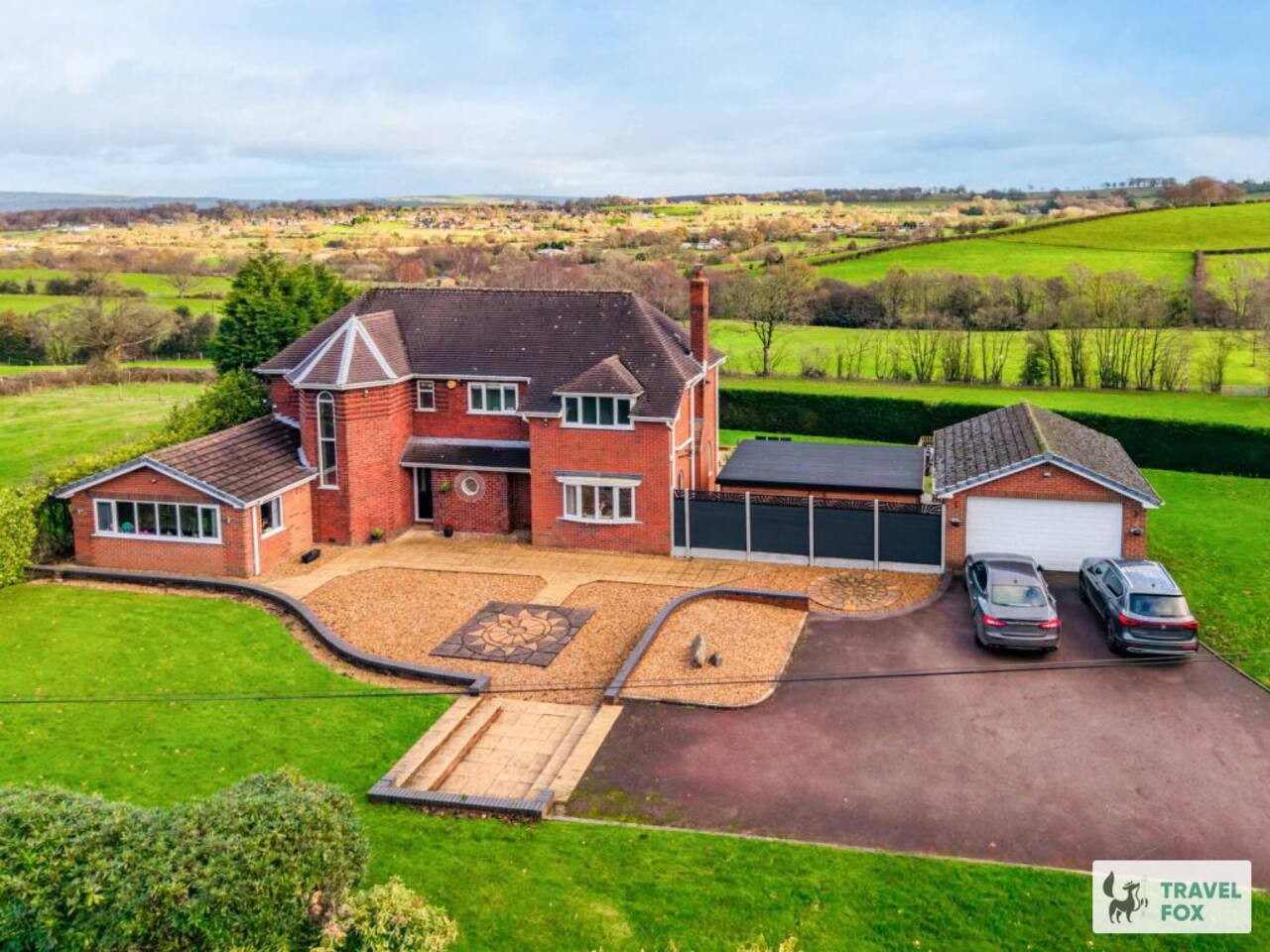
Cheddleton
Greenways House - Parking, Pool Table and Garden!
- Sleeps 10
- 4 bedrooms
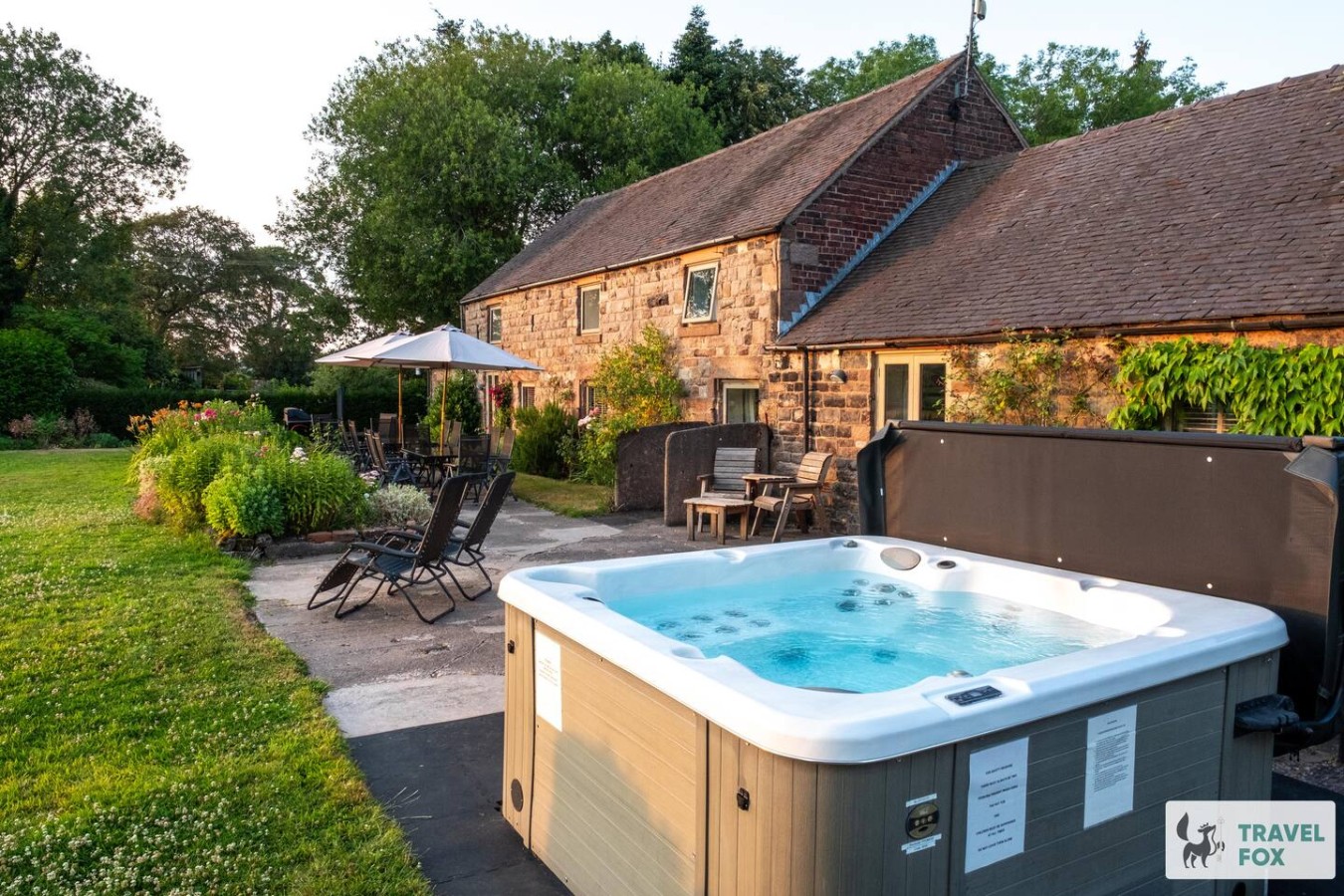
Cheddleton
Lee House Cottage + Annexe
- Sleeps 19
- 8 bedrooms
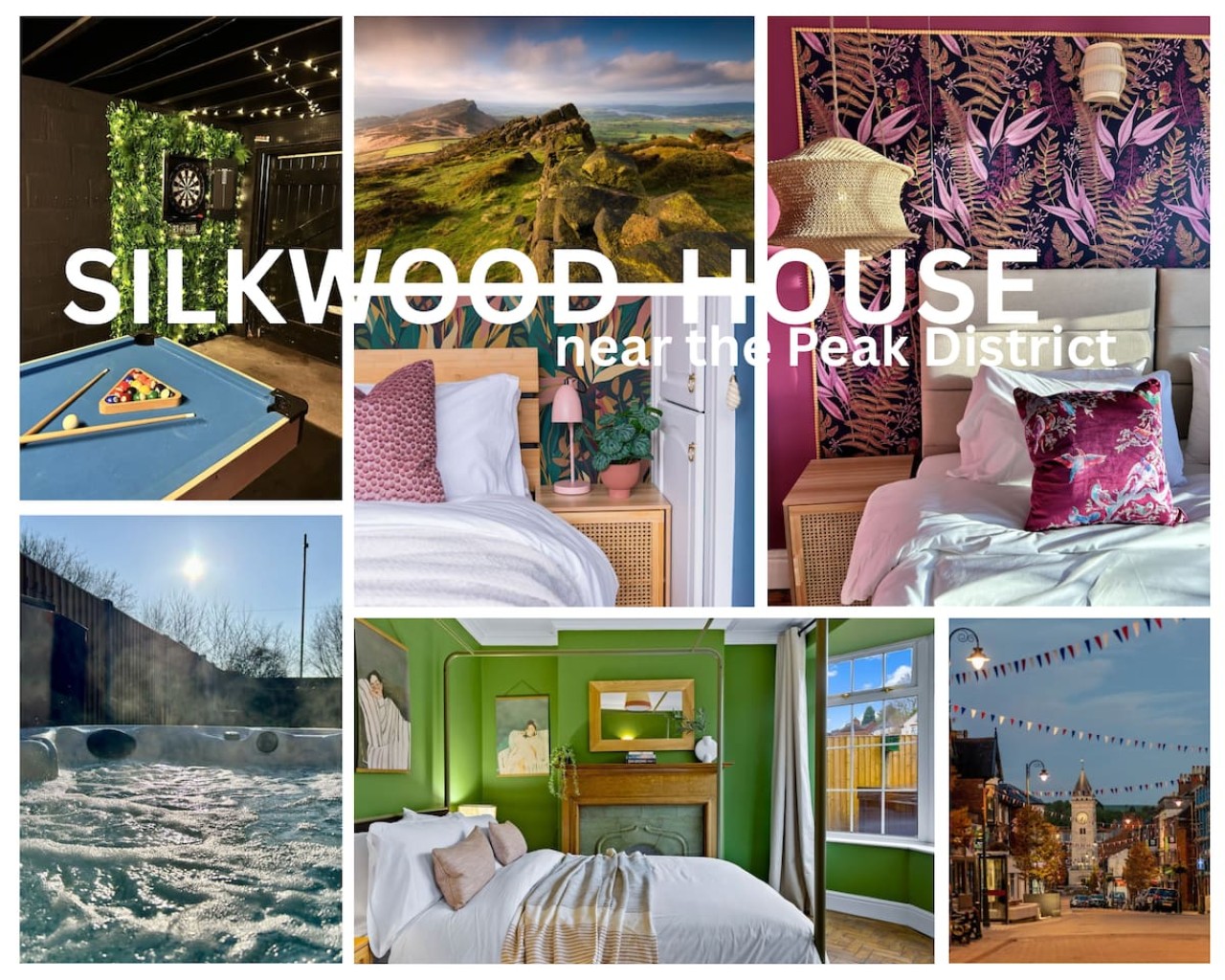
Leek
Silkwood House | Boutique 4 Bed nr. Peak District
- Sleeps 8
- 4 bedrooms
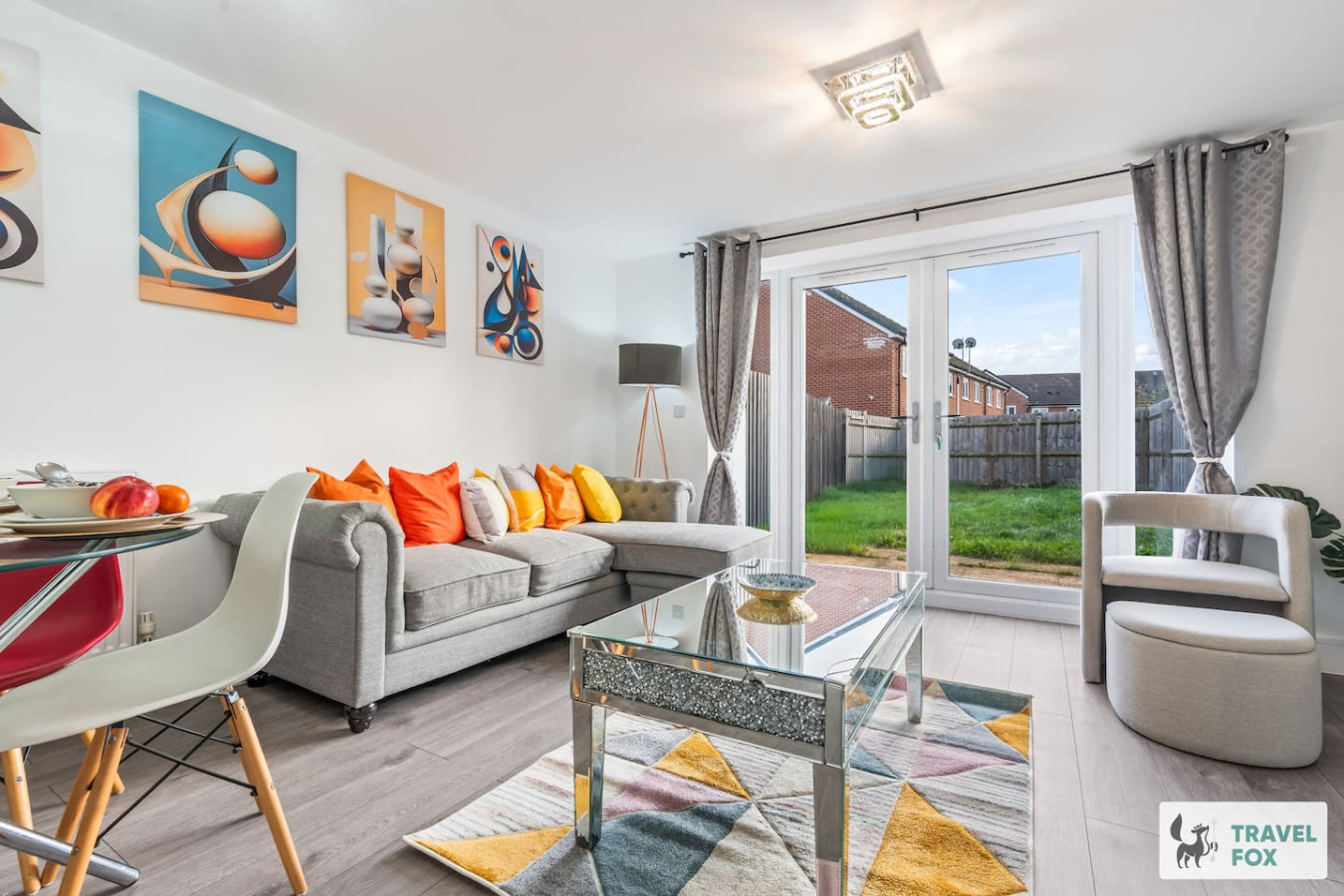
Stoke-on-Trent
Heather's House
- Sleeps 6
- 2 bedrooms
For homeowners
Own a holiday home near Barlaston?
We manage holiday lets across Staffordshire from 12% commission, charged after cleaning costs, with no lock-in. A co-founder visits before you decide.
Holiday let management in Staffordshire →
A guide with a point of view
Written from research. Edited for real journeys.
Use the Official site links for live practical details, then use this guide for context, ideas and room to explore.
Sources
Every place on this page is checked against a published source. Each entry links the record we used and names who publishes it.
- World of Wedgwood and V&A Wedgwood Collection — vam.ac.uk other published source
- Downs Banks — nationaltrust.org.uk national body or asset manager
- Trent & Mersey Canal Towpath — canalrivertrust.org.uk national body or asset manager
- The Plume of Feathers — plumeoffeathersbarlaston.co.uk operator, sector body or destination organisation
- The Upper House — theupperhouse.com operator, sector body or destination organisation
- Barlaston and Rough Close Common — staffordbc.gov.uk statutory register or public authority