

High moor, deep history
Biddulph Moor
A gritstone hilltop of long views, spring-head walks, village stories and a pub built for moorland weather.
- Best for
- Moorland walks, village history and a traditional pub
- Give it
- Editorial estimate: allow a half day, or longer with Biddulph Grange
- Don't miss
- The modest spring head of the River Trent
Photo: Jonathan Kington · CC BY-SA 2.0 · cropped
The Fox verdict
A hilltop village with more range than its size suggests
Come for the ridge and River Trent headwaters; stay for stone-built character and the village's persistent medieval legend.
Biddulph Moor works best as a walking-led visit. The short Trent-source outing, the ridge views and the village's high setting give the day its shape, while Christ Church and the Rose & Crown add built character. Nearby Biddulph Grange supplies a substantial garden visit without turning the village into a list of distant attractions.
Where to go
Places in Biddulph Moor
Every place below is checked against a published source, listed with what it is and how long to give it.
Local signatures
3 placesBiddulph Grange Garden
A Grade I-listed Victorian garden created by James Bateman in the 1840s-1860s and later restored by the National Trust.
- Visit length
- Editorial estimate: allow around 2 hours 30 minutes
- Locality
- Biddulph, near Biddulph Moor
Source of the River Trent
A short footpath outing to the river's modest spring head, where several springs include Trent Head Well.
- Visit length
- Editorial estimate: allow around 1 hour 15 minutes
- Locality
- southern edge of Biddulph Moor
Biddulph Moor Village Hall and Play Park
A children's play park beside the village hall on Hot Lane; the hall hosts celebrations, social groups and fetes.
- Visit length
- Editorial estimate: allow around 30 minutes
- Locality
- Hot Lane, Biddulph Moor
Food & drink
1 place
Rose & Crown
A stone-built Joule's village pub with a quarry-tiled front bar, a log burner and an outdoor Beer Shed.
- Visit length
- Editorial estimate: allow around 1 hour
- Locality
- New Street, Biddulph Moor
History & heritage
1 placeChrist Church
A Grade II-listed church of 1863 in Neo-Norman style, built of coursed stone with a west porch, nave and chancel.
- Visit length
- Editorial estimate: allow around 30 minutes
- Locality
- Church Lane, Biddulph Moor
No places match this filter. Choose All places to reset the list.
Three ways to explore Biddulph Moor
Signature outings
Follow Bateman's garden vision
Give nearby Biddulph Grange time for a substantial Victorian garden visit created by James Bateman and restored by the National Trust.
Take the moorland pub seat
The Rose & Crown pairs its stone-built village character with a quarry-tiled bar, log burner and outdoor Beer Shed.
Read the Neo-Norman stonework
Christ Church brings a compact 1863 landmark of coursed stone and Neo-Norman design to Church Lane.
The village story
Pubs, headwaters and the long memory of the moor
Two village pubs lead into high views, a modest river source and a story that has stayed alive for centuries.
A pub built for moorland weather
Tractors and horses turn up often enough in the Rose & Crown's car park that nobody remarks on it. It's a moorland pub, stone-built at the turn of the last century, with a quarry-tiled front bar and a log burner in the lounge. It sits on New Street and belongs to Joule's Brewery of Market Drayton, so the pumps run Joule's Pale Ale, Slumbering Monk, Pure Blonde and a craft lager called Green Monkey, plus a rotating seasonal ale.
Past menu highlights include homemade pies, stone-baked Italian pizza advertised as exclusive to the pub, and a Sunday lunch praised as amazing value for money. Dogs are welcome, and the Beer Shed out back provides an outdoor drinking space.
The other local and the missing shop
The other pub, the Foxhound on Hot Lane, is a free house that reopened in 2016 after a refurbishment split it into three areas around a central log burner. It serves home-cooked food made with local produce, with Bass, London Pride and Beartown Brewery beers across three hand pumps.
There's no working shop in Biddulph Moor now. Older accounts mention a post office, two further shops and a pharmacy, none traceable today.
High ground and headwaters
Biddulph Moor sits on a gritstone hilltop over 300 metres up. On a clear day, views stretch across the Staffordshire and Cheshire plains to the Welsh mountains, Jodrell Bank and the Wrekin.
A shorter outing follows the fingerposted public footpath off Barrage Road and crosses a stile into the field containing Trent Head Well, one of the springs at the source of the River Trent. For a river 185 miles long, the Trent has an incredibly modest start.
A village hall and an older claim
Biddulph Moor Village Hall stands beside the children's play park on Hot Lane and hosts wedding receptions, birthday parties, social groups and fetes.
The village's other claim is older and stranger. Local historian John Sleigh wrote in 1862 that a Crusader lord of Biddulph had brought back a "Paynim" — a Saracen — from the Holy Land and made him bailiff of his estate, and that the moor's families descend from his marriage to an Englishwoman. The Bailey surname is common here, and locals were once nicknamed the Pinkies, the Bluies and the Cabbages. There's no Domesday entry for Biddulph Moor itself; the parent manor was recorded as waste, meaning it paid no tax at all.
A photograph in a pub taproom
The Saracen story is unproven but survives in local memory. A circa-1965 photograph taken in a pub taproom shows Dick Gent, locally rumoured to have descended from the Saracen settlers, keeping the nine-hundred-year-old tale alive.
Stay around Staffordshire
Make a longer stay of it
Travel Fox holiday homes around Staffordshire, linked directly to their property pages.
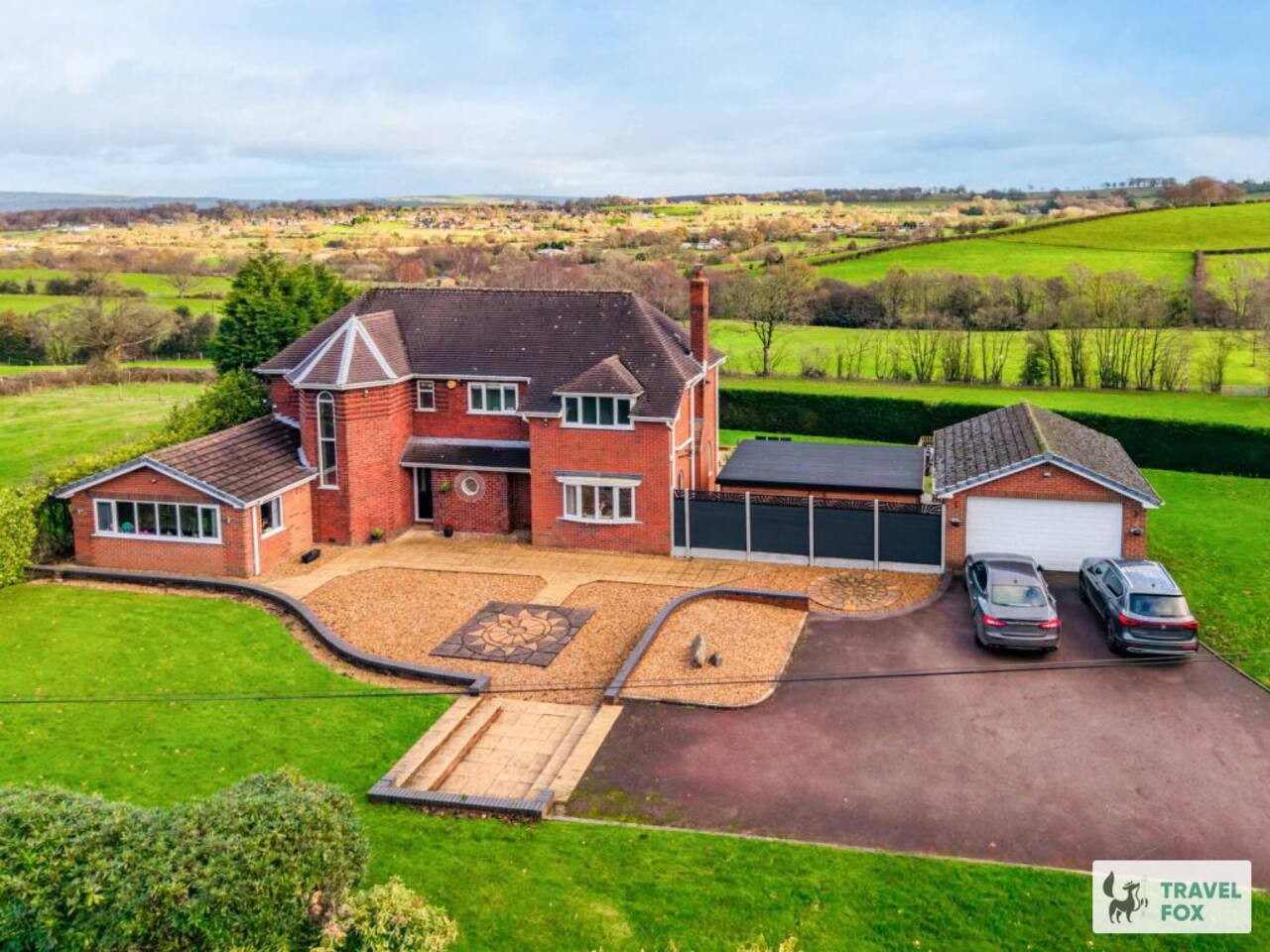
Cheddleton
Greenways House - Parking, Pool Table and Garden!
- Sleeps 10
- 4 bedrooms
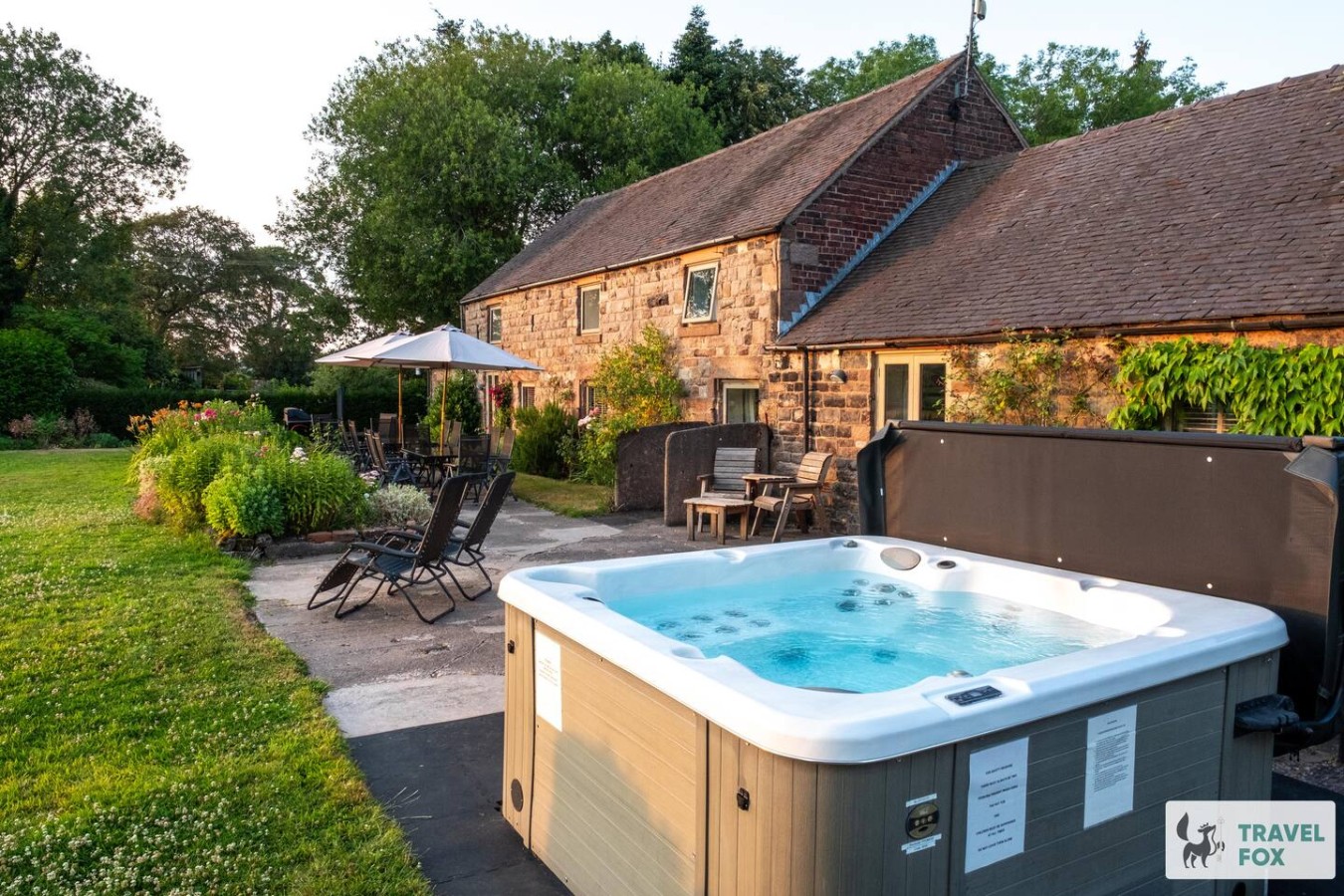
Cheddleton
Lee House Cottage + Annexe
- Sleeps 19
- 8 bedrooms
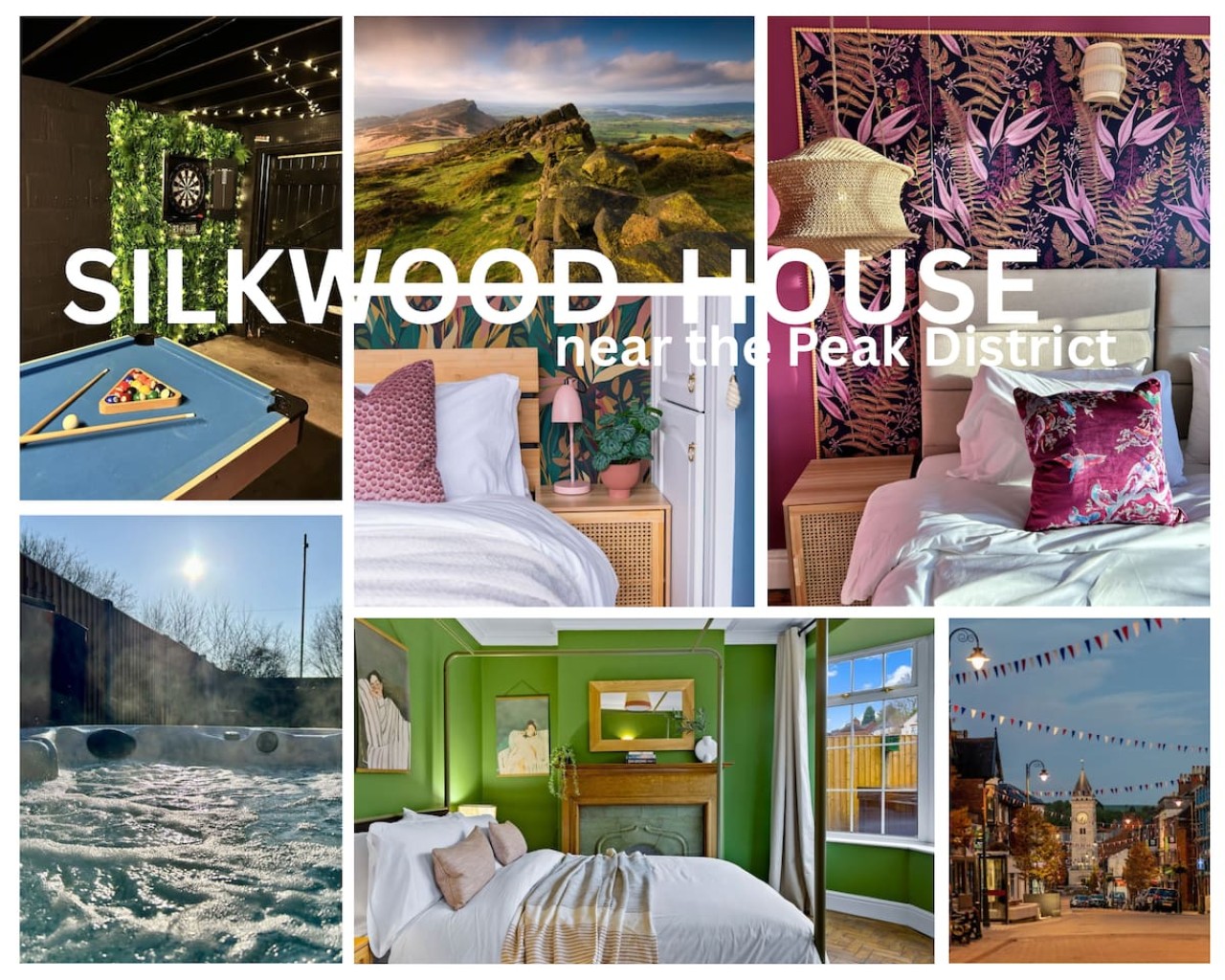
Leek
Silkwood House | Boutique 4 Bed nr. Peak District
- Sleeps 8
- 4 bedrooms
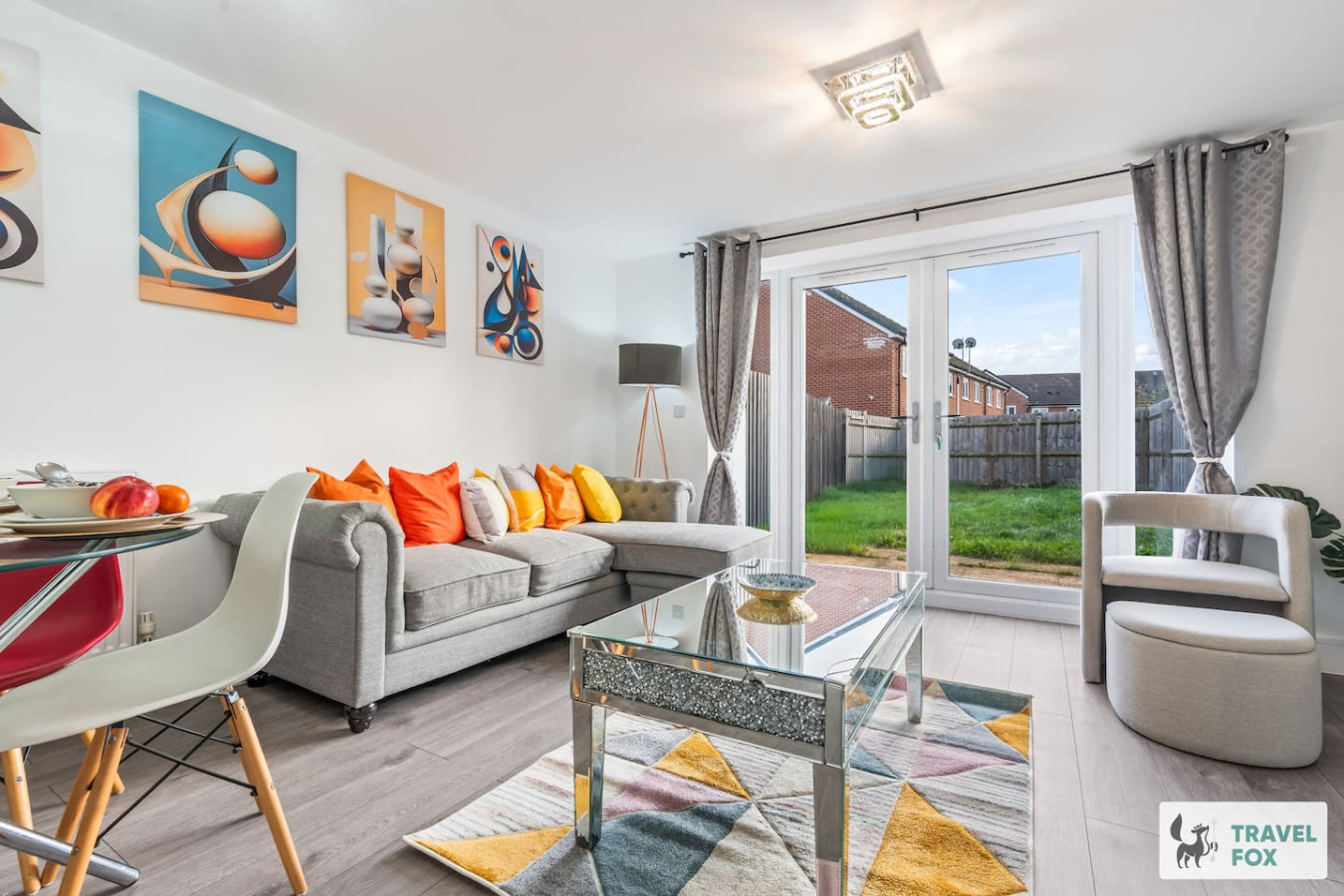
Stoke-on-Trent
Heather's House
- Sleeps 6
- 2 bedrooms
For homeowners
Own a holiday home near Biddulph Moor?
We manage holiday lets across Staffordshire from 12% commission, charged after cleaning costs, with no lock-in. A co-founder visits before you decide.
Holiday let management in Staffordshire →
A guide with a point of view
Written from research. Edited for real journeys.
Use the Official site links for live practical details, then use this guide for context, ideas and room to explore.
Photography credits & licences
Third-party photographs are credited to their named creators and reused under the linked Creative Commons licence or public-domain dedication. Travel Fox stores an optimised local copy; the file-specific changes and any browser-applied display crop are disclosed below. Reused photographs link both to the Wikimedia Commons source record and to the declared source image; Travel Fox's own photographs carry no such record and are marked as ours. These image licences do not cover Travel Fox text, branding or page design.
- File:Rose and Crown - geograph.org.uk - 2225539.jpg — photograph by Jonathan Kington; Rose and Crown by Jonathan Kington. Source record on Wikimedia Commons. Declared source image. Licence: CC BY-SA 2.0. File changes: Downloaded from Wikimedia Commons, resized to a maximum 1920px edge and encoded as an optimised JPEG. Display changes: Displayed with responsive CSS cropping.
Sources
Every place on this page is checked against a published source. Each entry links the record we used and names who publishes it.
- Biddulph Grange Garden — nationaltrust.org.uk national body or asset manager
- Rose & Crown — camra.org.uk operator, sector body or destination organisation
- Christ Church — historicengland.org.uk statutory register or public authority record not machine-readable; publisher restricts automated access
- Source of the River Trent — thetrentvalley.org.uk operator, sector body or destination organisation
- Biddulph Moor Village Hall and Play Park — register-of-charities.charitycommission.gov.uk statutory register or public authority