

Reservoir, woodland and Bagot history
Blithfield
A scattered Staffordshire parish where waymarked trails, watersports and seven centuries of Bagot history gather around a 790-acre reservoir.
- Reservoir
- 790 acres
- Waymarked walks
- Three routes
- Nearest station
- Rugeley Trent Valley, about 4.5 miles
Photo: Rod Grealish · CC BY-SA 2.0 · cropped
The Fox verdict
Come for a slow day shaped by the water
Blithfield has no conventional village centre: its strongest visits combine a reservoir activity with the parish church and a nearby food stop.
Choose a short waymarked circuit for woodland and wetland, or make the reservoir itself the activity through the sailing club. St Leonard's supplies the close-up history; Hixon and Abbots Bromley supply the pub tables, pies and cheese that Blithfield lacks.
Where to go
Places in Blithfield
Every place below is checked against a published source, listed with what it is and how long to give it.
Local signatures
3 placesBlithfield Walks
Pick a 1.25-mile woodland circuit, a 1.75-mile wetland route or a 2.75-mile route through Stansley Wood, known for its bluebells and wildflower meadow.
- Visit length
- Editorial estimate: 1 hr 30 min
- Locality
- Newton Hurst Lane, near Blithfield
- Access
- Dogs are welcome on leads.
Blithfield Sailing Club
An RYA-recognised training centre for dinghy sailing, windsurfing and wing foiling, with junior and adult courses and racing on the reservoir.
- Visit length
- Editorial estimate: 2 hr 30 min
- Locality
- South-east shore of Blithfield Reservoir
- Access
- Participation is through the club's courses and events.
Bank House Inn
A 17th-century former farmhouse pub with a surviving malt cellar, Titanic real ales, traditional British food and wood-fired pizza.
- Visit length
- Editorial estimate: 1 hr 15 min
- Locality
- Hixon
- Access
- A 17th-century former farmhouse pub in Hixon.
Food & drink
3 placesThe Goats Head
A 17th-century timber-framed pub facing the Market Place, with beamed rooms, an open fire and a room linked by tradition to Dick Turpin.
- Visit length
- Editorial estimate: 1 hr 15 min
- Locality
- Abbots Bromley
- Access
- Public bar and lounge, garden and real fire.
Wilson's Butchers
Wilson's Butchers now trades from a small shop signed 'Pie Shak' at High Ash Farm on Goose Lane.
- Visit length
- Editorial estimate: 25 min
- Locality
- High Ash Farm, Abbots Bromley
- Access
- The shop is signed 'Pie Shak' at High Ash Farm, Goose Lane, WS15 3DF.
The Cheese Locker
An award-winning cheesemonger with a wide range of British and Continental cheeses.
- Visit length
- Editorial estimate: 25 min
- Locality
- High Ash Courtyard, Abbots Bromley
- Access
- The cheesemonger is at High Ash Courtyard in Abbots Bromley.
History & heritage
1 place
St Leonard's Church, Blithfield
A Grade I church with a core dating from around 1300, Bagot family tombs, ancient stained glass and a floor paved in Minton tiles.
- Visit length
- Editorial estimate: 45 min
- Locality
- Blithfield
- Access
- Access is managed by the church.
No places match this filter. Choose All places to reset the list.
Three ways to explore Blithfield
Signature outings
Trade open water for Stansley Wood
Start at Newton Hurst Lane and choose the blue-and-yellow circuit for woodland and seasonal bluebells rather than attempting to circle the entire lake.
Look down for the Minton-tiled floor
When the church is accessible, move from the medieval fabric and 1525 tower glass to the Bagot tombs and the Minton tiles underfoot.
Settle into a timber-framed pub
The Goats Head adds beams, an open fire and the local Dick Turpin tradition to a day otherwise dominated by water and woodland.
The village story
Water, woodland and the Bagot inheritance
Follow reservoir paths, parish history and nearby food stops through a scattered Staffordshire landscape.
A reservoir parish
Blithfield Reservoir occupies much of the parish, leaving a scatter of hamlets — Admaston and Newton — alongside the estate and a herd of goats that has run semi-wild in the surrounding parkland since the 1380s.
Blithfield has no pub or shop of its own. The reservoir covers 790 acres, reaches 16 metres deep and is fed by the River Blithe, the Little Blithe and Tad Brook. The B5013 crosses it on a causeway; Rugeley Trent Valley is the nearest station, about four and a half miles south.
Ways into the landscape
On the water, Blithfield Sailing Club offers dinghy sailing, windsurfing and wing foiling through RYA-recognised training and racing. Blithfield Anglers provides more than eleven miles of bank fishing, boat fishing and day permits, with a four-fish limit.
Three waymarked walks start at the free Newton Hurst Lane car park: a 1.25-mile blue woodland route, a 1.75-mile red wetland route and a 2.75-mile blue-and-yellow route through Stansley Wood, with bluebells and a wildflower meadow. A longer loop of about 5.6 miles runs past Admaston towards Abbots Bromley, and the variety of paths rewards a return visit.
Food stops and local tradition
Hixon's Bank House Inn is a 17th-century former farmhouse with a surviving malt cellar, Titanic real ales, traditional British food and wood-fired pizza. In Abbots Bromley, The Goats Head is a 17th-century timber-framed pub with beamed rooms and a room linked by tradition to Dick Turpin and Black Bess.
Wilson's Butchers trades from a small shop signed 'Pie Shak' at High Ash Farm on Goose Lane, while The Cheese Locker is based at High Ash Courtyard. The Abbots Bromley Horn Dance follows a route through the area to Blithfield Hall, carrying reindeer antlers including one dated to the 11th century.
Church, estate and Bagots
St Leonard's Church is Grade I listed and has a core dating from around 1300; its chancel was restored by Pugin in 1851. Inside are Bagot family tombs, Minton tiles and tower stained glass from 1525, while the churchyard contains the grave of a First World War Royal Flying Corps officer.
The Bagot family has been associated with Blithfield since 1360. Blithfield Hall is mainly Elizabethan, with a neo-Gothic front remodelled in the 1820s; its Orangery was designed by James “Athenian” Stuart and built in 1769. After Blithfield Hall was sold to the water company, Lord Bagot bought it back; Lady Bagot bought it from him in 1959. In 1986, the Hall was divided into four residences, and the part containing the Great Hall remains the Bagot family home.
The lost settlement and its goats
Domesday valued the whole manor at £1. The late-Saxon settlement had vanished by 1334, leaving a reservoir landscape shaped by the lost village and the later estate.
The Bagot goats were given to John Bagot by Richard II after a hunting day in Bagot's Park around 1380. They have remained semi-wild for more than six centuries and are among Britain's oldest goat breeds, now classed as vulnerable.
Stay around Staffordshire
Make a longer stay of it
Travel Fox holiday homes around Staffordshire, linked directly to their property pages.
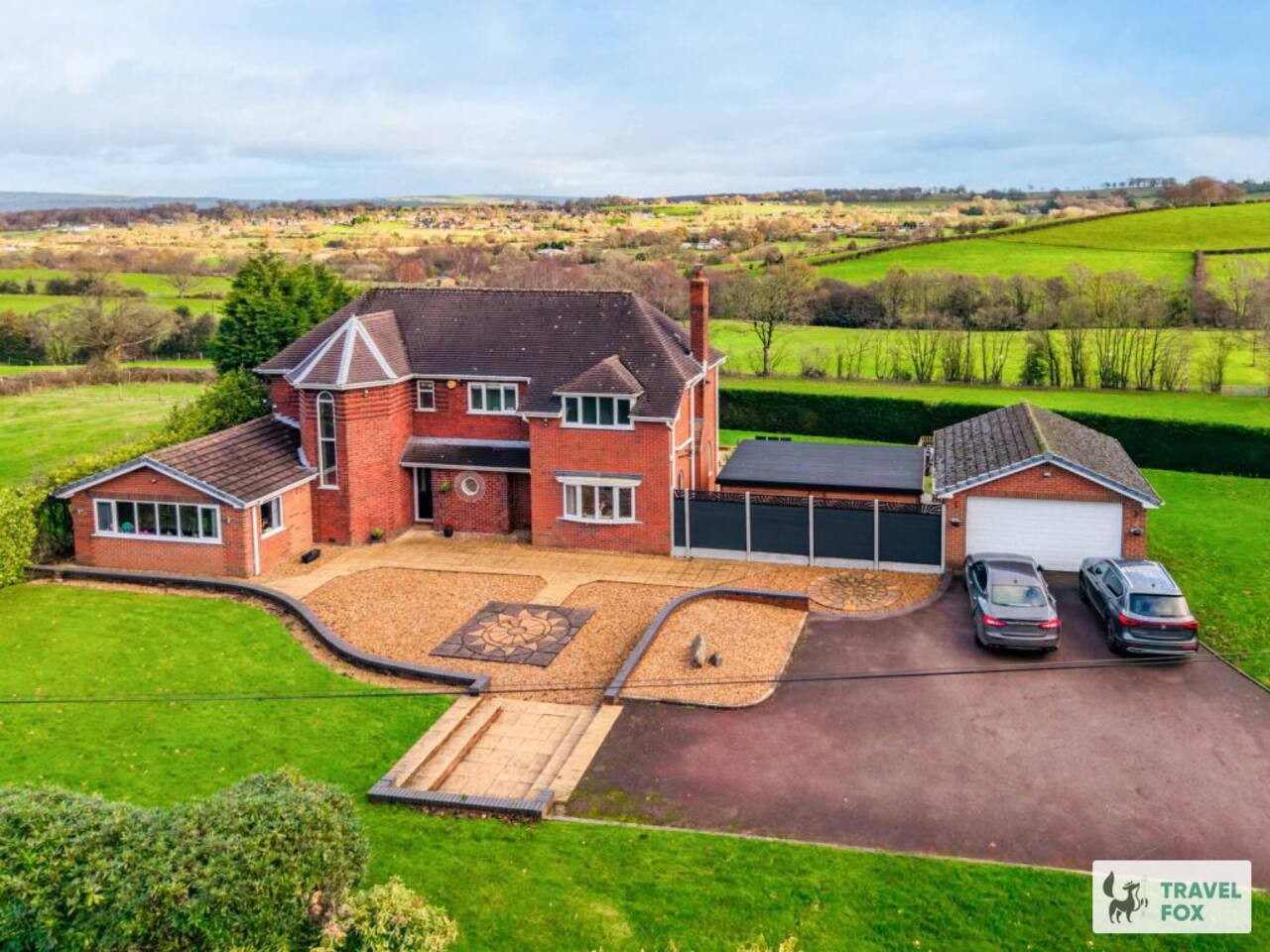
Cheddleton
Greenways House - Parking, Pool Table and Garden!
- Sleeps 10
- 4 bedrooms
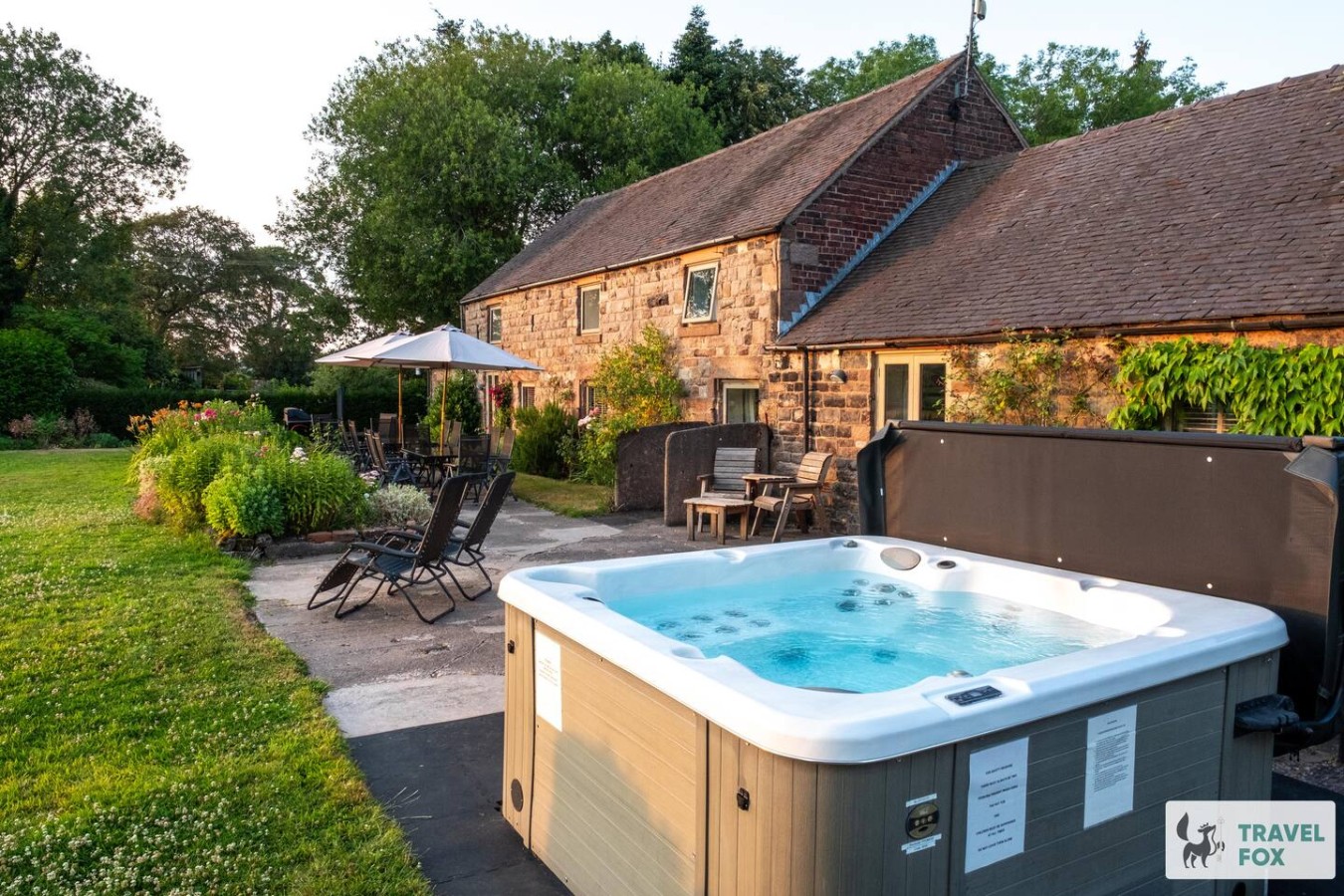
Cheddleton
Lee House Cottage + Annexe
- Sleeps 19
- 8 bedrooms
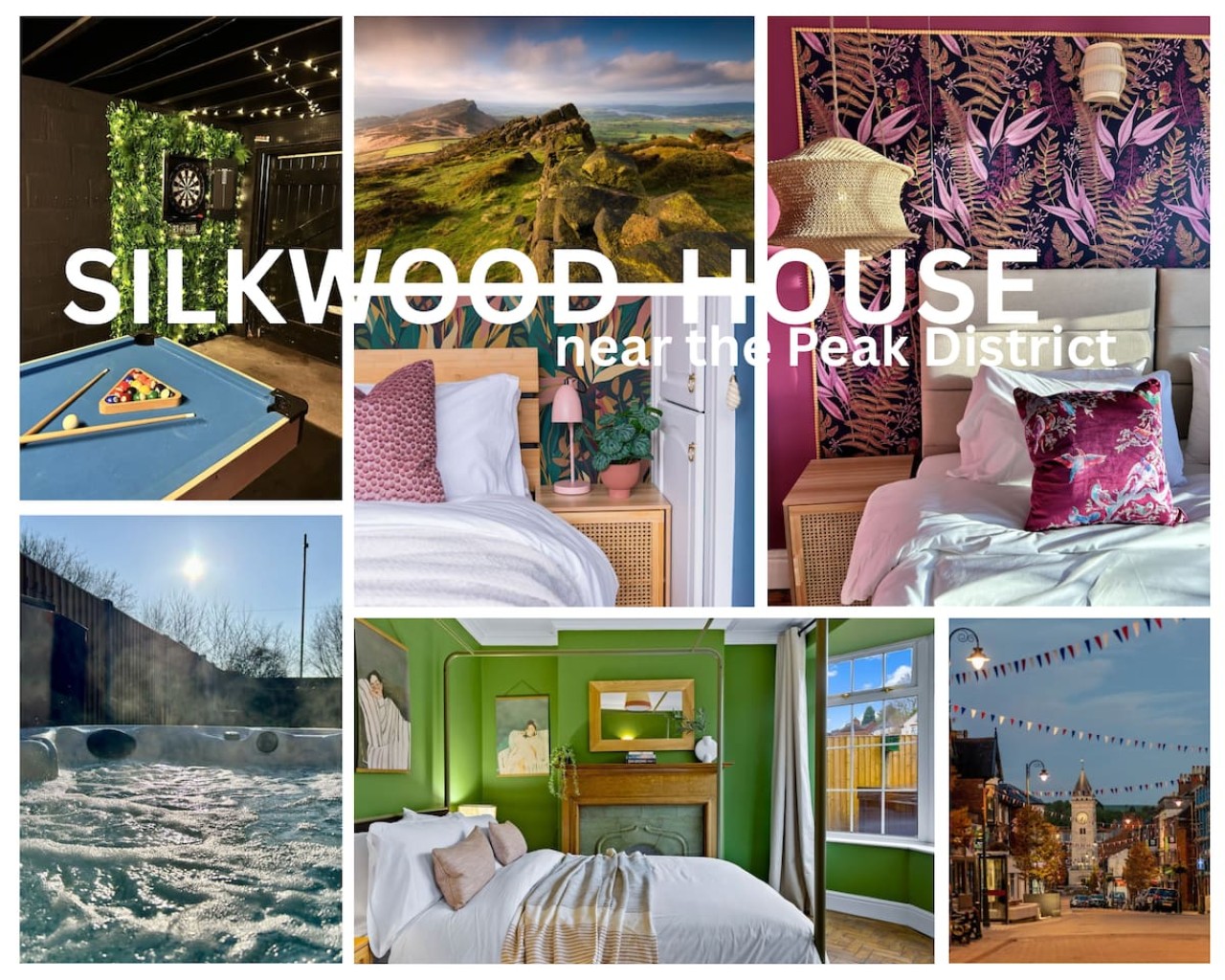
Leek
Silkwood House | Boutique 4 Bed nr. Peak District
- Sleeps 8
- 4 bedrooms
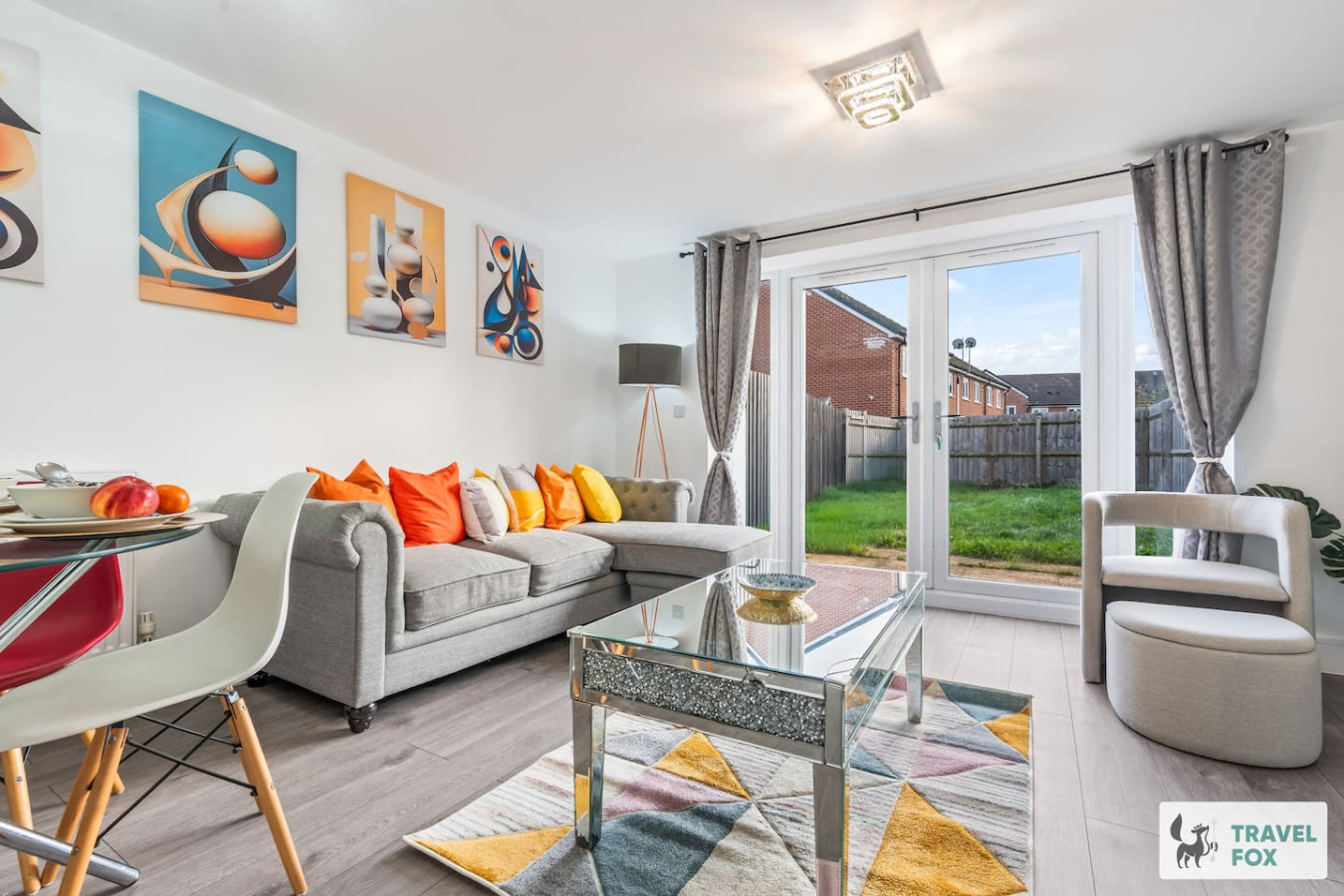
Stoke-on-Trent
Heather's House
- Sleeps 6
- 2 bedrooms
For homeowners
Own a holiday home near Blithfield?
We manage holiday lets across Staffordshire from 12% commission, charged after cleaning costs, with no lock-in. A co-founder visits before you decide.
Holiday let management in Staffordshire →
A guide with a point of view
Written from research. Edited for real journeys.
Use the Official site links for live practical details, then use this guide for context, ideas and room to explore.
Photography credits & licences
Third-party photographs are credited to their named creators and reused under the linked Creative Commons licence or public-domain dedication. Travel Fox stores an optimised local copy; the file-specific changes and any browser-applied display crop are disclosed below. Reused photographs link both to the Wikimedia Commons source record and to the declared source image; Travel Fox's own photographs carry no such record and are marked as ours. These image licences do not cover Travel Fox text, branding or page design.
- File:Tower of St Leonard's church, Blithfield Estate, Staffordshire - geograph.org.uk - 8278307.jpg — photograph by Rod Grealish; Tower of St Leonard's church, Blithfield Estate, Staffordshire by Rod Grealish. Source record on Wikimedia Commons. Declared source image. Licence: CC BY-SA 2.0. File changes: Downloaded from Wikimedia Commons, resized to a maximum 1920px edge and encoded as an optimised JPEG. Display changes: Displayed with responsive CSS cropping.
Sources
Every place on this page is checked against a published source. Each entry links the record we used and names who publishes it.
- Blithfield Walks — discovereaststaffordshire.com operator, sector body or destination organisation
- Blithfield Sailing Club — blithfield.org.uk operator, sector body or destination organisation
- St Leonard's Church, Blithfield — achurchnearyou.com national body or asset manager
- Bank House Inn — thebankhousehixon.co.uk operator, sector body or destination organisation
- The Goats Head — camra.org.uk operator, sector body or destination organisation
- Wilson's Butchers — ratings.food.gov.uk statutory register or public authority
- The Cheese Locker — thecheeselocker.com operator, sector body or destination organisation