

Quiet lanes, deep history
Blymhill
A tranquil South Staffordshire village where medieval church fabric, parish paths and community life lead into parkland and royal history.
- Best for
- Church history, gentle countryside and heritage outings
- Give it
- Editorial estimate: half a day, or longer with Weston Park
- Don't miss
- The medieval fabric and stone coffin at St Mary's
Photo: Ian S · CC BY-SA 2.0 · cropped
The Fox verdict
A small village with a wide historical orbit
Blymhill suits visitors who value quiet places, parish footpaths and one exceptional medieval church more than a busy high street.
Begin beside St Mary's and the village hall, then use the wider parish as the key to the day. Weston Park brings Capability Brown parkland and family facilities, while Boscobel House and White Ladies Priory turn a short drive into a connected chapter of Charles II's escape.
Where to go
Places in Blymhill
Every place below is checked against a published source, listed with what it is and how long to give it.
Local signatures
3 places
Start here
St Mary's Church, Blymhill
A Grade I church with a mid-14th-century core, an Early English south aisle, a Decorated chancel and a Perpendicular tower, substantially restored by George Edmund Street in 1858–59.
- Visit length
- Editorial estimate: Allow around 35 minutes
- Locality
- beside the village hall in Blymhill
- Access
- The research does not establish regular public opening, so check locally before relying on an interior visit.
Blymhill Play Area
The Blymhill half of the parish's two play areas sits within a playing field; the parish council has updated both areas within the last decade and arranges annual safety inspections.
- Visit length
- Editorial estimate: Allow around 45 minutes
- Locality
- within a playing field in Blymhill
Weston Park
A 17th-century house in 1,000 acres of Capability Brown parkland, with gardens, an outdoor adventure playground, miniature railway, café, art gallery, restaurant and events programme.
- Visit length
- Editorial estimate: Allow around 3 hours
- Locality
- in the same parish at Weston-under-Lizard
History & heritage
2 placesBoscobel House & The Royal Oak
The house where Charles II hid after the Battle of Worcester in 1651, associated with the famous Royal Oak and paired naturally with nearby White Ladies Priory.
- Visit length
- Editorial estimate: Allow around 90 minutes
- Locality
- at Boscobel, Shropshire
White Ladies Priory
The ruins of an Augustinian priory near Boscobel, linked to the same short walking circuit and to the story of Charles II's flight after the Battle of Worcester.
- Visit length
- Editorial estimate: Allow around 40 minutes
- Locality
- at Boscobel, Shropshire
Things to do
1 placeBlymhill & Weston-Under-Lizard Village Hall
Rebuilt and opened in 2011, the hall supports village social life with a licensed bar, snooker, weekly sports sessions, classes and a monthly film club.
- Visit length
- Editorial estimate: Allow around 60 minutes for an advertised activity
- Locality
- next to St Mary's Church
- Access
- The hall hosts christenings, weddings, sports and social activities, and a monthly film club.
No places match this filter. Choose All places to reset the list.
Three ways to explore Blymhill
Signature outings
Read centuries in stone
At St Mary's, compare the Early English aisle, Decorated chancel and Perpendicular tower before looking for the weathered stone coffin in the south chancel wall.
Find the Royal Oak story
Boscobel House is the place associated with Charles II's hiding after the Battle of Worcester and the famous Royal Oak.
Pause at White Ladies
White Ladies Priory adds ruined Augustinian stonework to the same short circuit as Boscobel House.
The village story
Blymhill: parish life, medieval stone and royal history
The original Travel Fox guide moves from the village hall and vanished amenities through paths, church architecture and manor history to St Chad's tradition and Blymhill's modern connections.
Village life and the wider parish
The Blymhill & Weston-Under-Lizard Village Hall stands next to St Mary's Church with a licensed bar, snooker tables and SKY Sports on for football, rugby, golf, F1 and tennis. It reopened in September 2011 after a rebuild, and now runs weekly darts and short mat bowling nights, dance and fitness classes, and a monthly film club.
There is no pub in Blymhill itself. Wrestlers Farm, on the edge of the village, was once the Wrestlers Inn, where wrestling matches and cock fights are said to have taken place; it's a farm now, and the fighting is over. The post office, established in 1862, closed on 29 August 2000. What's left for food, drink and diversion is a short drive away at Weston Park, the Capability Brown parkland that shares the same parish, which has a café, a restaurant, an art gallery, a miniature railway and an outdoor adventure playground across its 1,000 acres.
Footpaths and medieval stonework
Public footpaths cross the village and the surrounding parish, and South Staffordshire District Council rates it a popular spot for walkers. Further afield, an easy 1.9-mile circuit links Boscobel House, where Charles II hid after the Battle of Worcester, with the ruins of White Ladies Priory; Boscobel House is about 3.1 miles from Blymhill in a straight line, with a longer journey by road. The terrain around Blymhill is historic parkland and farm track, mostly flat.
St Mary's Church has a mid-14th-century core, built during the incumbency of Stephen de Bromley, rector from 1349. An arched recess in the south chancel wall holds a weathered stone coffin thought to be his. The tower is Perpendicular Gothic, the chancel Decorated, the south aisle Early English, and George Edmund Street restored and extended the lot in 1858-59, adding the oak choir stalls, pews, pulpit and font still in use. A Victorian county directory recorded simply that the church "is ancient, and was repaired in 1859; it contains memorials to the Dickenson family." It's Grade I listed.
Manor history on the rise
Up on a rise above the village sits High Hall, a late-17th-century farmhouse of red brick with a dog-leg staircase and a steeply pitched tile roof, said to occupy the site of the residence of William Bagot, lord of Blymhill under Henry II. A county directory called it "seated on a beautiful eminence." The Domesday survey of 1086 recorded the manor at seven villagers, four smallholders and one slave, worth £1 a year to its lord, Warin of Malicorne, held before the Conquest jointly by five brothers.
A well on the border
Tradition also has St Chad preaching near Blymhill in the 7th century and consecrating a well a mile northwest towards the Shropshire border, at what's now Great Chatwell; it's that hamlet's name, not Blymhill's, that may derive from the well.
Connections and community rhythm
Shifnal, on the Wolverhampton-Shrewsbury line, is the nearest station, and Watling Street, now the A5, runs close by. Brewood, a market town with roots in Anglo-Saxon times, is six miles off. Most weeks, though, the darts players and short mat bowlers at the village hall are probably closer to the point of the place than any of that.
Stay around Staffordshire
Make a longer stay of it
Travel Fox holiday homes around Staffordshire, linked directly to their property pages.
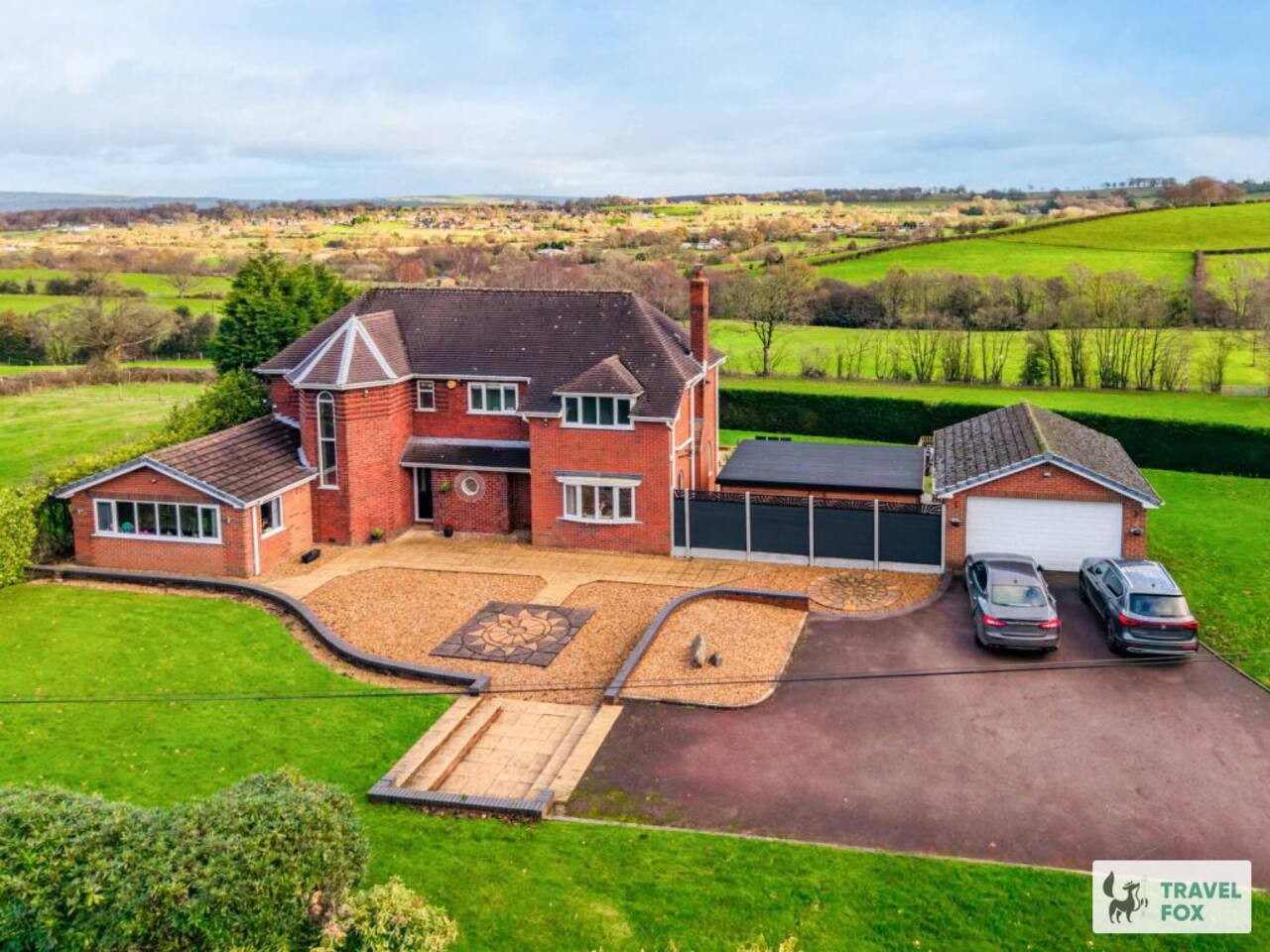
Cheddleton
Greenways House - Parking, Pool Table and Garden!
- Sleeps 10
- 4 bedrooms
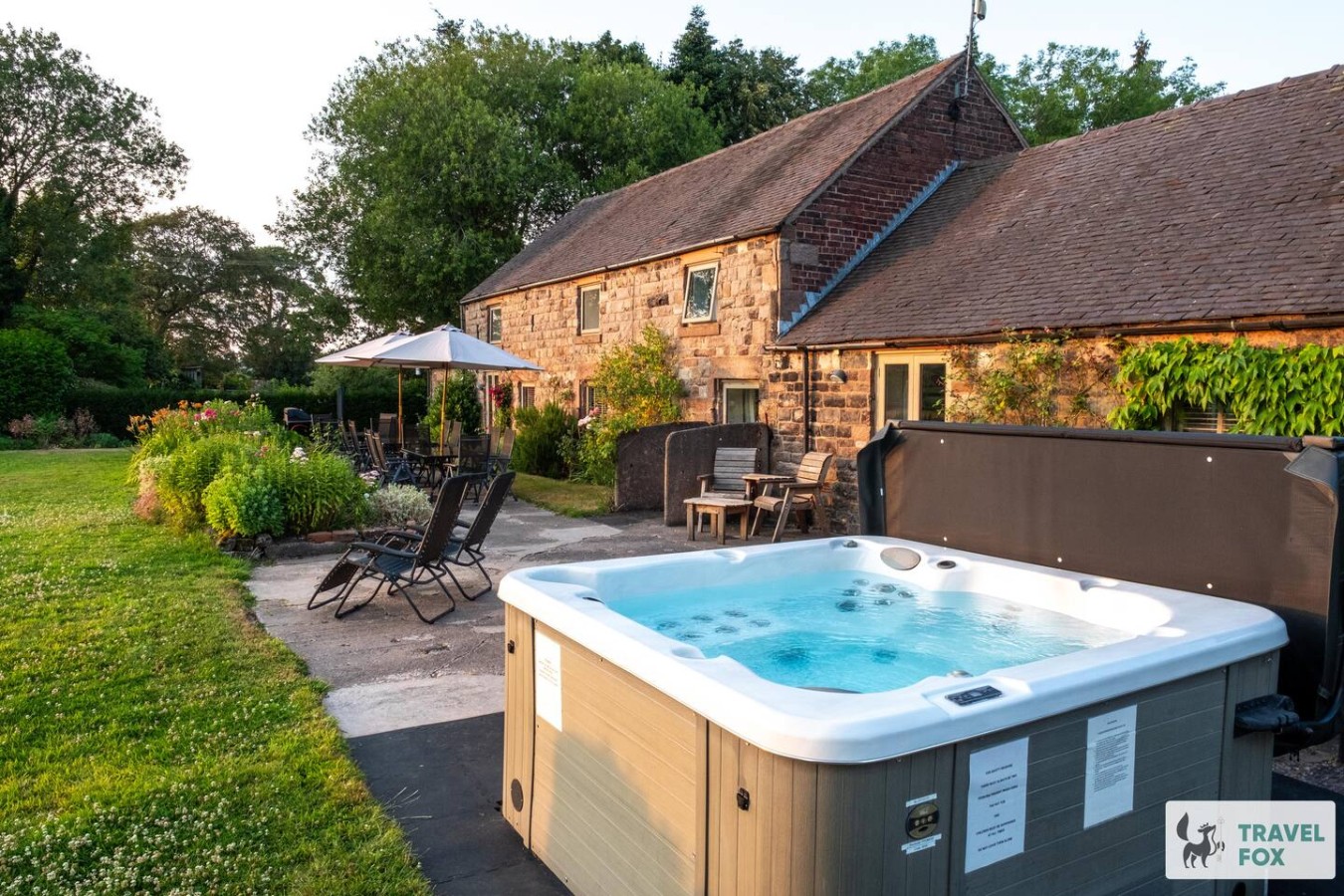
Cheddleton
Lee House Cottage + Annexe
- Sleeps 19
- 8 bedrooms
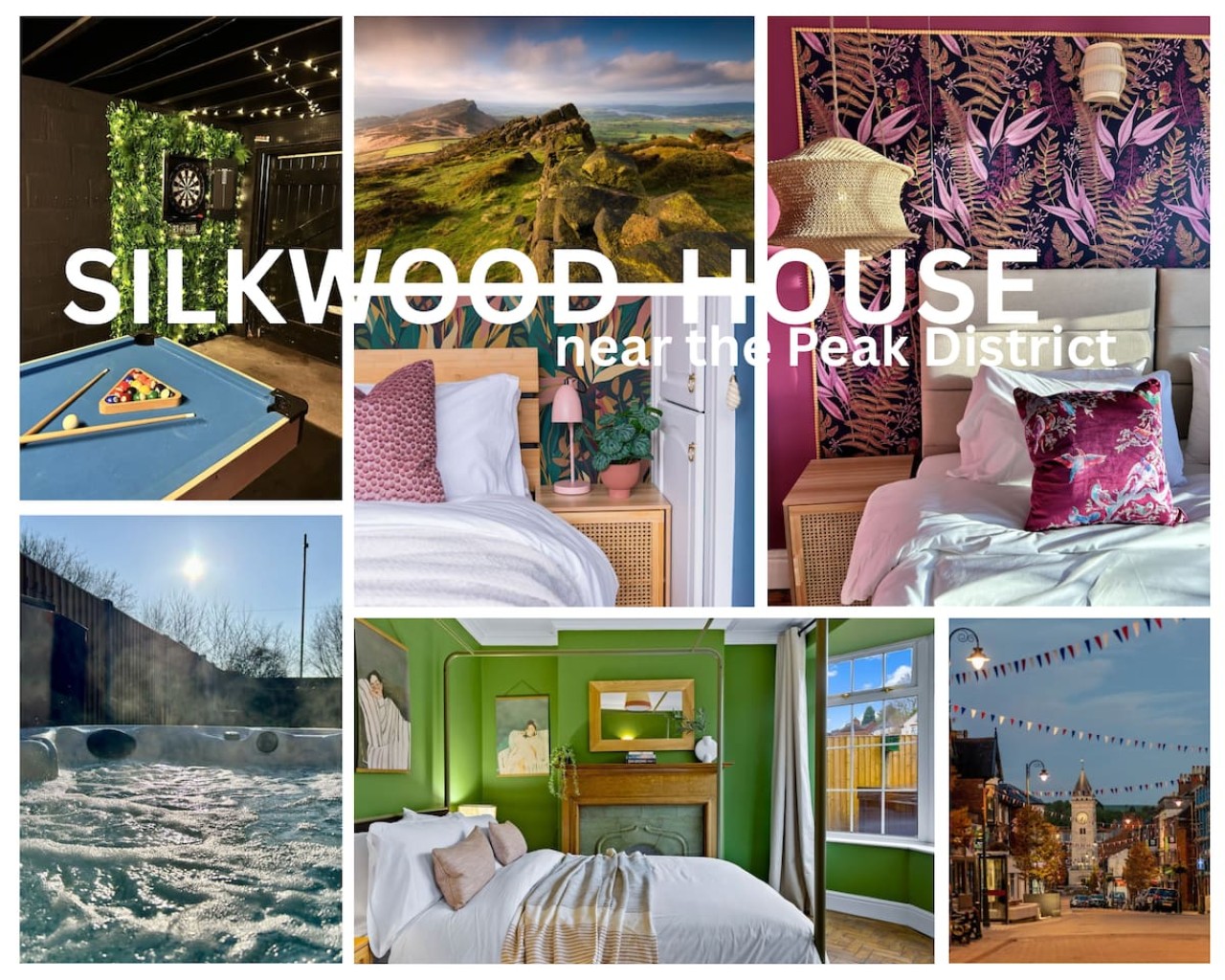
Leek
Silkwood House | Boutique 4 Bed nr. Peak District
- Sleeps 8
- 4 bedrooms
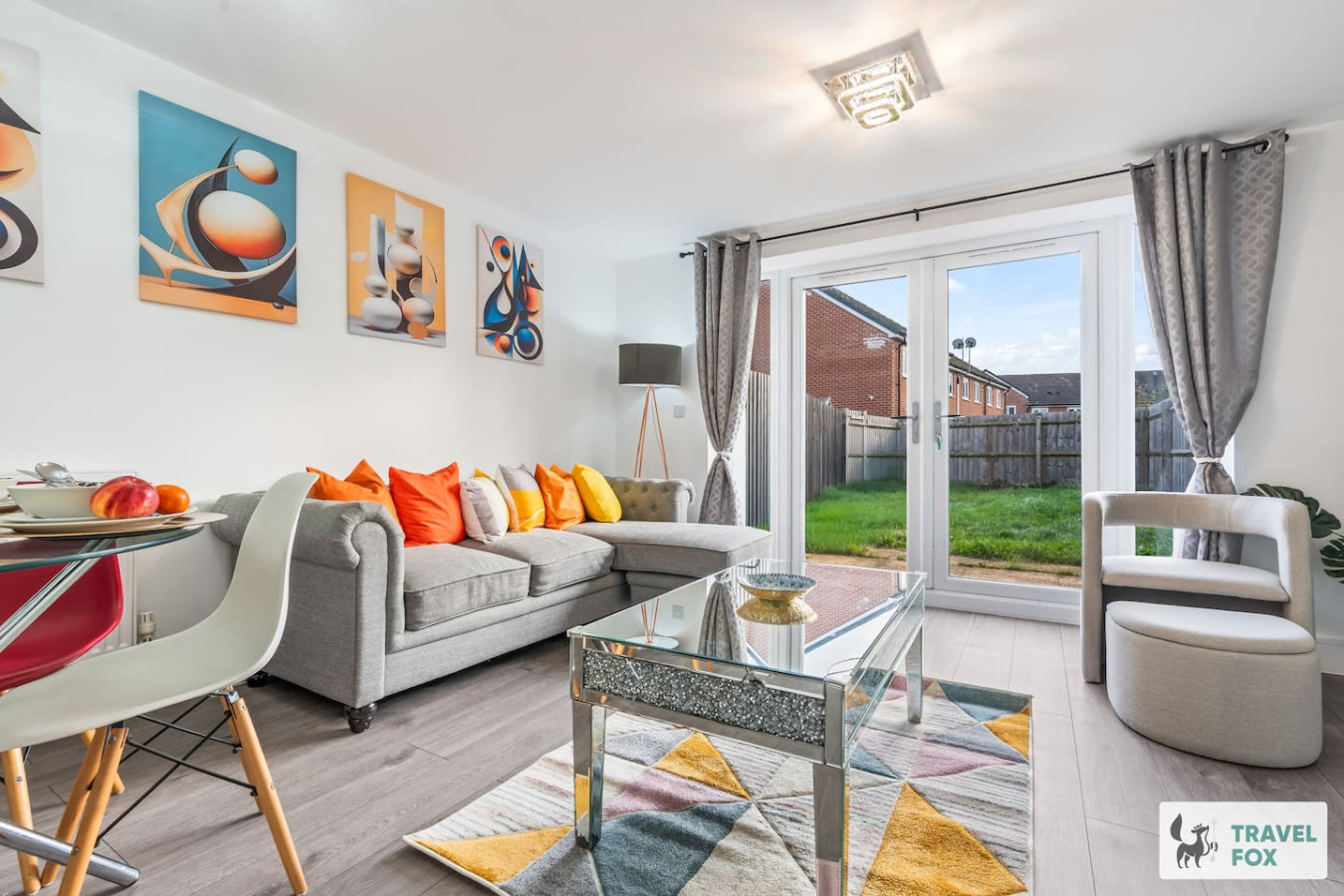
Stoke-on-Trent
Heather's House
- Sleeps 6
- 2 bedrooms
For homeowners
Own a holiday home near Blymhill?
We manage holiday lets across Staffordshire from 12% commission, charged after cleaning costs, with no lock-in. A co-founder visits before you decide.
Holiday let management in Staffordshire →
A guide with a point of view
Written from research. Edited for real journeys.
Use the Official site links for live practical details, then use this guide for context, ideas and room to explore.
Photography credits & licences
Third-party photographs are credited to their named creators and reused under the linked Creative Commons licence or public-domain dedication. Travel Fox stores an optimised local copy; the file-specific changes and any browser-applied display crop are disclosed below. Reused photographs link both to the Wikimedia Commons source record and to the declared source image; Travel Fox's own photographs carry no such record and are marked as ours. These image licences do not cover Travel Fox text, branding or page design.
- File:St Mary's Church, Blymhill - geograph.org.uk - 4899015.jpg — photograph by Ian S; St Mary's Church, Blymhill by Ian S. Source record on Wikimedia Commons. Declared source image. Licence: CC BY-SA 2.0. File changes: Downloaded from Wikimedia Commons, resized to a maximum 1920px edge and encoded as an optimised JPEG. Display changes: Displayed with responsive CSS cropping.
Sources
Every place on this page is checked against a published source. Each entry links the record we used and names who publishes it.
- St Mary's Church, Blymhill — historicengland.org.uk statutory register or public authority record not machine-readable; publisher restricts automated access
- Blymhill & Weston-Under-Lizard Village Hall — blymhill-westonvillagehall.co.uk operator, sector body or destination organisation
- Blymhill Play Area — blymhill-westonparishcouncil.org.uk operator, sector body or destination organisation
- Weston Park — weston-park.com operator, sector body or destination organisation
- Boscobel House & The Royal Oak — english-heritage.org.uk national body or asset manager
- White Ladies Priory — english-heritage.org.uk national body or asset manager