

Staffordshire · Cannock Chase edge
Brocton
A timber-framed village where an old inn gives way to ancient oak woodland and the layered wartime landscape of Cannock Chase.
- Best for
- Chase walks and wartime history
- Give it
- A relaxed half day
- Don't miss
- Brocton Coppice's ancient oaks
Photo: Geoff Pick · CC BY-SA 2.0 · cropped
The Fox verdict
A small village with the Chase on its doorstep
Come for the village, then follow woodland tracks into a landscape shaped by old oaks and First World War history.
Brocton works best as a village-and-Chase visit: begin with its church or one of its pubs, then make time for the coppice, military cemetery or Freda's poignant memorial.
Where to go
Places in Brocton
Every place below is checked against a published source, listed with what it is and how long to give it.
Local signatures
3 placesThe Seven Stars
A gastropub on Cannock Road west of Brocton, serving pub classics, steaks, salads and burgers, with a beer garden for outdoor dining.
- Visit length
- Editorial estimate: Allow around 1 hour 15 minutes
- Locality
- Cannock Road, west of Brocton
Brocton Coppice
An ancient oak woodland walk on Cannock Chase, close to Sherbrook Valley's stream, birch and pine slopes.
- Visit length
- Editorial estimate: Allow around 1 hour 15 minutes
- Locality
- Cannock Chase
- Access
- The map pin marks the named Brocton Coppice car park. Follow public tracks and current land-manager guidance.
Cannock Chase German Military Cemetery
The Grade I registered cemetery landscape holds more than 4,900 German war dead; its Grade II listed complex includes the Hall of Honour and Zeppelin Terrace.
- Visit length
- Editorial estimate: Allow around 1 hour
- Locality
- Cannock Chase, Brocton parish
- Access
- Approach via Camp Road and visit respectfully.
Food & drink
1 placeThe Chetwynd Arms
A dog-friendly gastropub named for the former owners of the Brocton Hall estate, with a beer garden and children's play area.
- Visit length
- Editorial estimate: Allow around 1 hour 15 minutes
- Locality
- Brocton
History & heritage
2 placesAll Saints Church
A plain brick church founded as a mission hall and schoolroom, opened in 1891 and dedicated as All Saints in 1951.
- Visit length
- Editorial estimate: Allow around 20 minutes
- Locality
- Brocton
Freda's Grave
The grave of Freda, the Harlequin Great Dane mascot of a New Zealand Rifle Brigade battalion, still visited beneath its renewed headstone.
- Visit length
- Editorial estimate: Allow around 20 minutes
- Locality
- Cannock Chase
- Access
- Treat the memorial respectfully.
Things to do
1 placeMilford Common
A popular Cannock Chase spot for picnics and ball games, with ample parking.
- Visit length
- Editorial estimate: Allow around 1 hour
- Locality
- Milford
- Access
- The map pin marks the named Milford Common car park on Brocton Road.
No places match this filter. Choose All places to reset the list.
Three ways to explore Brocton
Signature outings
Find Brocton's ancient oaks
Follow public tracks through Brocton Coppice, the ancient oak woodland on the Chase above the village.
Remember Freda
Seek out the grave of the New Zealand Rifle Brigade mascot whose memorial is still visited on the Chase.
Make room to play
Use Milford Common for an easy picnic or ball games, making an outdoor pause on Cannock Chase.
The village story
Brocton Village Guide
From timber frames and old inns to ancient woodland and the remembered lives of Cannock Chase.
Timber Frames and the Seven Stars
The A34 comes into Brocton, bends right at the village green, then curves left to run alongside it, past timber-framed houses on Park Lane, among the most beautiful in the county. The Seven Stars is about 1.1 miles west of the village centre in a straight line; the road route is longer.
The pub serves pub classics, steaks, salads and burgers, with a beer garden for outdoor dining. Vegan, vegetarian and gluten-free dishes are on the menu.
Food, Shopping and the A34
The Chetwynd Arms, further along, recalls the family who owned the Brocton Hall estate from the late 1600s until the early 1920s. The pub serves burgers, curries and Sunday roasts, and has a beer garden and children's play area. Dogs are welcome throughout the pub.
Brocton Post Office is at 5 Pool Lane, and route 74 connects Brocton with Stafford and Cannock.
All Saints and the Chase
All Saints Church opened as a mission hall and schoolroom in 1891 and was dedicated as All Saints in 1951.
From Coppice Hill Car Park, Staffordshire's Great Haywood route passes through the ancient oaks of Brocton Coppice and descends into Sherbrook Valley. A separate waymarked route explores the remains of Brocton Camp, Oldacre Valley and the former rifle ranges. The old Tackeroo railway route is another reminder of the camps.
From Domesday Waste to Wartime Memory
Domesday recorded the place as Broctone, "waste," under the Bishop of Chester. It didn't stay that way. Brocton and Rugeley camps were designed to accommodate 20,000 men each, and Historic England estimates that up to 500,000 trained on the Chase during the First World War, including the New Zealand Rifle Brigade. Tolkien trained here through the winter of 1915–16, learning army signalling before the Somme, and married Edith Bratt that March while still stationed on the Chase. New Zealanders used German prisoner-of-war labour to build a scale model of the Messines battlefield for map-reading practice; it was excavated and reburied for protection in 2013.
The German Military Cemetery, opened in 1967, holds more than 4,900 German war dead, the largest concentration of German military graves in Britain. Its landscape is registered at Grade I and its buildings are Grade II listed. The Katyn Memorial stands separately on the Chase, about 2 miles south of Brocton village centre in a straight line. Freda, a Great Dane and mascot of the New Zealand Rifle Brigade's 5th Battalion, died on the Chase around 1918. Brereton locals kept flowers on her grave for twenty years; her headstone was renewed in 1964 and 2001.
Stay around Staffordshire
Make a longer stay of it
Travel Fox holiday homes around Staffordshire, linked directly to their property pages.
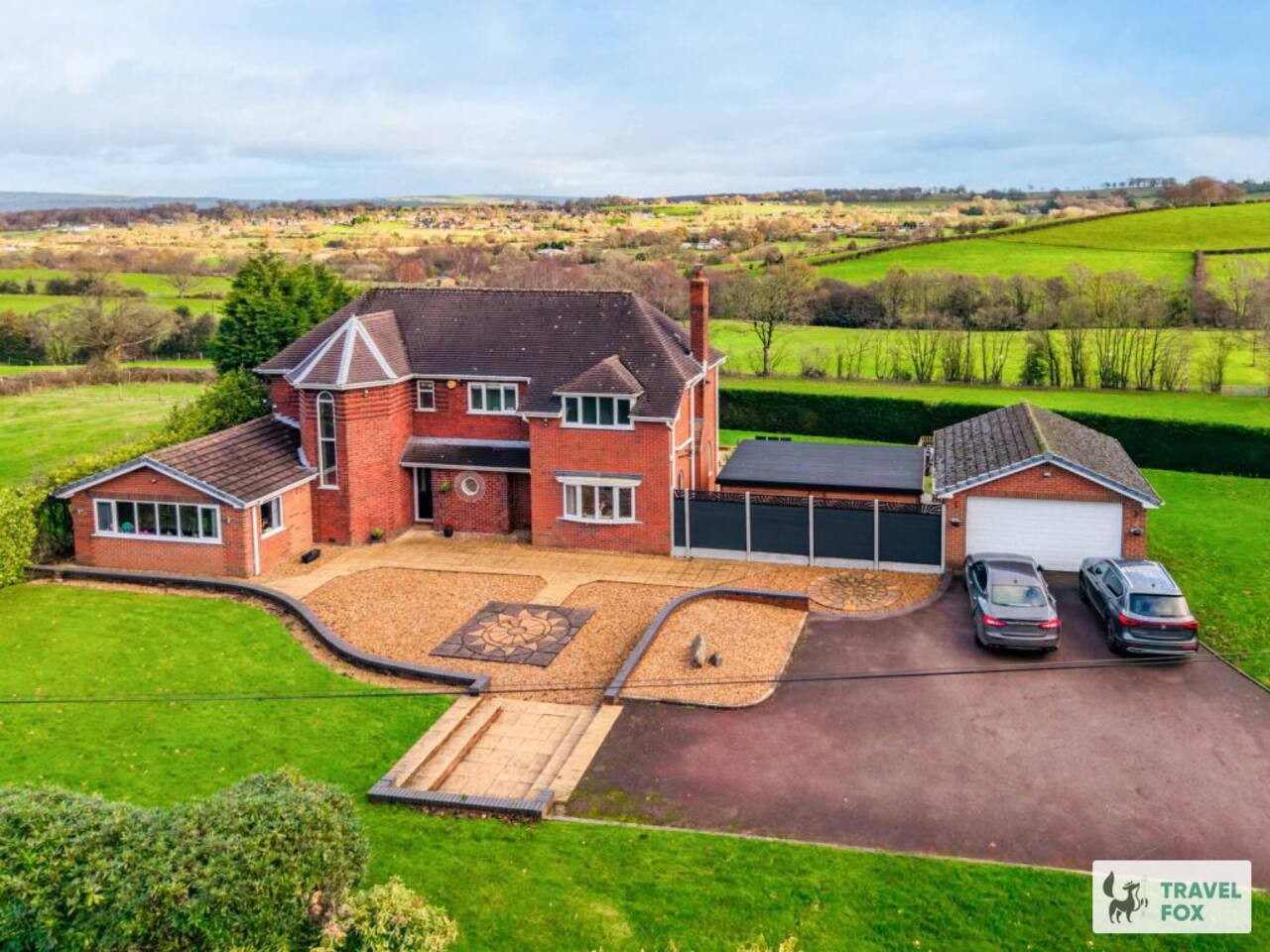
Cheddleton
Greenways House - Parking, Pool Table and Garden!
- Sleeps 10
- 4 bedrooms
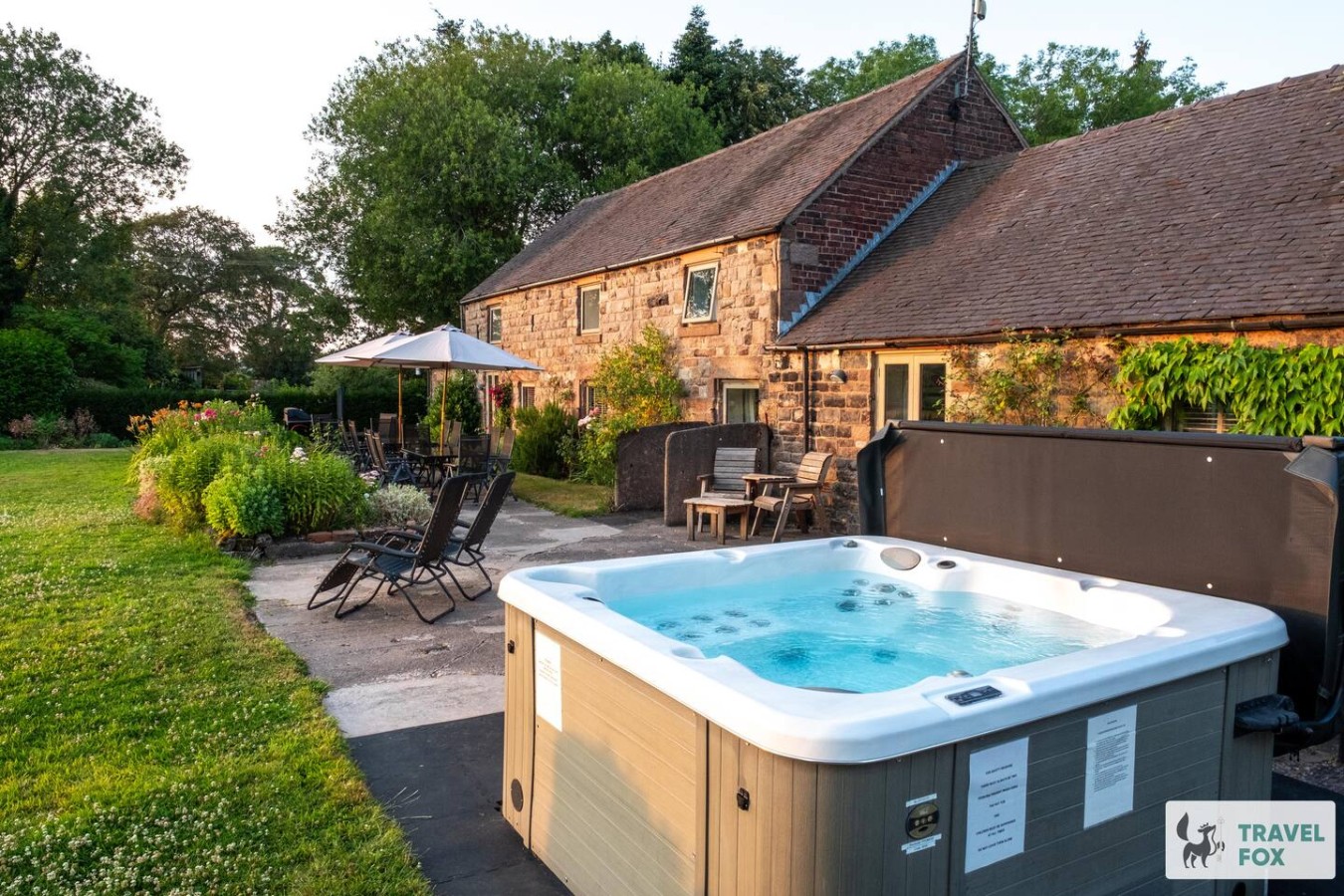
Cheddleton
Lee House Cottage + Annexe
- Sleeps 19
- 8 bedrooms
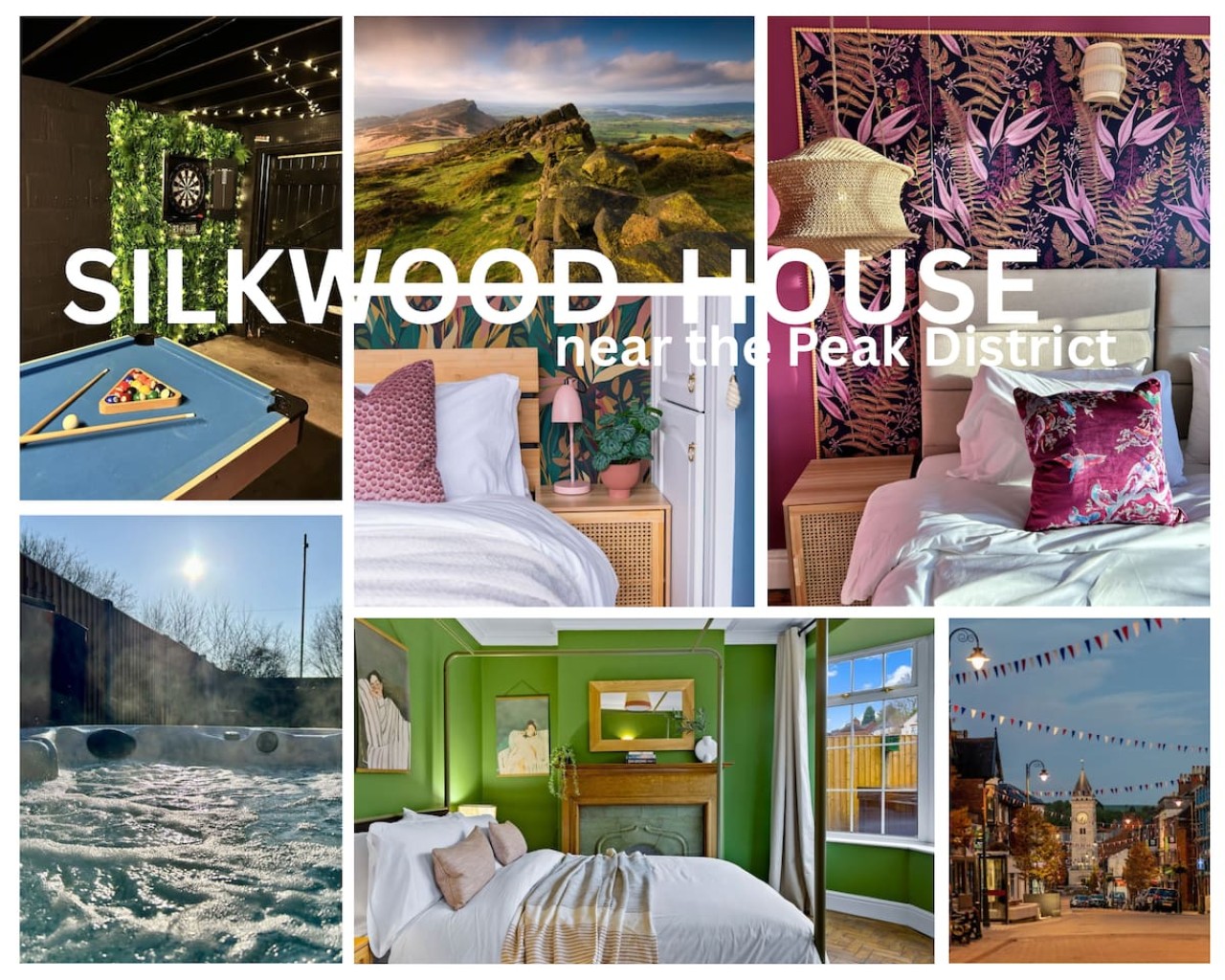
Leek
Silkwood House | Boutique 4 Bed nr. Peak District
- Sleeps 8
- 4 bedrooms
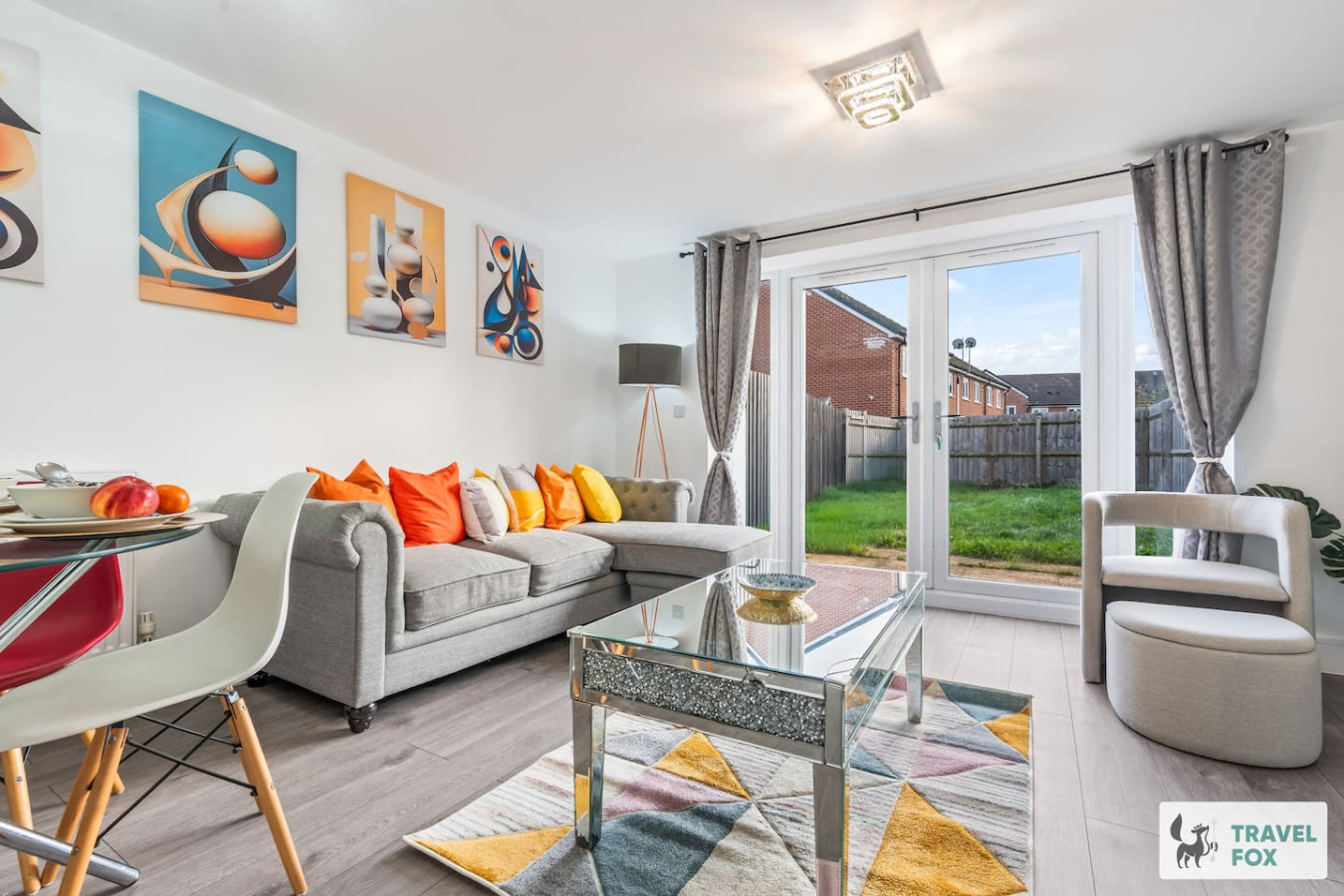
Stoke-on-Trent
Heather's House
- Sleeps 6
- 2 bedrooms
For homeowners
Own a holiday home near Brocton?
We manage holiday lets across Staffordshire from 12% commission, charged after cleaning costs, with no lock-in. A co-founder visits before you decide.
Holiday let management in Staffordshire →
A guide with a point of view
Written from research. Edited for real journeys.
Use the Official site links for live practical details, then use this guide for context, ideas and room to explore.
Photography credits & licences
Third-party photographs are credited to their named creators and reused under the linked Creative Commons licence or public-domain dedication. Travel Fox stores an optimised local copy; the file-specific changes and any browser-applied display crop are disclosed below. Reused photographs link both to the Wikimedia Commons source record and to the declared source image; Travel Fox's own photographs carry no such record and are marked as ours. These image licences do not cover Travel Fox text, branding or page design.
- File:Track Through Brocton Coppice - geograph.org.uk - 2135016.jpg — photograph by Geoff Pick; Track Through Brocton Coppice by Geoff Pick. Source record on Wikimedia Commons. Declared source image. Licence: CC BY-SA 2.0. File changes: Downloaded from Wikimedia Commons, resized to a maximum 1920px edge and encoded as an optimised JPEG. Display changes: Displayed with responsive CSS cropping.
Sources
Every place on this page is checked against a published source. Each entry links the record we used and names who publishes it.
- The Seven Stars — thesevenstarsbrocton.co.uk operator, sector body or destination organisation
- The Chetwynd Arms — chetwyndarmspub.co.uk operator, sector body or destination organisation
- All Saints Church — achurchnearyou.com national body or asset manager
- Brocton Coppice — staffordshire.gov.uk statutory register or public authority
- Cannock Chase German Military Cemetery — historicengland.org.uk statutory register or public authority record not machine-readable; publisher restricts automated access
- Freda's Grave — cannock-chase.co.uk other published source
- Milford Common — staffordshire.gov.uk statutory register or public authority