
Church stones and field paths
Chapel Chorlton
A scattered Staffordshire parish where a medieval church tower, old family memorials and paths into nearby walking country reward a deliberately planned visit.
- Best for
- Churchyard history and country walks
- Give it
- A flexible half day with a car
- Don't miss
- St Lawrence's medieval tower and listed churchyard monuments
The Fox verdict
A tiny parish that rewards preparation
Chapel Chorlton is not an amenities-led day out; its appeal lies in a historic church, an agricultural landscape and well-chosen nearby stops.
Begin with St Lawrence's Church and its churchyard, then choose between the paths around Hanchurch Hills, a selected-day visit to Whitmore Hall or the larger lake-and-gardens experience at Trentham. Whitmore supplies the nearby pub and tearoom options that the parish itself no longer has.
Your picks, your pace
Make Chapel Chorlton yours
Choose a mood or build your own list. Your saved stops are an ordering aid, with a direct map route when you are ready.
Local signatures
3 placesHanchurch Hills Walks
Woodland and open field-edge walking around Hanchurch Woods, with shorter and longer circuit options in the wider Hanchurch Hills and Swynnerton Old Park landscape.
- Visit length
- Editorial estimate: Allow around 90 minutes for a shorter circuit
- Locality
- Hanchurch Hills
- Access
- Choose a route suited to the available time and conditions, and keep to public paths.
The Mainwaring Arms
A Whitmore pub identified as one of the refreshment options within a short walk of Whitmore Hall.
- Visit length
- Editorial estimate: allow around 90 minutes for a meal
- Locality
- Whitmore, near the Hall
- Access
- Check current service details on the Official site before travel.
Trentham Gardens
A large visitor attraction combining a lake, gardens, woodland, cafés and shops.
- Visit length
- Editorial estimate: allow around 3 hours
- Locality
- Trentham, near Stoke-on-Trent
- Access
- Check current admission and access details on the Official site before travel.
Food & drink
1 placeWhitmore Tea Rooms
A tearoom near Whitmore Hall, recorded as one of two refreshment options within a short walk of the estate.
- Visit length
- Editorial estimate: allow around 60 minutes
- Locality
- Whitmore, near the Hall
- Access
- Check current service details on the Official site before travel.
History & heritage
2 placesSt Lawrence's Church
A Grade II parish church with a medieval tower and a Classical nave and chancel rebuilt in 1826–27 by James Trubshaw Junior. The churchyard includes the separately listed Delves Memorial and sundial.
- Visit length
- Editorial estimate: allow around 45 minutes
- Locality
- Chapel Chorlton churchyard
- Access
- Church opening cannot be assumed; check before travel. The churchyard remains the durable outdoor focus.
Whitmore Hall
A small, unspoiled parkland estate with lakes, open to visitors on selected days for guided visits.
- Visit length
- Editorial estimate: allow around 90 minutes
- Locality
- Whitmore
- Access
- Selected-day seasonal access; check the Official site before travel. Guided visits do not allow dogs.
No places match this filter. Choose All places to reset the list.
On the map
Chapel Chorlton at a glance
Tap a marker to jump to its guide card.
Three ways to explore Chapel Chorlton
Signature outings
St Lawrence's Church
Compare the medieval tower with James Trubshaw Junior's Classical rebuild, then look for the listed sundial, Delves Memorial and repeating family names in the churchyard.
Whitmore Hall
Use a selected visitor day to see the small parkland estate and its lakes on a guided visit.
Lake, gardens and woodland
Make Trentham the longer stop for its lake, gardens, woodland, cafés and shops.
The village story
Chapel Chorlton Village Guide
An old road, a rebuilt church and a scattered farming parish whose story carries from Domesday into the churchyard.
The old road and scattered parish
At Stableford, on the edge of the parish, the A51 does a small dog-leg where the old Lichfield to Chester road once turned, and a cast iron milepost still stands there giving distances to Pipegate, Woore, Nantwich and Stone. The route was mapped in John Ogilby's Britannia of 1675, one of the first road atlases of England and Wales.
Chapel Chorlton itself sits north-west of Stone, up on slightly higher ground, in undulating farming country. The parish is really three places — Chapel Chorlton, Hill Chorlton and Stableford — scattered among fields, with Maer Hills and Hanchurch Woods rising to the south-east.
What the village has lost
There is no shop in the village. Hill Chorlton's Slaters Shopping and Craft Village, which once held fifteen independent businesses, burned down in November 2021, and the owners have applied to demolish what's left for housing rather than rebuild.
The pub situation is worth being straight about. The Former Cock Inn at Stableford, Grade II listed and dating from the late seventeenth century, stopped trading some years ago and is now a private house. Slaters Country Inn, a mile and a half away at Hill Chorlton, was the other option — beamed rooms, an open fire, a beer garden, homemade steak and kidney pie, beer-battered fish and mushy peas, a Sunday roast of beef or pork. It closed on 18 January 2026 after thirty-five years, a recent loss rather than a current recommendation.
Church stones and Domesday ground
What's left is St Lawrence's Church. The tower is medieval; the rest was pulled down and rebuilt in 1826–27, in Classical style, by James Trubshaw Junior of the Little Haywood dynasty of Staffordshire builder-architects, at a cost of £800. The churchyard holds two separately listed monuments of its own, the Delves Memorial of 1796 and an early-nineteenth-century sundial, and headstones running from 1751 to 2004 under family names — Hemmings, Turner, Randles, Cliff, Wain — that keep turning up generation after generation.
Domesday recorded the settlement as Cerletone, held by the Bishop of Chester, with a lord named Leofnoth. Seventeen ploughlands were surveyed but only one team was working the land, and the whole holding was valued at ten shillings, the same figure it had carried twenty years earlier, with part of it noted as waste.
Paths out to woods and estates
Footpaths cross the fields toward Hill Chorlton, Maer, Whitmore and Standon. Further out, Hanchurch Woods and Swynnerton Old Park give proper walking country, including routes around the Hanchurch Water Tower.
Whitmore Hall, about 2.2 miles from Chapel Chorlton in a straight line, opens to visitors on selected days between March and September, with the Mainwaring Arms and a tearoom nearby. Trentham Gardens is about 3.7 miles from Chapel Chorlton in a straight line; the road journey is longer. There's no railway station in the village; Stafford and Stone are nearest, and buses stop at Maerfield Gate and Woodside.
Two brothers in the churchyard
In the churchyard, two brothers are remembered on the same memorial: Charles Henry Randles, a private in the 9th Royal Fusiliers, killed on Christmas Day 1915 at twenty, and George Harvey Randles, who served with the 2nd Lancashire Fusiliers and died the following October, aged twenty-five. Their parents, Charles and Selina, are recorded alongside them, in a churchyard where the same handful of surnames have been quietly repeating themselves for two hundred years.
Stay around Staffordshire
Make a longer stay of it
Travel Fox holiday homes around Staffordshire, linked directly to their property pages.
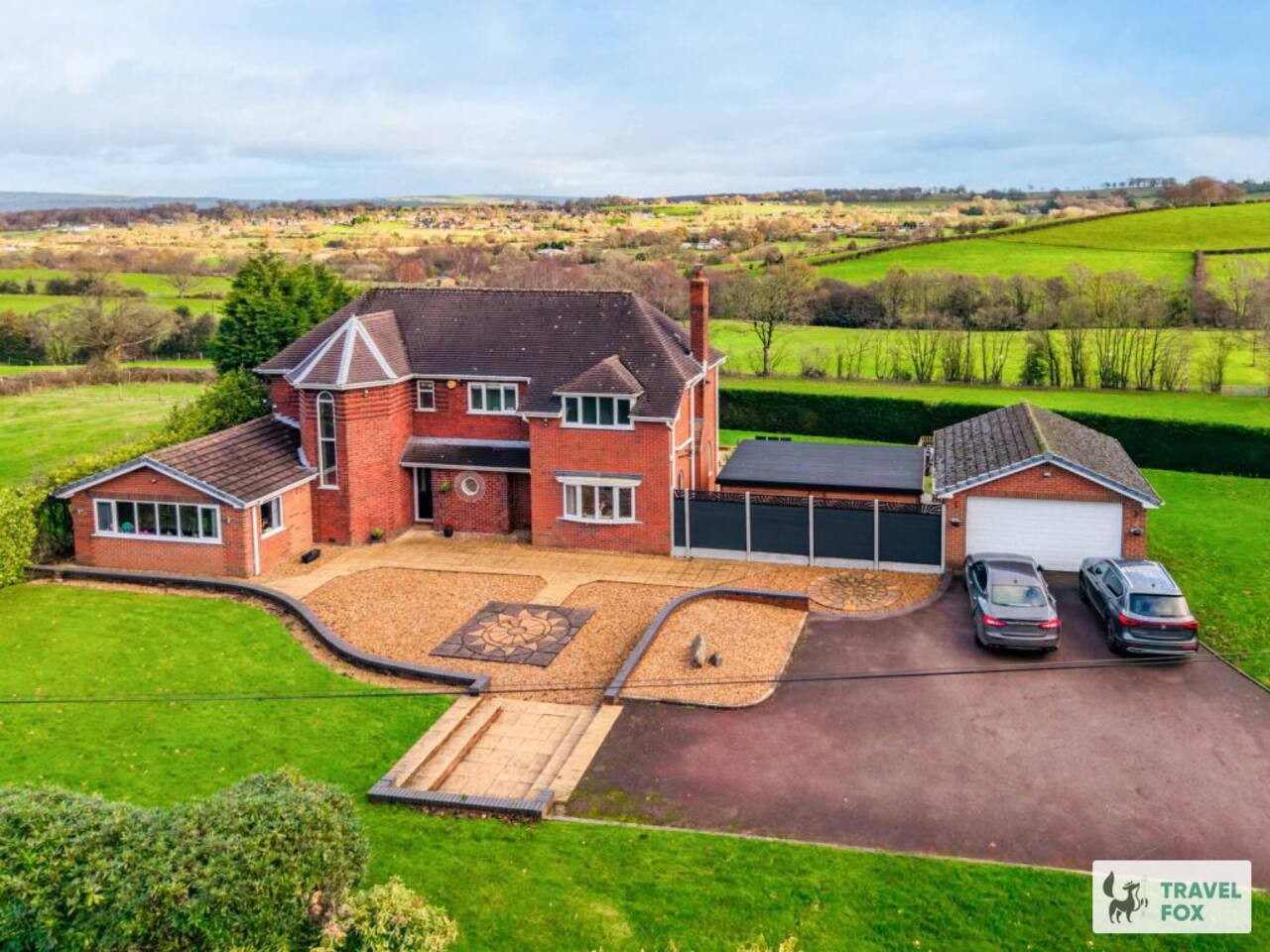
Cheddleton
Greenways House - Parking, Pool Table and Garden!
- Sleeps 10
- 4 bedrooms
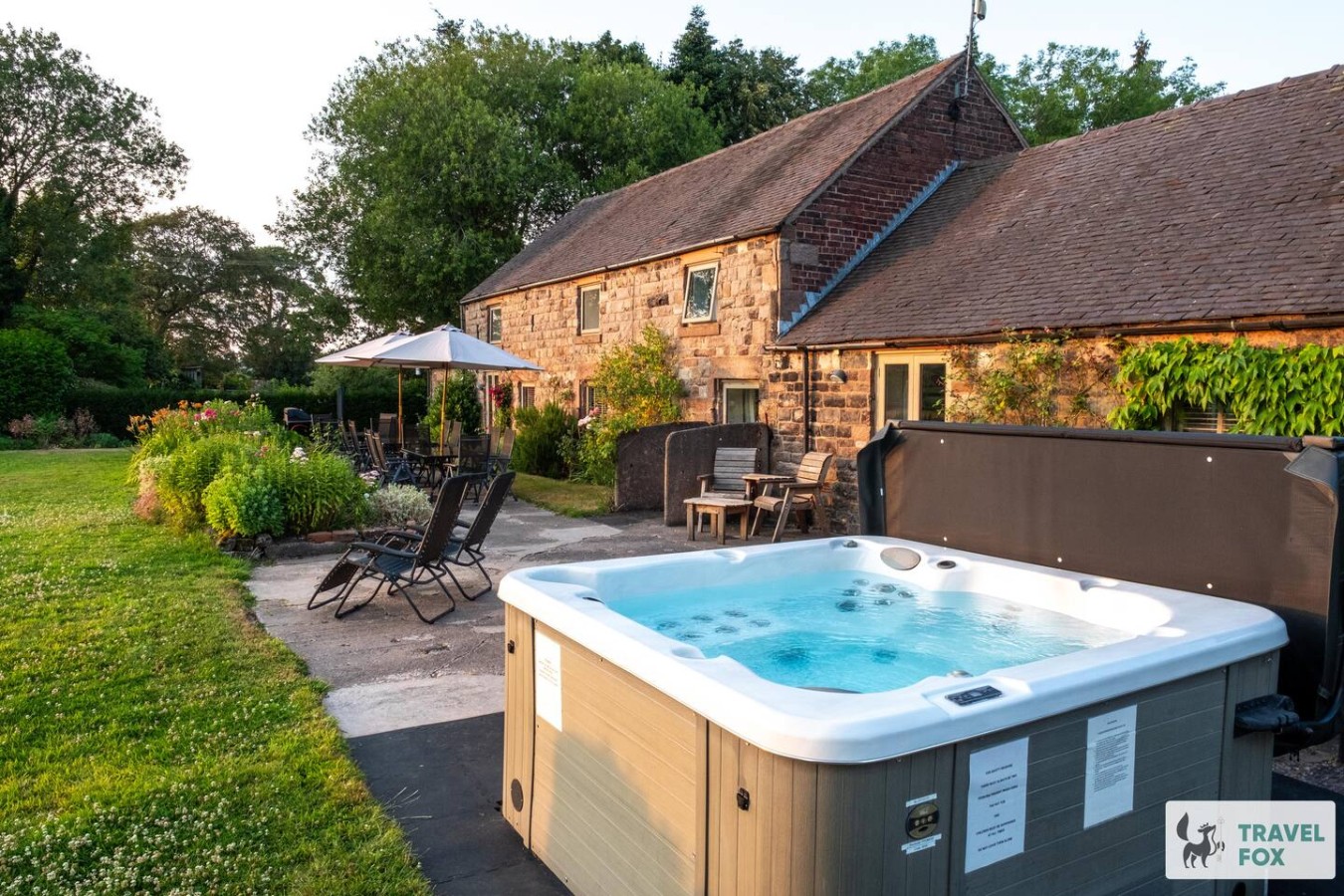
Cheddleton
Lee House Cottage + Annexe
- Sleeps 19
- 8 bedrooms

Leek
Silkwood House | Boutique 4 Bed nr. Peak District
- Sleeps 8
- 4 bedrooms
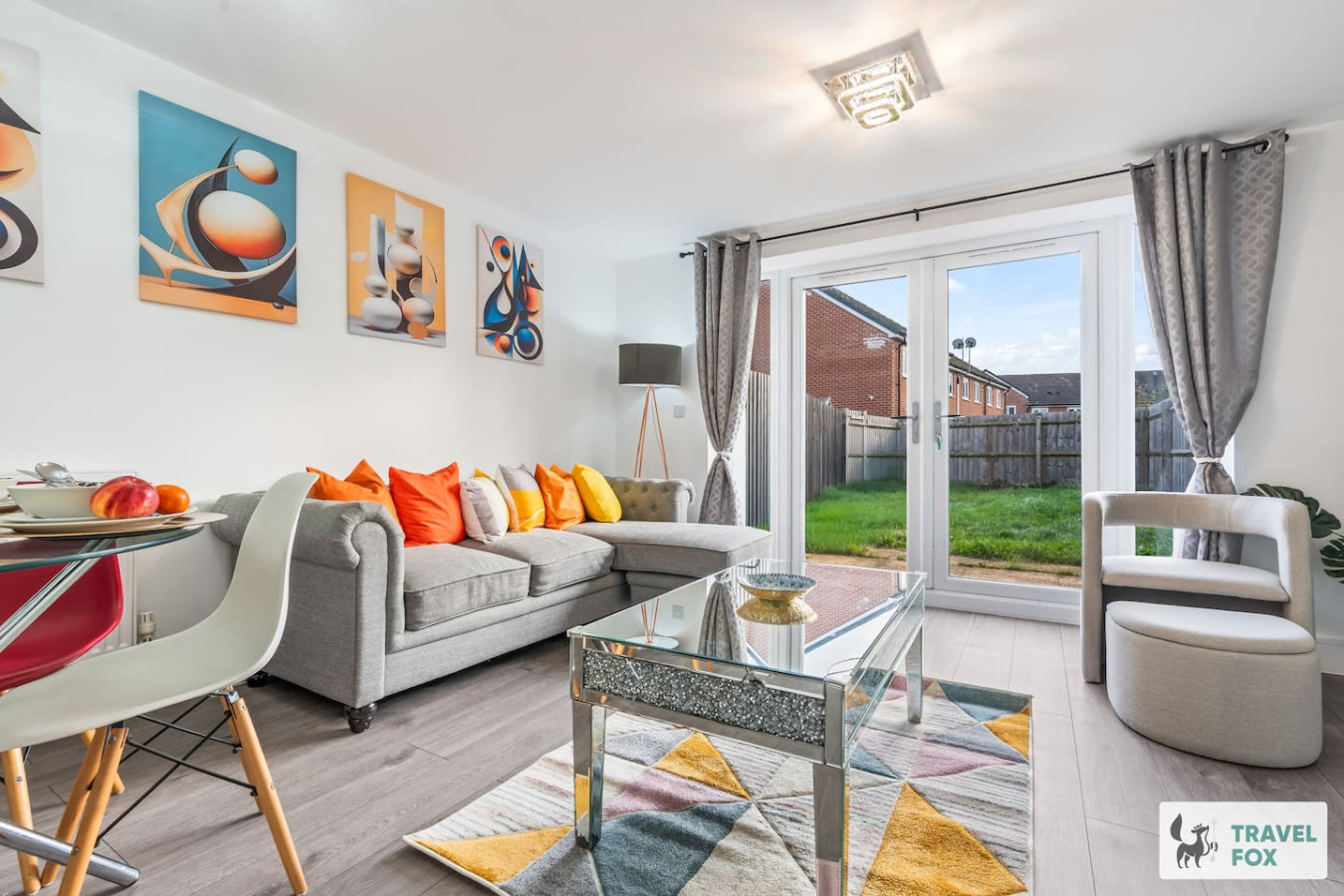
Stoke-on-Trent
Heather's House
- Sleeps 6
- 2 bedrooms
For homeowners
Own a holiday home near Chapel Chorlton?
We manage holiday lets across Staffordshire from 12% commission, charged after cleaning costs, with no lock-in. A co-founder visits before you decide.
Holiday let management in Staffordshire →
A guide with a point of view
Written from research. Edited for real journeys.
Use the Official site links for live practical details, then use this guide for context, ideas and room to explore.
Sources
Every place on this page is checked against a published source. Each entry links the record we used and names who publishes it.
- St Lawrence's Church — historicengland.org.uk statutory register or public authority record not machine-readable; publisher restricts automated access
- Hanchurch Hills Walks — staffordshire.gov.uk statutory register or public authority
- Whitmore Hall — whitmorehall.co.uk operator, sector body or destination organisation
- The Mainwaring Arms — mainwaringarms.co.uk operator, sector body or destination organisation
- Whitmore Tea Rooms — whitmoretearooms.co.uk operator, sector body or destination organisation record not machine-readable; publisher restricts automated access
- Trentham Gardens — trentham.co.uk operator, sector body or destination organisation