

Ale, carved oak and long views
Enville
Enville pairs a honey-brewed village ale with a church full of small surprises, wide country views and Enville Hall's landscape history.
- Best for
- Ale, church carving and country views
- Give it
- An unhurried village afternoon
- Don't miss
- The bee label and hidden misericords
Photo: John Evans · CC BY-SA 2.0 · cropped
The Fox verdict
A tiny village with a remarkably full sense of place
Come for the link between Enville Ale and its tap house, then stay for Norman stone, mischievous medieval carving and the village's wide country outlook.
Enville works best as a compact country visit rather than a checklist. The church and Cat Inn give the village its rhythm; the surrounding countryside supplies the wider landscape, while Kinver and the Severn Valley Railway make useful nearby companions.
Where to go
Places in Enville
Every place below is checked against a published source, listed with what it is and how long to give it.
Local signatures
3 placesThe Cat Inn
Enville Brewery's village tap house, with regular and changing real ales, homemade pub food, winter fires and a courtyard and garden.
- Visit length
- Editorial estimate: Allow around 1 hour 15 minutes
- Locality
- Enville
St Mary's Church
A Grade II* church with a Norman nave, a George Gilbert Scott tower and four fifteenth-century misericords beneath the choir seats.
- Visit length
- Editorial estimate: Allow around 35 minutes
- Locality
- Enville
The Fox Inn, Stourton
A Stourton country pub offering meals and rooms on Bridgnorth Road, a short distance from Enville.
- Visit length
- Editorial estimate: Allow around 1 hour 15 minutes
- Locality
- Stourton, near Kinver
History & heritage
1 placeHoly Austin Rock Houses
Restored sandstone dwellings at Kinver Edge, inhabited into the mid-twentieth century and now a National Trust visitor attraction.
- Visit length
- Editorial estimate: Allow around 1 hour 15 minutes
- Locality
- Kinver
- Access
- The Rock Houses are visitor-accessible.
Things to do
1 placeHighley Station, Severn Valley Railway
A nearby way into the 16-mile heritage steam line linking Kidderminster, Bewdley and Bridgnorth.
- Visit length
- Editorial estimate: Allow around 2 hours 45 minutes
- Locality
- Highley
- Access
- Train travel follows the railway's operating calendar.
No places match this filter. Choose All places to reset the list.
Three ways to explore Enville
Signature outings
Find the bear-baiting misericord
Lift the fifteenth-century choir seats to find four carved ledges, including a muzzled bear attacked by dogs while figures watch and control its chain.
Explore Kinver's rock-cut homes
Pair a woodland and ridge circuit with the restored Holy Austin dwellings, homes that remained inhabited into the mid-twentieth century.
Board the heritage line at Highley
Use one of Enville's nearest heritage stations to experience the steam line between Kidderminster, Bewdley and Bridgnorth.
The village story
Ale, oak and the landscape behind Enville
Enville brings together honey-brewed ale, broad Sheepwalks views, medieval carving and the story of its landscape estate.
Honeyed ale and the village pub
Enville Ale carries a bee on its label, and it's not decoration. The recipe is a nineteenth-century "beekeeper's ale," passed down from the founder's great-great aunt when Enville Brewery started in 1993 in a set of unused stables on a farm in the village — natural well water, floor-malted Maris Otter barley, and honey. The brewery still uses traditional steam equipment on the Grade II-listed farm complex, with a reed-and-willow bed handling the effluent.
The Cat Inn on Bridgnorth Road is Enville Brewery's tap house, serving four regular ales alongside three changing beers and homemade pub food. It is independently owned, welcomes dogs outside, has open fires in winter, and a courtyard and garden.
The Sheepwalks are a popular walking area near Enville, close to Kinver Edge, with wide views over the surrounding countryside.
A small village with a wide horizon
The Staffordshire Way passes near Enville before reaching the sandstone ridge at Kinver Edge.
The nearest heritage stations are the Severn Valley Railway's stops at Hampton Loade, about 5.1 miles from Enville, and Highley, about 5.4 miles from Enville, measured in a straight line; road journeys are longer. For mainline trains, Stourbridge Town is linked by shuttle to Stourbridge Junction.
Enville is a small village on the A458 between Stourbridge and Bridgnorth, with Kinver as the nearest larger village.
Norman stone and hidden misericords
St Mary's Church sits at the centre of it, a Norman nave from around 1100 with a chancel added by Roger de Birmingham between 1272 and 1307, and a tower rebuilt in 1871 by George Gilbert Scott. Pevsner logged it in his Buildings of England survey, and Nick Owen got married here in 2020.
Inside are four fifteenth-century misericords, carved wooden ledges you have to lift the seats to see, one showing two dogs attacking a muzzled bear while a man controls its chain and another watches from a tree.
The landscape park behind the road
Enville Hall, just up from the church, has belonged to the Earls of Stamford since the late fifteenth century, when a Leicestershire branch of the Grey family — the same family that built Bradgate Park — married into the manor. From 1750 the 4th Earl laid out a landscape park with the architect Sanderson Miller and the poet William Shenstone, and by the 1770s it was ranked alongside Hagley and Shenstone's own Leasowes as one of the gardens tourists were expected to see.
The park held a private racecourse once; it's a forestry track now.
Domesday’s Efnefeld
The Domesday surveyors called the place Efnefeld — "level open land" — and valued the whole of it, seven households and four ploughs, at one pound three shillings.
Stay around Staffordshire
Make a longer stay of it
Travel Fox holiday homes around Staffordshire, linked directly to their property pages.
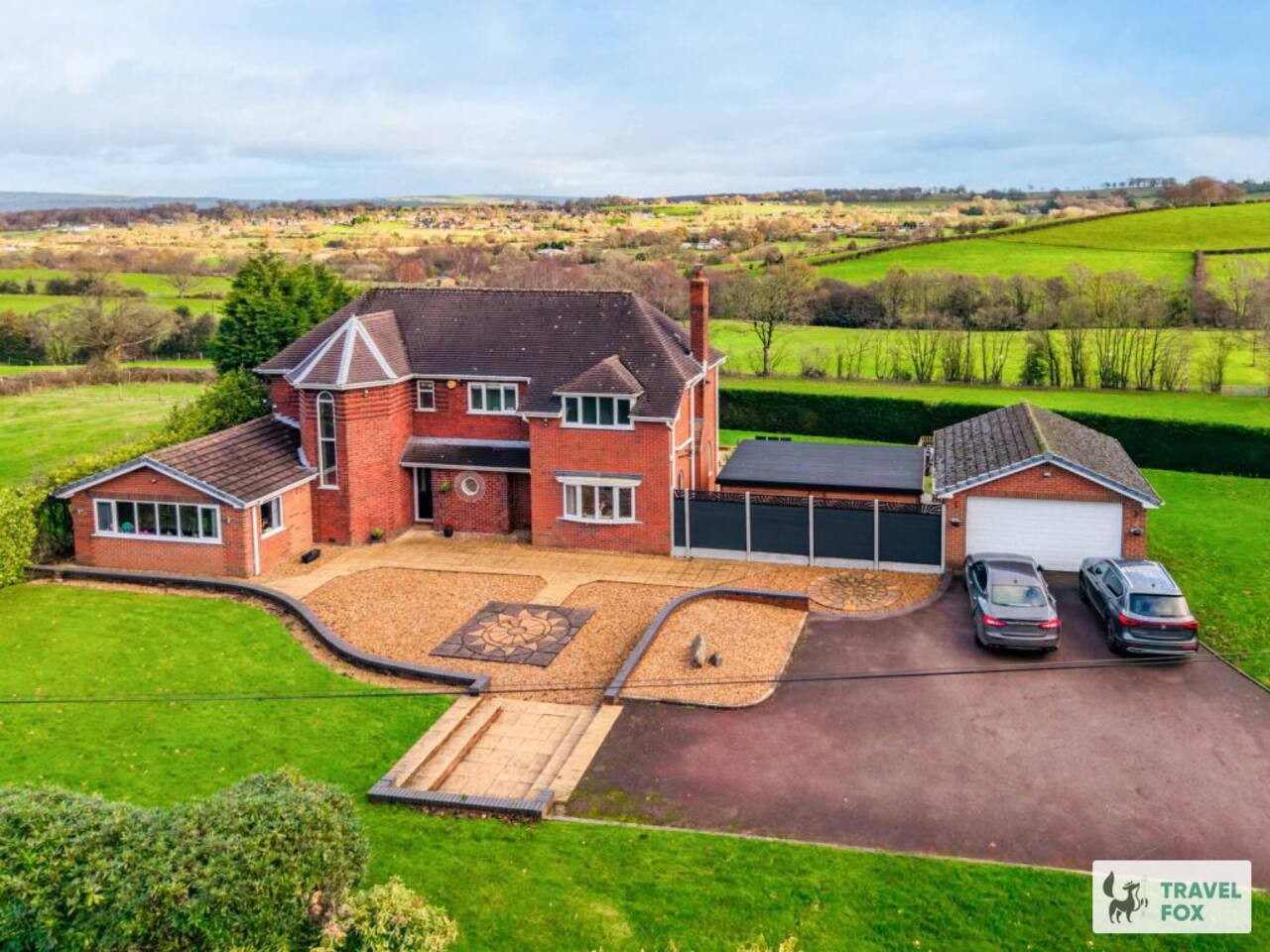
Cheddleton
Greenways House - Parking, Pool Table and Garden!
- Sleeps 10
- 4 bedrooms
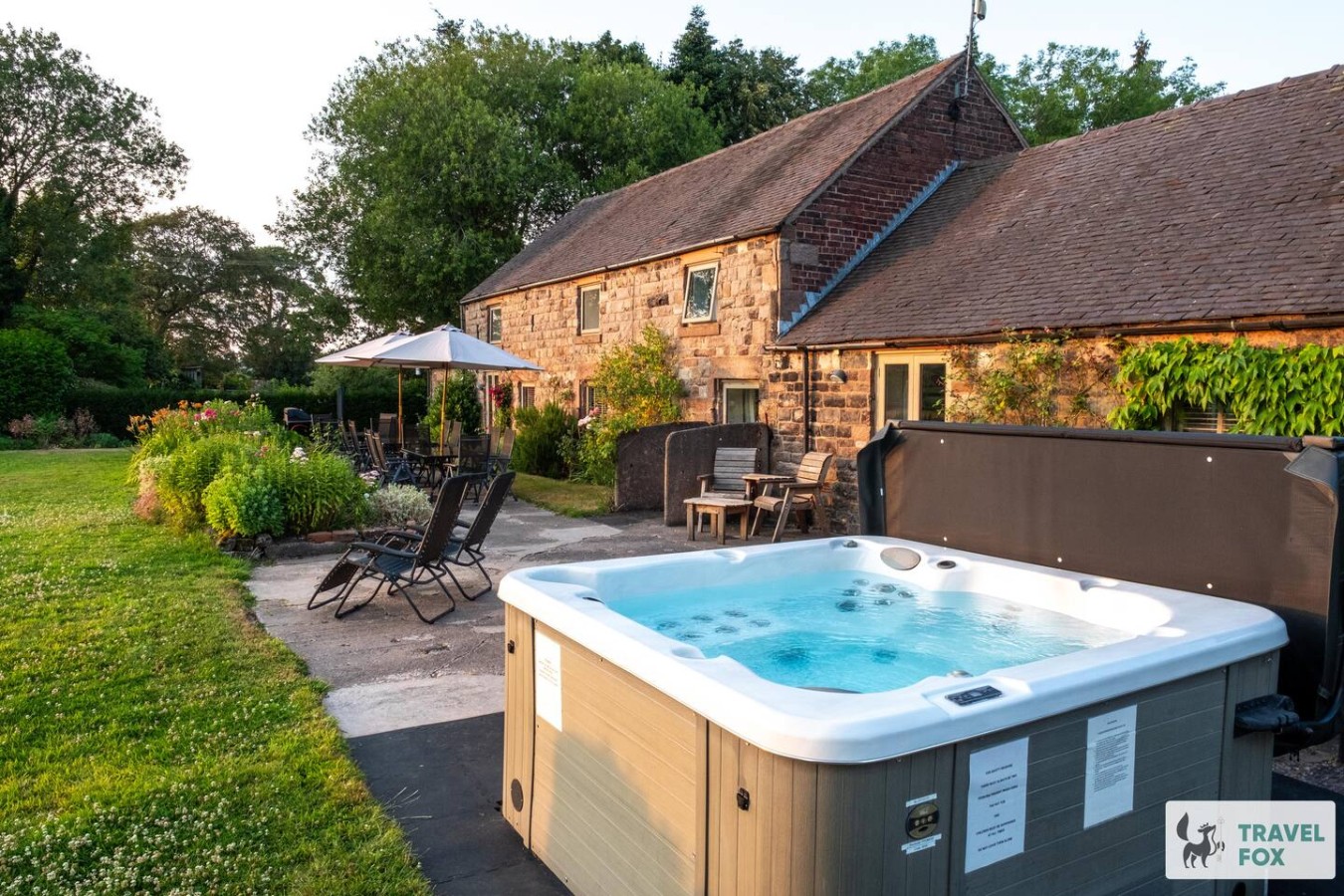
Cheddleton
Lee House Cottage + Annexe
- Sleeps 19
- 8 bedrooms
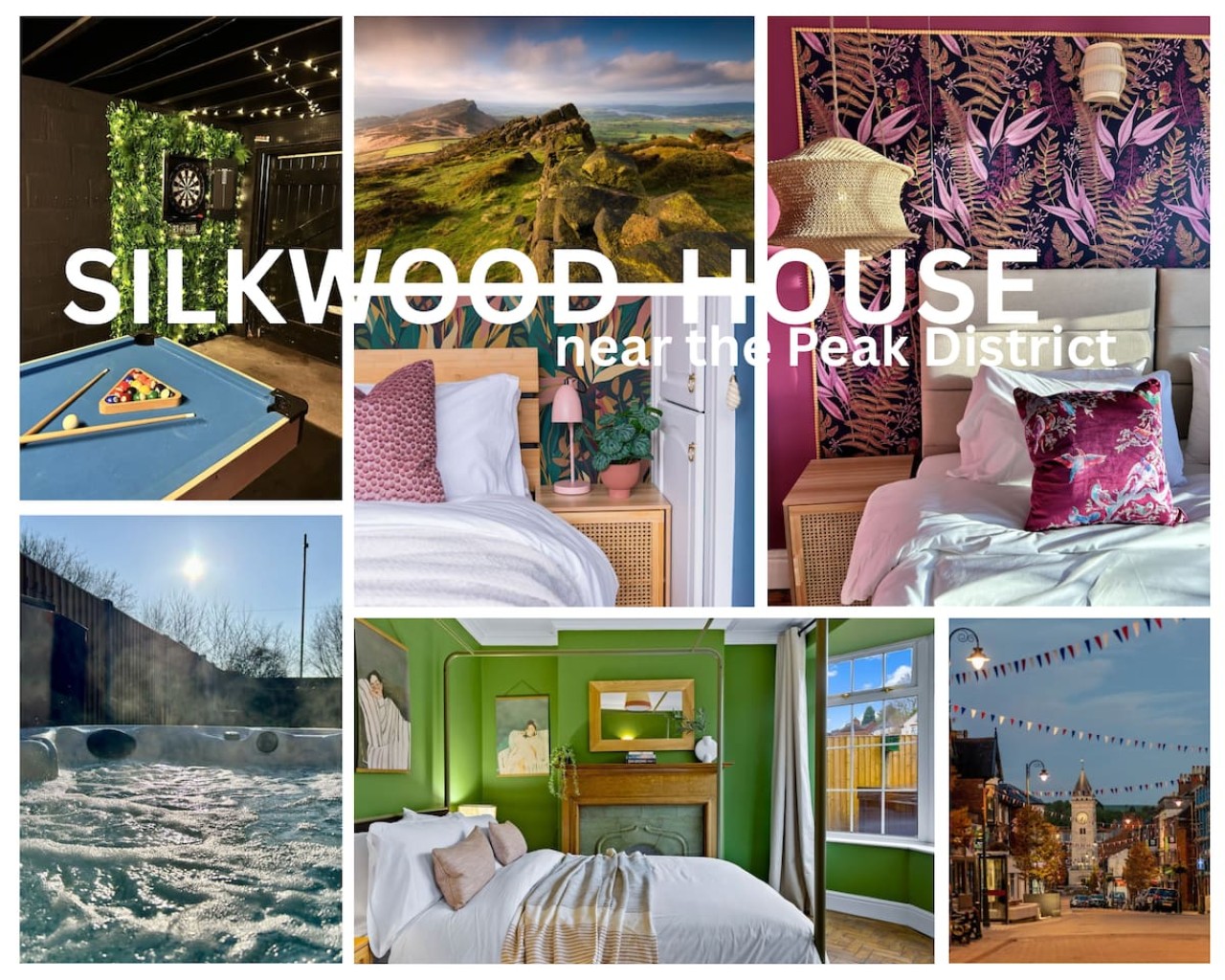
Leek
Silkwood House | Boutique 4 Bed nr. Peak District
- Sleeps 8
- 4 bedrooms
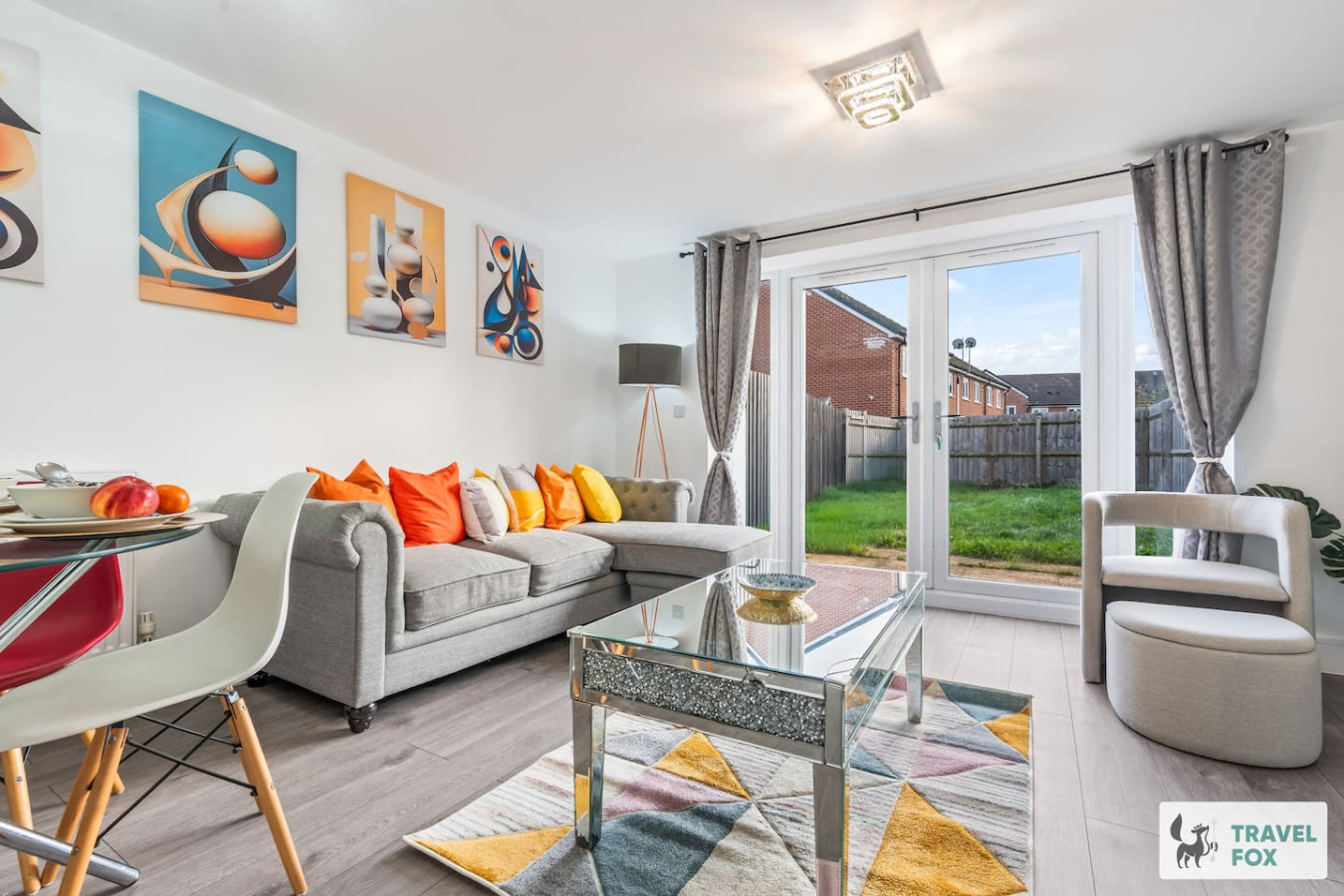
Stoke-on-Trent
Heather's House
- Sleeps 6
- 2 bedrooms
For homeowners
Own a holiday home near Enville?
We manage holiday lets across Staffordshire from 12% commission, charged after cleaning costs, with no lock-in. A co-founder visits before you decide.
Holiday let management in Staffordshire →
A guide with a point of view
Written from research. Edited for real journeys.
Use the Official site links for live practical details, then use this guide for context, ideas and room to explore.
Photography credits & licences
Third-party photographs are credited to their named creators and reused under the linked Creative Commons licence or public-domain dedication. Travel Fox stores an optimised local copy; the file-specific changes and any browser-applied display crop are disclosed below. Reused photographs link both to the Wikimedia Commons source record and to the declared source image; Travel Fox's own photographs carry no such record and are marked as ours. These image licences do not cover Travel Fox text, branding or page design.
- File:The Church of St Mary at Enville ... - geograph.org.uk - 2792441.jpg — photograph by John Evans; The Church of St Mary at Enville ... by John Evans. Source record on Wikimedia Commons. Declared source image. Licence: CC BY-SA 2.0. File changes: Downloaded from Wikimedia Commons, resized to a maximum 1920px edge and encoded as an optimised JPEG. Display changes: Displayed with responsive CSS cropping.
Sources
Every place on this page is checked against a published source. Each entry links the record we used and names who publishes it.
- The Cat Inn — camra.org.uk operator, sector body or destination organisation
- St Mary's Church — achurchnearyou.com national body or asset manager
- Holy Austin Rock Houses — nationaltrust.org.uk national body or asset manager
- Highley Station, Severn Valley Railway — svr.co.uk other published source
- The Fox Inn, Stourton — foxinn-stourton.co.uk operator, sector body or destination organisation