

Canal edge, Chase gateway
Little Haywood
Follow the towpath, cross an ancient packhorse bridge and choose between two characterful village pubs.
- Waterway
- Trent & Mersey Canal
- Historic crossing
- Essex Bridge
- Landscape edge
- Cannock Chase
Photo: Roger D Kidd · CC BY-SA 2.0 · cropped
The Fox verdict
A canalside village made for a walk into bigger landscapes
Little Haywood is strongest as a walking base: the canal runs beside the village, while the Staffordshire Way leads across Essex Bridge towards Shugborough.
Start with the towpath or the bridge, give Shugborough or the Chase the longer part of the day, then return to one of the two Main Road pubs.
Where to go
Places in Little Haywood
Every place below is checked against a published source, listed with what it is and how long to give it.
Local signatures
3 placesThe Red Lion
A traditional country pub with a beer garden, bar snacks, and a welcome for dogs and muddy boots in the bar.
- Visit length
- Editorial estimate: About 45 minutes
- Locality
- Main Road, Little Haywood
Shugborough Estate
Explore a Georgian house, parkland, walled garden, park farm and walking trails on the neighbouring National Trust estate.
- Visit length
- Editorial estimate: About 2 hours 30 minutes
- Locality
- Shugborough Estate, near Great Haywood
Cannock Chase at Seven Springs
Use Seven Springs as the named point for a walk through the open Cannock Chase landscape beside Little Haywood.
- Visit length
- Editorial estimate: About 2 hours
- Locality
- Seven Springs, Cannock Chase
Food & drink
1 place
The Lamb & Flag
A traditional pub in a late-18th-century Grade II listed building, with dark wood, tiled floors, real ales, pub games and a real fire.
- Visit length
- Editorial estimate: About 45 minutes
- Locality
- Main Road, Little Haywood
Walks & outdoors
1 placeTrent & Mersey Canal Towpath
Walk the village stretch of the canal opened in 1777, following the towpath beside passing boats and towards the surrounding parkland.
- Visit length
- Editorial estimate: About 1 hour
- Locality
- alongside Little Haywood
History & heritage
1 placeEssex Bridge
Cross the ancient packhorse bridge on the Staffordshire Way and inspect the more than 14 segmental arches that remain.
- Visit length
- Editorial estimate: About 30 minutes
- Locality
- west of Great Haywood, at the east end of Shugborough Hall estate
No places match this filter. Choose All places to reset the list.
Three ways to explore Little Haywood
Signature outings
Walk the village towpath
Take the Trent & Mersey Canal along Little Haywood's edge and use its towpath as the easy thread through the village landscape.
Settle into the Lamb & Flag
Pause among dark wood and tiled floors for real ale, pub games and the building's unsettling William Palmer story.
Count the surviving arches
Cross Essex Bridge towards Shugborough and follow its long run of more than 14 surviving segmental arches.
The village story
Little Haywood Village Guide
A canal-edge village of pub stories, abbey history and paths into Shugborough and Cannock Chase.
Canal Water and Pub Gardens
The Trent & Mersey Canal runs along the edge of Little Haywood, making its towpath a useful route through the village. Completed in 1777, the canal continues towards Great Haywood and the surrounding parkland.
There are two Main Road pubs for a pause after a walk. The Red Lion sits near the canal on the edge of Cannock Chase. It serves fresh rolls and bar snacks; dogs and muddy boots are welcome in the bar, and there is a beer garden for warmer days.
Real Ale and the Rugeley Poisoner
The Lamb & Flag is a Grade II listed pub dating from the late 18th century. Dark wood panelling and tiled floors set the scene for darts, crib, bingo and a real fire. Wye Valley HPA is listed as a regular cask ale, with a changing beer alongside it.
A darker local story links William Palmer, later known as the Rugeley Poisoner, to a drinking contest with plumber and glazier George Abley. Abley was carried home and died in bed later that evening.
Provisions and Abbey History
St Michael and All Angels in neighbouring Colwich serves Little Haywood as its parish church.
Along Main Road stands the Grade II listed St Mary's Abbey, first occupied by Benedictine nuns in 1836. The former Colwich community left in 2020; the Benedictines of Mary, Queen of Apostles are now based there.
Packhorse Arches and Tolkien
The Staffordshire Way follows the towpath to Essex Bridge and crosses the Trent into Shugborough's parkland. Historic England records more than 14 segmental arches in the surviving bridge and notes that the crossing was repaired in 1583. The route continues through the estate towards Cannock Chase.
Edith Tolkien took lodgings in Great Haywood in April 1916. J.R.R. Tolkien joined her there while recovering from trench fever that December and began the first prose version of The Book of Lost Tales during the 1916–17 stay. Their later stay at Gipsy Green, near Penkridge, was in 1918.
The Towpath Way Out
Route 828 connects Little Haywood with Stafford, Rugeley and Lichfield. On foot, the towpath leads towards the estate crossing.
Stay around Staffordshire
Make a longer stay of it
Travel Fox holiday homes around Staffordshire, linked directly to their property pages.
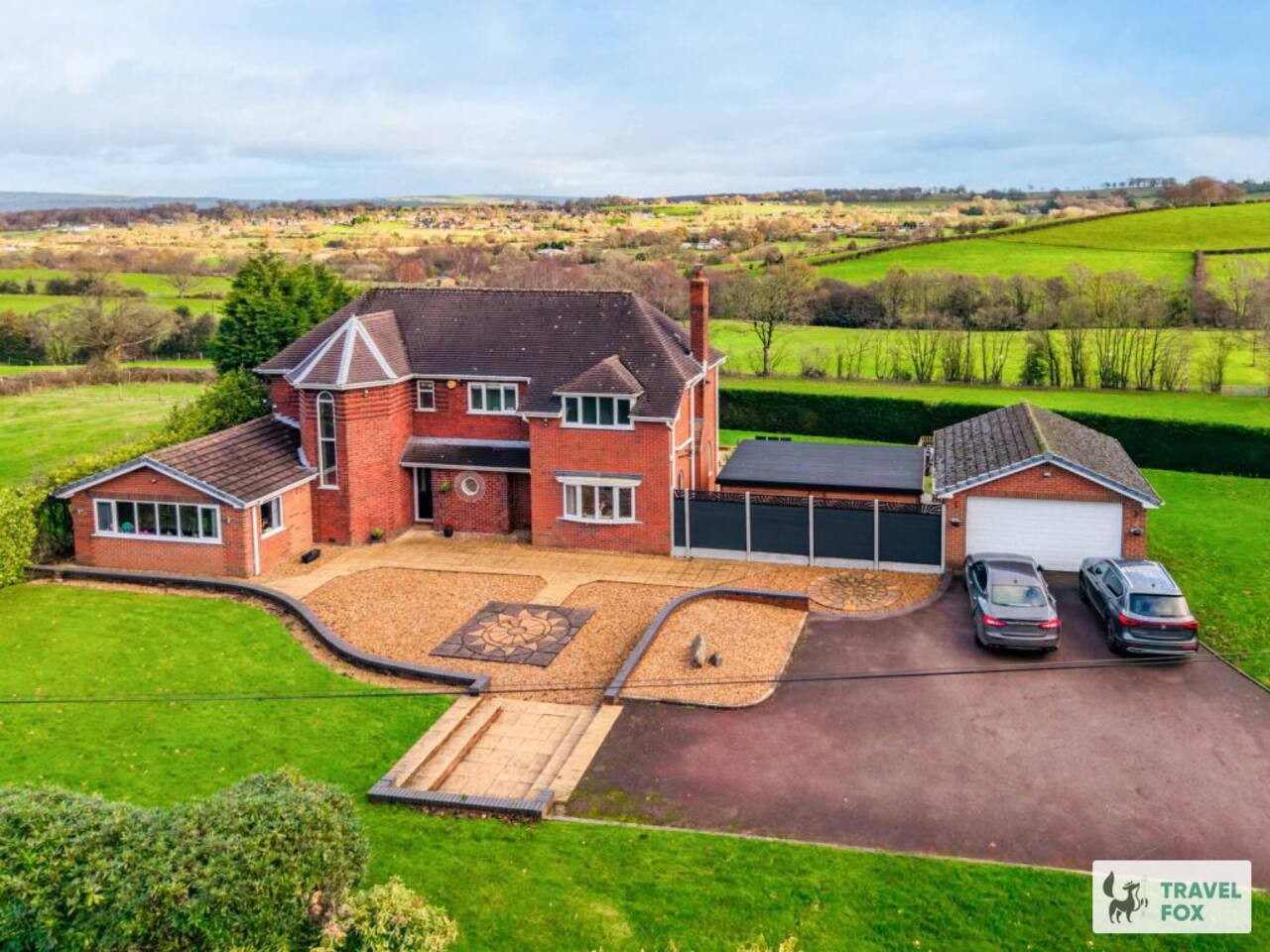
Cheddleton
Greenways House - Parking, Pool Table and Garden!
- Sleeps 10
- 4 bedrooms
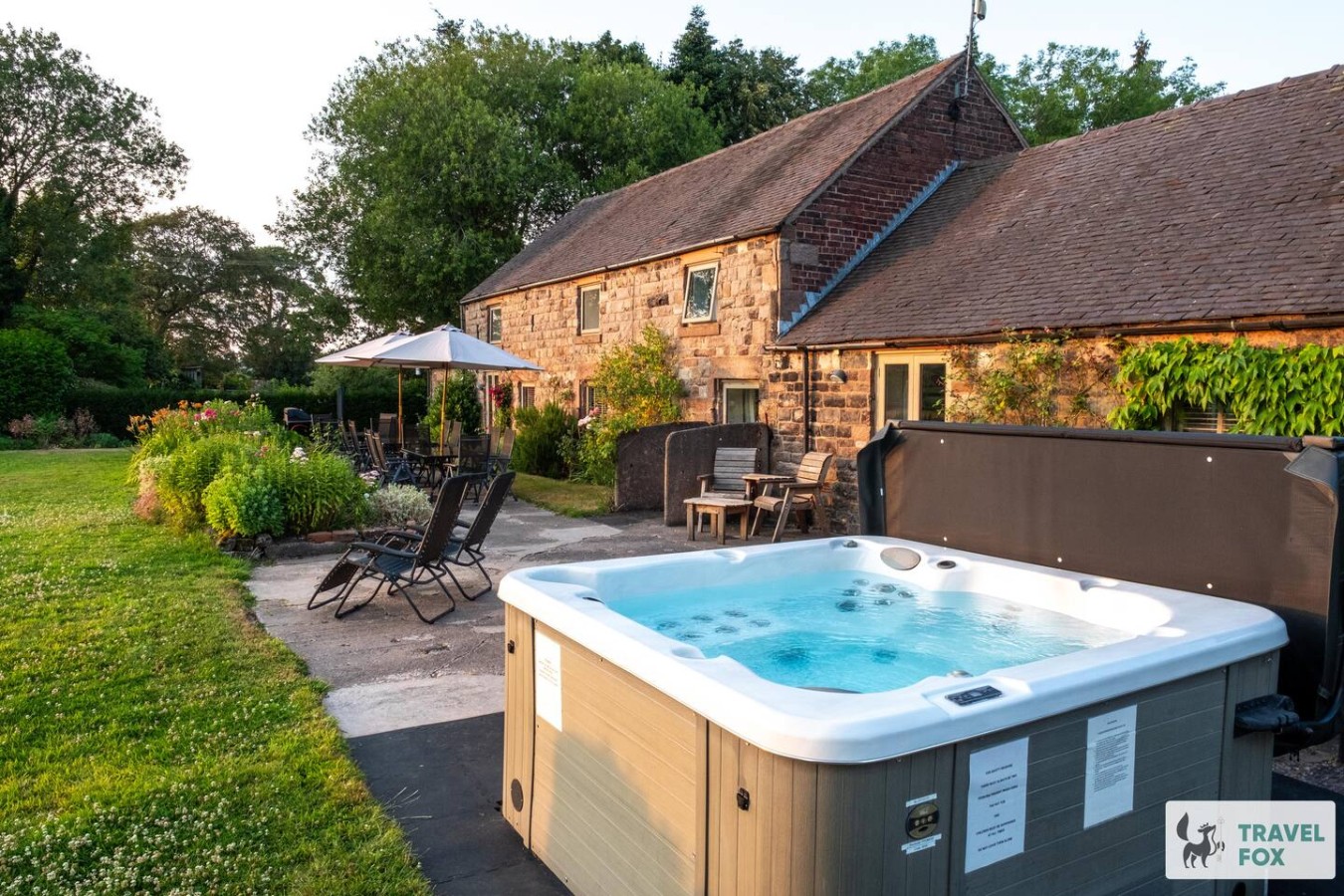
Cheddleton
Lee House Cottage + Annexe
- Sleeps 19
- 8 bedrooms

Leek
Silkwood House | Boutique 4 Bed nr. Peak District
- Sleeps 8
- 4 bedrooms
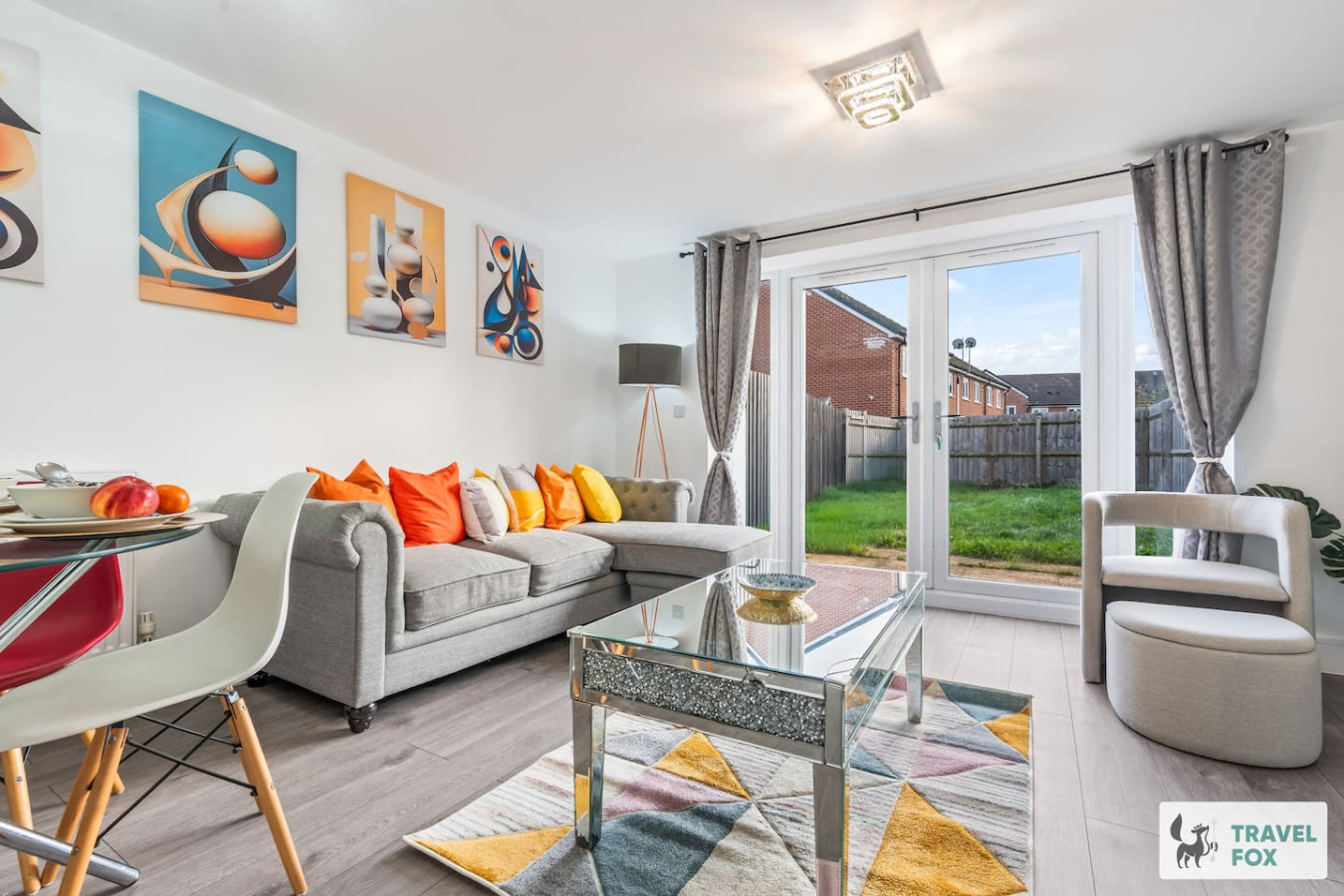
Stoke-on-Trent
Heather's House
- Sleeps 6
- 2 bedrooms
For homeowners
Own a holiday home near Little Haywood?
We manage holiday lets across Staffordshire from 12% commission, charged after cleaning costs, with no lock-in. A co-founder visits before you decide.
Holiday let management in Staffordshire →
A guide with a point of view
Written from research. Edited for real journeys.
Use the Official site links for live practical details, then use this guide for context, ideas and room to explore.
Photography credits & licences
Third-party photographs are credited to their named creators and reused under the linked Creative Commons licence or public-domain dedication. Travel Fox stores an optimised local copy; the file-specific changes and any browser-applied display crop are disclosed below. Reused photographs link both to the Wikimedia Commons source record and to the declared source image; Travel Fox's own photographs carry no such record and are marked as ours. These image licences do not cover Travel Fox text, branding or page design.
- File:The Lamb and Flag in Little Haywood, Staffordshire - geograph.org.uk - 6917370.jpg — photograph by Roger D Kidd; The Lamb and Flag in Little Haywood, Staffordshire by Roger D Kidd. Source record on Wikimedia Commons. Declared source image. Licence: CC BY-SA 2.0. File changes: Downloaded from Wikimedia Commons, resized to a maximum 1920px edge and encoded as an optimised JPEG. Display changes: Displayed with responsive CSS cropping.
Sources
Every place on this page is checked against a published source. Each entry links the record we used and names who publishes it.
- Trent & Mersey Canal Towpath — canalrivertrust.org.uk national body or asset manager
- The Red Lion — theredlionlittlehaywood.co.uk operator, sector body or destination organisation record not machine-readable; publisher restricts automated access
- The Lamb & Flag — historicengland.org.uk statutory register or public authority record not machine-readable; publisher restricts automated access
- Essex Bridge — historicengland.org.uk statutory register or public authority record not machine-readable; publisher restricts automated access
- Shugborough Estate — nationaltrust.org.uk national body or asset manager
- Cannock Chase at Seven Springs — cannockchase.org.uk operator, sector body or destination organisation