

A brookside Staffordshire village
Rolleston-on-Dove
Follow medieval stone, railway traces and Alder Brook through a village whose history still shapes an easy day out.
- Best for
- Brookside history and easy village walks
- Give it
- Room in a wider Dove valley itinerary
- Don't miss
- The unusual north door at St Mary's
Photo: Secretary2006 · CC BY-SA 4.0 · cropped
The Fox verdict
Small-scale history in the Dove valley
Rolleston-on-Dove works best as a gentle village visit: church details, an old railway trail, local food and a brookside pub can all share the same itinerary.
The village rewards visitors who look for small-scale detail without pretending to be a major attraction. Its strongest stops are closely tied to local history, while Tutbury, Barton-under-Needwood and the National Memorial Arboretum broaden a longer stay.
Where to go
Places in Rolleston-on-Dove
Every place below is checked against a published source, listed with what it is and how long to give it.
Local signatures
3 places
Start here
The Spread Eagle
A historic village pub with linked beamed rooms, a real fire, a rear garden and a narrow patio overlooking Alder Brook.
- Visit length
- Editorial estimate: Allow around 1 hour 15 minutes
- Locality
- Rolleston-on-Dove
St Mary's Church
A Grade I church with a Romanesque core, an unusual north-side main door, Kempe glass and eight bells, the oldest cast in 1586.
- Visit length
- Editorial estimate: Allow around 45 minutes
- Locality
- Rolleston-on-Dove
- Access
- Check the official listing before travel.
Jinnie Trail
A roughly 2km walk along the former North Staffordshire Railway branch line, with sections of the old station still visible.
- Visit length
- Editorial estimate: Allow around 1 hour 15 minutes
- Locality
- Rolleston-on-Dove
Food & drink
2 placesThe Jinnie Inn
A traditional pub named after the old railway branch, with low timber beams, a winter fire, a beer garden and freshly cooked dishes.
- Visit length
- Editorial estimate: Allow around 1 hour 15 minutes
- Locality
- Rolleston-on-Dove
Ian Barker Butchers
A long-established butcher sourcing from local farms and making bacon, sausages, burgers, cooked meats and pies on the premises.
- Visit length
- Editorial estimate: Allow around 20 minutes
- Locality
- Rolleston-on-Dove
Walks & outdoors
1 placeBarton Marina
A lakeside stop combining waterside walks with boutique shops, a cinema and places to eat.
- Visit length
- Editorial estimate: Allow around 1 hour 15 minutes
- Locality
- Barton-under-Needwood
History & heritage
2 placesTutbury Castle
Medieval castle ruins on a bluff above the River Dove, encountered on a longer circular walk from Rolleston via Marston-on-Dove and Hatton.
- Visit length
- Editorial estimate: Allow around 1 hour 30 minutes
- Locality
- Tutbury
- Access
- Check the official public-body listing and current visitor arrangements before travel.
National Memorial Arboretum
A nearby site of remembrance laid out with themed memorial gardens.
- Visit length
- Editorial estimate: Allow around 2 hours 30 minutes
- Locality
- Alrewas
- Access
- Check the official site before making a dedicated visit.
No places match this filter. Choose All places to reset the list.
Three ways to explore Rolleston-on-Dove
Signature outings
Take a brookside table
The Spread Eagle's narrow rear patio places picnic tables directly beside Alder Brook.
Meet the Dove from above
Tutbury Castle's ruins occupy a bluff above the River Dove on one of the longer routes beyond Rolleston.
Make time for the marina
Barton Marina adds lakeside walking, small shops, a cinema and waterside dining to a longer local day.
The village story
The village the brook and railway made
The original Travel Fox article moves from pub names and handmade pies to Norman stone, a vanished hall, ten walking routes and a cricket club rooted in 1871.
The eagle over Alder Brook
The Spread Eagle sits on the bridge over Alder Brook and has been most things a building can be before it settled on pub: schoolhouse, courthouse, alehouse, hotel, dating to around the 16th century. It was the Mosley Arms first, then the Eagle Child, before becoming the Spread Eagle in 1851, taking its name and emblem from the Mosley family, who arrived in Rolleston in 1614 and took a spread eagle as their crest.
Inside it's open-plan, linked rooms around a central bar, high and low beamed ceilings, a real fire, free Wi-Fi. Wednesday is Vintage Pie Day, Friday is Fish Day, and the real ales run to Marston's Pedigree and Sharp's Doom Bar plus two changing guests, the pub Cask Marque accredited to five stars. Out the back there's a courtyard, a garden and a narrow patio over the brook, picnic tables set right against the water.
The Jinnie and the village counter
The Jinnie Inn, on Station Road, is named after the old North Staffordshire Railway branch line locals called the Jinnie. Nothing here comes out of a bag, according to the pub itself, and in summer a wood-fired pizza oven runs alongside fish and chips, lamb, lasagne and a Sunday dinner you can take away — 4.4 out of 5 across more than 1,500 reviews on Restaurant Guru, low timber-beamed ceilings, an open fire in winter, a beer garden for summer.
Ian Barker Butchers on Chapel Lane has traded more than 45 years, sourcing meat from local farms, curing its own bacon and making sausages, burgers and pies by hand.
Stone, glass and a vanished hall
St Mary's Church has its main door on the north side, which is the wrong side by most churches' logic. The south entrance was kept private, for the Mosley family up at Rolleston Hall, who had reserved seating in the south aisle. The Romanesque core dates to 1130, the tower to the 14th century, restored in 1892 by Sir Arthur Blomfield. There's Kempe glass in the chancel and eight bells, the oldest cast in 1586.
Rolleston Hall is gone, sold at auction in 1923 and mostly demolished by 1925; only its lake and two entrance lodges remain. Sir Oswald Mosley, later the founder of the British Union of Fascists, spent part of his childhood there — a fact the village carries rather than advertises. Rolleston first appears in a charter of 942, and by 1086 Domesday records 36 households here, valued at £10 a year to the lord, Henry of Ferrers.
Ten ways out from the lychgate
Ten waymarked local walks start from the lychgate at St Mary's, five staying inside the parish, the rest reaching Anslow, Tutbury and Hatton, one passing Tutbury Castle's ruins on their bluff above the Dove. Two main roads run through the village, the A38 is close by, and the 1A and V1 buses call through between Burton, Tutbury and Hatton.
A village still playing together
"Everyone gets on here, there's never been any animosity in Rolleston," a long-time resident told Staffordshire Live. The village's cricket club has been going since 1871 and now fields four senior sides, which is a lot of cricket for a place this size.
Stay around Staffordshire
Make a longer stay of it
Travel Fox holiday homes around Staffordshire, linked directly to their property pages.
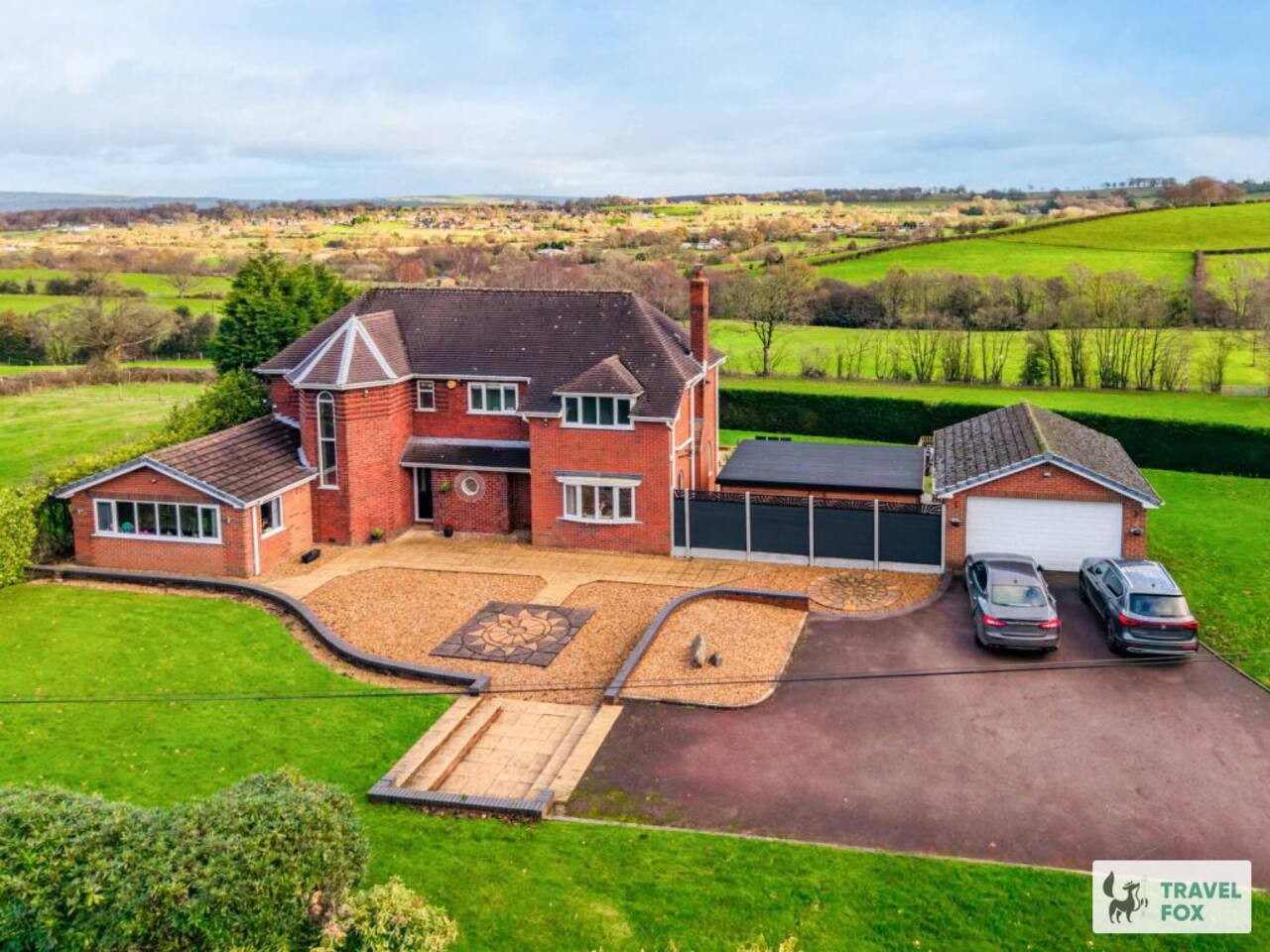
Cheddleton
Greenways House - Parking, Pool Table and Garden!
- Sleeps 10
- 4 bedrooms
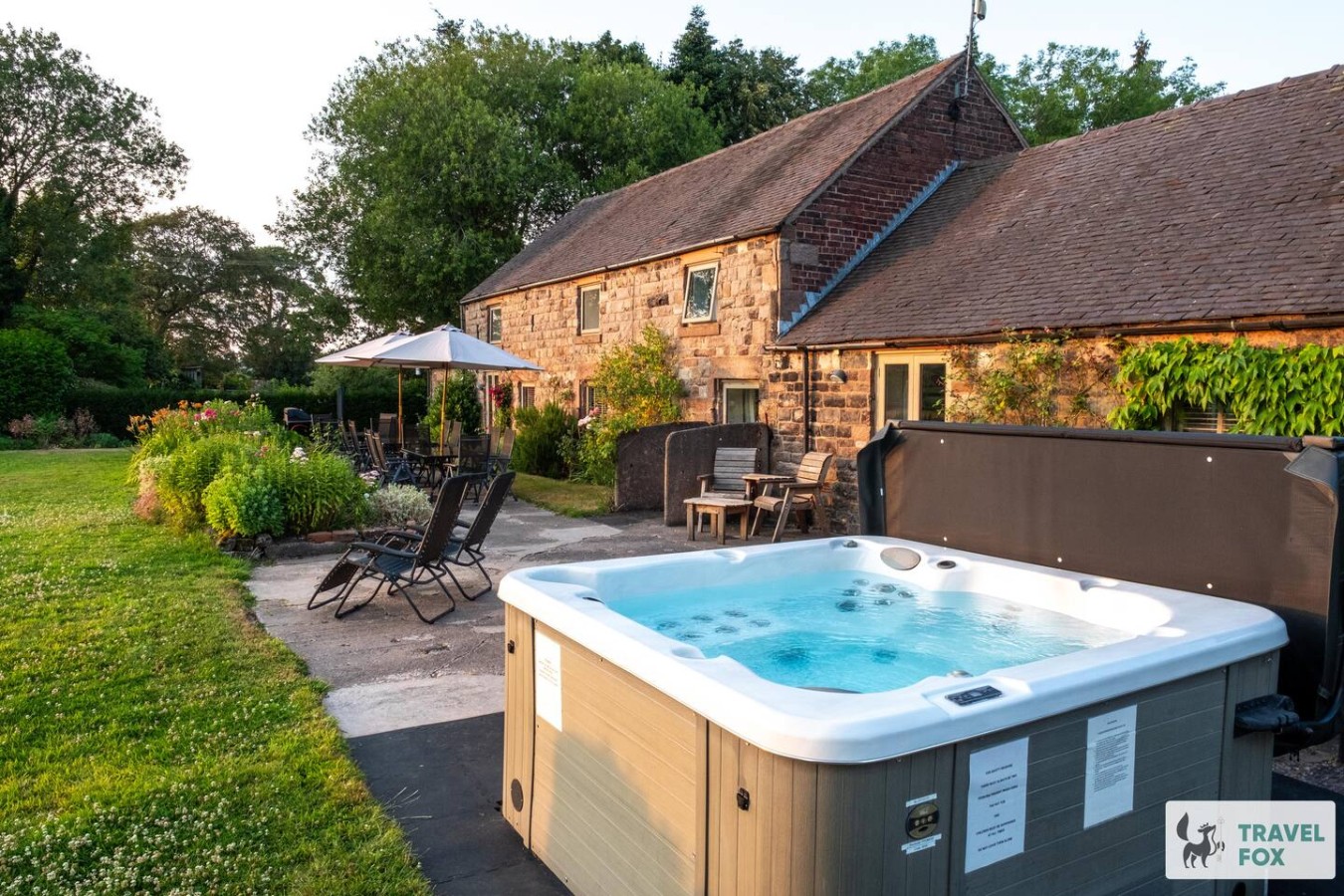
Cheddleton
Lee House Cottage + Annexe
- Sleeps 19
- 8 bedrooms
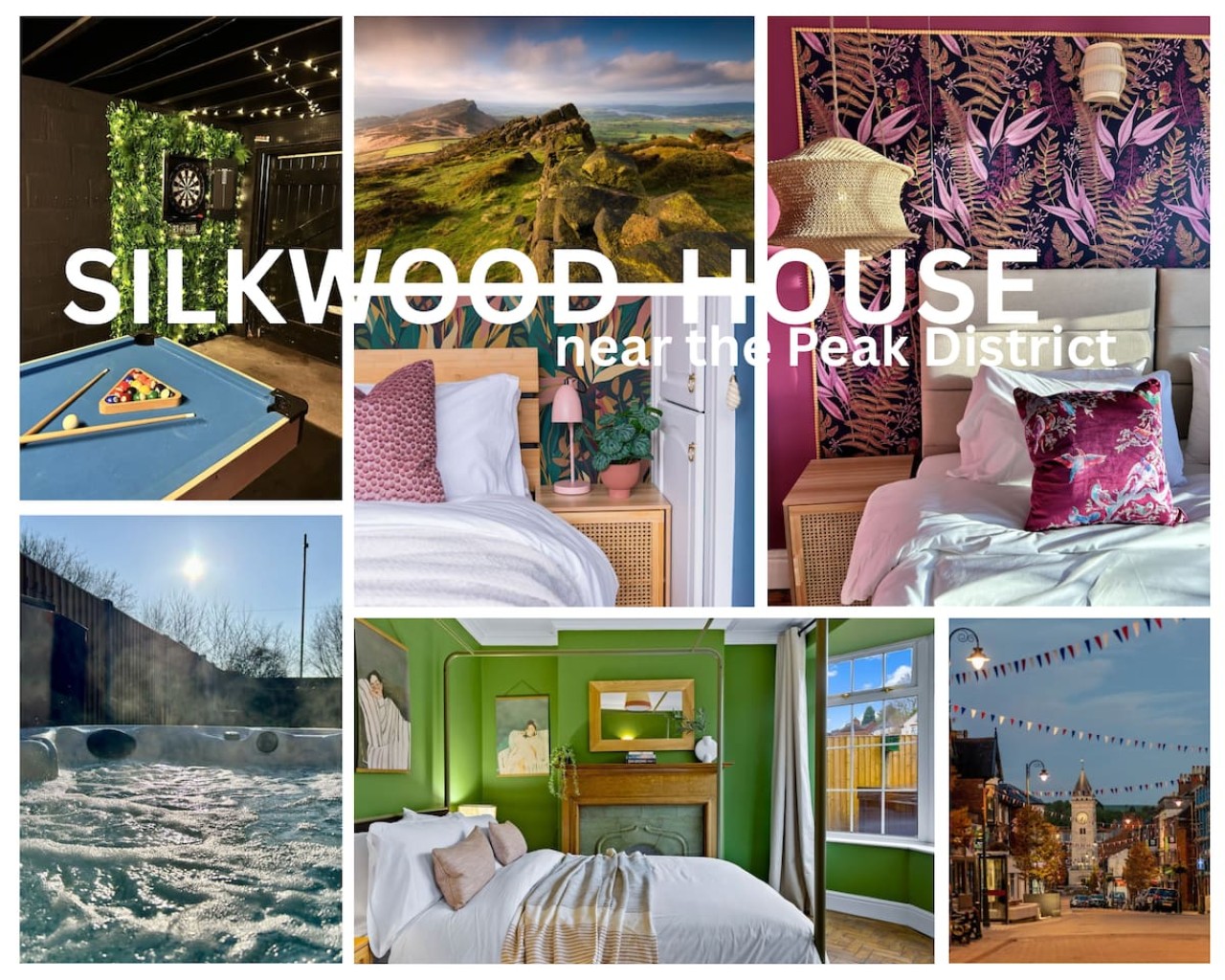
Leek
Silkwood House | Boutique 4 Bed nr. Peak District
- Sleeps 8
- 4 bedrooms
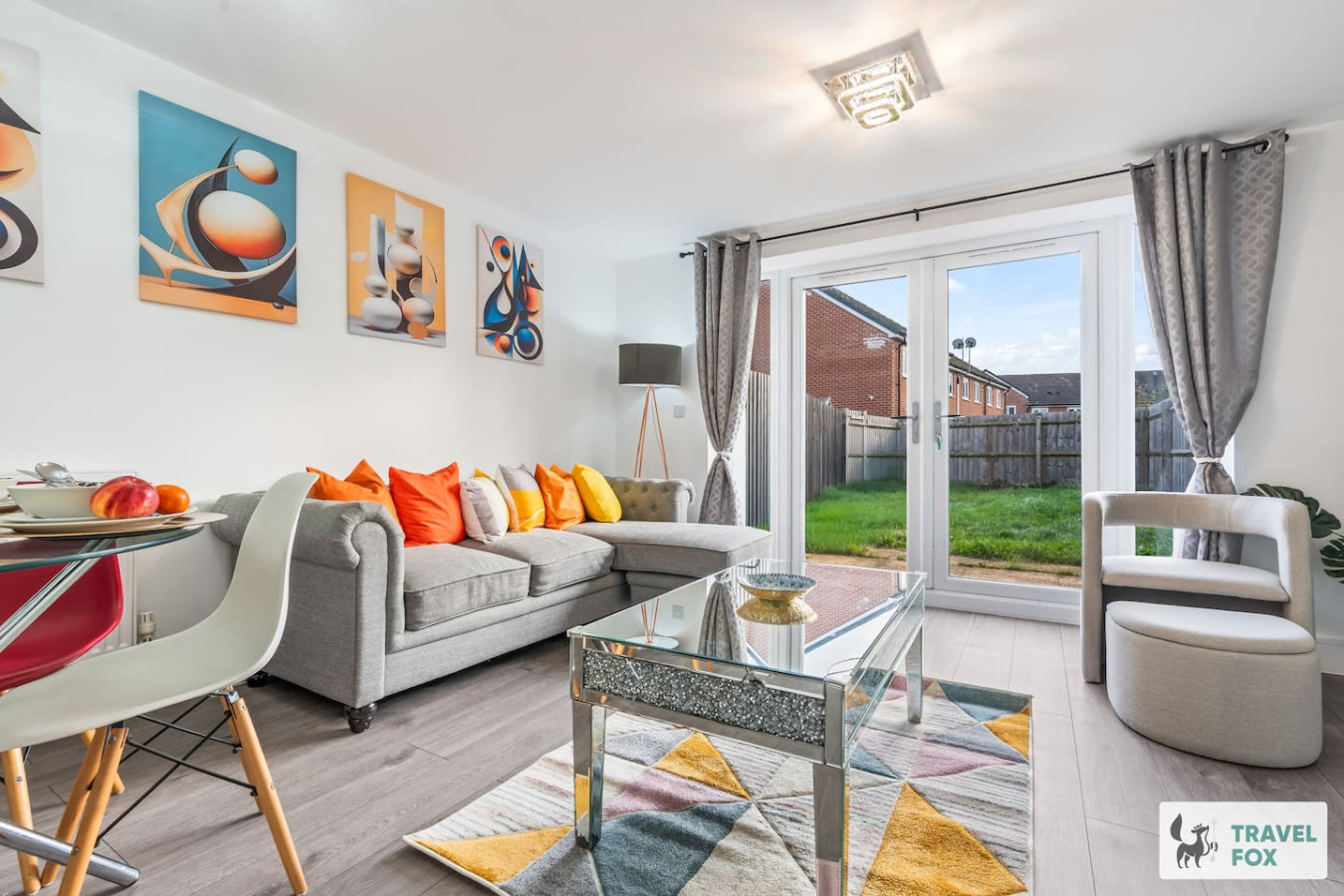
Stoke-on-Trent
Heather's House
- Sleeps 6
- 2 bedrooms
For homeowners
Own a holiday home near Rolleston-on-Dove?
We manage holiday lets across Staffordshire from 12% commission, charged after cleaning costs, with no lock-in. A co-founder visits before you decide.
Holiday let management in Staffordshire →
A guide with a point of view
Written from research. Edited for real journeys.
Use the Official site links for live practical details, then use this guide for context, ideas and room to explore.
Photography credits & licences
Third-party photographs are credited to their named creators and reused under the linked Creative Commons licence or public-domain dedication. Travel Fox stores an optimised local copy; the file-specific changes and any browser-applied display crop are disclosed below. Reused photographs link both to the Wikimedia Commons source record and to the declared source image; Travel Fox's own photographs carry no such record and are marked as ours. These image licences do not cover Travel Fox text, branding or page design.
- File:The Spread Eagle- Rolleston on Dove.jpg — photograph by Secretary2006; Own work. Source record on Wikimedia Commons. Declared source image. Licence: CC BY-SA 4.0. File changes: Downloaded from Wikimedia Commons, resized to a maximum 1920px edge and encoded as an optimised JPEG. Display changes: Displayed with responsive CSS cropping.
Sources
Every place on this page is checked against a published source. Each entry links the record we used and names who publishes it.
- The Spread Eagle — historicengland.org.uk statutory register or public authority record not machine-readable; publisher restricts automated access
- The Jinnie Inn — jinnieburtonupontrent.co.uk operator, sector body or destination organisation
- Ian Barker Butchers — ratings.food.gov.uk statutory register or public authority
- St Mary's Church — achurchnearyou.com national body or asset manager
- Jinnie Trail — discovereaststaffordshire.com operator, sector body or destination organisation
- Tutbury Castle — historicengland.org.uk statutory register or public authority record not machine-readable; publisher restricts automated access
- Barton Marina — bartonmarina.co.uk operator, sector body or destination organisation
- National Memorial Arboretum — thenma.org.uk other published source