

Canal meadows and village stories
Salt
Salt pairs a characterful thatched inn and unusual Victorian church with boots-on towpath country and the waterways heritage around Great Haywood.
- Best for
- Towpath walks and quiet heritage
- Give it
- Editorial estimate: a relaxed half-day
- Don't miss
- The inn's salt cupboard
Photo: Alf Beard · CC BY-SA 2.0 · cropped
The Fox verdict
A tiny village with a strong sense of place
Come for the flat canal meadows, the Holly Bush's inglenook and a church whose rose window and bell turret face east.
Salt is best treated as a compact rural base rather than a checklist. Walk first, look closely at St James the Great, then settle into the village's sole pub; Great Haywood, Essex Bridge and Shugborough add a worthwhile nearby waterside chapter.
Where to go
Places in Salt
Every place below is checked against a published source, listed with what it is and how long to give it.
Local signatures
3 placesSalt and the Trent & Mersey Canal Walk
A circular mix of towpath, footpaths and quiet lanes through Salt's Trent valley landscape and Sandon Park.
- Visit length
- Editorial estimate: Allow around 2 hours 15 minutes.
- Locality
- Salt and Sandon
- Access
- The four-mile route has nine stiles, one gentle climb and two A51 crossings using the central grass strip.
Great Haywood Canal Junction
A waterside junction where the Staffordshire & Worcester Canal meets the Trent & Mersey beside a distinctive horseshoe bridge.
- Visit length
- Editorial estimate: Allow around 1 hour.
- Locality
- Great Haywood
Shugborough Estate
A National Trust estate for parkland walking, the hall and Sherbrook Valley trails on the edge of Cannock Chase.
- Visit length
- Editorial estimate: Allow around 3 hours.
- Locality
- Shugborough
- Access
- Check the National Trust visitor information before travel.
Food & drink
1 place
The Holly Bush at Salt
A traditional thatched inn with an inglenook salt cupboard, pub food, cask ale, a large rear garden and dog-friendly bar and snug.
- Visit length
- Editorial estimate: Allow around 1 hour 30 minutes for a meal or drink.
- Locality
- Willowmore Banks, Salt
History & heritage
2 placesSt James the Great
A Grade II-listed Gothic Revival church built in 1840–42, notable for its east-end rose window and bell turret and its richly detailed interior.
- Visit length
- Editorial estimate: Allow around 30 minutes.
- Locality
- Salt
- Access
- Check local access arrangements before relying on entry.
Essex Bridge
A Grade I-listed 16th-century packhorse bridge over the Trent, with fourteen of its original forty round-arched spans surviving.
- Visit length
- Editorial estimate: Allow around 30 minutes.
- Locality
- Great Haywood
No places match this filter. Choose All places to reset the list.
Three ways to explore Salt
Signature outings
Find the cupboard made for salt
Settle into the Holly Bush and look for the salt cupboard built into its huge inglenook fireplace.
Spot the east-end surprise
At St James the Great, the rose window and bell turret sit at the east end rather than the more usual west.
Count the surviving arches
Walk over Essex Bridge, where fourteen round arches remain from the original forty.
The village story
Salt, from the inglenook to the towpath
A cupboard built for salt opens onto canal country, an unconventional church, deep village history and a hall rebuilt from an army hut.
An inn built around salt
There's a cupboard built into the inglenook fireplace at the Holly Bush Inn that was made for storing salt, from back when salt was worth building furniture around. The pub sits at Willowmore Banks, where the Trent, the Trent & Mersey Canal and the A51 all run close together, and it reopened on 15 January this year after closing the previous September for refurbishment — new flooring, lighting, fresh colours. The tenancy passed to the Hewitt family: Mike and Dawn run the bar, and their son Callum is head chef.
The menu runs from fish fingers and chips through chicken goujons, beer-battered cod and Whitby scampi, up to a burger called the Longhorn — a chargrilled beef patty on a brioche bun with tomato relish, baby gem, apple and cherry cheddar, a pickled gherkin, and skin-on fries with slaw. The cheese on the board comes from Fowlers of Earlswood, self-described as the oldest cheese-making family in England. Dogs are welcome in the bar and snug, with a menu of their own.
Garden ales and the towpath beyond
There's a large garden behind the pub and more seating out front, and on cask you'll usually find Sharp's Doom Bar alongside a couple of guest ales. Tripadvisor rates it 4.2 out of 5 across 333 reviews, 27th of 220 places to eat in Stafford. One reviewer wrote they were "absolutely stuffed but forced to have a pudding which were amazing too."
Salt has one pub and no shops of its own. The canal junction at Great Haywood, where the Trent & Mersey meets the Staffordshire and Worcestershire Canal beside a cobbled bridge, is about 3.9 miles from Salt in a straight line.
Boots, bridges and Gothic surprises
The towpath is the reason to bring boots. North towards Stone it runs flat through the meadows of Weston, Salt and Sandon. A circular walk from the Holly Bush car park covers about four miles and nine stiles, with one gentle climb through Sandon Park and two crossings of the A51 via the central grass strip. About 4.1 miles from Salt in a straight line, Essex Bridge — a sixteenth-century packhorse bridge with fourteen of its original forty arches still standing — is reckoned the longest surviving packhorse bridge in England.
St James the Great, the parish church, is Victorian rather than medieval, built in the early 1840s on land given by the Earl of Shrewsbury — Historic England calls it "a well-detailed mid C19 Gothic revival church retaining original character and detail." The rose window and bell turret sit at the east end instead of the more usual west, and the wooden rood screen was designed by Augustus Pugin, who was busy then with the Houses of Parliament.
From Selte to the Stafford bus
The Domesday Book records the village as Selte: twelve households and a mill, held by Gilbert under Robert of Stafford. The name comes from the salt pits once worked in the area — the cupboard in the pub's fireplace is a much later echo of the same trade.
Stafford station is about 3.9 miles from Salt in a straight line; the road journey is longer. The 841 bus runs through to Stafford and Uttoxeter.
The army hut that learned to dance
The village hall started as an army hut on Cannock Chase, dismantled and rebuilt here in 1927. It's hosted yoga and art classes since, and in 1943 an RAF dance drew about two hundred people through the door — a lot of dancing for a village this size.
Stay around Staffordshire
Make a longer stay of it
Travel Fox holiday homes around Staffordshire, linked directly to their property pages.
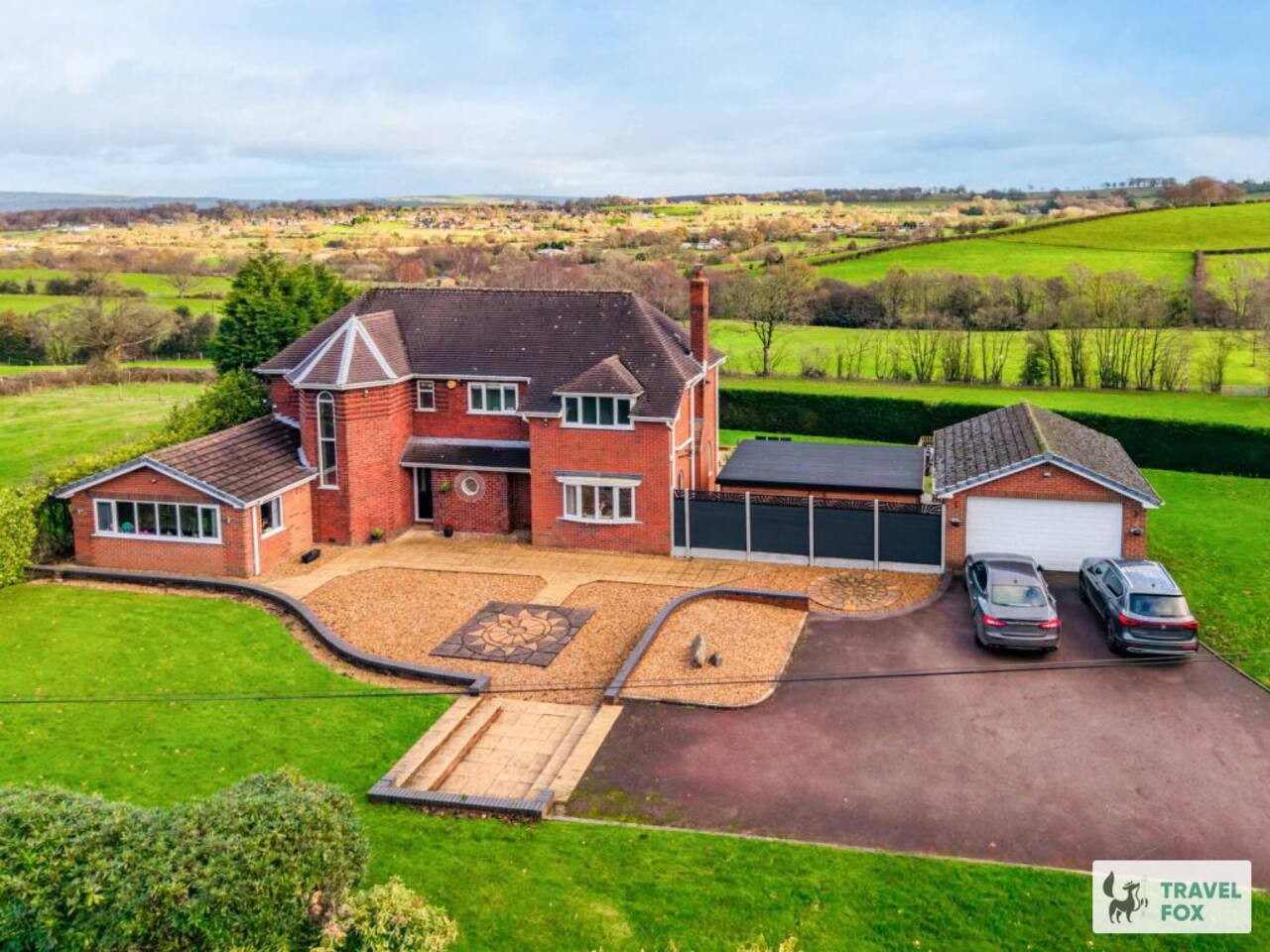
Cheddleton
Greenways House - Parking, Pool Table and Garden!
- Sleeps 10
- 4 bedrooms
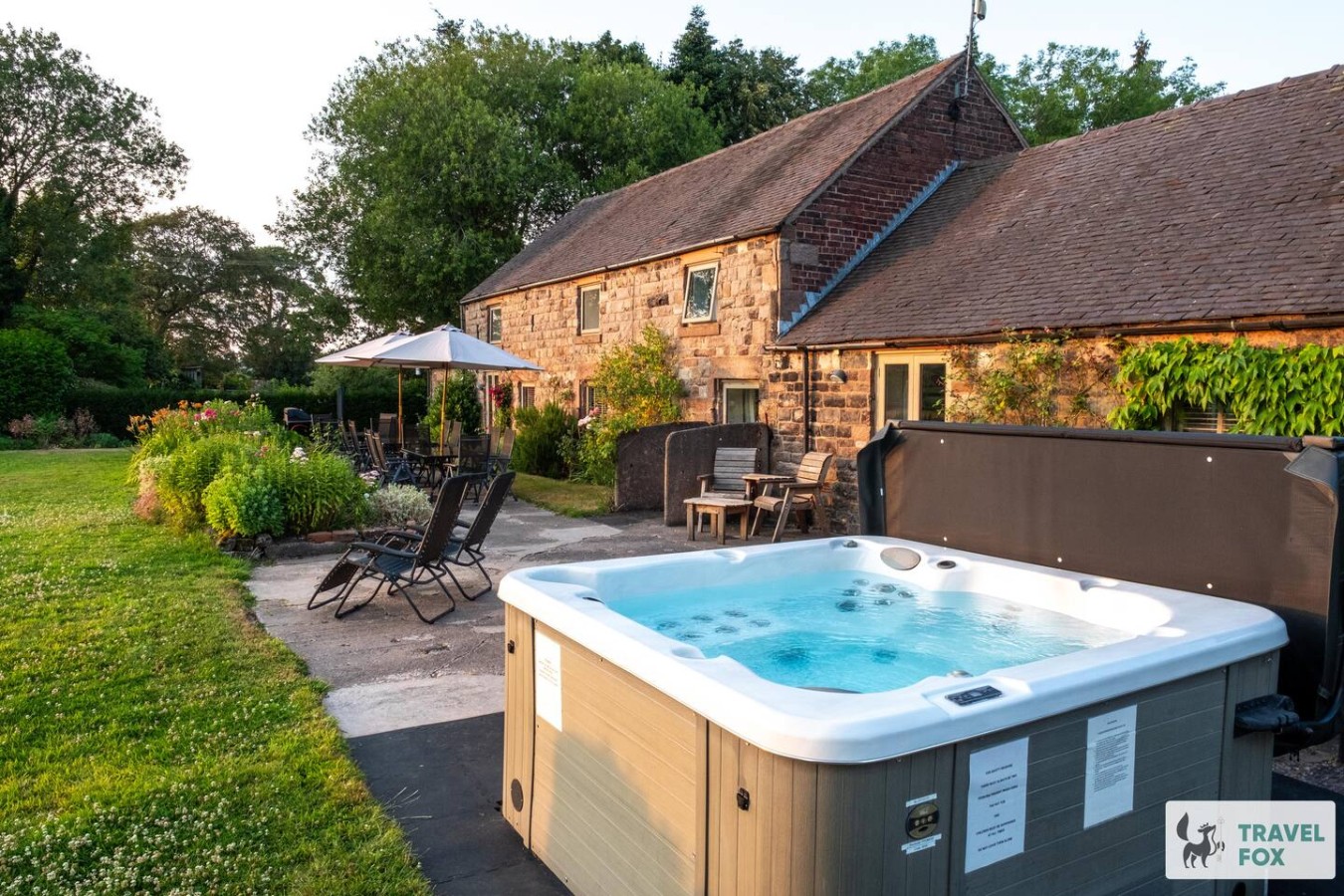
Cheddleton
Lee House Cottage + Annexe
- Sleeps 19
- 8 bedrooms
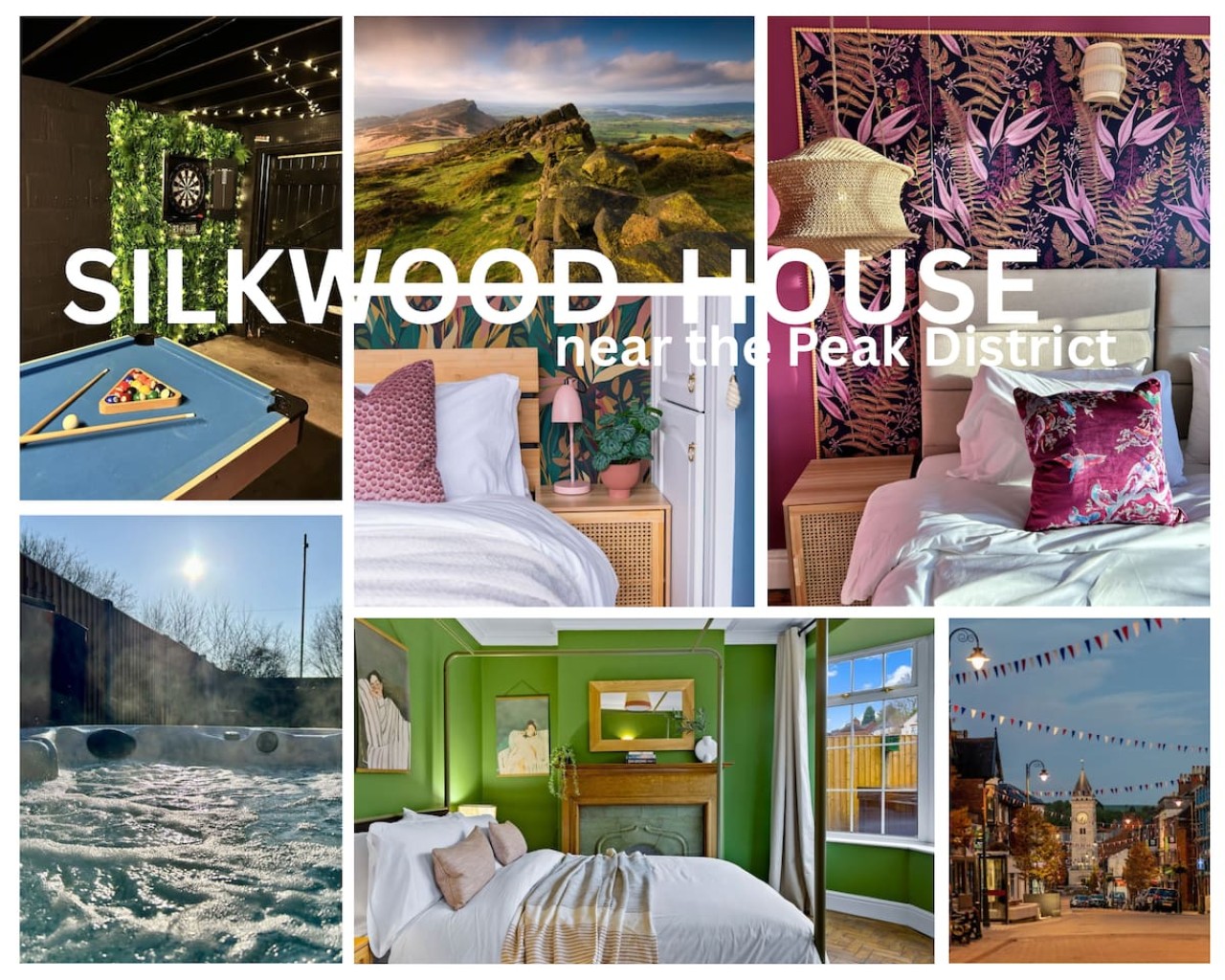
Leek
Silkwood House | Boutique 4 Bed nr. Peak District
- Sleeps 8
- 4 bedrooms
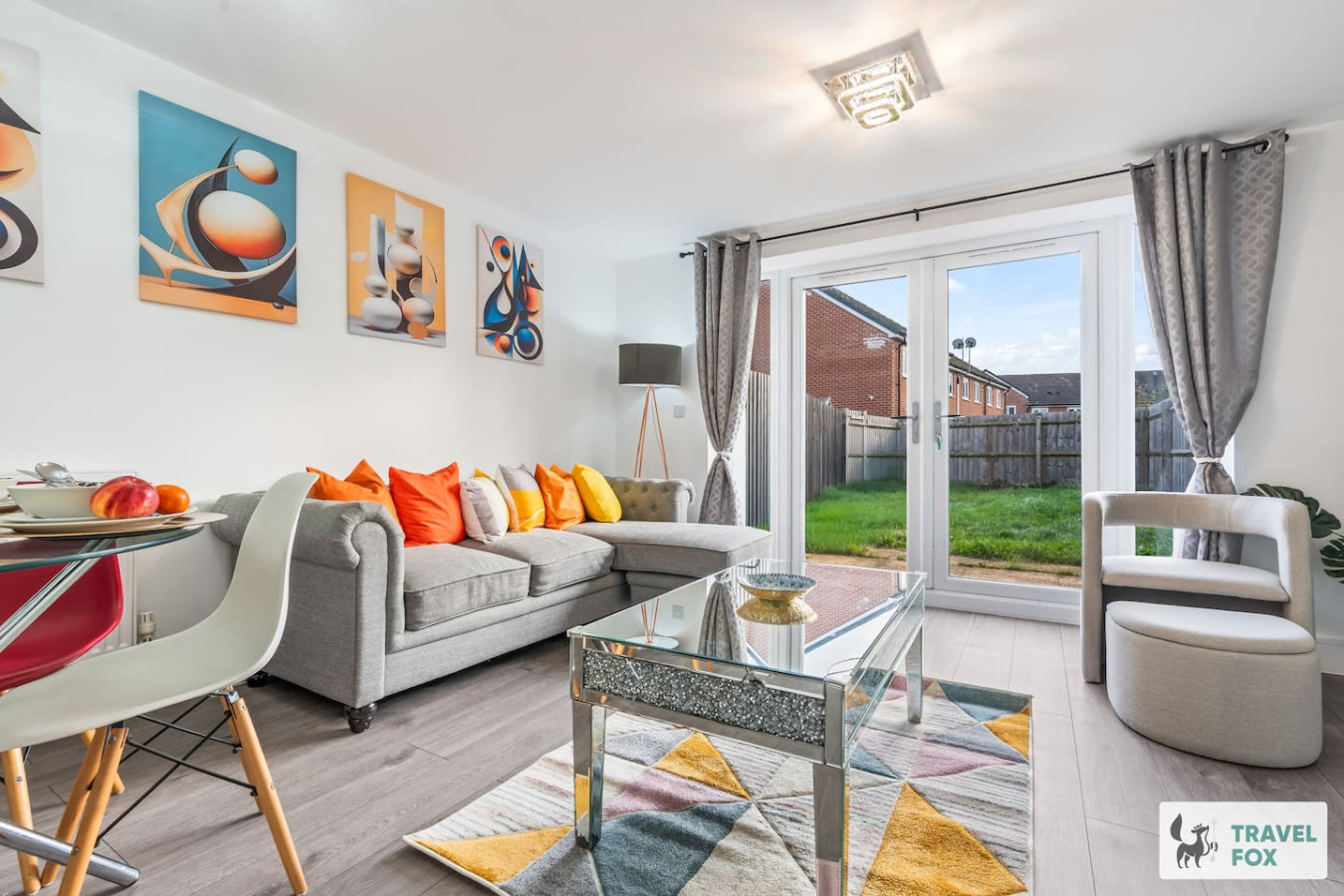
Stoke-on-Trent
Heather's House
- Sleeps 6
- 2 bedrooms
For homeowners
Own a holiday home near Salt?
We manage holiday lets across Staffordshire from 12% commission, charged after cleaning costs, with no lock-in. A co-founder visits before you decide.
Holiday let management in Staffordshire →
A guide with a point of view
Written from research. Edited for real journeys.
Use the Official site links for live practical details, then use this guide for context, ideas and room to explore.
Photography credits & licences
Third-party photographs are credited to their named creators and reused under the linked Creative Commons licence or public-domain dedication. Travel Fox stores an optimised local copy; the file-specific changes and any browser-applied display crop are disclosed below. Reused photographs link both to the Wikimedia Commons source record and to the declared source image; Travel Fox's own photographs carry no such record and are marked as ours. These image licences do not cover Travel Fox text, branding or page design.
- File:The Holly Bush Inn, Salt, Staffordshire - geograph.org.uk - 5066352.jpg — photograph by Alf Beard; The Holly Bush Inn, Salt, Staffordshire by Alf Beard. Source record on Wikimedia Commons. Declared source image. Licence: CC BY-SA 2.0. File changes: Downloaded from Wikimedia Commons, resized to a maximum 1920px edge and encoded as an optimised JPEG. Display changes: Displayed with responsive CSS cropping.
Sources
Every place on this page is checked against a published source. Each entry links the record we used and names who publishes it.
- The Holly Bush at Salt — hollybushatsalt.com operator, sector body or destination organisation
- St James the Great — historicengland.org.uk statutory register or public authority record not machine-readable; publisher restricts automated access
- Salt and the Trent & Mersey Canal Walk — walkingbritain.co.uk operator, sector body or destination organisation
- Great Haywood Canal Junction — canalrivertrust.org.uk national body or asset manager
- Essex Bridge — historicengland.org.uk statutory register or public authority record not machine-readable; publisher restricts automated access
- Shugborough Estate — nationaltrust.org.uk national body or asset manager