
Village stories and field paths
Seighford
A small Staffordshire village where a rescued community pub, a stone-and-brick church and a muddy-after-rain walking loop open onto nearby wetlands and heritage.
- Best for
- Village history, a field-path loop and a community pub
- Give it
- Half a day in the village, longer with a nearby stop
- Don't miss
- St Chad's patchwork of early stone and later brick
The Fox verdict
A small village with unusually layered stories
Seighford works best as a slow village visit, with Stafford's wetlands and heritage close enough to broaden the day.
The essentials are compact but distinctive: a community-owned inn rescued after closure, a church where Norman arches meet an eighteenth-century brick nave and tower, and a mainly flat figure-of-eight across lanes, tracks and pasture. Doxey Marshes, Stafford Castle and Shugborough add genuinely different nearby options without turning the guide into a distant-attractions list.
Where to go
Places in Seighford
Every place below is checked against a published source, listed with what it is and how long to give it.
Local signatures
3 placesThe Hollybush Inn
A community-owned inn in a cottage dating from around 1675, retaining original timber framing, a real fireplace and the original snug.
- Visit length
- Editorial estimate: around 90 minutes
- Locality
- Seighford village
Stafford Castle
A Norman motte-and-bailey castle built by Robert de Toeni, with surviving earthworks, a woodland trail and a steep climb to the keep.
- Visit length
- Editorial estimate: around 90 minutes
- Locality
- Burleyfields, Stafford
Shugborough Estate
A National Trust estate with parkland, a Georgian mansion, gardens, servants' quarters and animals at Park Farm.
- Visit length
- Editorial estimate: around 2 hours
- Locality
- Great Haywood, Staffordshire
- Access
- Vehicles enter Shugborough Estate through Milford Gates.
Walks & outdoors
1 placeDoxey Marshes
A 121-hectare wetland reserve near Stafford with pools, two bird hides and mostly flat paths.
- Visit length
- Editorial estimate: around 60 minutes
- Locality
- Doxey, Stafford
- Access
- The main car park is at the end of Wootton Drive.
History & heritage
1 placeSt Chad's Church
A Grade II* church with Norman arches, an eighteenth-century nave and west tower, a Jacobean pulpit and the Bowyer alabaster tomb.
- Visit length
- Editorial estimate: around 45 minutes
- Locality
- Seighford village
No places match this filter. Choose All places to reset the list.
Three ways to explore Seighford
Signature outings
Figures around the tomb
Inside St Chad's, look around the sides of William Bowyer's alabaster tomb for figures in ruffs and a swaddled child.
Birding at Doxey Marshes
Spend time at the reserve's two bird hides; Staffordshire Wildlife Trust highlights tufted duck, goosander and great crested grebe on its pools.
Stafford Castle's mound
The climb to the keep is steep, while a woodland path loops around the base without steps.
The village story
Seighford: the pub villagers saved and the church rebuilt
A community pub, a visibly patched church and stories that travel from village fields to a trading post in Japan.
The pub the village kept
The Holly Bush Inn on Main Road closed for a time, then became an Indian restaurant. Villagers bought the building in 2012, and it remains community owned.
It started life as a cottage around 1675, later became a beerhouse, and still has its original timber framing, a real fireplace and the original snug.
Separate lunch, evening and Sunday lunch menus are listed for the inn.
From the bar to the patchwork tower
Regular cask ales include Everards Tiger and Titanic Plum Porter, alongside changing beers. The inn also has a rear garden, a bar-skittles alley and a dog-friendly policy.
The village hall, Cooper Perry Primary School and a small kick-about field also sit in Seighford. The parish church offers the next stop on a walk through the village.
After St Chad's crossing tower fell in 1610, part of the church was rebuilt in brick by a local builder named Clay. The nave and present west tower came in 1748, while older stone survives in the north arcade and chancel arch.
Tombs and Domesday
The church contains a Jacobean pulpit and, in the north aisle, a Renaissance tomb chest with recumbent effigies of William Bowyer (died 1593) and his wife Mercy. Figures on the chest’s north and west sides include men in ruffs and a swaddled child.
The Open Domesday entry linked to Seighford lists ten villagers, six smallholders, five acres of meadow and woodland four leagues by two. The entry also covers neighbouring settlements.
Hall stories and field paths
Seighford Hall, west of the village, is a late sixteenth-century timber-framed house. Historic England records later extensions and a nine-bay front with gables, carved bargeboards and a cupola.
A figure-of-eight walk loops out from the village on lanes, farm tracks and field paths — flat, no stiles, though it can turn muddy. Doxey Marshes, a wetland reserve near Stafford, is within easy reach for more.
Airfield echoes and a Japan connection
RAF Seighford opened in 1943, and military flying ceased in 1946. Staffordshire Gliding Club now occupies part of the former airfield.
Richard Cocks (c. 1565–1624) was baptised in Seighford's parish church and later headed the East India Company's trading post at Hirado, Japan. His story gives this small church a connection far beyond Staffordshire.
Stay around Staffordshire
Make a longer stay of it
Travel Fox holiday homes around Staffordshire, linked directly to their property pages.
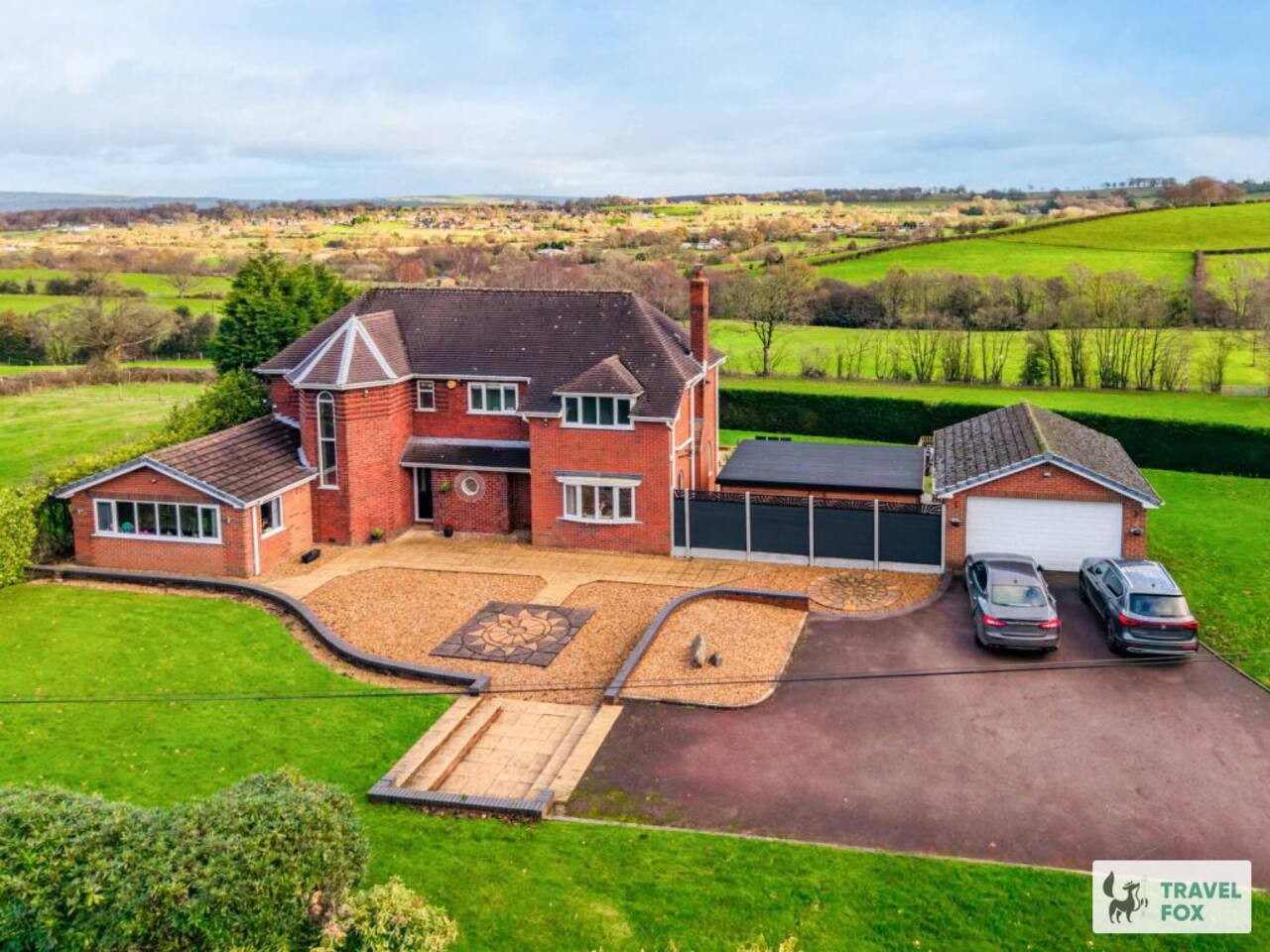
Cheddleton
Greenways House - Parking, Pool Table and Garden!
- Sleeps 10
- 4 bedrooms
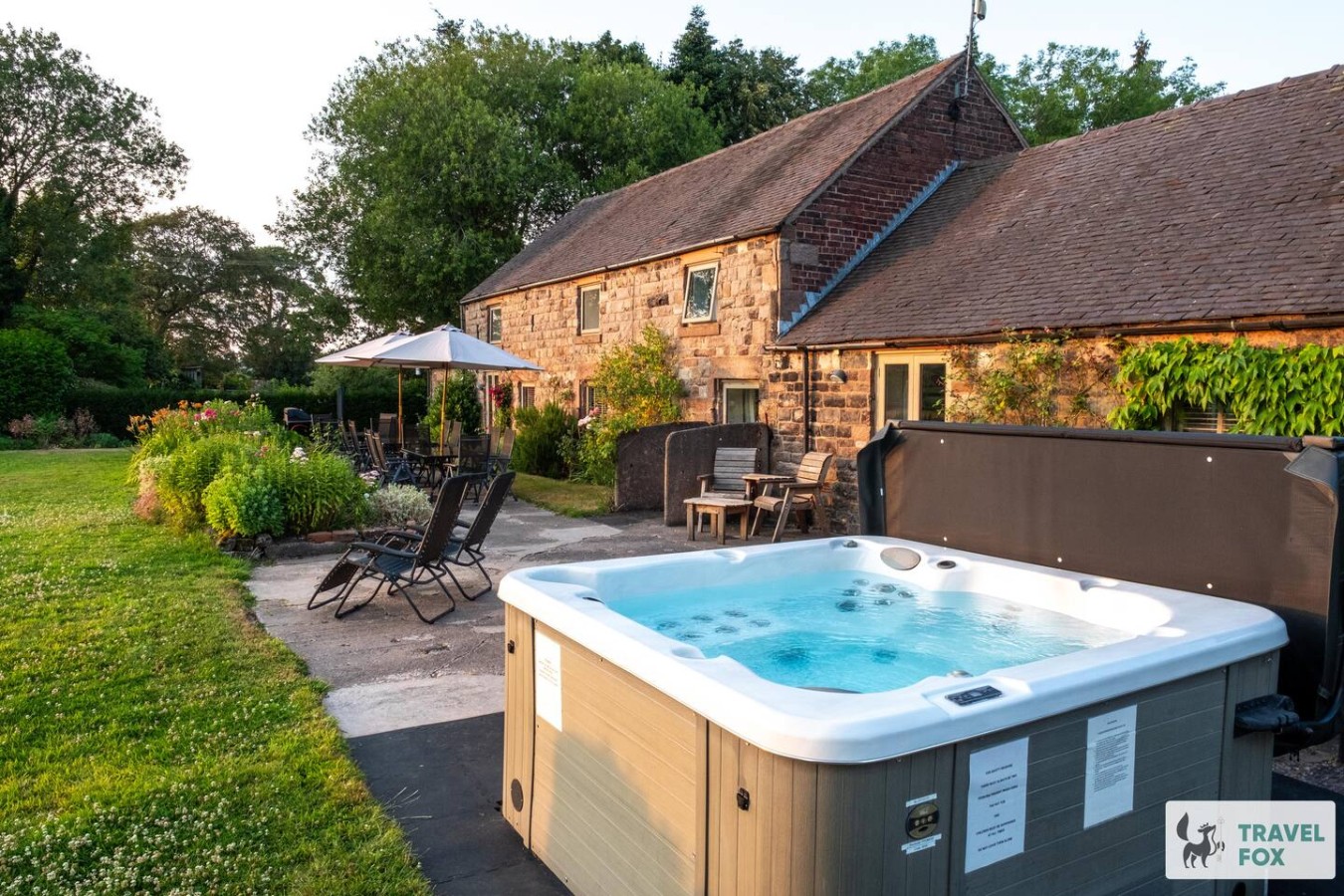
Cheddleton
Lee House Cottage + Annexe
- Sleeps 19
- 8 bedrooms
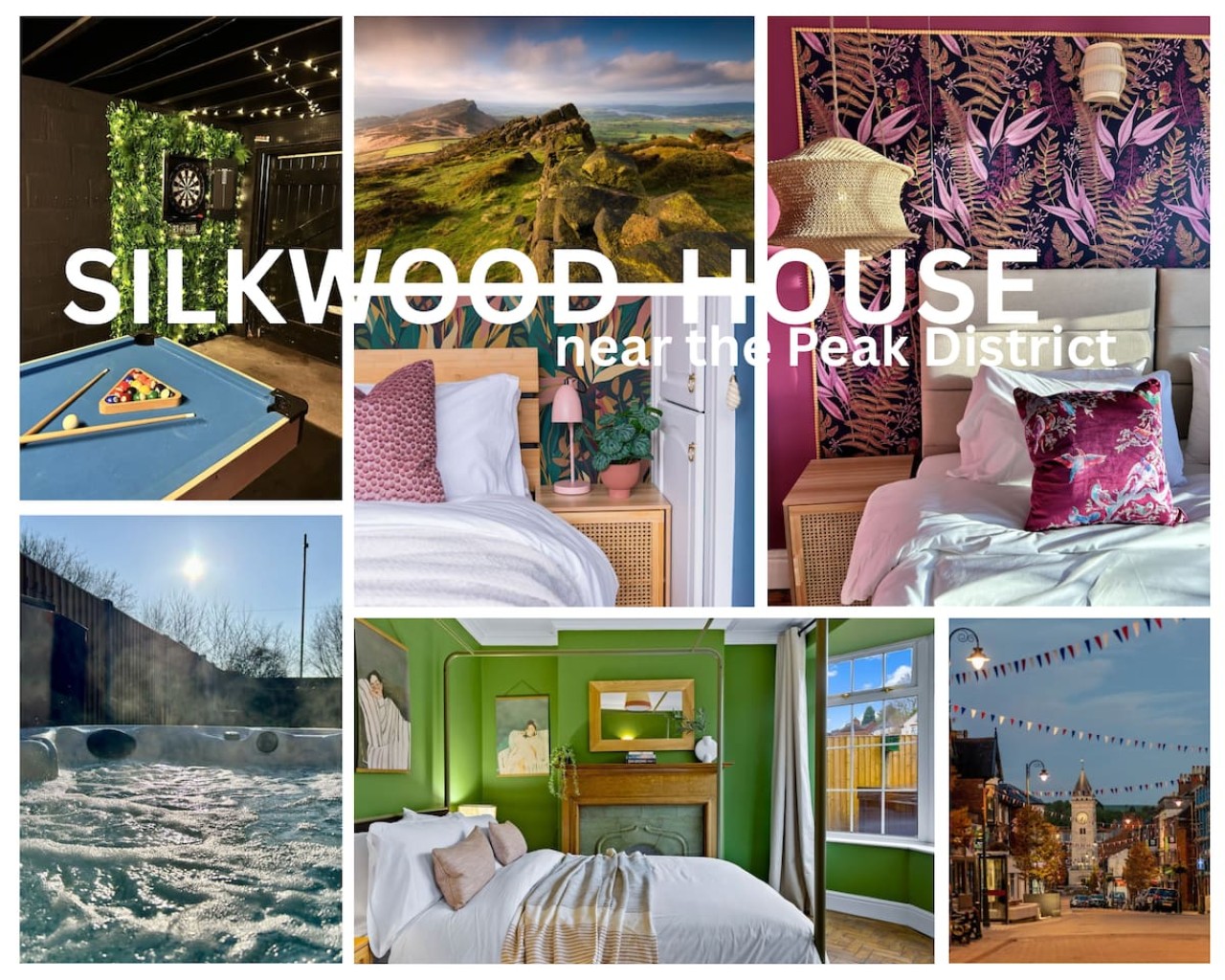
Leek
Silkwood House | Boutique 4 Bed nr. Peak District
- Sleeps 8
- 4 bedrooms
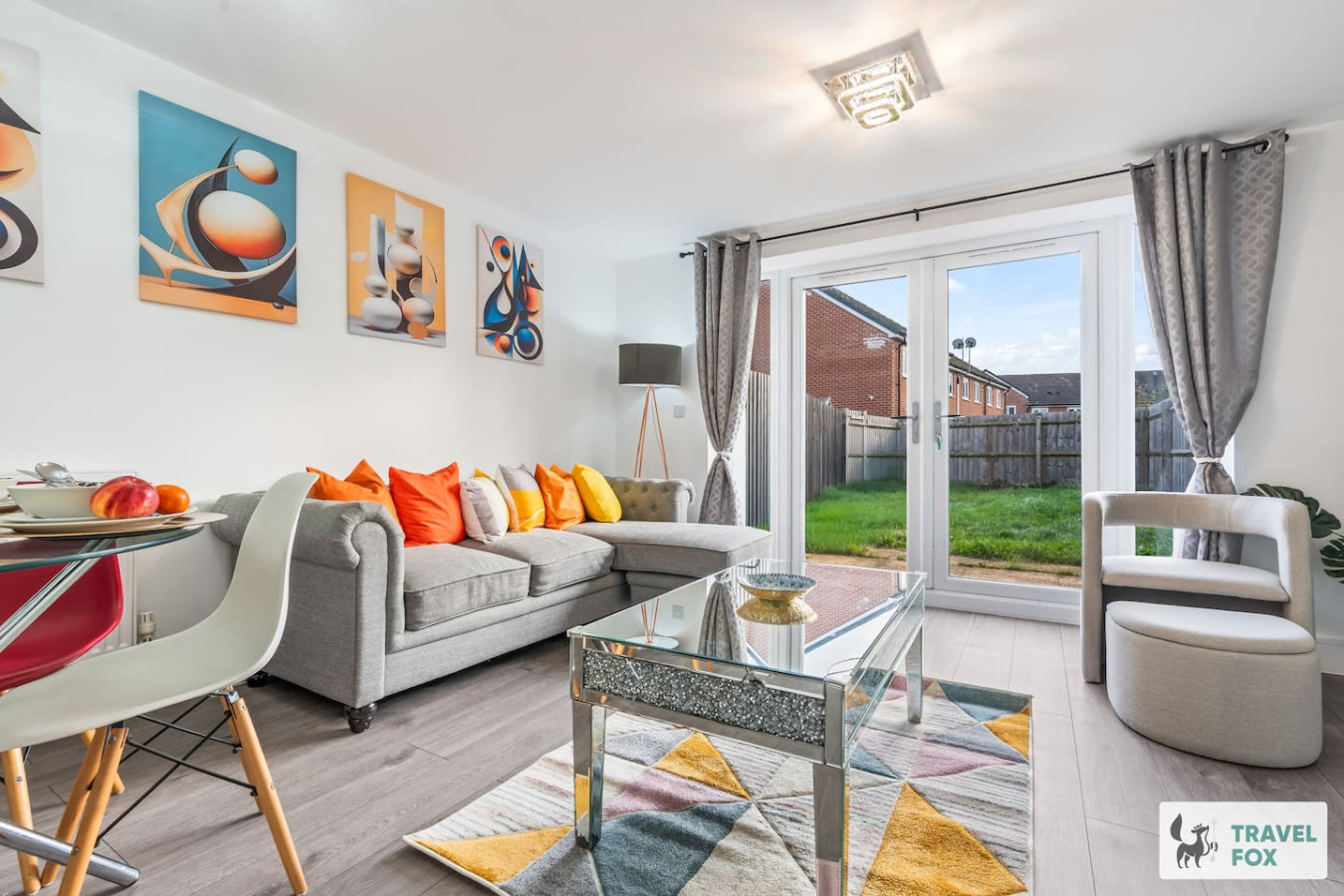
Stoke-on-Trent
Heather's House
- Sleeps 6
- 2 bedrooms
For homeowners
Own a holiday home near Seighford?
We manage holiday lets across Staffordshire from 12% commission, charged after cleaning costs, with no lock-in. A co-founder visits before you decide.
Holiday let management in Staffordshire →
A guide with a point of view
Written from research. Edited for real journeys.
Use the Official site links for live practical details, then use this guide for context, ideas and room to explore.
Sources
Every place on this page is checked against a published source. Each entry links the record we used and names who publishes it.
- The Hollybush Inn — thehollybushinseighford.co.uk operator, sector body or destination organisation
- St Chad's Church — achurchnearyou.com national body or asset manager
- Doxey Marshes — staffs-wildlife.org.uk national body or asset manager
- Stafford Castle — staffordbc.gov.uk statutory register or public authority
- Shugborough Estate — nationaltrust.org.uk national body or asset manager