
Brook, woodland and iron
Slitting Mill
A small Cannock Chase-edge village where a millpond, a waterfall and Rising Brook still explain an industrial name.
- Best for
- Waterside industrial history and woodland walks
- Give it
- A half day, or longer with a nearby nature stop
- Don't miss
- The sluice gates and waterfall at Horns Pool
The Fox verdict
A mill village best read beside the brook
Slitting Mill is a compact base for following Rising Brook from early ironworking sites towards the wooded edge of Cannock Chase.
Come for the Cannock Chase Heritage Trail, the millpond landscape at Horns Pool and a meal at The Horns Inn. The village's strongest visit links those stops into one industrial story, while Cannock Chase Forest, the Trent and Mersey Canal and The Wolseley Centre broaden a longer day.
Where to go
Places in Slitting Mill
Every place below is checked against a published source, listed with what it is and how long to give it.
Local signatures
3 placesCannock Chase Heritage Trail
The Slitting Mill section follows Rising Brook past former mill sites and Horns Pool before climbing through woodland.
- Visit length
- Editorial estimate: allow around 90 minutes for the village section
- Locality
- Along Rising Brook
Cannock Chase Forest
The nearby forest extends the village visit with walking, cycling and off-road cycle routes on Cannock Chase.
- Visit length
- Editorial estimate: allow around 120 minutes
- Locality
- On the Cannock Chase edge
The Wolseley Centre
A wildlife stop near Wolseley Bridge with woodland and riverside walks, pools and a visitor centre.
- Visit length
- Editorial estimate: allow around 90 minutes
- Locality
- Wolseley Bridge
Food & drink
1 placeThe Horns Inn
A renovated pub and restaurant with a dog-friendly welcome and a large outdoor area overlooking Horns Pool.
- Visit length
- Editorial estimate: allow around 90 minutes
- Locality
- Slitting Mill Road
Walks & outdoors
2 placesHorns Pool
A former millpond now used as a coarse fishery, with surviving sluice gates and a waterfall at its outflow.
- Visit length
- Editorial estimate: allow around 45 minutes to explore the heritage-trail area around the pool
- Locality
- Behind The Horns Inn
Trent and Mersey Canal
A nearby canal towpath that forms part of longer circular walks linking Brereton and Slitting Mill.
- Visit length
- Editorial estimate: allow around 90 minutes for a towpath walk
- Locality
- Brereton and Rugeley
No places match this filter. Choose All places to reset the list.
Three ways to explore Slitting Mill
Signature outings
Read the millpond
Find the sluice gates and waterfall where Horns Pool once released water to power tin-plating machinery.
Trace the heritage trail
Follow the village section of the Cannock Chase Heritage Trail beside Rising Brook, past former mill sites and into woodland.
Pause at the village pub
The Horns Inn offers pub food, local ales and a dog-friendly outdoor area after a walk.
The village story
Slitting Mill Village Guide
Follow a village story shaped by Rising Brook, ironworking, a millpond and the wooded edge of Cannock Chase.
The Horns by the Chase
The Horns Inn sits on Slitting Mill Road with a large outdoor area and lakeside views. Dogs are welcome, and the pub makes a convenient pause after a walk around Cannock Chase.
The kitchen serves seasonal pub food and Sunday roasts, while the bar offers local ales.
Millpond and Village Practicalities
Horns Pool began as a millpond for a tin-plating mill around 1810. Sluice gates controlled water released over an 18-foot drop to power the machinery before it rejoined Rising Brook. Local people once skated on the pool in winter.
Bring supplies for a walk around the pool and along Rising Brook, where the millpond and old works make the village's industrial story tangible.
Following the Industrial Brook
Walking is the other reason to come. The Cannock Chase Heritage Trail runs straight through the village — Panel 17 covers Slitting Mill specifically — following Rising Brook past the old mill sites and up through woodland to the pub. A longer circular walk takes in the Trent & Mersey Canal at Brereton. The village sits on the edge of the Cannock Chase Area of Outstanding Natural Beauty, so you're on the Chase within minutes of leaving the front door.
Rising Brook once fed two iron forges, a slitting mill, two corn mills and a colour mill in little more than a mile. Thomas Chetwynd was operating the slitting mill by 1623; between 1692 and 1710 it handled much of the Staffordshire ironworks’ output. A pumping station was built on the former mill site in 1932, and remains of the mill survive nearby. The village was once called Stonehouse, after the house where Sarah Hopkins lived from 1807. She funded Stonehouse Infant School, which opened in 1830.
Gathering Places and Remembered Lives
The Victory Hall, built in 1953, seats 120 and still runs the village's social and charity events.
Mary Sant and her husband William, a blacksmith, lived in a cottage on the old mill site until it was pulled down in 1931. Mary used to make tea for anyone who stopped to paddle or picnic by the brook. It carries her name still.
Stay around Staffordshire
Make a longer stay of it
Travel Fox holiday homes around Staffordshire, linked directly to their property pages.
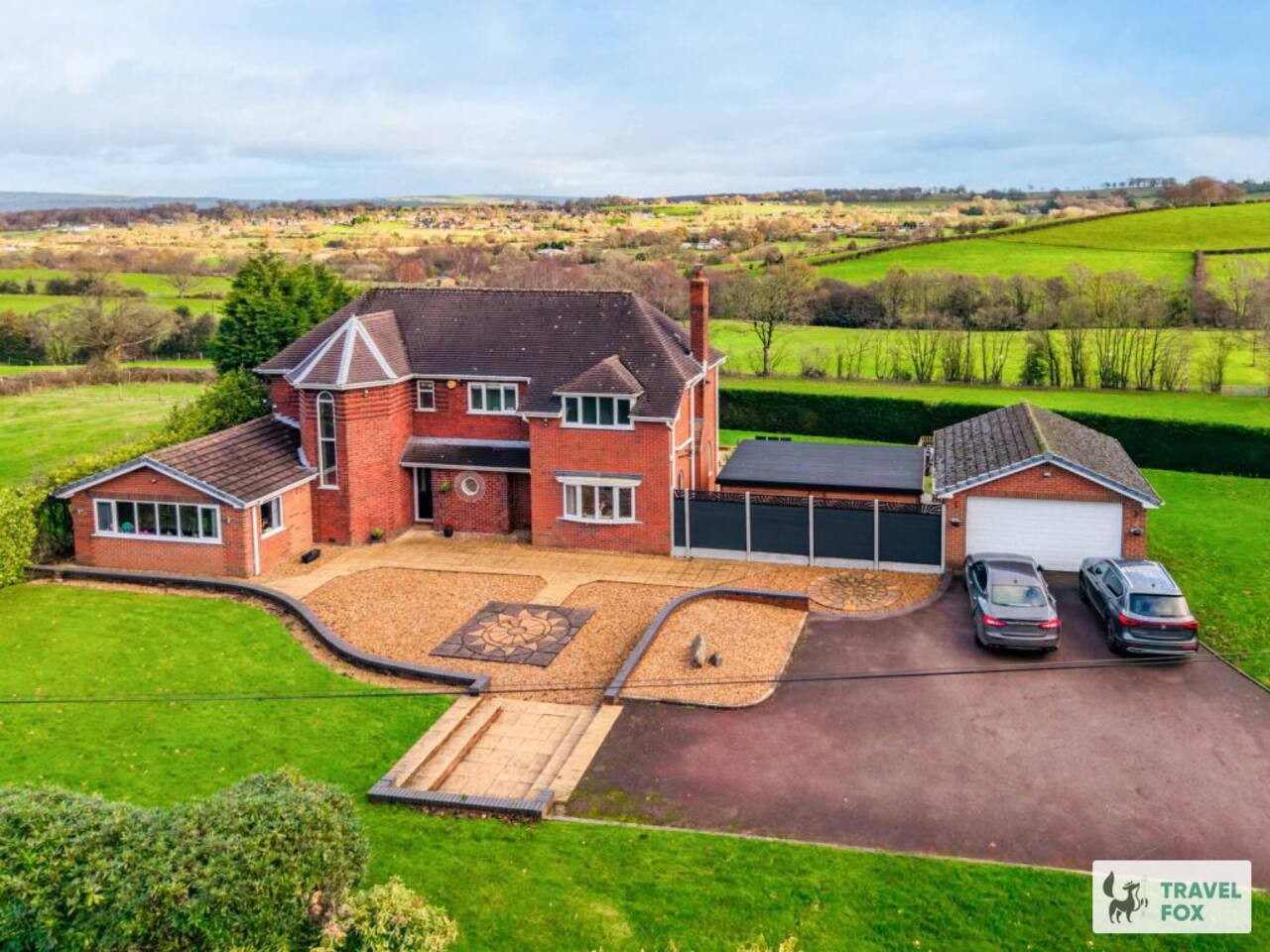
Cheddleton
Greenways House - Parking, Pool Table and Garden!
- Sleeps 10
- 4 bedrooms
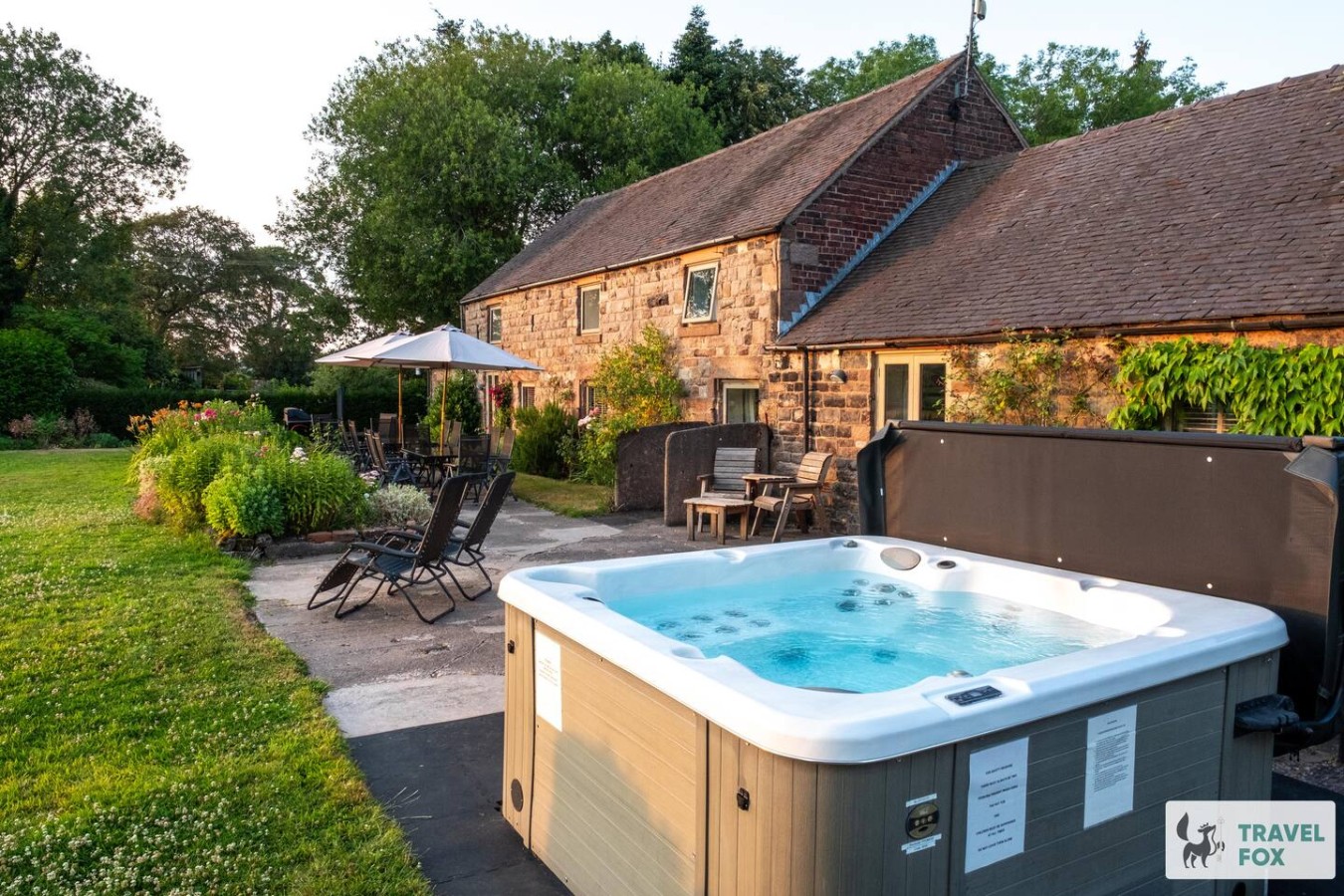
Cheddleton
Lee House Cottage + Annexe
- Sleeps 19
- 8 bedrooms

Leek
Silkwood House | Boutique 4 Bed nr. Peak District
- Sleeps 8
- 4 bedrooms
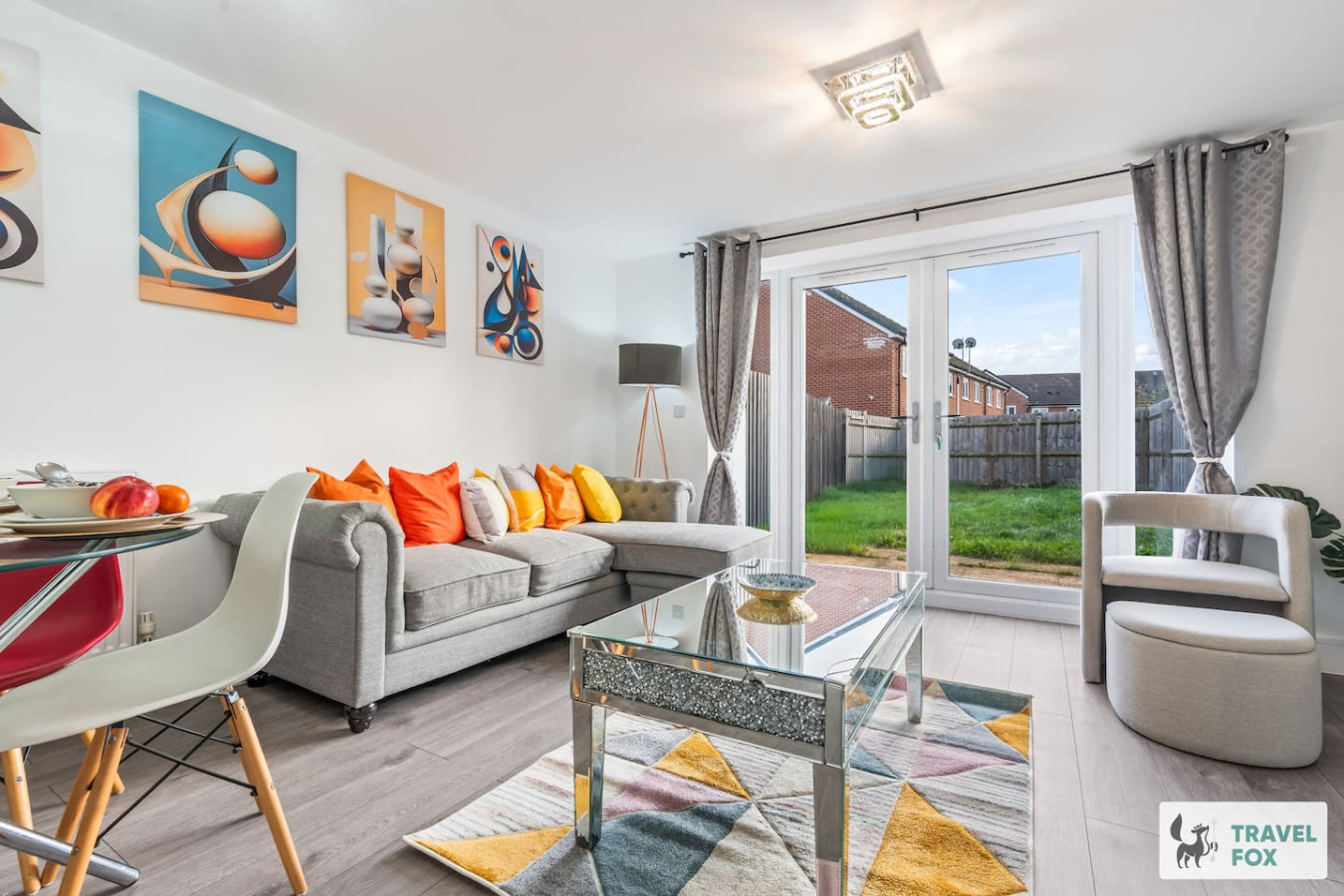
Stoke-on-Trent
Heather's House
- Sleeps 6
- 2 bedrooms
For homeowners
Own a holiday home near Slitting Mill?
We manage holiday lets across Staffordshire from 12% commission, charged after cleaning costs, with no lock-in. A co-founder visits before you decide.
Holiday let management in Staffordshire →
A guide with a point of view
Written from research. Edited for real journeys.
Use the Official site links for live practical details, then use this guide for context, ideas and room to explore.
Sources
Every place on this page is checked against a published source. Each entry links the record we used and names who publishes it.
- The Horns Inn — thehornsinn.com operator, sector body or destination organisation
- Horns Pool — cannockchasedc.gov.uk statutory register or public authority
- Cannock Chase Heritage Trail — cannockchasedc.gov.uk statutory register or public authority
- Cannock Chase Forest — forestryengland.uk national body or asset manager
- The Wolseley Centre — staffs-wildlife.org.uk national body or asset manager
- Trent and Mersey Canal — canalrivertrust.org.uk national body or asset manager