

The Potteries, Recast
Stoke-on-Trent
Six towns joined by clay, canals and character, with working factories, landmark collections and green escapes threaded through the city.
- Best for
- Pottery heritage, hands-on ceramics and family days out
- Give it
- Editorial estimate: a full weekend across the six towns and southern edge
- Don't miss
- A Victorian potbank, the Staffordshire Hoard and a Staffordshire oatcake
Photo: Roger Kidd · CC BY-SA 2.0 · cropped
The Fox verdict
Come for the pottery; stay for the city behind it
Stoke-on-Trent rewards visitors who treat its six towns as a network rather than look for a single centre.
The strongest visit pairs the great ceramic set-pieces with the places that explain their landscape: bottle kilns in Longton, a working Victorian factory beside the canal in Burslem, the free museum collections in Hanley and hands-on studios around the city. Trentham and the city parks add an easy change of pace.
Your picks, your pace
Make Stoke-on-Trent yours
Choose a mood or build your own list. Your saved stops are an ordering aid, with a direct map route when you are ready.
Local signatures
3 placesWorld of Wedgwood
A broad introduction to Wedgwood through the V&A collection, creative studios, factory tour and tea room.
- Visit length
- Editorial estimate: around 90 minutes
- Locality
- Barlaston, on the southern edge of the city
The Potteries Museum & Art Gallery
A free museum bringing together a major Staffordshire ceramics collection, the Staffordshire Hoard and Spitfire RW388.
- Visit length
- Editorial estimate: around 90 minutes
- Locality
- Hanley Cultural Quarter
Trentham Estate
An expansive family stop with Italian Gardens, a Capability Brown lake, wire fairies, a barefoot walk, maze and shopping village.
- Visit length
- Editorial estimate: around 120 minutes
- Locality
- Trentham, south of the city
Food & drink
1 placeEmma Bridgewater Factory
A working spongeware factory with tours, a decorate-your-own studio and a café serving home-cooked food, oatcakes and cakes on Emma Bridgewater ware.
- Visit length
- Editorial estimate: around 75 minutes
- Locality
- Eastwood, near Hanley
Walks & outdoors
2 placesHanley Park
A restored 63-acre Victorian park with a pavilion café, boathouse, bandstand, fishing lake and formal features.
- Visit length
- Editorial estimate: around 60 minutes
- Locality
- between Hanley and Stoke-upon-Trent
Westport Lake
An easy waterside pause with two lakes, a nature reserve, visitor centre, café and birdwatching beside the canal.
- Visit length
- Editorial estimate: around 60 minutes
- Locality
- Beside the Trent & Mersey Canal
History & heritage
3 places
Middleport Pottery
The UK's last working Victorian pottery factory, where Burleigh ware, an 11-firemouth bottle oven and the canal setting bring the industry together.
- Visit length
- Editorial estimate: around 90 minutes
- Locality
- Burslem, beside the Trent & Mersey Canal
Gladstone Pottery Museum
Britain's only complete Victorian pottery factory, preserving bottle kilns, cobbled yards and workshops familiar from The Great Pottery Throw Down.
- Visit length
- Editorial estimate: around 90 minutes
- Locality
- Longton
- Access
- Seasonal visitor opening—check the Official site before travel.
Etruria Industrial Museum
Jesse Shirley's Bone & Flint Mill, Britain's last steam-powered potters' mill, stands where the Trent & Mersey and Caldon canals meet.
- Visit length
- Editorial estimate: around 60 minutes
- Locality
- Etruria canal junction
Things to do
1 placeTrentham Monkey Forest
A woodland walk through a large primate habitat where more than 140 Barbary macaques roam freely along the visitor path.
- Visit length
- Editorial estimate: around 105 minutes
- Locality
- Trentham, south of the city
No places match this filter. Choose All places to reset the list.
On the map
Stoke-on-Trent at a glance
Tap a marker to jump to its guide card.
Three ways to explore Stoke-on-Trent
Signature outings
Read a Factory in Brick
Cross Gladstone's cobbled yard beneath the bottle kilns and see the workshops of Britain's only complete Victorian pottery factory.
See a Victorian Factory Working
At Middleport, connect Burleigh ware with the canal-side factory and the city's largest surviving 11-firemouth bottle oven.
Meet the Roaming Macaques
Walk the three-quarter-mile forest path while more than 140 Barbary macaques range freely around the habitat.
The city story
Stoke-on-Trent City Guide
Oatcakes, bottle kilns, canals and six fiercely individual towns: the original Travel Fox portrait of the Potteries.
Six Towns, One Appetite
Order a Staffordshire oatcake in Stoke-on-Trent and you get a dense, savoury pancake of oatmeal, flour and yeast, rolled or stacked and filled with cheese, bacon or sausage. It has been the local breakfast since the 18th century and the staple diet of pottery workers since the 19th, and there are still somewhere between twenty and thirty oatcake shops across the city and north Staffordshire. For years the most famous of all was the Hole in the Wall on Waterloo Street in Hanley, which sold oatcakes through the front window of an end-terrace house, opened up from the living room. It ran that way from the 1920s until 2012, when it was closed and demolished under an urban-renewal scheme. People still mention it.
The first thing to understand about the city is that it isn't one. Stoke-on-Trent is six towns strung along the Trent valley, federated in 1910 and granted city status in 1925: Tunstall, Burslem, Hanley, Stoke-upon-Trent, Fenton and Longton, running north to south. The railway station and the civic centre are in Stoke-upon-Trent, but the shops, theatres and restaurants are in Hanley, which is the bit marketed as "the city centre." The whole conurbation is The Potteries, and the pottery is the reason to come.
If you are basing yourself anywhere for eating out, make it Hanley. The Slamwich Club is a sandwich specialist that also does a full English and an oatcake topped with mushrooms, cheese and tomatoes. La Bella Napoli is the family-owned Italian on Piccadilly, doing authentic pizzas.
For a drink, the town you want is Burslem, the oldest of the six and the one locals call the Mother Town. It is a genuine real-ale destination, with a cluster of pubs known as the Golden Triangle sitting within a short walk of each other, all near Titanic Brewery, which is based in the town. The Bulls Head on St John's Square is Titanic's flagship and brewery tap, a pub dating to the 1830s and run by the brewery for more than thirty years. It pours nine real ales, including the Titanic classics Iceberg and White Star, alongside up to ten real ciders. It has won CAMRA Potteries Cider Pub of the Year repeatedly between 2012 and 2023, has been in the Good Beer Guide since 2007, and was CAMRA Potteries Pub of the Year in 2022.
Memorials in Clay and Brick
The brewery's whole identity is a memorial. Captain Edward Smith, who went down with the Titanic in 1912, was born in Hanley. Iceberg, White Star and Captain Smith's are all named for him.
Now to the pottery, because it is everywhere and it is the point. The skyline was once dominated by up to four thousand bottle kilns, their bottle-shaped brick chimneys firing coal all night. Around two thousand were still standing in the 1950s. The Clean Air Act of 1956 killed the coal-fired ovens, and today just forty-seven survive. Longton has the densest surviving cluster.
Longton is also where you'll find Gladstone Pottery Museum, which is Britain's only complete Victorian pottery factory — original bottle kilns, cobbled yards, workshops, all intact. It is the filming home of the BBC's Great Pottery Throw Down, and it opens January to October, Wednesday to Saturday, and on Sundays from eleven.
In Burslem there is Middleport Pottery, the UK's last working Victorian pottery factory and the home of Burleigh ware, sitting on the Trent & Mersey Canal. Its bottle oven has eleven firemouths, the largest surviving in the city. It was rescued by the Prince's Regeneration Trust, and in 2025 it won Gold for Small Visitor Attraction of the Year at the Staffordshire and Stoke-on-Trent Tourism Awards.
The Potteries in Full
Out at Barlaston on the southern edge of the city, about 4.3 miles south of the city centre measured in a straight line (the road journey is longer), is World of Wedgwood, which marks more than 250 years of pottery and houses the V&A Wedgwood Collection. There is a Clay Studio where you can throw your own pot, a Decorating Studio, a factory tour and a tea room, open daily from ten to five. It was founded by Josiah Wedgwood, who industrialised pottery manufacture, was a prominent abolitionist, and was the grandfather of Charles Darwin. The collection nearly didn't survive: in 2014 it was almost broken up and sold to cover a pension deficit, until a public appeal raised £15.75 million to keep it for the nation.
The Emma Bridgewater Factory at Eastwood, near Hanley, makes the hand-decorated spongeware and has a decorate-your-own studio and a factory tour. Its Factory Café is worth the trip on its own, serving simple home-cooked food from Emma Bridgewater's own recipes — breakfast muffins, oatcakes with various fillings, toasted teacakes, homemade cakes, afternoon tea with scones and clotted cream — all served in the half-pint EB mugs. It opens Monday to Saturday from nine, and Sundays from ten.
Two more for completeness. Spode Works in Stoke was the home of Josiah Spode, who invented bone china, and is now a visitor centre and creative village in the old works. Etruria Industrial Museum, at the junction of the Trent & Mersey and Caldon canals, is Britain's last steam-powered potters' mill — Jesse Shirley's Bone & Flint Mill, which supplied the industry from the 1800s until 2011. It is Grade II*-listed, and it was opened to the public by the steeplejack Fred Dibnah in 1991.
The one to see if you only see one is free. The Potteries Museum & Art Gallery in Hanley holds the world's greatest collection of Staffordshire ceramics, and two other things besides. It has the Staffordshire Hoard, the largest hoard of Anglo-Saxon gold and silver ever found, buried in Mercia around 650–675 AD, dug out of a Lichfield-area field by a metal detectorist in 2009 and worth over £3 million. And it has the Spitfire Gallery, built around Spitfire RW388, given to the city in 1972 in honour of Reginald Mitchell, who designed the Spitfire and was raised in Butt Lane just north of the city. He died in 1937, before any of the 21,554 aircraft that followed his design were built.
Gardens, Towpaths and Terraces
For a day out with children, Trentham Estate, about 4.1 miles south-south-west of the city centre measured in a straight line (the road journey is longer), is the obvious one — 725 acres, with award-winning Italian Gardens beside a mile-long lake laid out by Capability Brown, a wire fairy sculpture trail, a barefoot walk that was the first in the UK, a family maze, and the Trentham Shopping Village with its fifty-odd shops, fourteen cafés and free parking. Next door is Trentham Monkey Forest, about 4.8 miles from the city centre in a straight line, sixty acres of the UK's largest primate habitat, where 140 free-roaming Barbary macaques wander along a three-quarter-mile path. There are feeding talks on the hour, and if you show a Monkey Forest receipt you get a pound off the gardens.
Closer in, Hanley Park is a 63-acre Grade II Victorian park that opened in June 1897, about 0.8 mile west of the city centre, with a restored Pavilion Café, a boathouse, a bandstand and a fishing lake. Central Forest Park sits on 49 hectares of reclaimed colliery land and has Europe's largest street-style skate park. Westport Lake is a nature reserve on the Trent & Mersey Canal, with two lakes, a visitor centre, a café and birdwatching.
That canal is the best walking in the city. The Trent & Mersey and the Caldon thread right through it, the towpaths were upgraded in the 1990s, and they now form part of National Cycle Network Route 5. A flat walkable route runs through Cliffe Vale to the Etruria junction and on to Hanley Park. Head north-west on the Trent & Mersey and you reach Harecastle Tunnel at Kidsgrove, about 5.2 miles from the city centre in a straight line, the 2,676-yard Telford and Brindley tunnel, which makes for an atmospheric stretch of canal.
The football splits along old lines. Stoke City play at the bet365 Stadium, built in 1997 and known until 2016 as the Britannia. Sir Stanley Matthews, the Stoke-born winger they called the Wizard of the Dribble, opened the ground in 1997; his ashes are buried beneath the centre circle. Port Vale, the city's second club, play at Vale Park in Burslem, which is a proper old-fashioned lower-league ground.
Ways In, Ways Out, Five Towns in Fiction
Getting here is easy. Stoke-on-Trent station sits on the West Coast Main Line, served by Avanti West Coast, CrossCountry, East Midlands Railway, Northern and West Midlands Railway, with direct trains to London Euston, Manchester and Birmingham. By road the A500, the dual-carriageway spine locals call the D-road, loops through the city between junctions 15 and 16 of the M6, and the A50 plugs into it heading east toward Derby and Nottingham. Hanley bus station is the local hub, and the Potteries Museum is a bus ride or a longer walk from the station.
If you want to get out for a day, Alton Towers is in the Moorlands about 11.4 miles east of the city centre in a straight line (the road journey is longer), and Leek is a handsome market town about 8.4 miles to the north-east in a straight line, full of antiques and independent shops, and the gateway to the Peak District and the gritstone ridge of The Roaches. Biddulph Grange Garden, with its extraordinary Victorian themed gardens, is about 7.9 miles north in a straight line.
The last word belongs to Arnold Bennett, who was born in Hanley, raised in Burslem, and turned all six towns into fiction. He renamed Burslem as Bursley, Hanley as Hanbridge, Stoke as Knype, and he left one town out altogether. Fenton didn't make the cut, because Bennett decided "Five Towns" sounded better than "Six." More than a century later, Fenton is still known locally as the forgotten town, which is roughly the fate of anyone edited out for the sake of a nicer-sounding phrase.
Stay around Staffordshire
Make a longer stay of it
Travel Fox holiday homes around Staffordshire, linked directly to their property pages.
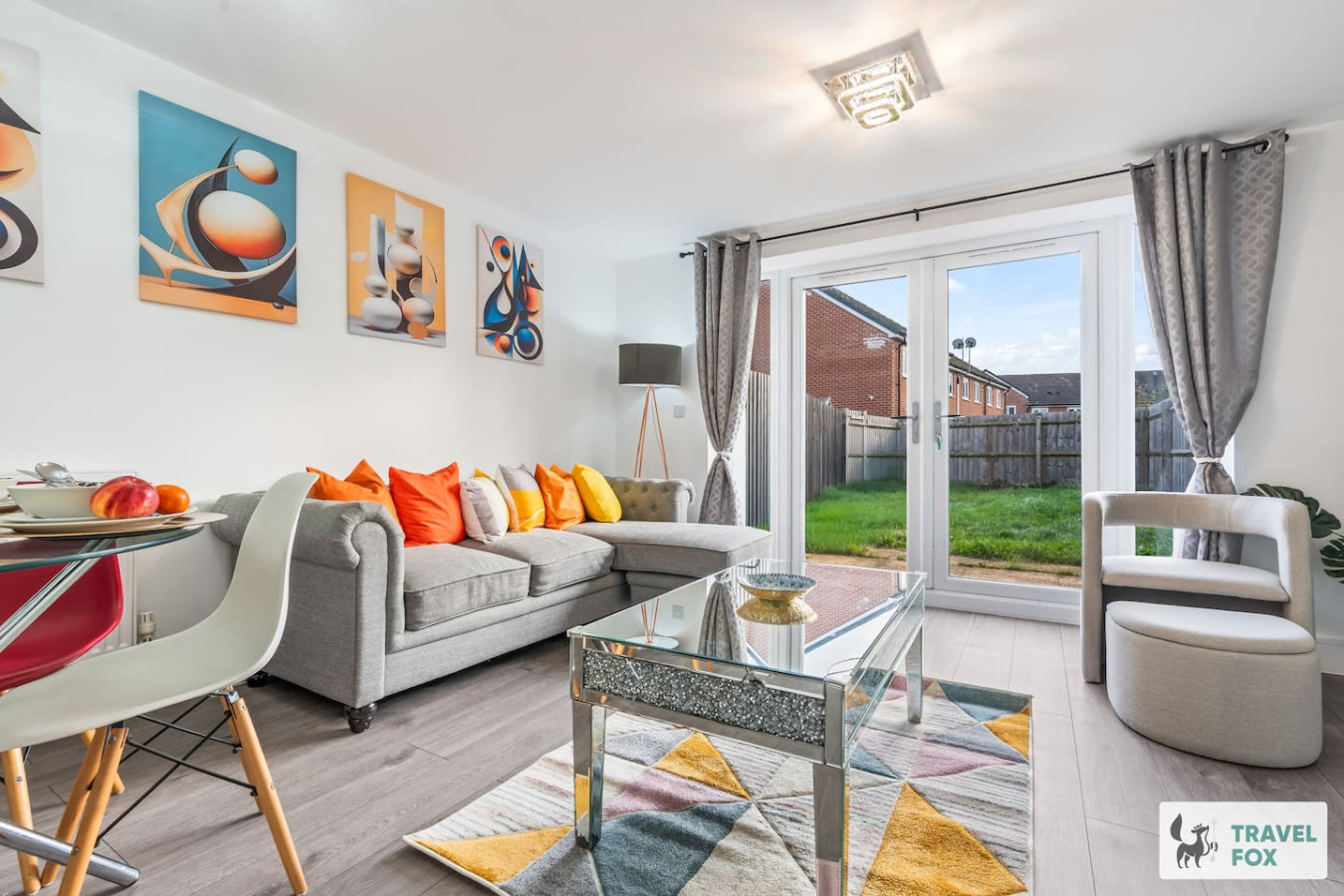
Stoke-on-Trent
Heather's House
- Sleeps 6
- 2 bedrooms
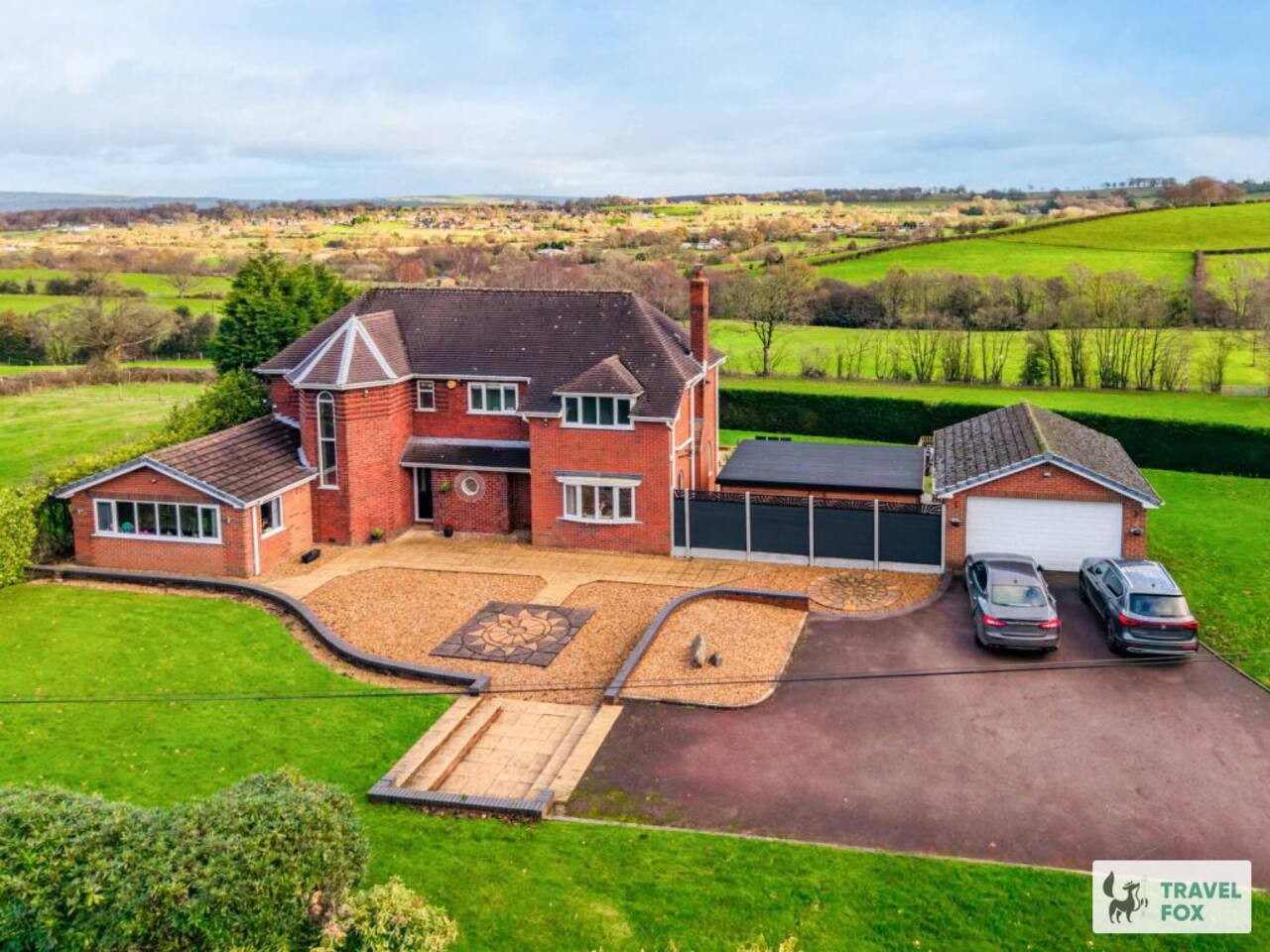
Cheddleton
Greenways House - Parking, Pool Table and Garden!
- Sleeps 10
- 4 bedrooms
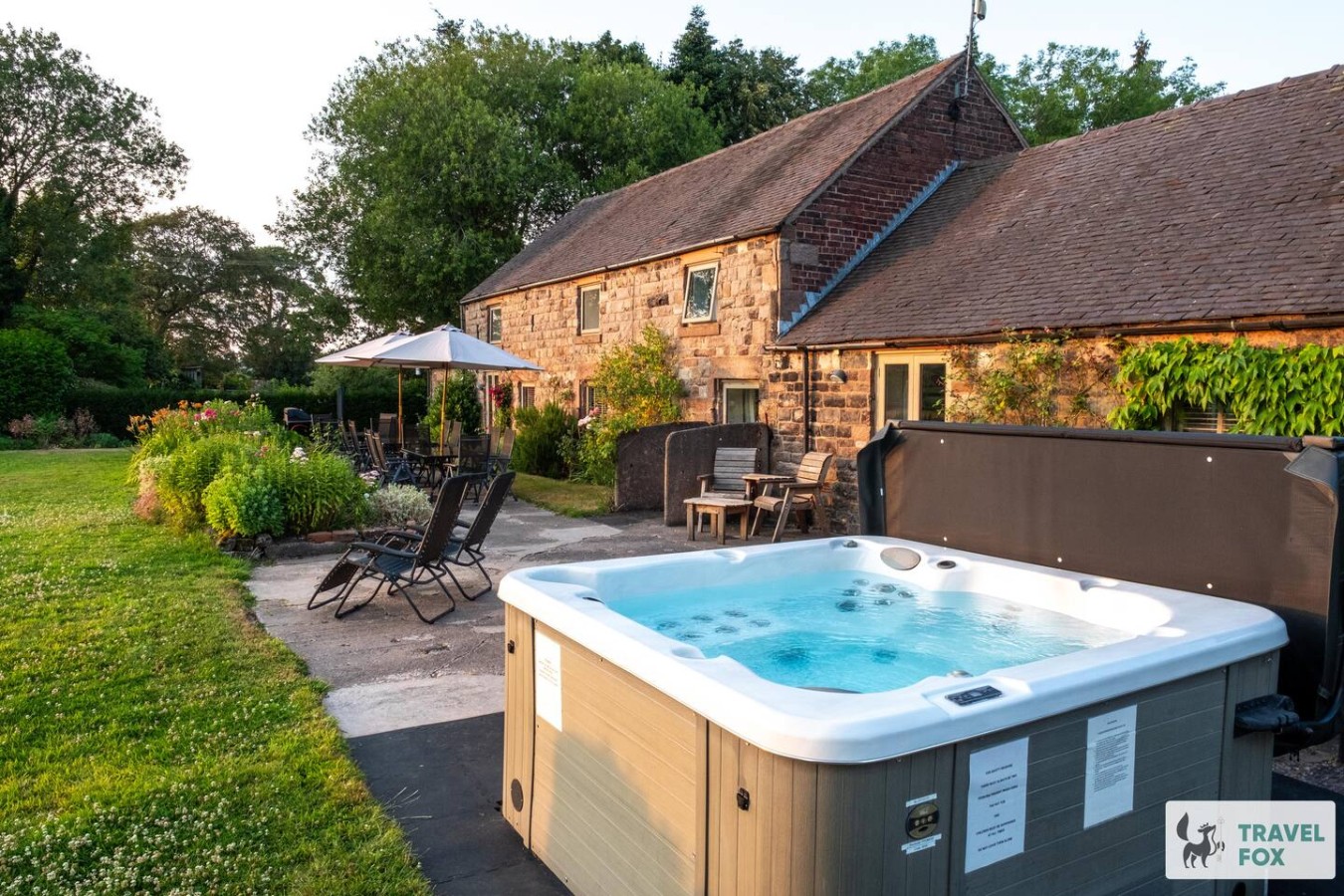
Cheddleton
Lee House Cottage + Annexe
- Sleeps 19
- 8 bedrooms

Leek
Silkwood House | Boutique 4 Bed nr. Peak District
- Sleeps 8
- 4 bedrooms
For homeowners
Own a holiday home near Stoke-on-Trent?
We manage holiday lets across Staffordshire from 12% commission, charged after cleaning costs, with no lock-in. A co-founder visits before you decide.
Holiday let management in Staffordshire →
A guide with a point of view
Written from research. Edited for real journeys.
Use the Official site links for live practical details, then use this guide for context, ideas and room to explore.
Photography credits & licences
Third-party photographs are credited to their named creators and reused under the linked Creative Commons licence or public-domain dedication. Travel Fox stores an optimised local copy; the file-specific changes and any browser-applied display crop are disclosed below. Reused photographs link both to the Wikimedia Commons source record and to the declared source image; Travel Fox's own photographs carry no such record and are marked as ours. These image licences do not cover Travel Fox text, branding or page design.
- File:Middleport Pottery (detail) near Burslem, Stoke-on-Trent - geograph.org.uk - 4168450.jpg — photograph by Roger Kidd; Middleport Pottery (detail) near Burslem, Stoke-on-Trent by Roger Kidd. Source record on Wikimedia Commons. Declared source image. Licence: CC BY-SA 2.0. File changes: Downloaded from Wikimedia Commons, resized to a maximum 1920px edge and encoded as an optimised JPEG. Display changes: Displayed with responsive CSS cropping.
Sources
Every place on this page is checked against a published source. Each entry links the record we used and names who publishes it.
- World of Wedgwood — worldofwedgwood.com operator, sector body or destination organisation
- Middleport Pottery — burleigh1851.com other published source
- Gladstone Pottery Museum — stokemuseums.org.uk other published source record not machine-readable; publisher restricts automated access
- Emma Bridgewater Factory — emmabridgewater.co.uk operator, sector body or destination organisation
- Etruria Industrial Museum — etruriamuseum.org.uk operator, sector body or destination organisation
- The Potteries Museum & Art Gallery — visitstoke.co.uk operator, sector body or destination organisation
- Trentham Estate — trentham.co.uk operator, sector body or destination organisation
- Trentham Monkey Forest — monkey-forest.com operator, sector body or destination organisation
- Hanley Park — stoke.gov.uk statutory register or public authority
- Westport Lake — stoke.gov.uk statutory register or public authority