
Iron, water and old stone
Stretton
A small South Staffordshire village where Telford's canal engineering crosses Watling Street and a wooded towpath leads towards Wheaton Aston.
- Best for
- Canal engineering and a quiet towpath walk
- Give it
- Editorial estimate: around three hours for the village highlights
- Don't miss
- The cast-iron aqueduct thirty feet above the A5
The Fox verdict
A small village with one very large piece of engineering
Come for Stretton Aqueduct, then stay for the wooded canal edge and the red-sandstone church.
Stretton is best treated as a compact heritage stop rather than a full-service destination. Its strongest visit pairs Thomas Telford's aqueduct with the towpath towards Wheaton Aston and St John's Norman chancel, while Penkridge, Boscobel House and Weston Park offer trips beyond the village.
Where to go
Places in Stretton
Every place below is checked against a published source, listed with what it is and how long to give it.
Local signatures
3 placesShropshire Union Canal Aqueduct Over Watling Street
Thomas Telford's Grade II cast-iron aqueduct carries the canal thirty feet over the A5 on six arch ribs at a skewed angle.
- Visit length
- Editorial estimate: Allow around 30 minutes
- Locality
- on the western edge of Stretton above the A5
Shropshire Union Canal Towpath
Follow the canal north-west through woodland from Stretton Wharf towards Wheaton Aston; towpaths also run on both sides of the aqueduct.
- Visit length
- Editorial estimate: Allow around 90 minutes
- Locality
- along the canal at Stretton Wharf
Weston Park
A 17th-century mansion in more than 1,000 acres of Capability Brown parkland, with an adventure playground, miniature railway, café, art gallery and significant art collection.
- Visit length
- Editorial estimate: Allow around 2 hours
- Locality
- at Weston-under-Lizard
Food & drink
1 placePenkridge Market
Penkridge has a twice-weekly market on Wednesday and Saturday as well as a monthly food and craft fair.
- Visit length
- Editorial estimate: Allow around 60 minutes
- Locality
- in Penkridge
History & heritage
2 placesSt John's Church
A Grade II* red-sandstone church with a 12th-century Norman chancel, an 1860 nave and transepts, a single-bell bellcote and three individually listed churchyard memorials.
- Visit length
- Editorial estimate: Allow around 40 minutes
- Locality
- in Stretton village
Boscobel House
An English Heritage house built by the Giffard family, known for its priest holes and the Royal Oak where Charles II hid after the Battle of Worcester.
- Visit length
- Editorial estimate: Allow around 90 minutes
- Locality
- at Bishop's Wood
No places match this filter. Choose All places to reset the list.
Three ways to explore Stretton
Signature outings
Walk Telford's iron aqueduct
Six cast-iron arch ribs carry the Shropshire Union Canal thirty feet above the A5 at a skewed angle.
Find the Norman chancel
St John's pairs a 12th-century chancel with Edward Banks's 1860 nave and transepts in red sandstone.
Look for the Royal Oak
Boscobel House is known for the priest holes and Royal Oak linked to Charles II's flight after Worcester.
The village story
Stretton Village Guide
Canal ironwork, Norman stone and a village whose history reaches from Watling Street to the Shropshire Union.
Iron over Watling Street
Stretton Aqueduct carries the Shropshire Union Canal thirty feet over the A5 on six cast-iron arch ribs, built by Thomas Telford in 1832 and cast by William Hazledine of Shrewsbury. It opened in 1835, at a skewed angle across Watling Street, and it is still doing the job.
The village sits below it, on the River Penk between Penkridge and Brewood, the canal running along its western edge. Walk the towpath north-west through woodland towards the first lock and winding hole at Wheaton Aston.
Wharf life and nearby provisions
At Stretton Wharf, just north of the aqueduct, a working boatyard serves passing crews.
There is no pub in Stretton itself. Brewood and Penkridge offer places to eat and drink; Penkridge also holds a Wednesday and Saturday market.
Norman stone and Roman ground
St John's Church has a Norman chancel from the 12th century, built in random coursed red sandstone, with a nave and transepts rebuilt in 1860 by the architect Edward Banks. A bellcote on the west gable holds a single bell, and it began as a chapel of ease to Penkridge, only becoming its own parish in 1866. In the churchyard, a chest tomb with pilastered angles marks General Henry Monckton of Stretton Hall, and the Bowker memorial carries a gadrooned urn — more ornamentation than most villages this size manage for their dead.
The Domesday survey recorded twelve households here — four villagers, eight smallholders — with six ploughlands, a mill, and six acres of meadow, the whole manor valued at sixteen shillings to the lord, Hervey of Stretton. Seven hundred metres east of the river crossing lay Pennocrucium, a Roman posting station on Watling Street occupied from the first century to the fourth; nobody knew it was there until 1946, when aerial photographs picked out the cropmarks.
Manor families and nearby estates
The Congreve family held the manor from the 14th century; Stretton Hall itself was built around 1700 by John Congreve, and passed to the Moncktons of Somerford Hall in 1845. A later Monckton, Joanna Bird Monckton, was High Sheriff of Staffordshire in 1995, and the hall remains privately owned, its early-18th-century garden reduced to what listing records call an overgrown "wilderness with rides."
Boscobel House — where Charles II hid in the Royal Oak after Worcester — and Weston Park's thousand acres of parkland are nearby destinations.
Routes in and traces left behind
Penkridge station, on the West Midlands line, is the nearest railway stop; the 877 and 878 buses run through the village between Stafford and Wolverhampton, via Wheaton Aston and Brewood.
Stretton had its own post office once, its money orders and telegrams handled via Brewood. By the 1961 census the population was 176 — smaller in spirit than the number suggests, the sort of place you pass over on a boat without quite registering you've arrived.
Stay around Staffordshire
Make a longer stay of it
Travel Fox holiday homes around Staffordshire, linked directly to their property pages.
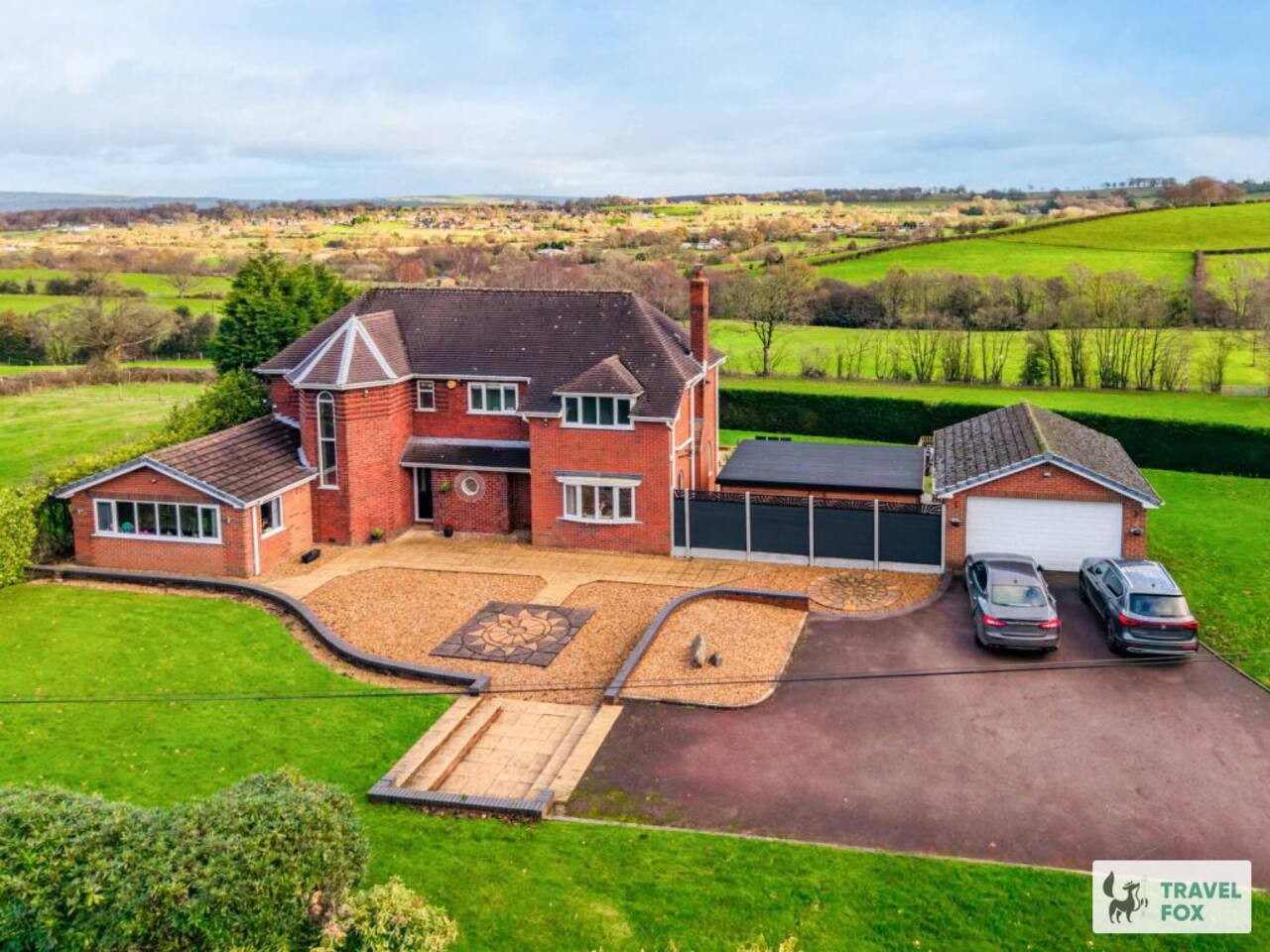
Cheddleton
Greenways House - Parking, Pool Table and Garden!
- Sleeps 10
- 4 bedrooms
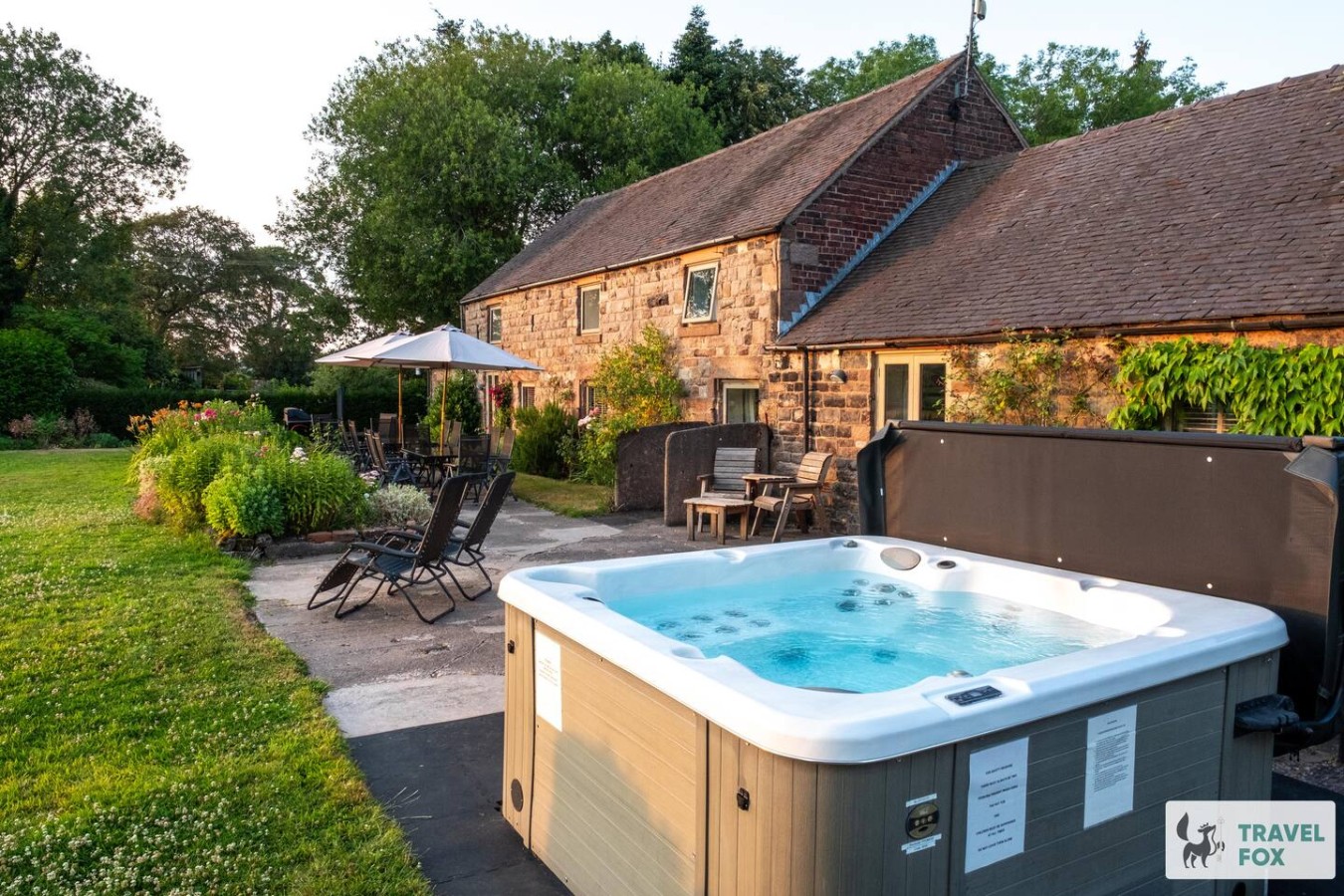
Cheddleton
Lee House Cottage + Annexe
- Sleeps 19
- 8 bedrooms

Leek
Silkwood House | Boutique 4 Bed nr. Peak District
- Sleeps 8
- 4 bedrooms
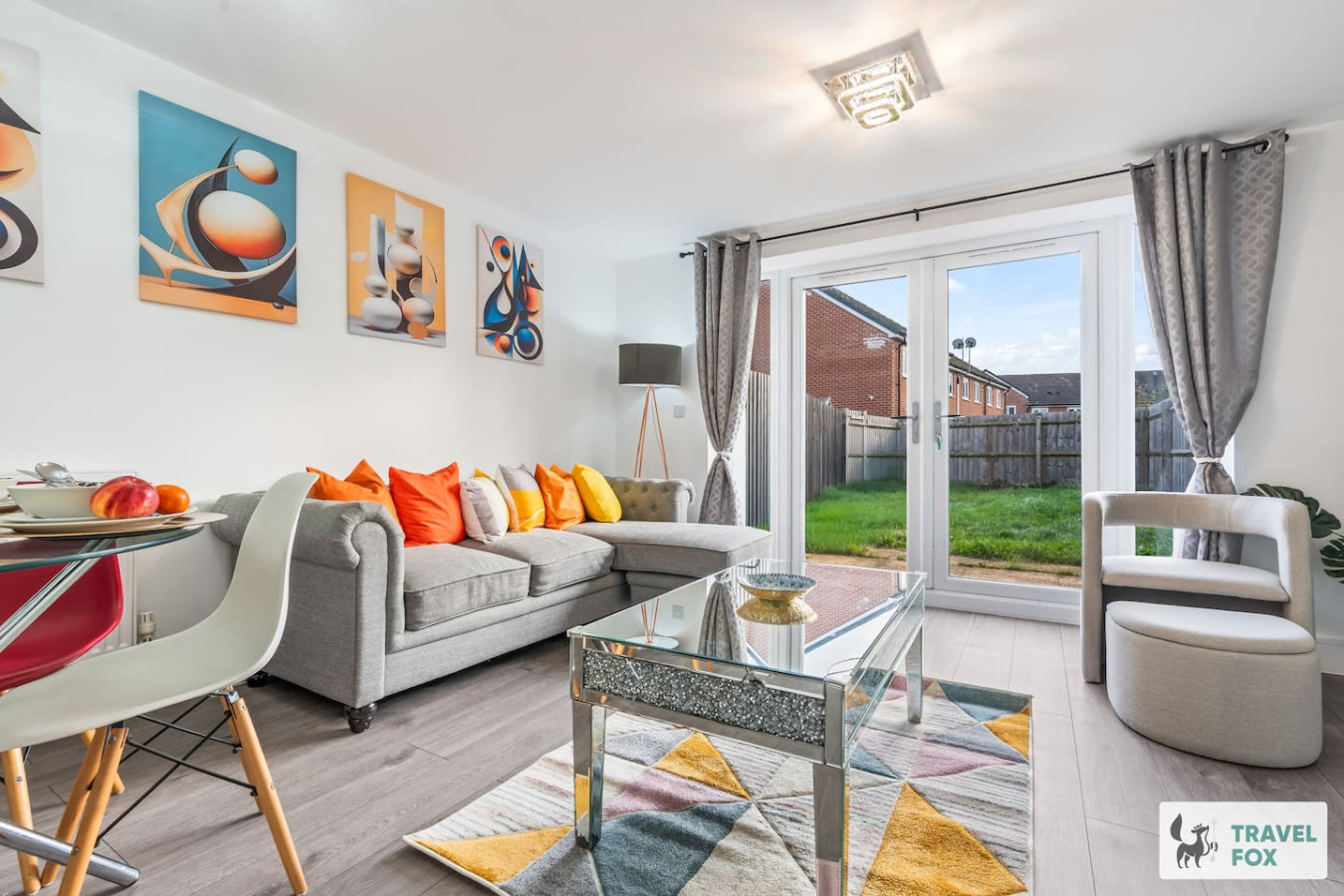
Stoke-on-Trent
Heather's House
- Sleeps 6
- 2 bedrooms
For homeowners
Own a holiday home near Stretton?
We manage holiday lets across Staffordshire from 12% commission, charged after cleaning costs, with no lock-in. A co-founder visits before you decide.
Holiday let management in Staffordshire →
A guide with a point of view
Written from research. Edited for real journeys.
Use the Official site links for live practical details, then use this guide for context, ideas and room to explore.
Sources
Every place on this page is checked against a published source. Each entry links the record we used and names who publishes it.
- Shropshire Union Canal Aqueduct Over Watling Street — historicengland.org.uk statutory register or public authority record not machine-readable; publisher restricts automated access
- Shropshire Union Canal Towpath — canalrivertrust.org.uk national body or asset manager
- St John's Church — lichfield.anglican.org national body or asset manager
- Penkridge Market — penkridgemarket.co.uk operator, sector body or destination organisation
- Boscobel House — english-heritage.org.uk national body or asset manager
- Weston Park — weston-park.com operator, sector body or destination organisation