

Canal-side South Staffordshire
Swindon
A small village where two traditional pubs, a Victorian church and the surviving trace of a long ironworking story sit beside canal and former railway routes.
- Best for
- Canal walks, pub character and industrial history
- Give it
- A relaxed half day, or longer with a nearby park
- Don't miss
- The towpath corridor beside Smestow Brook
Photo: Roger D Kidd · CC BY-SA 2.0 · cropped
The Fox verdict
A village shaped by iron, ale and water
Swindon rewards an unhurried visit: follow the canal corridor, read the forge story in its one surviving building and choose between two traditional locals.
The appeal is not a polished attraction circuit but a close-knit set of contrasts. A Victorian church and community cricket ground sit near the former Swin Forge site, while woodland, old railway and towpath routes open out towards larger parks and canal landmarks.
Where to go
Places in Swindon
Every place below is checked against a published source, listed with what it is and how long to give it.
Local signatures
3 placesHimley and Swindon Canal Trail
A 4.6-mile circuit combining the old South Staffordshire Railway line, woodland, Wom Brook and the Staffordshire and Worcestershire Canal towpath.
- Visit length
- Editorial estimate: Allow around 2 to 2.5 hours
- Locality
- canal and former railway corridor through Swindon
Baggeridge Country Park
A former colliery transformed into a nature and recreation area with lakes, woodland and walking trails.
- Visit length
- Editorial estimate: allow around 2 hours
- Locality
- Himley, South Staffordshire
Himley Hall and Park
An 18th-century mansion in 180 acres of Capability Brown-landscaped public parkland, with events and afternoon teas.
- Visit length
- Editorial estimate: allow around 2 hours
- Locality
- Himley
Food & drink
2 places
The Green Man
A traditional High Street pub with home-cooked dishes, three changing real ales, a real fire and a beerhouse history reaching back to 1830.
- Visit length
- Editorial estimate: allow around 90 minutes
- Locality
- High Street, Swindon
The Old Bush
A traditional local for fresh cobs, roasts, real ale, pub games and live music, with a garden and function room.
- Visit length
- Editorial estimate: allow around 75 minutes
- Locality
- High Street, Swindon
History & heritage
3 placesSt John's Church
A small 1854 stone-and-timber church with no tower or spire, memorial windows and a churchyard with two war graves; burials ended there in 2007.
- Visit length
- Editorial estimate: allow around 35 minutes
- Locality
- Church Road, Swindon
Swindon Community Centre
The only surviving building from Swin Forge, the former works canteen reopened as the village community centre in 1981.
- Visit length
- Editorial estimate: allow around 40 minutes
- Locality
- Swindon
The Bratch Locks
A historic staircase lock system engineered by James Brindley in 1772, with bridges, a toll house and a lock keeper's cottage.
- Visit length
- Editorial estimate: allow around 75 minutes
- Locality
- Wombourne
Things to do
1 placeSwindon Cricket Club
The village's South Staffordshire County League club, playing from its pavilion beside the community centre.
- Visit length
- Editorial estimate: allow around 60 minutes
- Locality
- by Swindon Community Centre
No places match this filter. Choose All places to reset the list.
Three ways to explore Swindon
Signature outings
Meet the 1830 beerhouse
The Green Man grew from a butcher's shop beerhouse and still pairs changing real ales with home-cooked pub food.
Find the village faces
St John's memorial windows recall architect James Perry, first vicar James Raven and Bishop Lonsdale.
Study Brindley's locks
The Bratch brings a 1772 lock system together with bridges, a toll house and a lock keeper's cottage.
The village story
Swindon Village Guide
Two surviving pubs, a close canal corridor and the long afterlife of Swin Forge give this South Staffordshire village its character.
The Beerhouse That Kept Its Character
The Green Man began as Jeremiah Hobson's butcher's-shop beerhouse under the 1830 Beer House Act. Hobson rebuilt across the lane by 1851, took in five lodgers and soon secured full Inn status, giving the High Street a drinking place with an unusually long local history.
Food includes belly pork, pies, faggots and peas, steak and kidney pie, vegetarian suet pudding and thick sandwiches. Three changing real ales sit beside a real fire refurbished in 2023, while dogs are welcomed with water dishes and gravy bones. Plain decor and a local welcome complete the unhurried character.
The Other Survivor and the Waterside Route
The Old Bush is the village's other traditional survivor, serving fresh cobs, roasts and takeaway curry alongside Wychwood Hobgoblin Gold, Enville Ale and a rotating guest. Darts, cribbage and live music add to the pub's local character, with a garden, function room and food hygiene rating of five.
Behind the village pubs, the Smestow Brook shadows the Staffordshire and Worcestershire Canal, at points separated from it only by the towpath. The 4.6-mile Himley and Swindon Canal Trail follows the old South Staffordshire Railway line to the Wom Brook, then joins the towpath before returning via Hinksford Lane. The former Wombourne Branch Line forms an almost parallel cycling corridor through the village.
Church Windows and Three Centuries of Iron
St John's Church on Church Road is a small Victorian building of stone and timber, built in 1854 without a tower or spire. Memorial windows commemorate architect James Perry, first vicar James Raven and Bishop Lonsdale of Lichfield; the churchyard holds two war graves and burials ended there in 2007.
Swin Forge began as a fulling mill under Halesowen Abbey, became a corn mill and turned into a finery forge in the 1620s. Roughly 350 years of ironworking followed through the Foleys, Homfrays, Thorneycrofts and Baldwins. The Baldwin successor was nationalised into British Steel, which ended production in 1976. Demolition in the early 1980s left the old canteen to return to use as the village community centre in 1981, the last surviving trace of the works.
Neighbourhood Spirit After the Forge
Swindon Cricket Club plays in the South Staffordshire County League from its pavilion, part of the village's strong neighbourhood spirit alongside the surviving forge canteen. Baggeridge Country Park, a former colliery now shaped by lakes and woodland, lies about 2.7 miles from the village in a straight line, while Himley Hall and Park, with its Capability Brown parkland, is about 1.8 miles away on the same basis. Bus links reach Wolverhampton, Stourbridge and Wombourne, and Dudley lies to the east.
Small details carry the atmosphere here: a card game, a dog bowl, the canal and the old forge all remain close at hand.
Stay around Staffordshire
Make a longer stay of it
Travel Fox holiday homes around Staffordshire, linked directly to their property pages.
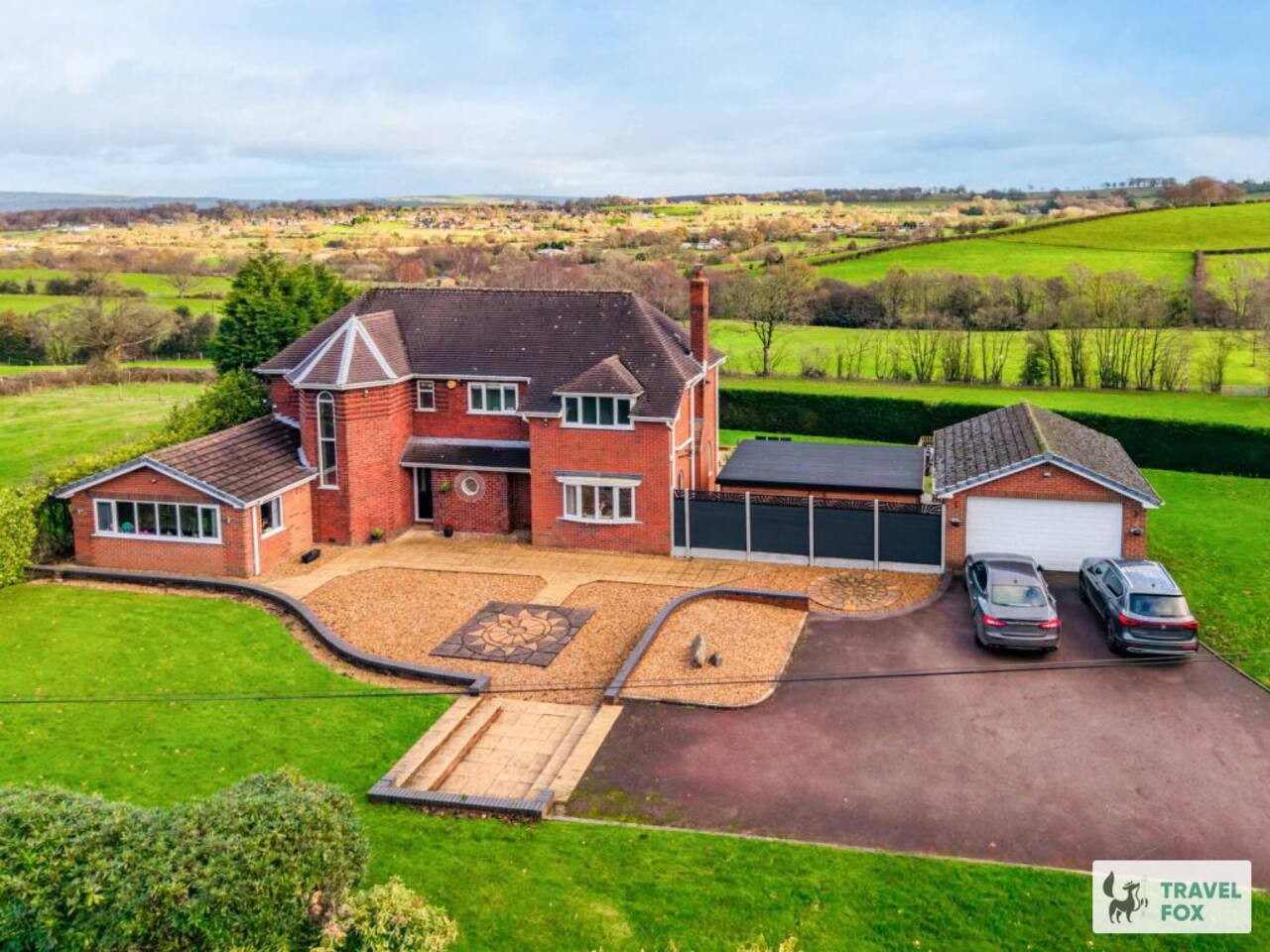
Cheddleton
Greenways House - Parking, Pool Table and Garden!
- Sleeps 10
- 4 bedrooms
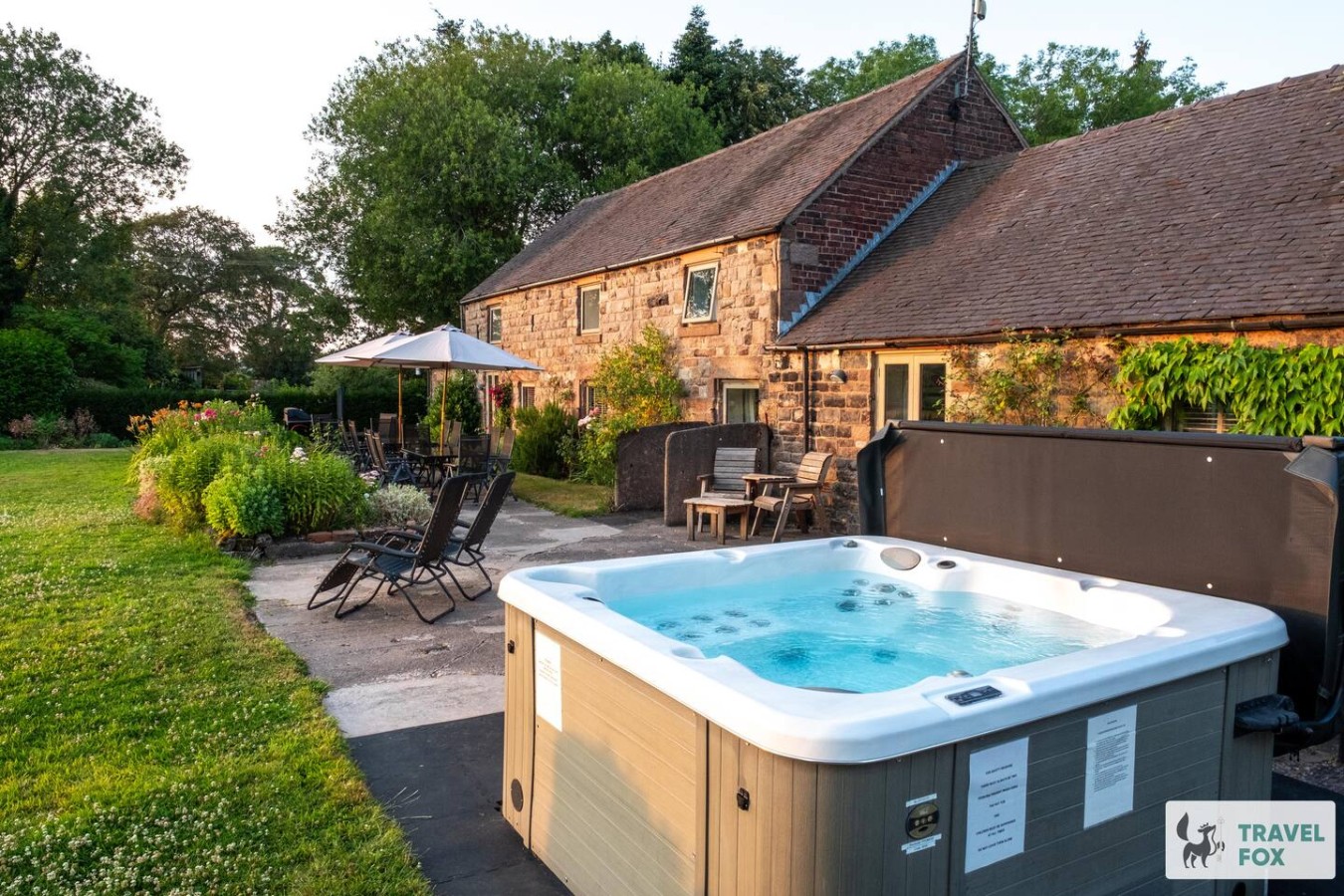
Cheddleton
Lee House Cottage + Annexe
- Sleeps 19
- 8 bedrooms

Leek
Silkwood House | Boutique 4 Bed nr. Peak District
- Sleeps 8
- 4 bedrooms
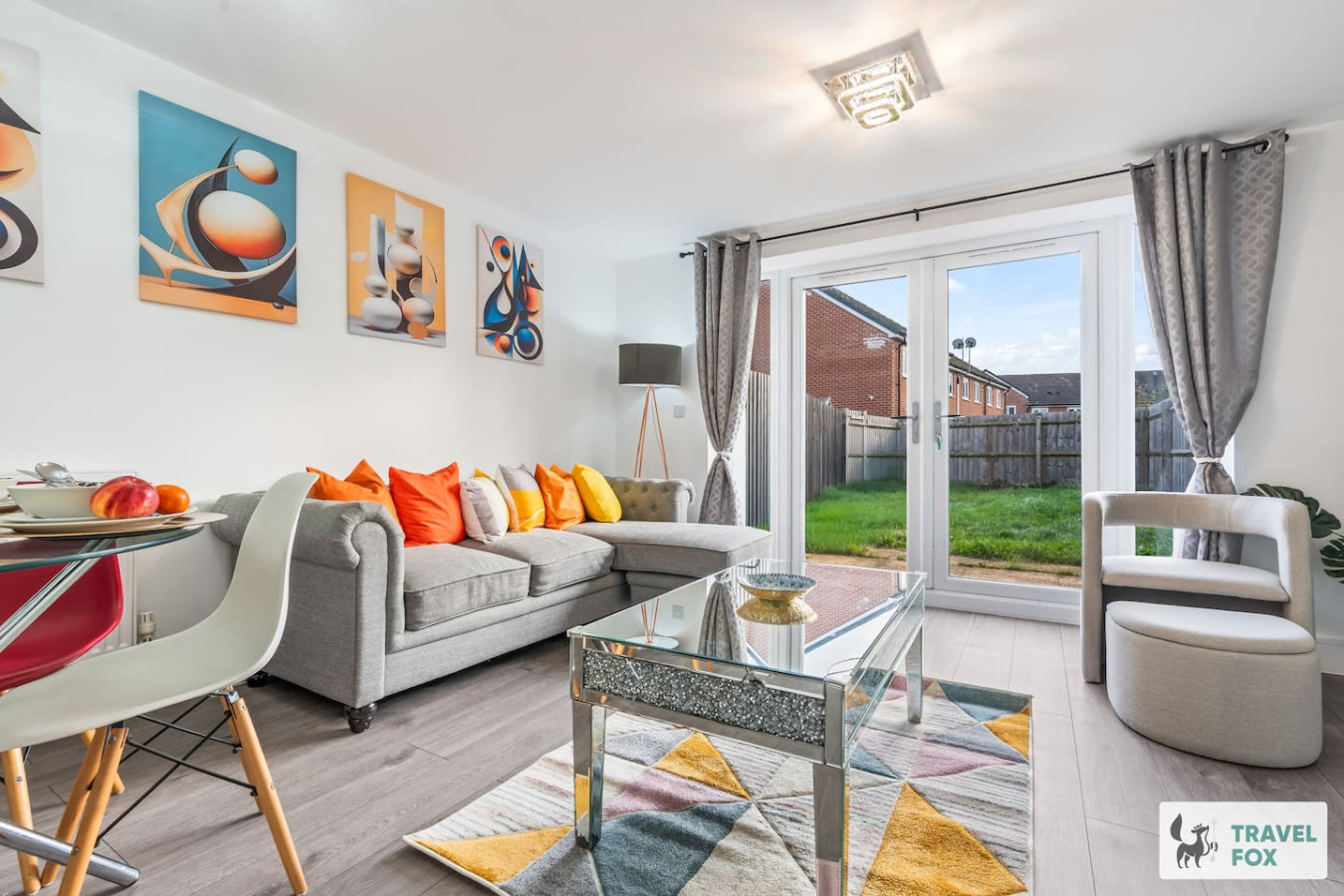
Stoke-on-Trent
Heather's House
- Sleeps 6
- 2 bedrooms
For homeowners
Own a holiday home near Swindon?
We manage holiday lets across Staffordshire from 12% commission, charged after cleaning costs, with no lock-in. A co-founder visits before you decide.
Holiday let management in Staffordshire →
A guide with a point of view
Written from research. Edited for real journeys.
Use the Official site links for live practical details, then use this guide for context, ideas and room to explore.
Photography credits & licences
Third-party photographs are credited to their named creators and reused under the linked Creative Commons licence or public-domain dedication. Travel Fox stores an optimised local copy; the file-specific changes and any browser-applied display crop are disclosed below. Reused photographs link both to the Wikimedia Commons source record and to the declared source image; Travel Fox's own photographs carry no such record and are marked as ours. These image licences do not cover Travel Fox text, branding or page design.
- File:The Green Man in Swindon, Staffordshire - geograph.org.uk - 6665477.jpg — photograph by Roger D Kidd; The Green Man in Swindon, Staffordshire by Roger D Kidd. Source record on Wikimedia Commons. Declared source image. Licence: CC BY-SA 2.0. File changes: Downloaded from Wikimedia Commons, resized to a maximum 1920px edge and encoded as an optimised JPEG. Display changes: Displayed with responsive CSS cropping.
Sources
Every place on this page is checked against a published source. Each entry links the record we used and names who publishes it.
- The Green Man — ratings.food.gov.uk statutory register or public authority
- The Old Bush — ratings.food.gov.uk statutory register or public authority
- St John's Church — himleyandswindonchurches.org other published source
- Himley and Swindon Canal Trail — sstaffs.gov.uk statutory register or public authority
- Swindon Community Centre — swindon-pc.gov.uk statutory register or public authority
- Swindon Cricket Club — swindoncc.com operator, sector body or destination organisation
- Baggeridge Country Park — sstaffs.gov.uk statutory register or public authority
- Himley Hall and Park — dudley.gov.uk statutory register or public authority
- The Bratch Locks — canalrivertrust.org.uk national body or asset manager