
Estate Life
Thorpe Constantine
A private estate hamlet with public footpaths and a historic church, close to Statfold’s heritage railway.
- Best for
- Estate walks, church history and narrow-gauge railways
- Plan around
- Footpaths, church access and railway events
- Don't miss
- The Mease Valley Light Railway woodland trail
The Fox verdict
A rural base for purposeful visits
Thorpe Constantine works best as a quiet estate walk or a starting point for nearby rail heritage.
This is an estate hamlet rather than a conventional village centre. Public footpaths cross the estate, the church has occasional services, and neighbouring Statfold adds a narrow-gauge railway and two museums.
Where to go
Places in Thorpe Constantine
Every place below is checked against a published source, listed with what it is and how long to give it.
Local signatures
3 placesStatfold Country Park
A narrow-gauge heritage railway and museum site with three track gauges, a woodland railway trail, the Roundhouse Museum and the National Fairground Museum.
- Visit length
- Editorial estimate: Allow around 3 hours
- Locality
- Statfold
- Access
- Check current visitor access and any booking requirements before travel.
St Andrew's Church, Clifton Campville
A Grade I listed parish church whose spire is a landmark for miles, with parts of the south wall dating to around 1200 and 13th-century wall paintings.
- Visit length
- Editorial estimate: Allow around 30 minutes
- Locality
- Clifton Campville
- Access
- Check access with the parish before travel.
Tamworth Castle
A Grade I listed Norman motte-and-bailey castle in Tamworth, now a museum, with castle gardens beside it.
- Visit length
- Editorial estimate: Allow around 90 minutes
- Locality
- Tamworth
- Access
- Check current visitor access and any booking requirements before travel.
Food & drink
1 placeThe Green Man
A village pub in Clifton Campville, the neighbouring community that shares a joint parish council with Thorpe Constantine.
- Visit length
- Editorial estimate: Allow around 1 hour 30 minutes
- Locality
- Clifton Campville
- Access
- Check current service and booking arrangements before travel.
Walks & outdoors
1 placeThorpe Estate Footpaths
Public footpaths through wildflower meadows, woodland, spring-fed lakes and mature hedgerows, including a centuries-old chestnut tree.
- Visit length
- Editorial estimate: Allow around 1 hour 30 minutes
- Locality
- across Thorpe Estate
- Access
- Use public footpaths and respect the surrounding working estate.
History & heritage
1 placeChurch of St Constantine
A Grade II estate church rebuilt in 1883 by J. Oldrid Scott around medieval fabric, including a 14th-century tower.
- Visit length
- Editorial estimate: Allow around 20 minutes
- Locality
- Thorpe Constantine
- Access
- The church stands in private estate grounds and is used for occasional services; check access with the estate before visiting.
No places match this filter. Choose All places to reset the list.
Three ways to explore Thorpe Constantine
Signature outings
Meadows, Woodland and a Veteran Tree
Walk the public footpaths across estate meadows and woodland, looking out for the roughly 400-year-old chestnut tree.
The Nearest Village Pub
Make the short trip to Clifton Campville for the Green Man, about 1.6 miles from Thorpe Constantine in a straight line.
St Andrew's at Clifton Campville
Visit the Grade I parish church in the next village, with 13th-century wall paintings and a spire that can be seen for miles.
The village story
Thorpe Constantine Village Guide
A private estate hamlet shaped by purposeful visits, family continuity and the River Mease landscape.
An Estate Hamlet
Thorpe Constantine is a private estate hamlet gathered around Thorpe Hall, set in the shallow valley of the River Mease.
There is no pub within the parish. The Green Man is in Clifton Campville, about 1.6 miles from Thorpe Constantine measured in a straight line; the road journey is longer. Clifton Campville shares a parish council with Thorpe Constantine.
Purposeful Days Outdoors
The walking is the estate's own footpaths, through the meadows and woodland, past a chestnut tree reckoned to be around 400 years old — roughly the same age as the family who still own the place. At neighbouring Statfold, the Mease Valley Light Railway threads a woodland trail as part of Statfold Country Park, where Graham and Carol Lee bought the farm in 1987, opened it fully to the public in 2017, and now run three track gauges alongside a Roundhouse Museum and the National Fairground Museum.
Churches, Hall and Inheritance
The Church of St Constantine stands within the Hall's grounds, rebuilt in 1883 by J. Oldrid Scott around a surviving 14th-century tower, with a steeple done up in crocketed gablets and gargoyles. It's used only occasionally now. Within the same parish, at Statfold, All Saints is the older and grander of the two — Grade II* with 12th-century origins — and its churchyard holds the Wolferston Memorial, a carved pedestal tomb with a ram's head at each corner.
The Ives family built Thorpe Hall in 1651, three storeys and five bays; a daughter's marriage brought it to the Inge family, who held it for generations and produced five High Sheriffs of Staffordshire between them. Domesday recorded thirteen households here and a value of £1, rising to £2 by 1086; by 1848 the parish held 42 people on 953 acres. The estate has stayed with the same family since 1631, passing in 1953 to a cousin who added "Inge" to her married name to inherit it.
Arriving for an Estate Occasion
Tamworth has the nearest railway station; minor lanes off the A513, with Clifton Lane running through the parish itself, are how you reach Thorpe Constantine.
Stay around Staffordshire
Make a longer stay of it
Travel Fox holiday homes around Staffordshire, linked directly to their property pages.
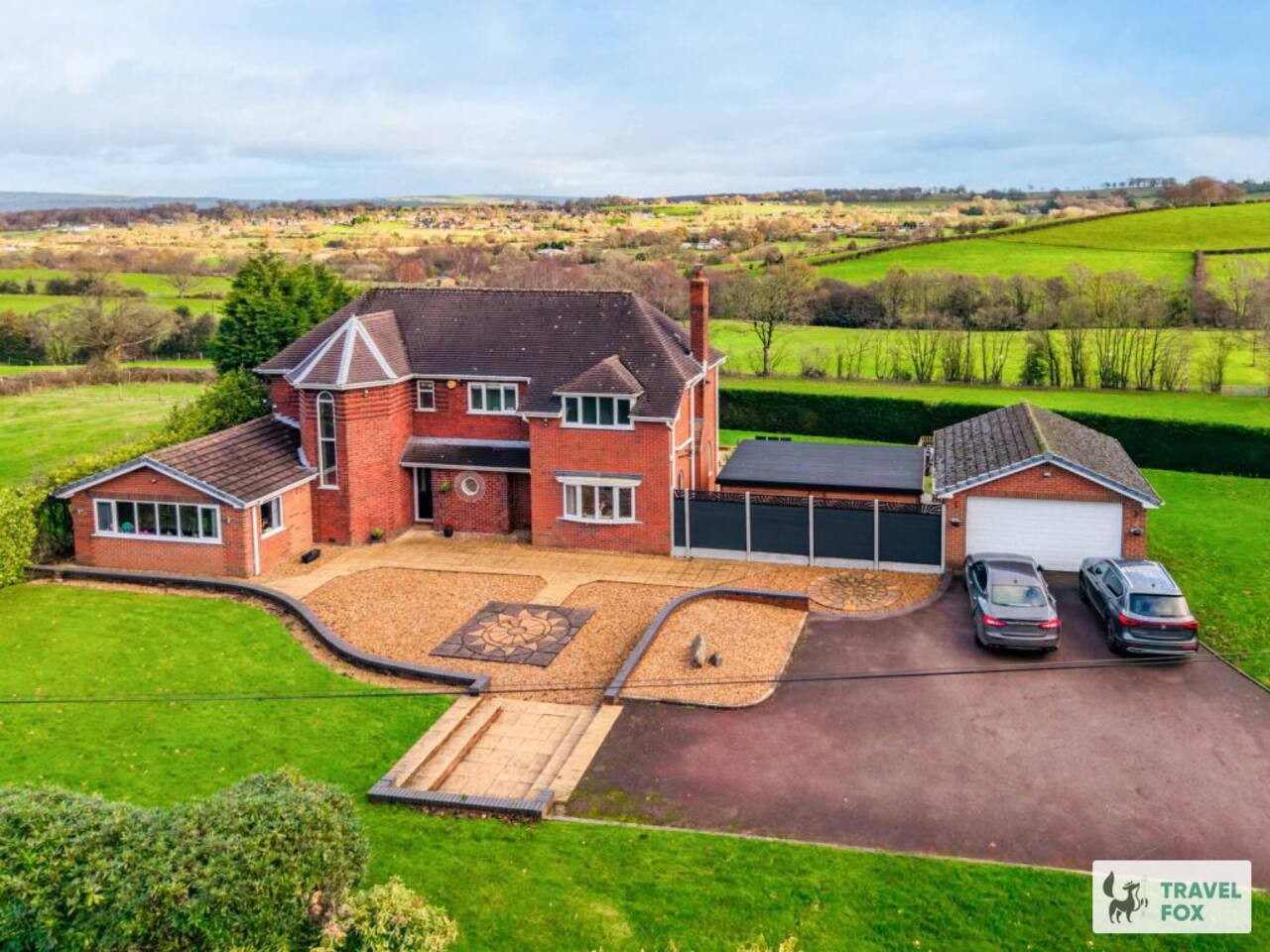
Cheddleton
Greenways House - Parking, Pool Table and Garden!
- Sleeps 10
- 4 bedrooms
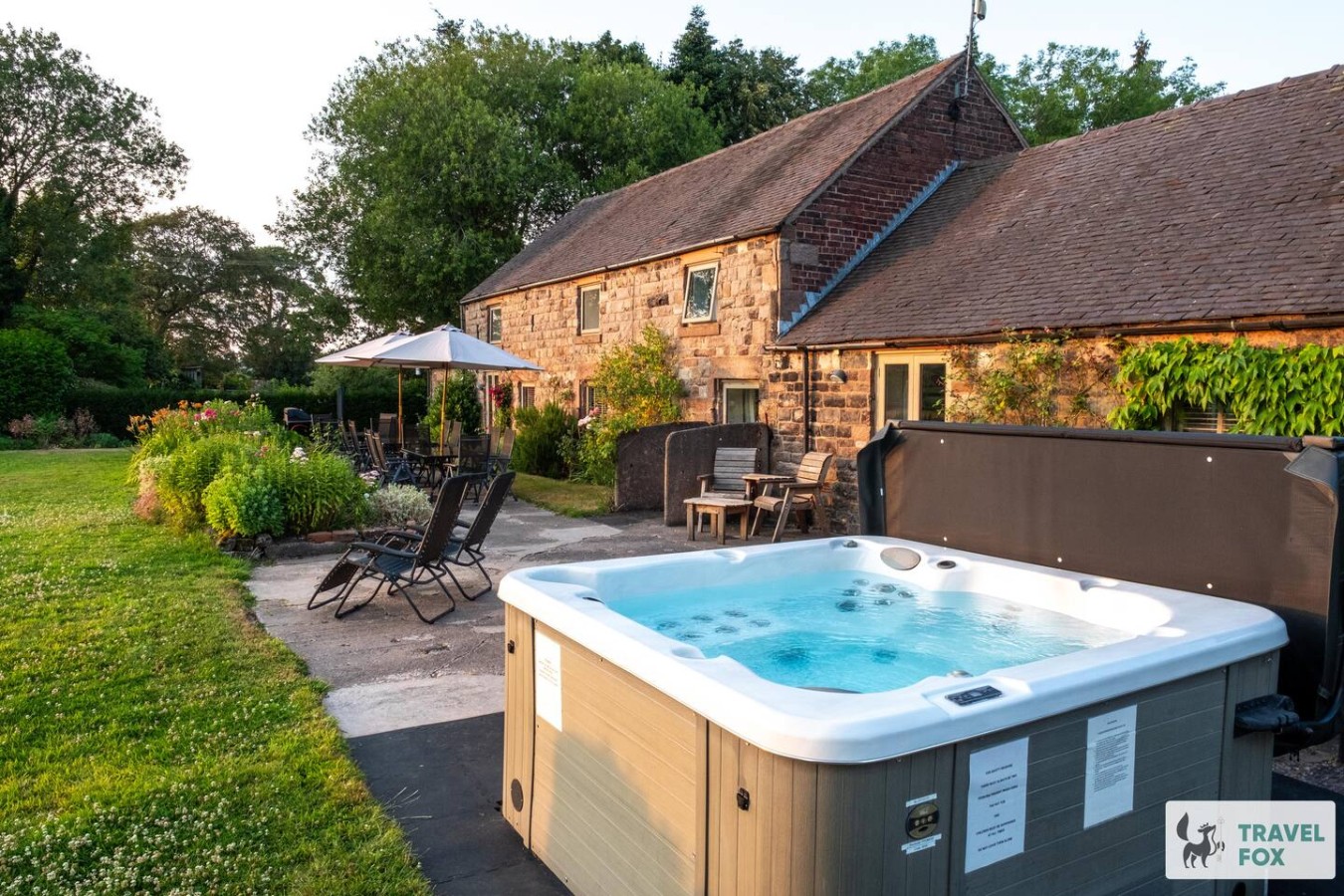
Cheddleton
Lee House Cottage + Annexe
- Sleeps 19
- 8 bedrooms
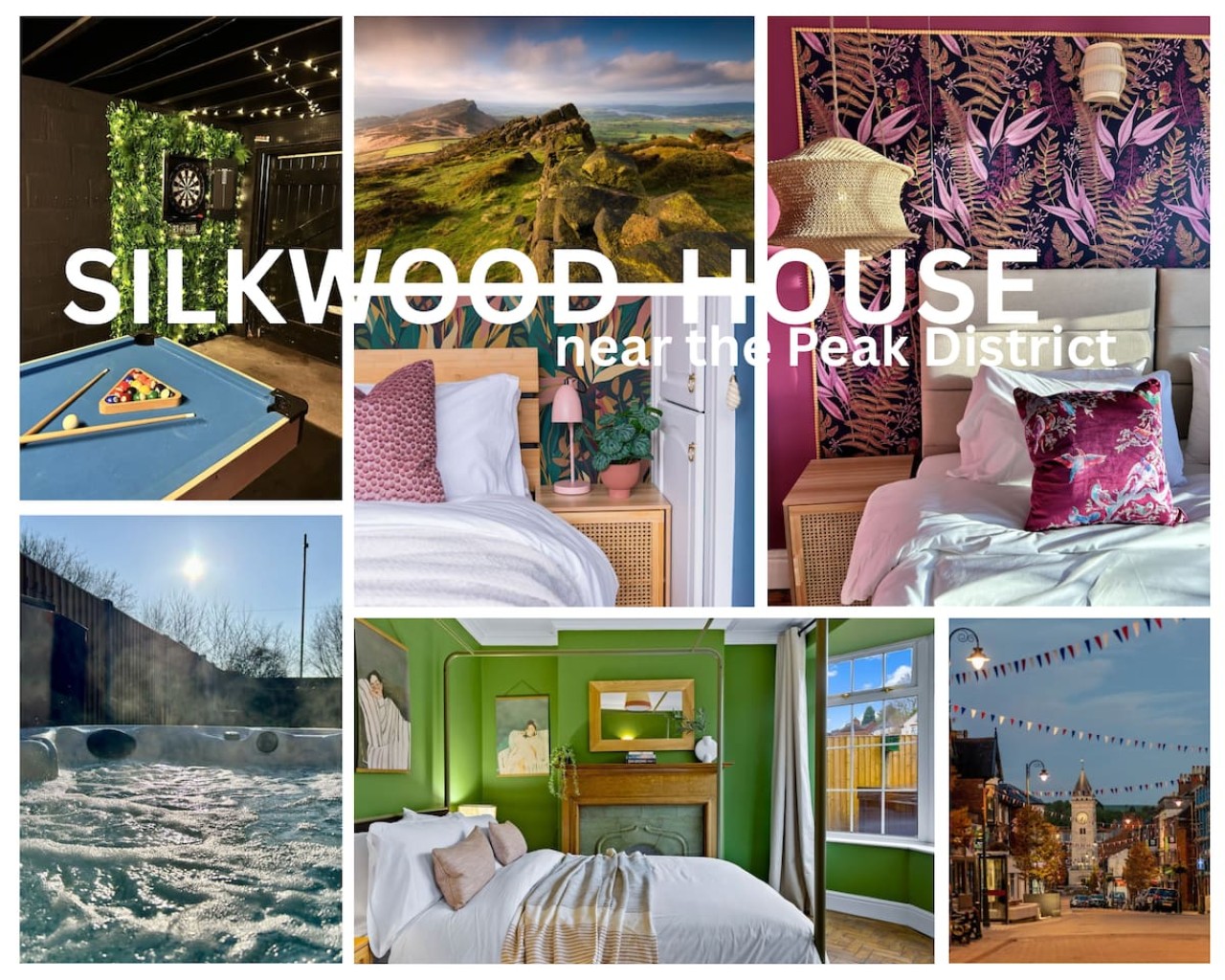
Leek
Silkwood House | Boutique 4 Bed nr. Peak District
- Sleeps 8
- 4 bedrooms
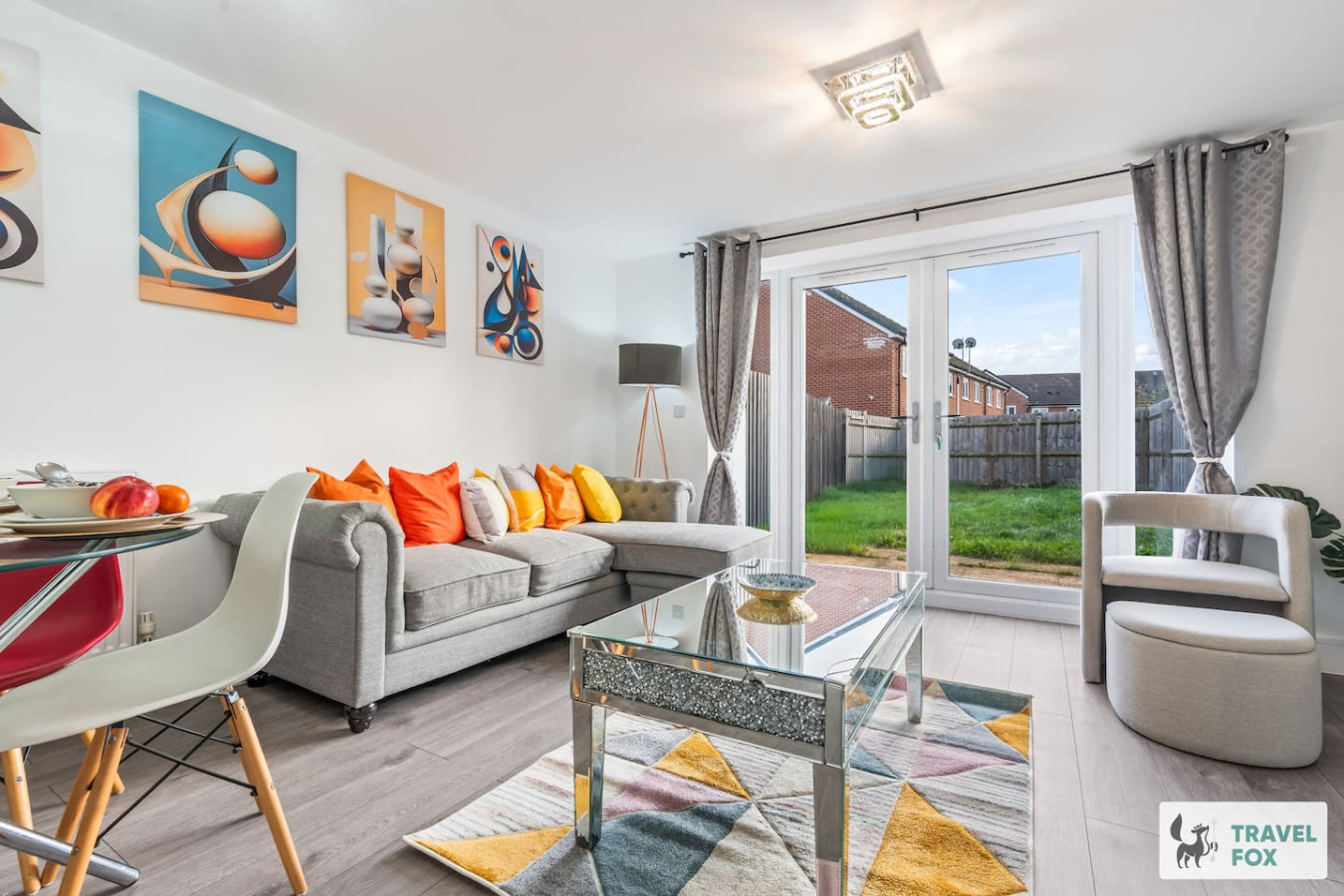
Stoke-on-Trent
Heather's House
- Sleeps 6
- 2 bedrooms
For homeowners
Own a holiday home near Thorpe Constantine?
We manage holiday lets across Staffordshire from 12% commission, charged after cleaning costs, with no lock-in. A co-founder visits before you decide.
Holiday let management in Staffordshire →
A guide with a point of view
Written from research. Edited for real journeys.
Use the Official site links for live practical details, then use this guide for context, ideas and room to explore.
Sources
Every place on this page is checked against a published source. Each entry links the record we used and names who publishes it.
- Thorpe Estate Footpaths — thorpeestate.com operator, sector body or destination organisation
- Statfold Country Park — statfold.com operator, sector body or destination organisation
- The Green Man — thegreenmanpub.com other published source
- Church of St Constantine — Historic England statutory or official source
- St Andrew's Church, Clifton Campville — Historic England statutory or official source
- Tamworth Castle — Historic England statutory or official source