
Brook-valley Staffordshire
Trysull
A compact conservation village where a medieval church, the last local pub and footpaths beside the Smestow Brook make a quietly rewarding base.
- Best for
- Village history and country walking
- Give it
- Editorial estimate: half a day, or longer with a nearby stop
- Don't miss
- All Saints and the cast-iron bridge on Trysull Holloway
The Fox verdict
A small village with a strong walking brief
Trysull works best as a church-and-pub visit folded into a brookside walk, rather than as a conventional sightseeing centre.
The useful core is compact: Grade II* All Saints stands beside the 18th-century Bell Inn, while the Smestow Brook, Trysull Holloway and surrounding rights of way connect with longer country walks. Bratch Locks, Kinver Edge and Himley Hall add enough variety for a fuller day without pretending the village has shops or a long attraction list.
Where to go
Places in Trysull
Every place below is checked against a published source, listed with what it is and how long to give it.
Local signatures
3 placesTrysull Holloway and Smestow Brook Bridge
A medieval hollow way from the direction of Wolverhampton crosses the Smestow Brook on a Grade II listed late-18th-century cast-iron bridge; a notice attached to the bridge is dated 1905.
- Visit length
- Editorial estimate: Planning allowance: around 30 minutes
- Locality
- Trysull Holloway at Smestow Brook
Trysull and Seisdon Circular Walk
A circular walk from Trysull through Seisdon and surrounding farmland to an escarpment ridge, using a mix of roads, grass and dirt trails and gravel tracks.
- Visit length
- Editorial estimate: allow around 2 hours 15 minutes for the circular walk
- Locality
- footpaths around Trysull and Seisdon
- Access
- The walk uses roads, grass and dirt trails, gravel tracks and several stiles.
Kinver Edge and the Rock Houses
National Trust heathland and woodland with a hillfort, the Holy Austin rock houses and a trail with natural play areas leading to hilltop views.
- Visit length
- Editorial estimate: allow around 2 hours for a selection of visitor trails and the rock houses
- Locality
- Kinver
- Access
- The visitor trails include a 1.1-mile woodland trail, a 1.5-mile circular heathland trail and a 4-mile Centenary trail.
Food & drink
1 placeThe Bell Inn
Trysull's remaining pub occupies an 18th-century building and offers an extensive food menu alongside regular Holden's beers and changing beers including Bathams; its front patio and beer garden overlook residential properties and are popular with walkers.
- Visit length
- Editorial estimate: Planning allowance: around 90 minutes
- Locality
- Bell Road, beside All Saints
- Access
- Dogs are welcome, but not in the lounge.
History & heritage
2 placesAll Saints Church
A sandstone parish church with 12th-century origins, later medieval work, an early 17th-century oak pulpit, a late-medieval rood screen and a stone font probably dating to the 15th century.
- Visit length
- Editorial estimate: Planning allowance: around 30 minutes
- Locality
- Beside the Bell Inn
Bratch Locks
An 18th-century canal-engineering stop on the Staffordshire and Worcestershire Canal, beside Bratch Park's playground.
- Visit length
- Editorial estimate: Planning allowance: around 45 minutes
- Locality
- Wombourne
Things to do
1 placeHimley Hall and Park
An 18th-century hall set in 180 acres of Capability Brown-landscaped parkland, with a path continuing towards Baggeridge Country Park.
- Visit length
- Editorial estimate: Planning allowance: around 90 minutes
- Locality
- Himley
No places match this filter. Choose All places to reset the list.
Three ways to explore Trysull
Signature outings
Lunch at Trysull's last pub
Order from the extensive food menu and settle in with a Holden's beer at the 18th-century Bell Inn, with the front garden as a walkers' option.
Medieval fabric at All Saints
Look for the church's surviving 12th-century fragments, late-medieval rood screen, stone font probably dating to the 15th century and early 17th-century oak pulpit.
Engineering at the Bratch
Make the historic lock flight the focal point of a Smestow Brook walk towards Wombourne and the Staffordshire and Worcestershire Canal.
The village story
Trysull Village Guide
The original Travel Fox account of Trysull's last pub, medieval church, brookside walks and Mander legacy.
The Bell on Bell Road
The Bell Inn occupies an 18th-century building on Bell Road beside the church. Its Holden's Cask Ale Club offers discounted cask ale, and the front beer garden looks over neighbouring houses and draws walkers.
An extensive food menu sits alongside regular Holden's beers, while Bathams and other beers appear among the changing selection.
The Village's Last Pub
Dogs are welcome but not in the lounge, and the front garden gives walkers a place to pause.
Separate dining and lounge spaces support the food-led, traditional country-pub character.
All Saints and Village Amenities
All Saints Church is a sandstone parish church with 12th-century fragments, a rebuilt tower and porch from 1897, an early 17th-century oak pulpit, a rood screen from around 1500 and a stone font probably dating to the 15th century. Pevsner included it in his Staffordshire volume.
Trysull's amenities are modest: the council lists a village hall, village green and a small industrial estate south-east of the village.
Footpaths and Manor History
The circular walk follows The Holloway, Church Lane and farm tracks through Seisdon, with roads, grass and dirt trails, gravel tracks and several stiles. Trysull Holloway, a medieval hollow way, crosses the Smestow Brook on a Grade II listed late-18th-century cast-iron bridge; a notice attached to it is dated 1905.
The Domesday Book records Treslei in the hundred of Seisdon, with ten households, one mill and a value of one pound ten shillings unchanged between 1066 and 1086. In 1894 Benjamin Howard Mander bought Trysull Manor House and remodelled it as an Arts and Crafts exemplar. By 1900 or soon after, he had endowed the village with an institute called The Thatchers.
Community, Connections and Mander
Trysull retains old country cottages, houses and its manor house within the conservation area.
Mander died in 1912. His widow remained in Trysull until her death in the 1940s.
Stay around Staffordshire
Make a longer stay of it
Travel Fox holiday homes around Staffordshire, linked directly to their property pages.
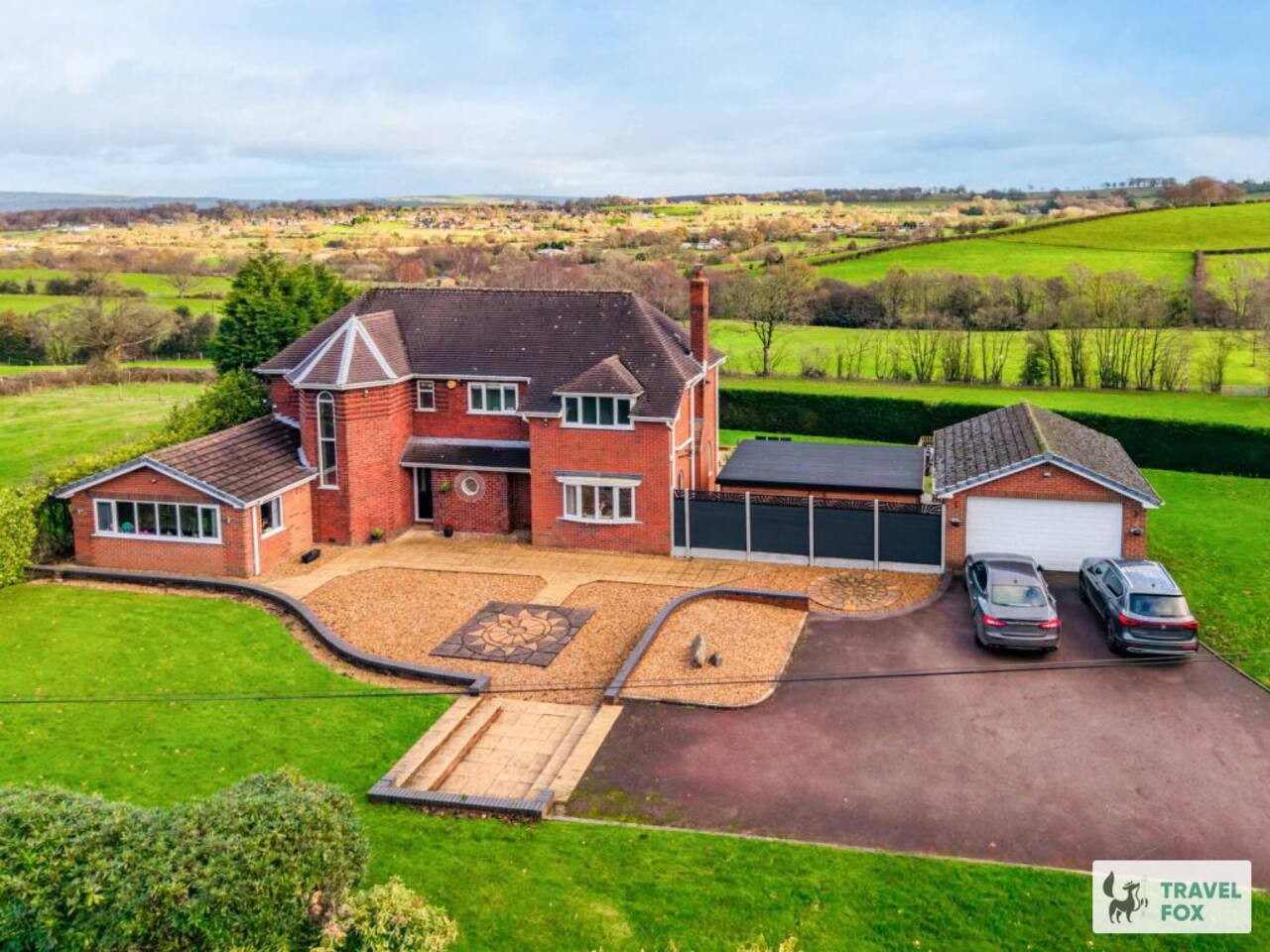
Cheddleton
Greenways House - Parking, Pool Table and Garden!
- Sleeps 10
- 4 bedrooms
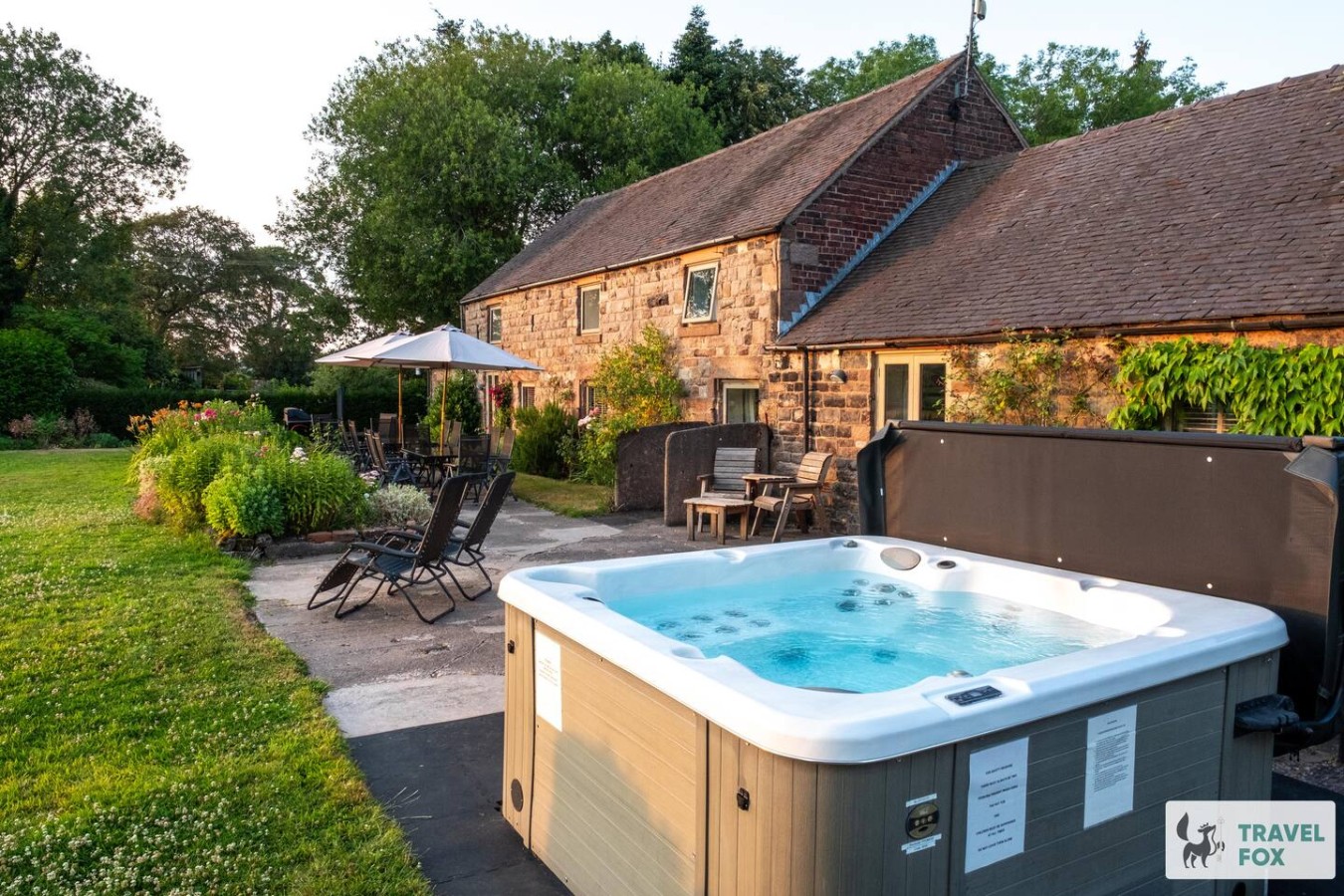
Cheddleton
Lee House Cottage + Annexe
- Sleeps 19
- 8 bedrooms
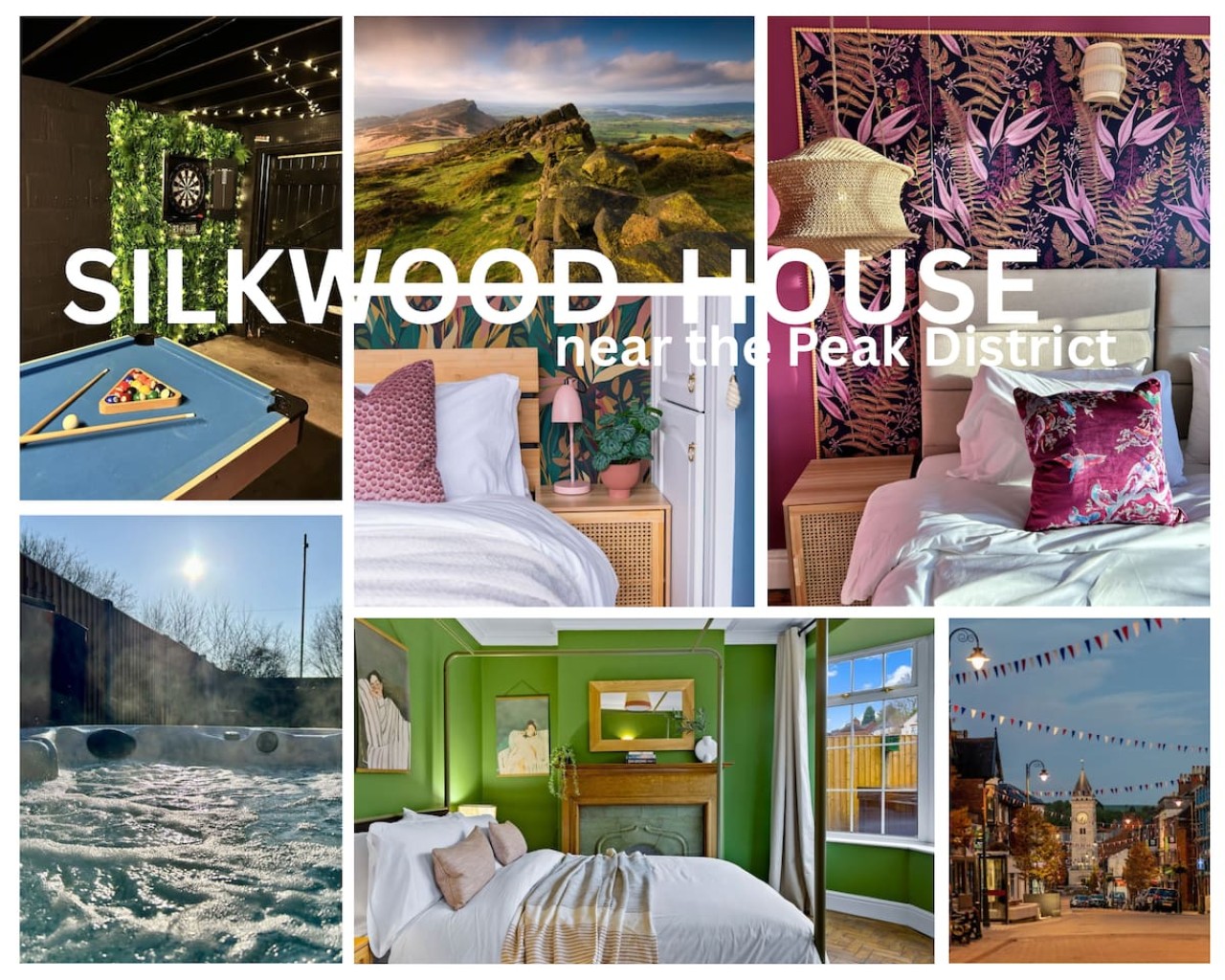
Leek
Silkwood House | Boutique 4 Bed nr. Peak District
- Sleeps 8
- 4 bedrooms
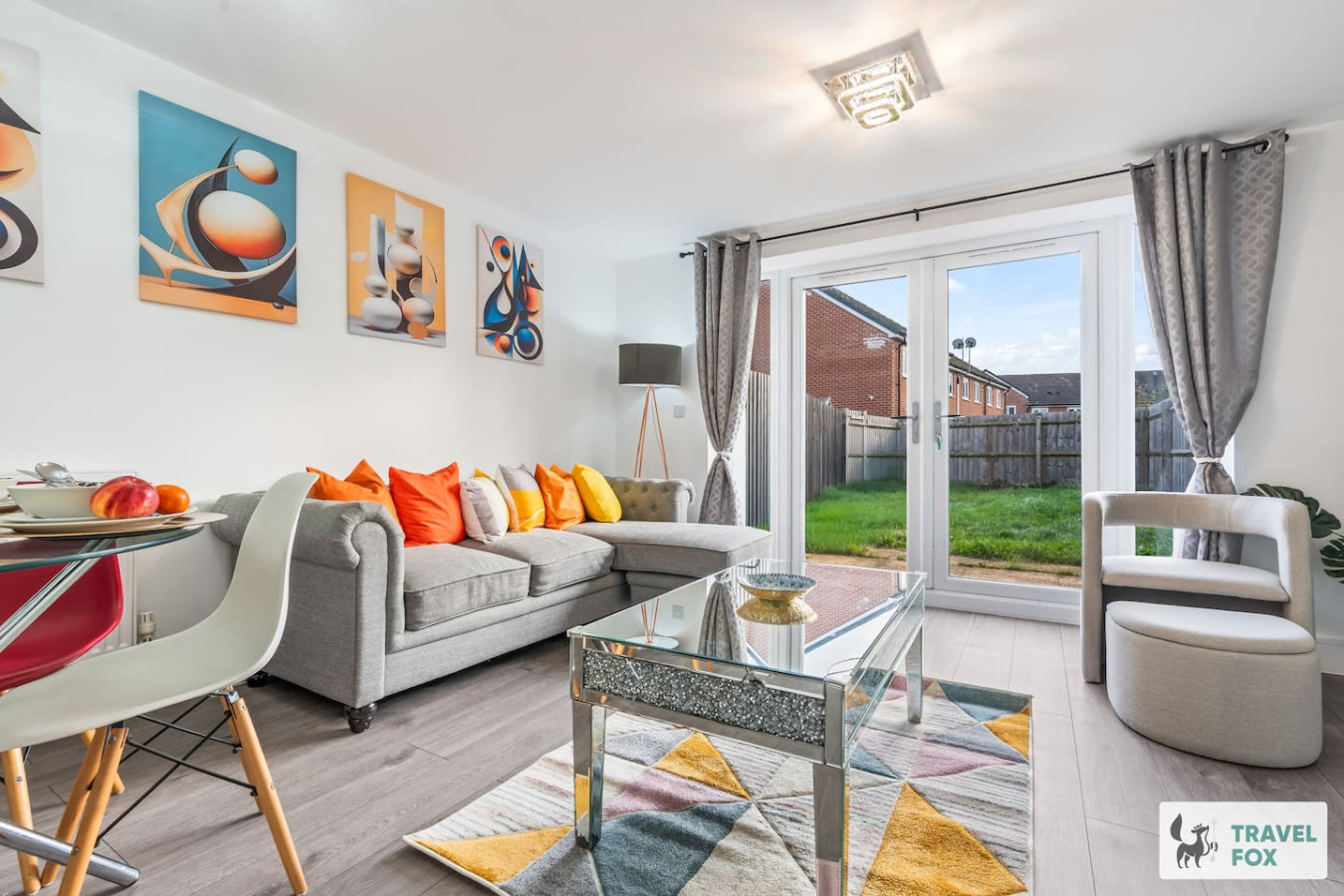
Stoke-on-Trent
Heather's House
- Sleeps 6
- 2 bedrooms
For homeowners
Own a holiday home near Trysull?
We manage holiday lets across Staffordshire from 12% commission, charged after cleaning costs, with no lock-in. A co-founder visits before you decide.
Holiday let management in Staffordshire →
A guide with a point of view
Written from research. Edited for real journeys.
Use the Official site links for live practical details, then use this guide for context, ideas and room to explore.
Sources
Every place on this page is checked against a published source. Each entry links the record we used and names who publishes it.
- The Bell Inn — camra.org.uk operator, sector body or destination organisation
- All Saints Church — historicengland.org.uk statutory register or public authority record not machine-readable; publisher restricts automated access
- Trysull Holloway and Smestow Brook Bridge — historicengland.org.uk statutory register or public authority record not machine-readable; publisher restricts automated access
- Trysull and Seisdon Circular Walk — ratedtrips.com operator, sector body or destination organisation
- Bratch Locks — canalrivertrust.org.uk national body or asset manager
- Kinver Edge and the Rock Houses — nationaltrust.org.uk national body or asset manager
- Himley Hall and Park — dudley.gov.uk statutory register or public authority