
Wyatt country
Weeford
A small Staffordshire village shaped by James Wyatt's parish church, a former school turned restaurant and countryside looking towards Lichfield.
- Best for
- Church detail and a country meal
- Give it
- Editorial estimate: half a day in the village, longer with a nearby stop
- Don't miss
- St Mary's rearranged Netherlandish glass
The Fox verdict
Small in scale, rich in detail
Weeford rewards a focused visit built around St Mary's and The School House.
The village has no traditional pub and little conventional visitor infrastructure, but its surviving landmarks tell unusually strong stories. James Wyatt returned to his home parish to design St Mary's, The School House keeps the old village school in use, and nearby choices range from Roman Wall to Lichfield's three-spired cathedral.
Where to go
Places in Weeford
Every place below is checked against a published source, listed with what it is and how long to give it.
Local signatures
3 placesThe School House
A country restaurant and brasserie in Weeford's converted former village school, with a terrace overlooking Black Brook and eleven acres of grounds.
- Visit length
- Editorial estimate: allow around 75 minutes for a meal
- Locality
- Church Hill, Weeford
Wall Roman Site
The remains of the Roman roadside settlement of Letocetum at Wall, including the baths and inn-like mansio beside Watling Street.
- Visit length
- Editorial estimate: allow around 60 minutes
- Locality
- Wall
- Access
- The Roman remains stand beside Watling Street at Wall.
Lichfield Cathedral
Lichfield's three-spired medieval cathedral, where Weeford-born James Wyatt worked as architect in the 1780s.
- Visit length
- Editorial estimate: allow around 75 minutes
- Locality
- Lichfield
- Access
- The three-spired medieval cathedral stands in Lichfield, roughly four miles north of Weeford.
Walks & outdoors
1 placeSutton Park
A roughly 2,400-acre urban park of heathland, woodland, wetland and lakes, paired in published walking-map coverage with Weeford's countryside paths.
- Visit length
- Editorial estimate: allow around 150 minutes
- Locality
- Sutton Coldfield
History & heritage
2 placesSt Mary's Church
The Grade II parish church rebuilt in 1802 to James Wyatt's design, with late-sixteenth-century Netherlandish glass in the South Transept and family memorials on opposing walls.
- Visit length
- Editorial estimate: allow around 45 minutes
- Locality
- Church Hill, Weeford
- Access
- Check the church's Official site before travel for visitor access.
National Memorial Arboretum
The UK's year-round centre of Remembrance, with more than 150 acres of woodland and gardens and the Armed Forces Memorial.
- Visit length
- Editorial estimate: allow around 150 minutes
- Locality
- Alrewas
No places match this filter. Choose All places to reset the list.
Three ways to explore Weeford
Signature outings
A window out of order
Study the South Transept's late-sixteenth-century Netherlandish glass, where reinstalled panels were muddled and one figure has a leg where an arm should be.
Woodland with purpose
Walk through woodland and gardens towards the Armed Forces Memorial at the UK's year-round centre of Remembrance.
Heath, woods and water
Explore heathland, woodland and wetland around the lakes of this roughly 2,400-acre urban park.
The village story
Weeford Village Guide
A former school, a remarkable Wyatt church and a landscape threaded by Roman roads and family rivalries.
From schoolroom to dining room
The School House sits on Church Hill, opposite St Mary's, in a building that spent its first six decades as Weeford's village school. The Dobson family bought it in 1984 and turned it into a restaurant and function venue, with a terrace looking over Black Brook and eleven acres of grounds. It is, as far as research turns up, the only place in Weeford itself to get a meal.
The fixed-price menu runs £20.50 for two courses or £26.50 for three: breaded goats cheese with beetroot, pistachio and pickled red onion to start, then a chef's homemade pie of the day, pan-fried seabass with chimichurri, or breast of local pheasant wrapped in pancetta with chasseur sauce. There's local butcher's faggots with onion gravy for anyone who wants something plainer, and a warm pistachio brownie or chocolate, cherry and almond cheesecake to finish.
A village without a pub
There is no traditional pub in Weeford.
Glass, memorials and rival families
St Mary's, across the road from The School House, was rebuilt in 1802 to a design by James Wyatt, who was born half a mile away at Blackbrook Farmhouse in 1746. The south transept holds late-sixteenth-century Netherlandish glass, bought in 1803 from the chapel of the Dukes of Orléans near Paris by Sir Robert Lawley. When it was reinstalled, the panels got muddled up, and one figure now has a leg where an arm should be.
The Wyatts and the Manleys, two families who dominated the parish, kept to opposite sides of the church out of rivalry: Wyatt memorials on the south wall, Manley memorials on the north. Pew 24, near the back, still carries a paper label reading "Servants of Swinfen Hall."
James Wyatt and Weeford's deeper roots
Wyatt went on to build the Pantheon on Oxford Street — Horace Walpole thought it the most beautiful edifice in England — and later worked at Windsor Castle and Lichfield Cathedral, stripping 500 tons of stone from the nave roof to stop it collapsing. He came home to design his own parish church, and when the money ran short, donated the altar, pulpit, screens and font himself. Woodrow Wyatt, who took his peerage title from the village, is buried in the churchyard.
Weeford turns up in Domesday sharing an entry with thirteen other places, its own portion reckoned at roughly 5.5 households.
Ridge views and churchyard clues
The Sutton Coldfield to Lichfield footpath crosses the M6 Toll twice and climbs through Manley Wood, a remnant of the demolished Manley Hall estate. From the ridge you can see Lichfield's three spires and, on a clear day, Shenstone on its own hill opposite. Lichfield Trent Valley and Lichfield City stations are both in Lichfield to the north; the village sits on the A38 at its junction with the A5 and the M6 Toll.
A stone by the churchyard gate has grooves that might be a medieval scratch dial or archers' marks, or, as the church's own history leaflet admits, "the mischievous workings of some choirboys" a few decades back.
Stay around Staffordshire
Make a longer stay of it
Travel Fox holiday homes around Staffordshire, linked directly to their property pages.
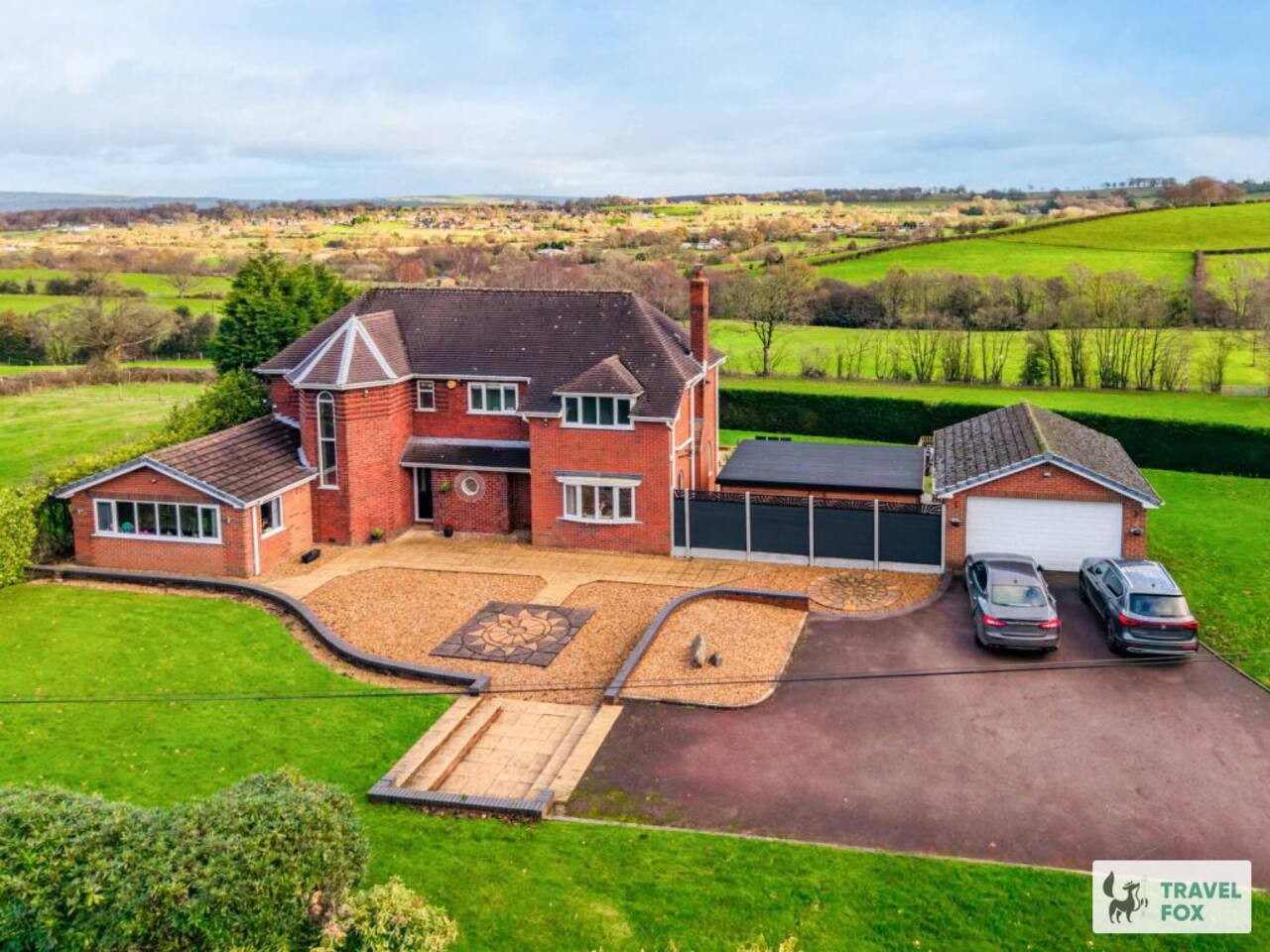
Cheddleton
Greenways House - Parking, Pool Table and Garden!
- Sleeps 10
- 4 bedrooms
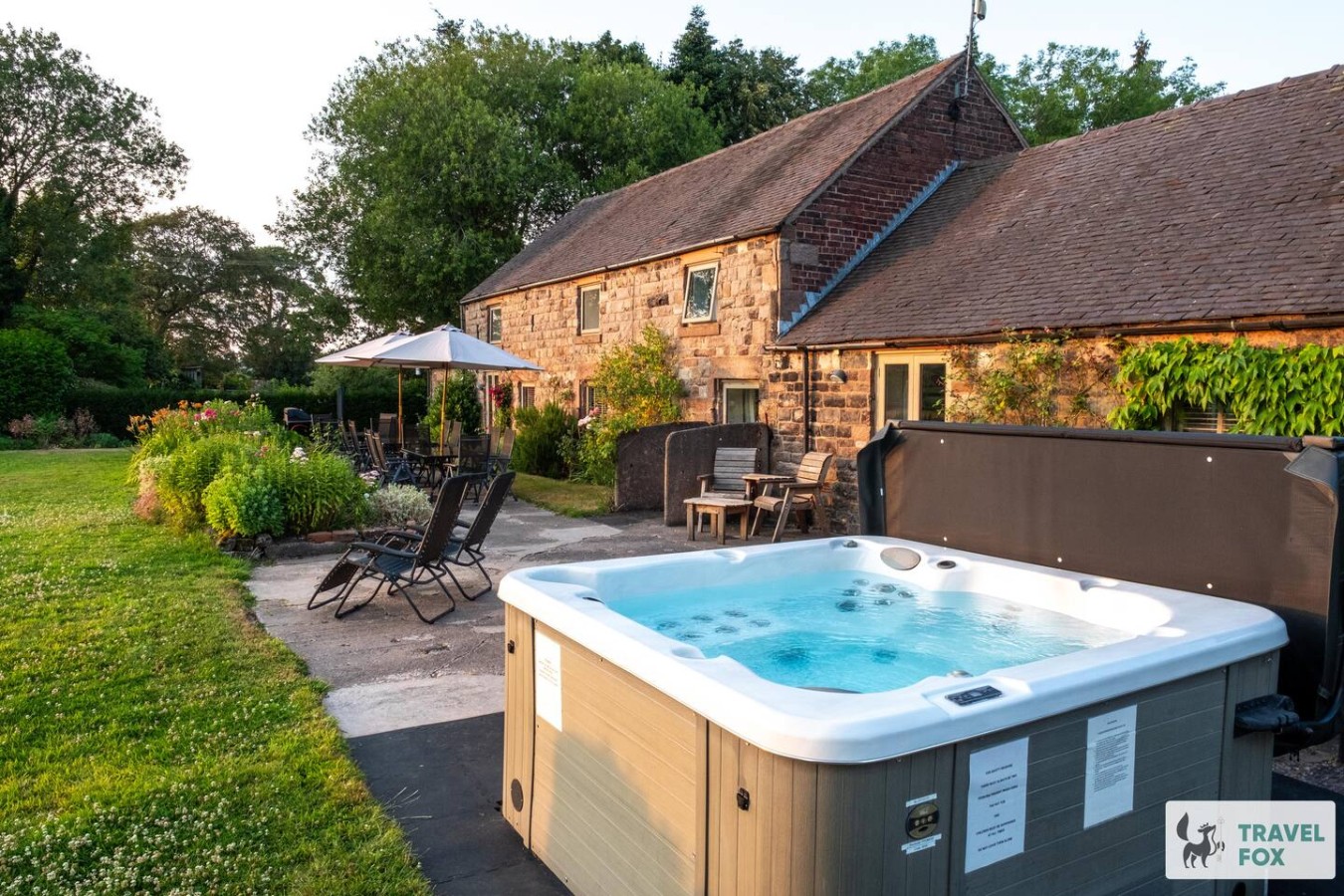
Cheddleton
Lee House Cottage + Annexe
- Sleeps 19
- 8 bedrooms

Leek
Silkwood House | Boutique 4 Bed nr. Peak District
- Sleeps 8
- 4 bedrooms
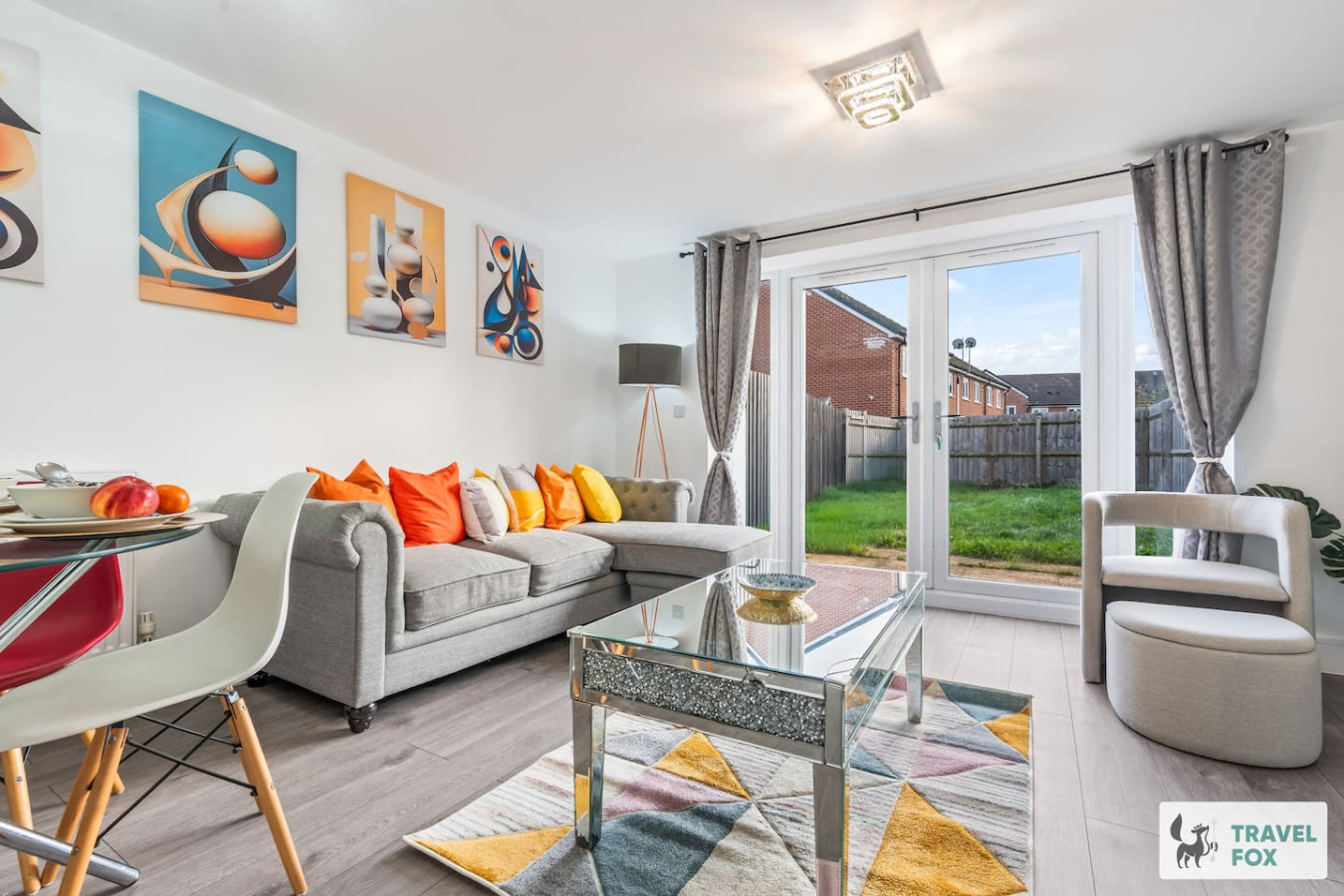
Stoke-on-Trent
Heather's House
- Sleeps 6
- 2 bedrooms
For homeowners
Own a holiday home near Weeford?
We manage holiday lets across Staffordshire from 12% commission, charged after cleaning costs, with no lock-in. A co-founder visits before you decide.
Holiday let management in Staffordshire →
A guide with a point of view
Written from research. Edited for real journeys.
Use the Official site links for live practical details, then use this guide for context, ideas and room to explore.
Sources
Every place on this page is checked against a published source. Each entry links the record we used and names who publishes it.
- The School House — schoolhouse.co.uk operator, sector body or destination organisation
- St Mary's Church — ourvillagechurch.org.uk other published source
- Wall Roman Site — english-heritage.org.uk national body or asset manager
- Lichfield Cathedral — lichfield-cathedral.org operator, sector body or destination organisation
- National Memorial Arboretum — thenma.org.uk other published source
- Sutton Park — birmingham.gov.uk statutory register or public authority