

Roman Wall, village pace
Wall
Walk through the remains of Letocetum, look down from the churchyard and finish beside Watling Street.
- Best for
- Roman archaeology and old-lane walking
- Give it
- A relaxed half-day
- Don't miss
- The bath house and mansio remains
Photo: Michael Westley · CC BY-SA 2.0 · cropped
The Fox verdict
A small village with a Roman-scale story
Wall concentrates ruins, a volunteer-run museum, a church, old lanes and a serious steakhouse into one unhurried visit.
Letocetum explains why the village is here: the surviving bath house and mansio sit below St John the Baptist, while the heritage walk follows greenways and sunken lanes around Wall. The Trooper makes a natural food stop beside the Roman site.
Where to go
Places in Wall
Every place below is checked against a published source, listed with what it is and how long to give it.
Local signatures
3 placesLetocetum Roman Site
The stone bath house and mansio were rebuilt around AD 130 and are considered the best-preserved examples of their building types surviving in England.
- Visit length
- Editorial estimate: Planner allowance: around 60 minutes
- Locality
- Wall, Staffordshire
- Access
- The open-air remains have separate access from the museum; dogs are allowed on leads, but the Roman site itself has no wheelchair access.
Letocetum Museum
The museum beside the ruins was reopened in 2008 by the Friends of Letocetum, whose volunteers also lead guided walks and talks about Wall.
- Visit length
- Editorial estimate: Planner allowance: around 45 minutes
- Locality
- Wall, Staffordshire
- Access
- The museum is volunteer-run; check the Official site for access before travel.
The Trooper
A food-focused gastropub and steakhouse cooking steaks over an open indoor coal barbecue, with an elevated beer garden and heated terrace.
- Visit length
- Editorial estimate: Planner allowance: around 90 minutes
- Locality
- Watling Street, Wall
Walks & outdoors
1 placeWall Heritage Walk
A leaflet-guided walk along Wall's greenways and sunken lanes, which are thought to follow old drovers' roads.
- Visit length
- Editorial estimate: Planner allowance: around 90 minutes
- Locality
- Lanes around Wall
- Access
- Collect the leaflet from the museum car park before setting out.
History & heritage
1 place
St John the Baptist
Built in 1839–43, the church has an octagonal tower, a memorial clock from Shenstone Court and a Charles Kempe window showing Christ with Mary Magdalene.
- Visit length
- Editorial estimate: Planner allowance: around 30 minutes
- Locality
- Wall, Staffordshire
- Access
- The church is open through the summer months; check access before a special trip.
No places match this filter. Choose All places to reset the list.
Three ways to explore Wall
Signature outings
Walk the mansio and baths
Move between the surviving stone plans of the official inn and bath house rebuilt around AD 130.
Study the Gethsemane glass
Look for Charles Kempe's small wheatsheaf signature in the window of Christ with Mary Magdalene.
Take the heritage leaflet
Use the leaflet to follow greenways and sunken lanes around Wall that are thought to be old drovers' roads.
The village story
Wall: steak, old lanes and Roman stone
A village freed from through traffic, built around the remains of Letocetum and best explored between the ruins, church and pub.
The Trooper at full confidence
The Trooper does a 24oz Tomahawk steak for £65, cooked over an open indoor coal barbecue, and a 7oz Wagyu fillet for £55 with 24 hours' notice. It calls itself Staffordshire's Premier Steak House, a bold claim for a pub on Watling Street, but the chips are cooked in beef dripping and nobody seems to be arguing.
There's a fixed-price lunch Monday to Friday, £10 for two courses, and a "Bottomless Lunch" the pub says was the first of its kind in the Midlands — three courses with cocktails included. Dogs are welcome on leads, and the beer runs to Marston's Pedigree and a changing Rudgate Viking, alongside two rotating guests. The elevated beer garden and heated terrace look over open ground, with house martins nesting under the eaves in summer. It's the top-rated restaurant in Wall on Tripadvisor, though reviewers note service can slow when it's busy.
A small village, walked slowly
Wall doesn't have a shop of its own — no butcher, no post office, no bakery. For that you go to Shenstone, a mile and a half up the road, or into Lichfield. What it does have is a village hall on Green Lane, small enough to seat sixty, where the Women's Institute meets on the second Tuesday of every month.
The Wall Heritage Walk follows old drovers' lanes and sunken tracks around the village; the leaflet costs 20p from the museum car park. A shorter loop, about a mile and a half, circles past the Roman ruins in under forty minutes. A longer route follows the six miles from Lichfield to Shenstone station.
The church above Letocetum
St John the Baptist was built in the early 1840s, probably to a design by Gilbert Scott, on land given by John Mott of Wall House. Its octagonal tower carries a clock that came from Shenstone Court, installed as the parish's war memorial. Inside, a stained-glass window by Charles Kempe shows Christ with Mary Magdalene in the garden at Gethsemane. The churchyard looks straight down onto the Roman ruins below.
The village has been free of through traffic since 1965, when the A5 was rerouted around it; the junction with the M6 Toll to the south-east is known locally as Wall Island. Shenstone station, on the Cross-City line into Birmingham, is a mile and a half away.
Wall's Roman reason for being
Those ruins are the reason Wall is here at all. A Roman fort went up around AD 50, at the junction of Watling Street and Ryknild Street, and the bath house and mansio — the official inn, for travelling officials — were rebuilt in stone around AD 130. What survives is reckoned the best-preserved example of either building type in England.
A grave on the site held a bronze bowl marked with a Chi-Rho symbol and thirty fourth-century coins. The latest dates from the reign of the Emperor Gratian, 381 — not long before Roman rule collapsed and people drifted to Lichfield.
Ruins with an atmosphere
A blogger writing as Ragged Robin put it well: "The ruins really did have a superb atmosphere — it was one of those magical places where you could almost sense the presence of (in this case) Romans from all those centuries ago."
The site is free to visit at any reasonable hour, dogs allowed on leads, with parking fifty metres from the gate. The museum beside it is run by volunteers, the Friends of Letocetum, who reopened it in 2008 and still lead the guided walks themselves.
Stay around Staffordshire
Make a longer stay of it
Travel Fox holiday homes around Staffordshire, linked directly to their property pages.
Cheddleton
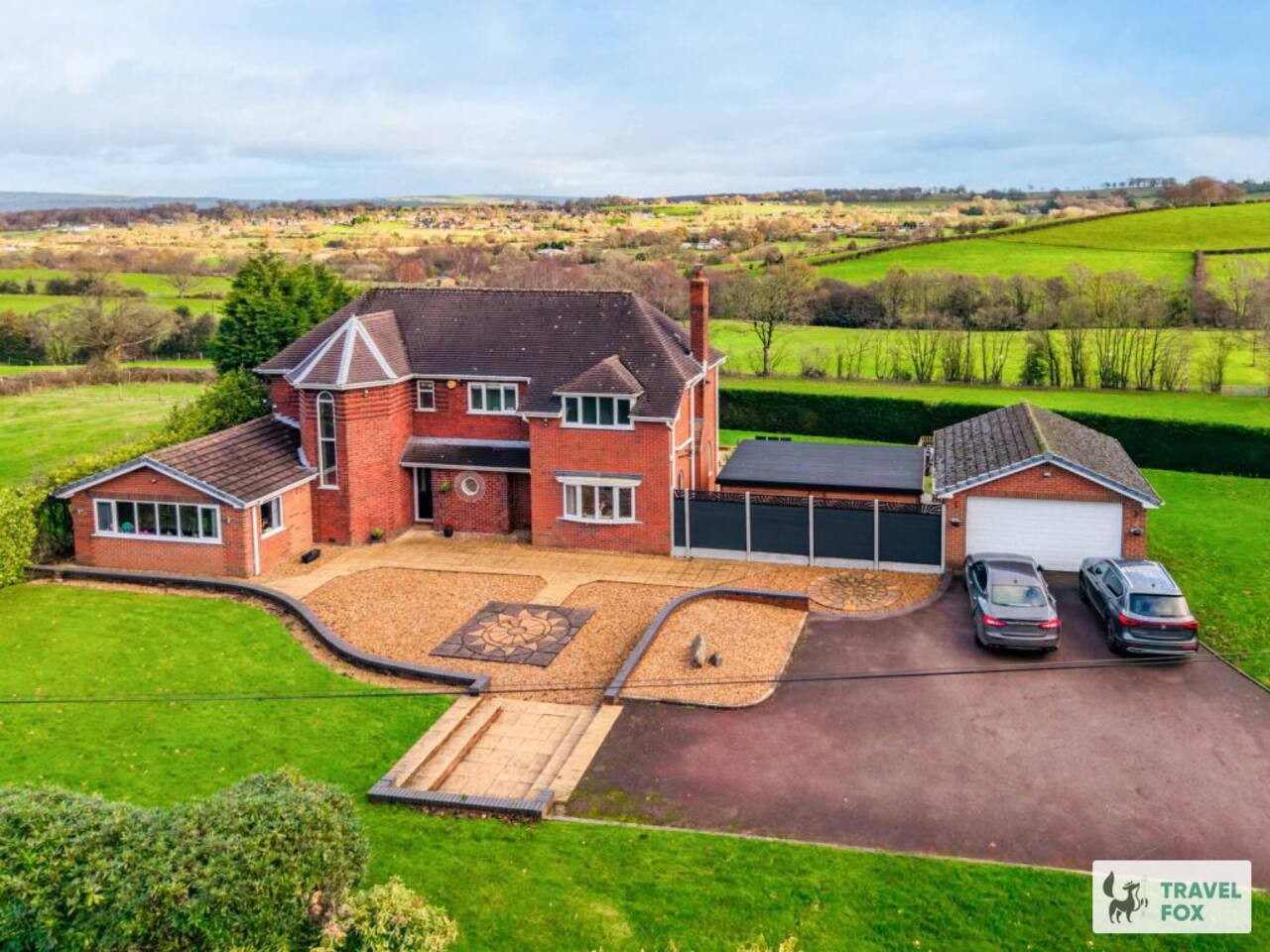
Greenways House - Parking, Pool Table and Garden!
- Sleeps 10
- 4 bedrooms
Cheddleton
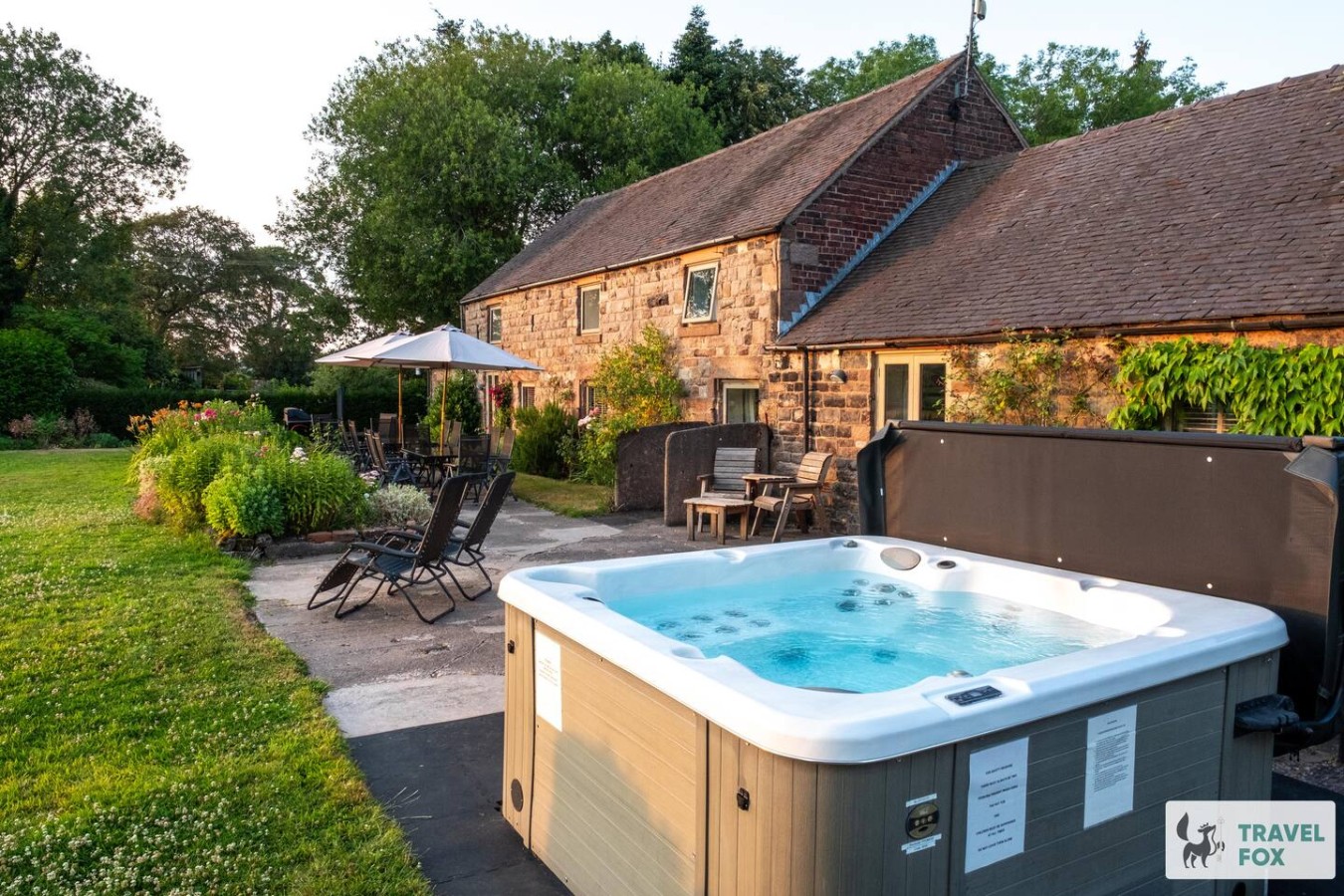
Lee House Cottage + Annexe
- Sleeps 19
- 8 bedrooms

Leek
Silkwood House | Boutique 4 Bed nr. Peak District
- Sleeps 8
- 4 bedrooms
Stoke-on-Trent
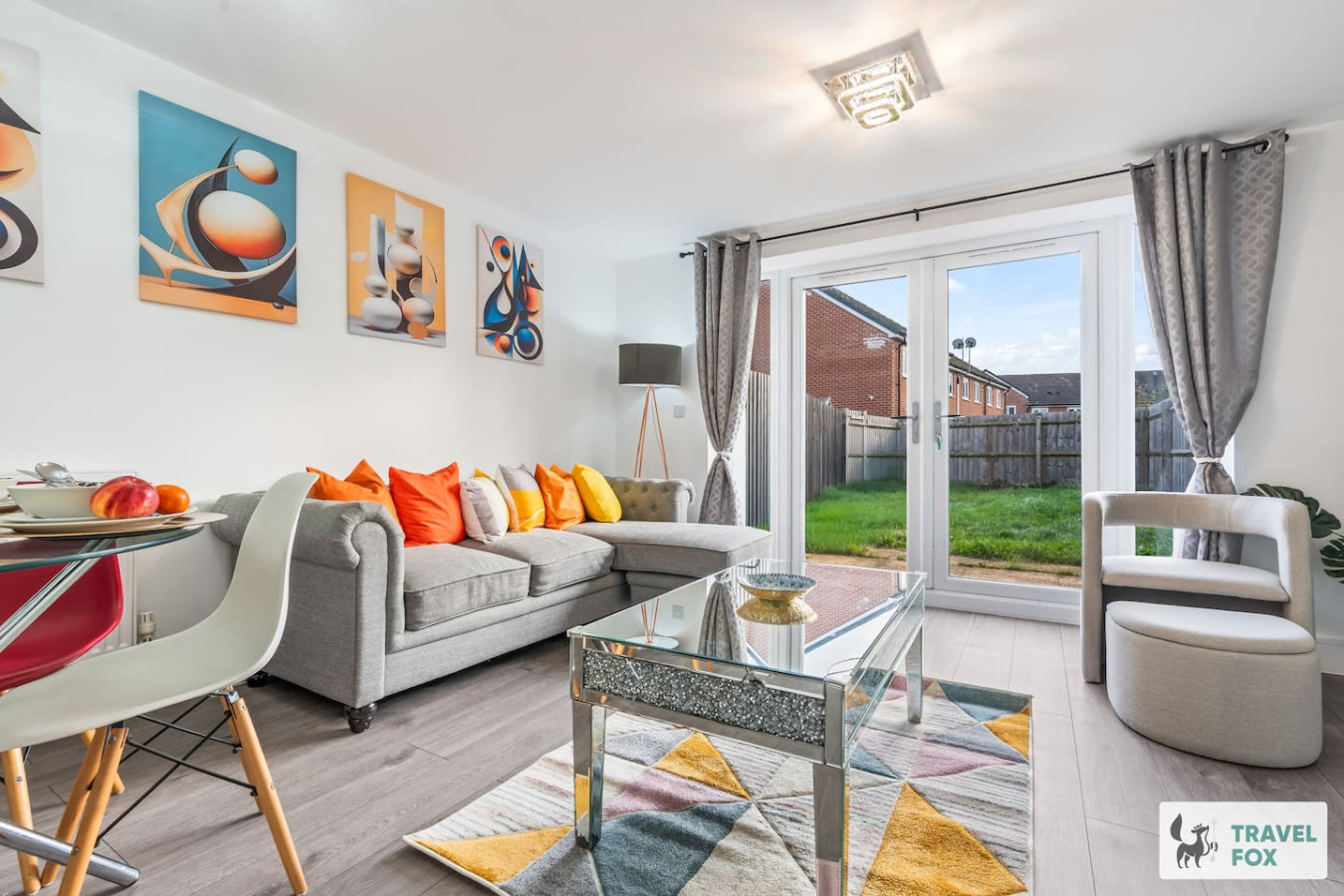
Heather's House
- Sleeps 6
- 2 bedrooms
For homeowners
Own a holiday home near Wall?
We manage holiday lets across Staffordshire from 12% commission, charged after cleaning costs, with no lock-in. A co-founder visits before you decide.
Holiday let management in Staffordshire →
A guide with a point of view
Written from research. Edited for real journeys.
Use the Official site links for live practical details, then use this guide for context, ideas and room to explore.
Photography credits & licences
Third-party photographs are credited to their named creators and reused under the linked Creative Commons licence or public-domain dedication. Travel Fox stores an optimised local copy; the file-specific changes and any browser-applied display crop are disclosed below. Reused photographs link both to the Wikimedia Commons source record and to the declared source image; Travel Fox's own photographs carry no such record and are marked as ours. These image licences do not cover Travel Fox text, branding or page design.
- File:St John the Baptist, Wall - geograph.org.uk - 2788889.jpg — photograph by Michael Westley; St John the Baptist, Wall by Michael Westley. Source record on Wikimedia Commons. Declared source image. Licence: CC BY-SA 2.0. File changes: Downloaded from Wikimedia Commons, resized to a maximum 1920px edge and encoded as an optimised JPEG. Display changes: Displayed with responsive CSS cropping.
Sources
Every place on this page is checked against a published source. Each entry links the record we used and names who publishes it.
- Letocetum Roman Site — english-heritage.org.uk national body or asset manager
- Letocetum Museum — wallromansitefriendsofletocetum.co.uk operator, sector body or destination organisation
- St John the Baptist — nationalchurchestrust.org national body or asset manager
- The Trooper — thetrooperwall.co.uk operator, sector body or destination organisation
- Wall Heritage Walk — wallromansitefriendsofletocetum.co.uk operator, sector body or destination organisation