
Ruins, reinvention and rhythm
Coventry
A city shaped by the Blitz, where precious medieval survivors sit beside post-war reinvention, motor history and the sound of 2 Tone.
- Best for
- Cathedral history, motor heritage and 2 Tone
- Give it
- A day split between the compact centre and FarGo's creative quarter
- Don't miss
- The old and new cathedrals forming one church
The Fox verdict
A city that keeps its scars in view
Coventry's defining sights place medieval survival, post-war rebuilding and restless cultural invention side by side.
Begin with the cathedral ruins and Basil Spence's red-sandstone successor, then look for the medieval fabric that survived at St Mary's Guildhall and Spon Street. The city's motor collection, circular market, makers at FarGo Village and 2 Tone story reveal how often Coventry has remade itself.
Where to go
Places in Coventry
Every place below is checked against a published source, listed with what it is and how long to give it.
Local signatures
3 placesCoventry Transport Museum
The largest collection of British road transport in the world includes Thrust2 and ThrustSSC, the first car to break the sound barrier.
- Visit length
- Editorial estimate: allow around 120 minutes
- Locality
- city centre
FarGo Village
A former factory space filled with makers, vintage, independent street food and the Twisted Barrel brewery tap.
- Visit length
- Editorial estimate: allow around 90 minutes
- Locality
- FarGo Village / Far Gosford Street
War Memorial Park
Coventry's flagship green space has gardens, a playground with sandpit, tennis, crazy golf, FootGolf, a café and year-round events.
- Visit length
- Editorial estimate: allow around 120 minutes
- Locality
- Kenilworth Road, Stivichall
Food & drink
3 placesCoventry Market
A distinctive circular indoor market mixing fruit, vegetable, fish and meat stalls with coffee, zero-waste supplies, fabrics and secondhand goods.
- Visit length
- Editorial estimate: allow around 60 minutes
- Locality
- Coventry
The Old Windmill
A wonky 15th-century inn, believed to be Coventry's oldest, with stone floors, exposed beams, cask ales, cider and Sunday-afternoon folk music.
- Visit length
- Editorial estimate: allow around 75 minutes
- Locality
- Spon Street
Turmeric Gold
An intimate Indian restaurant serving since 2001, noted for 2 Way Jalpiazi Chicken Masala, Coconut Chilli Chicken and tandoori chicken.
- Visit length
- Editorial estimate: allow around 90 minutes
- Locality
- 166 Spon Street
History & heritage
4 placesCoventry Cathedral
The bombed medieval ruins, kept as a garden of remembrance, stand beside Basil Spence's red-sandstone cathedral as one church and a symbol of reconciliation.
- Visit length
- Editorial estimate: allow around 90 minutes
- Locality
- City Centre / Cathedral Quarter
St Mary's Guildhall
A medieval guildhall that survived the Blitz, with the Coventry Tapestry still in its original position and a café in the undercroft.
- Visit length
- Editorial estimate: allow around 60 minutes
- Locality
- Bayley Lane
2-Tone Village
A music complex with the Coventry Music Museum, café, restaurant, bar, live music and memorabilia tracing the city's 2 Tone story.
- Visit length
- Editorial estimate: allow around 90 minutes
- Locality
- Ball Hill
Spon Street
An important collection of medieval timber-framed buildings, combining structures native to the street with others relocated under a preservation scheme begun in 1967.
- Visit length
- Editorial estimate: allow around 45 minutes
- Locality
- Spon Street
No places match this filter. Choose All places to reset the list.
Three ways to explore Coventry
Signature outings
Ruins beside renewal
Stand in the medieval cathedral ruins kept as a garden of remembrance, then enter Basil Spence's red-sandstone successor beside them.
A pub with no straight lines
Find stone floors, wonky walls, cask ale and the memory of formidable landlady Ann 'Ma' Brown inside the Old Windmill.
Trace the 2 Tone story
Explore the museum, memorabilia and live-music spaces of 2-Tone Village in Ball Hill, where the city's ska-and-punk legacy has a home.
The city story
Coventry City Guide
Medieval survivors, a cathedral rebuilt beside its ruins, makers, motors and music in a city that repeatedly remade itself.
Ma Brown's and Medieval Spon Street
The Old Windmill on Spon Street has walls that don't meet at right angles, floors of stone, and is reputedly built around the trunk of a tree. It's a 15th-century inn, thought to be the city's oldest, with up to seven cask ales, cider, and a cheeseboard much recommended. Locals call it Ma Brown's, after Ann Brown, who held the licence from 1940 to 1967 and would not allow gambling on the premises. Folk musicians play on Sunday afternoons.
Spon Street is the reason to come this side of the ring road: a run of medieval timber-framed buildings, some native to it and about ten relocated here under a 1967 preservation scheme that earned it the description "the newest ancient place in England." Weavers and dyers settled here from the 12th century. The dyers worked outside the centre because of the smell.
Spice and Cathedral Stone
Turmeric Gold, at number 166, has served Indian food since 2001: the 2 Way Jalpiazi chicken masala, coconut chilli chicken, tandoori.
Everything in Coventry bends around one night. On 14 November 1940 the Luftwaffe gutted the medieval cathedral of St Michael's, leaving only the tower, spire and outer walls; the ruins were kept as a garden of remembrance, with "Father Forgive" carved into the sanctuary wall. When Basil Spence was chosen from over 200 architects in 1951, he was the only entrant who insisted the ruins be kept and a new cathedral built beside them in matching red sandstone, the two forming one church.
Guildhall Threads and FarGo Makers
St Mary's Guildhall survived the Blitz; its undercroft holds a café called Tales of Tea, below the Coventry Tapestry, made around 1495 and still in the spot it was made for. In Broadgate, Godiva rides in bronze, and a nearby clock sends an animated Godiva out on the hour, watched by a Peeping Tom.
FarGo Village, on Far Gosford Street, fills a former factory with makers, vintage stalls and street food. Twisted Barrel Ale brews on site — largely vegan, kegs stacked between the tables — and runs tours on the last Saturday of the month. In the same place is Gourmet Food Kitchen, a chef's table for twelve run by Tony Davies, where dinner might be celeriac velouté with Lincolnshire Poacher rarebit, duck with cherry sauce, then cheesecake.
Motors and 2 Tone
The indoor market is circular and has stood on the same site since 1958, mixing fruit and fish stalls with zero-waste refills. The Transport Museum is free and holds the largest collection of British road transport anywhere, including ThrustSSC, the first car to break the sound barrier.
Coventry gave the world 2 Tone, the ska-and-punk sound of The Specials, whose "Ghost Town" spent three weeks at number one in 1981, a lament for a city losing its factories. You can trace it at the 2-Tone Village in Ball Hill.
Earlsdon and a Lost Pastry
The station sits just outside the ring road, with trains to London Euston in a little over an hour. Earlsdon, about a mile and a half from the centre, is the leafy former watchmaking suburb where Frank Whittle was born; it has delis, independent bars and the craft beer at Nextdoor.
Coventry Godcakes — triangular pastry turnovers slit three times for the Trinity — were once hawked in the streets on New Year's Day and given by godparents to godchildren with a blessing. Almost nobody makes them now.
Stay around West Midlands
Make a longer stay of it
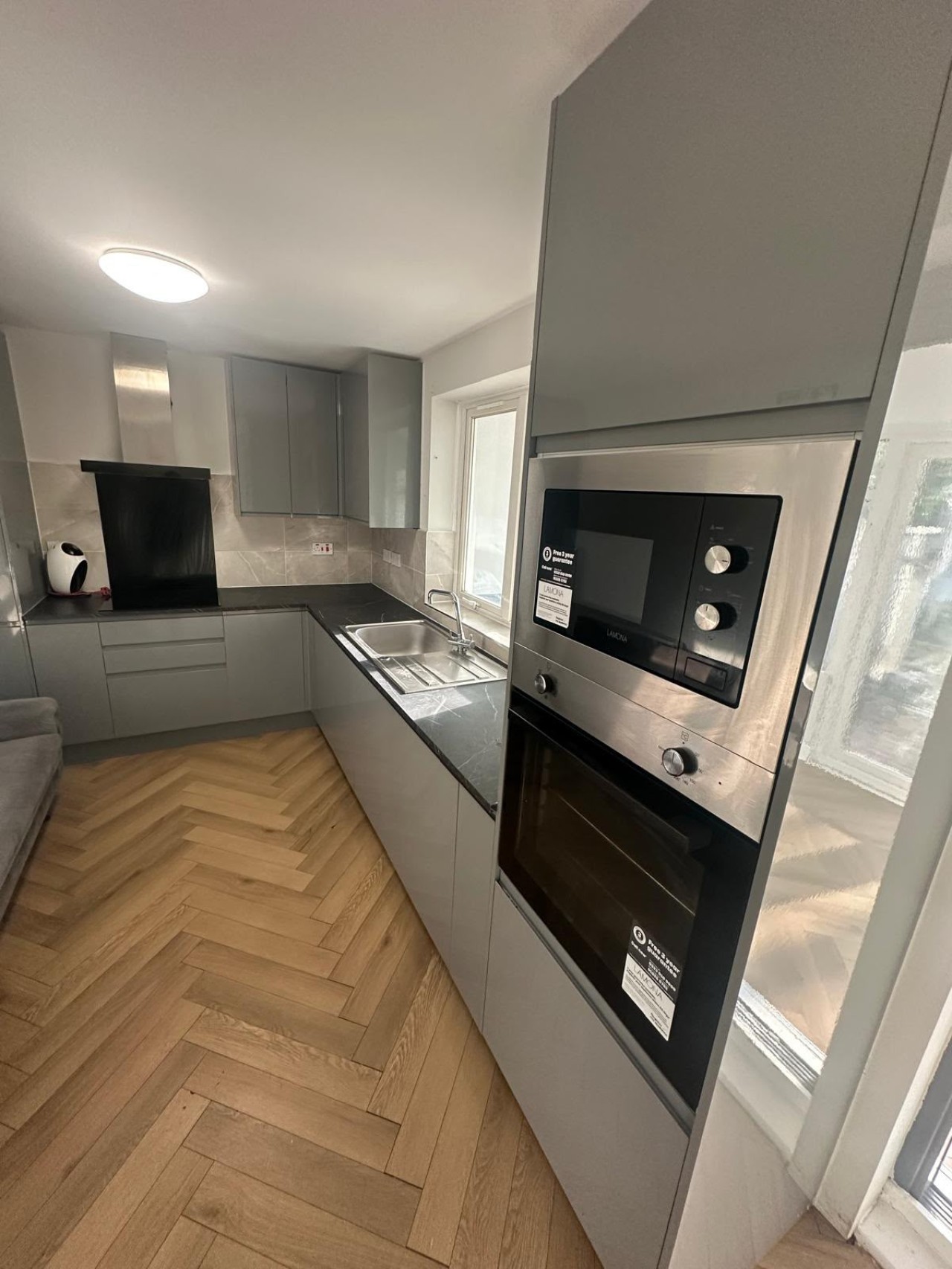
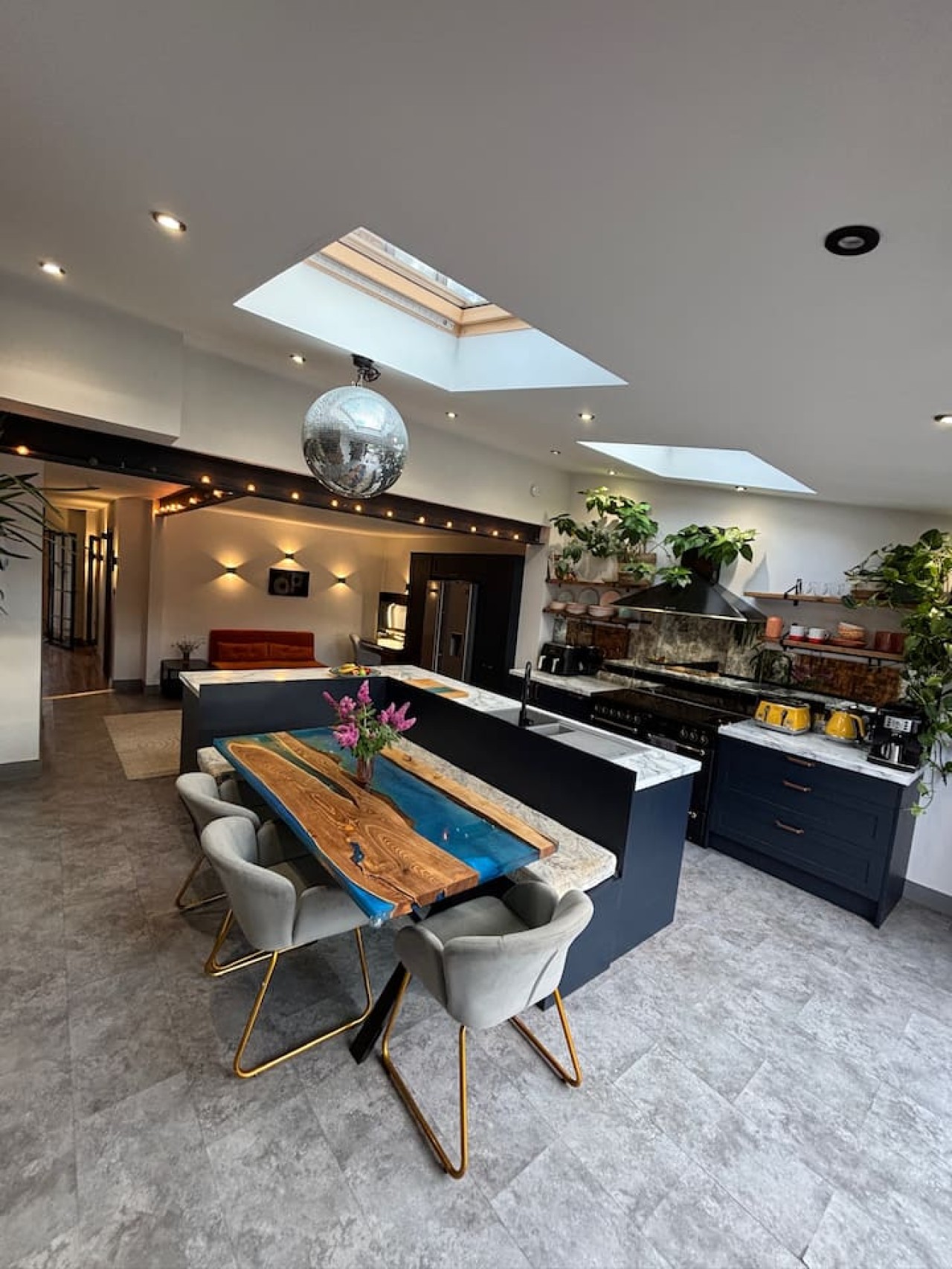
Travel Fox holiday homes around West Midlands, linked directly to their property pages.

For homeowners
Own a holiday home near Coventry?
We manage holiday lets across the UK from 12% commission, charged after cleaning costs, with no lock-in. A co-founder visits before you decide.
How our holiday let management works →
A guide with a point of view
Written from research. Edited for real journeys.
Use the Official site links for live practical details, then use this guide for context, ideas and room to explore.
Sources
Every place on this page is checked against a published source. Each entry links the record we used and names who publishes it.
- Coventry Cathedral — coventrycathedral.org.uk operator, sector body or destination organisation
- St Mary's Guildhall — stmarysguildhall.co.uk operator, sector body or destination organisation
- Coventry Transport Museum — transport-museum.com operator, sector body or destination organisation
- FarGo Village — visitcoventry.co.uk operator, sector body or destination organisation
- Coventry Market — coventry.gov.uk statutory register or public authority
- 2-Tone Village — 2tonevillage.com operator, sector body or destination organisation
- The Old Windmill — historicengland.org.uk statutory register or public authority record not machine-readable; publisher restricts automated access
- Turmeric Gold — turmericgold.co.uk operator, sector body or destination organisation
- War Memorial Park — coventry.gov.uk statutory register or public authority
- Spon Street — coventry.gov.uk statutory register or public authority