
Pop Art, old gold and Black Country character
Wolverhampton
A walkable city-centre mix of major Pop Art, Victorian civic buildings, real-ale pubs, market trade and Wolves history, with Wightwick Manor about three miles west.
- Best for
- Pop Art, real ale and Wolves history
- Start in
- The walkable city centre
- Don't miss
- The free Pop Art collection
The Fox verdict
A city break with its own old-gold rhythm
Wolverhampton brings free Pop Art, Victorian civic character, serious real ale and football history into a compact city-centre stay.
Begin on Lichfield Street for Wolverhampton Art Gallery and the Grand Theatre, then add the market, Molineux and the railway pub character of the Great Western. West Park and Bantock House provide green space and restored rooms, while Wightwick Manor carries the Arts and Crafts story about three miles west.
Where to go
Places in Wolverhampton
Every place below is checked against a published source, listed with what it is and how long to give it.
Local signatures
3 placesWolverhampton Art Gallery
A free gallery opened in 1884, with the largest collection of Pop Art outside London as well as strong Georgian and Victorian holdings.
- Visit length
- Editorial estimate: around 75 minutes
- Locality
- Lichfield Street
Wolverhampton Market
A Black Country institution whose trading roots reach back to 1179, with produce, textiles and street food in its modern outdoor and indoor market.
- Visit length
- Editorial estimate: around 45 minutes
- Locality
- City centre
The Great Western
A Grade II listed, multi-room railway pub, CAMRA National Pub of the Year in 1991, with Holden's cask ales and Wolves and railway memorabilia.
- Visit length
- Editorial estimate: around 60 minutes
- Locality
- Near the station, behind the old Low Level Station
Walks & outdoors
1 placeWest Park
A 43-acre Victorian park opened in 1881 on a former racecourse, with a boating lake, conservatory, bandstand and children's play area.
- Visit length
- Editorial estimate: around 60 minutes
- Locality
- West Park / Chapel Ash
History & heritage
3 placesBantock House and Park
A free Edwardian house museum with restored interiors and collections of local history and japanned ware, set in 43 acres of parkland and formal gardens.
- Visit length
- Editorial estimate: around 90 minutes
- Locality
- Wolverhampton
Wightwick Manor and Gardens
A Victorian Arts and Crafts house filled with Morris & Co. wallpapers and textiles, De Morgan tiles, Kempe stained glass and a major Pre-Raphaelite collection.
- Visit length
- Editorial estimate: around 150 minutes
- Locality
- Wightwick Bank, about 3 miles west of Wolverhampton city centre
The Grand Theatre
A working touring theatre opened in 1894, with an ornate facade and plush red auditorium.
- Visit length
- Editorial estimate: around 150 minutes
- Locality
- Lichfield Street
Things to do
1 placeMolineux Stadium
Home of Wolves since 1889, with stadium tours for football-mad families and a floodlit history that helped inspire the European Cup.
- Visit length
- Editorial estimate: around 90 minutes
- Locality
- A short walk north-west of the city centre
No places match this filter. Choose All places to reset the list.
Three ways to explore Wolverhampton
Signature outings
Pop Art beyond London
See Warhol, Lichtenstein, Pauline Boty and Nicholas Monro in the largest Pop Art collection outside London, with free entry.
Morris and the Pre-Raphaelites
Explore Wightwick's Morris & Co. interiors, De Morgan tiles, Kempe glass and major Pre-Raphaelite collection.
A Victorian park interlude
Spend time by West Park's boating lake and bandstand in 43 acres laid out on a former racecourse.
The city story
Wolverhampton City Guide
Pop Art, curry, tiled pubs, Victorian parks, old gold and the warm pull of home.
Pop Art and the civic mile
The Wolverhampton Art Gallery on Lichfield Street holds the largest collection of Pop Art outside London. Warhol's Campbell's Soup, a Roy Lichtenstein, Pauline Boty's Colour Her Gone, Nicholas Monro's King Kong. Entry is free, which for a collection like this feels like an oversight in your favour.
The gallery sits on the golden mile of Victorian civic buildings, a short walk from Queen Square, which was called High Green until Queen Victoria came to unveil the equestrian statue of Prince Albert in 1866 and the name was quietly upgraded. Locals still call the statue the Man on the Horse. The rebuilt railway station is a few minutes east, and the Metro tram now runs into the centre, so the city centre is the obvious base if you want to walk everywhere.
Tables, tiles and real ale
Eating here is better than the city gets credit for. Bilash on Cheapside has been doing Bangladeshi fine dining since 1980 and has been in the Michelin Guide for years running; the Goan King Prawn Masala uses prawns imported from Bangladesh, and head chef Sitab travels to South Asia yearly to bring recipes back. There is a long-standing Thai place, Made In Thai, with hand-painted friezes on the walls.
For pubs, this is a serious real-ale city. The Posada on Lichfield Street is an ornate Victorian survivor with a faience frontage, snob screens and a tiled interior; it stands on the site of an earlier tavern called the Noah's Ark. The Great Western, tucked behind the old Low Level Station, was CAMRA National Pub of the Year in 1991 and pours Holden's ales among the Wolves and railway memorabilia. Hail to the Ale in Claregate opened in 2013 and is generally credited with starting the West Midlands micropub trend. The Lych Gate Tavern has a Georgian front from 1724 and a rear that goes back to the 1500s.
Markets, parks and urban village greens
Wolverhampton Market has been trading in some form since 1179. West Park is 43 Victorian acres with a boating lake and a bandstand, laid out on a former racecourse. Bantock House sits in another 43 acres, a free museum with restored Edwardian rooms. Tettenhall, a couple of miles west, is a genuine urban village with a green, old bakeries and butchers, and wooded high ground above it.
Old gold and Arts and Crafts
Then there is Molineux, home of Wolves since 1889 and said to be the first ground used only for football. It was among the first British grounds with floodlights, in 1953, and the club switched from old gold to a brighter gold the next year so it showed up better under them. About three miles west, Wightwick Manor is an Arts and Crafts house stuffed with William Morris wallpapers and Pre-Raphaelite paintings, its interiors inspired by notes Theodore Mander took at an Oscar Wilde lecture given in the town in 1884.
Coming home
Beverley Knight grew up here and put it plainly: "I just love coming home."
Stay around West Midlands
Make a longer stay of it
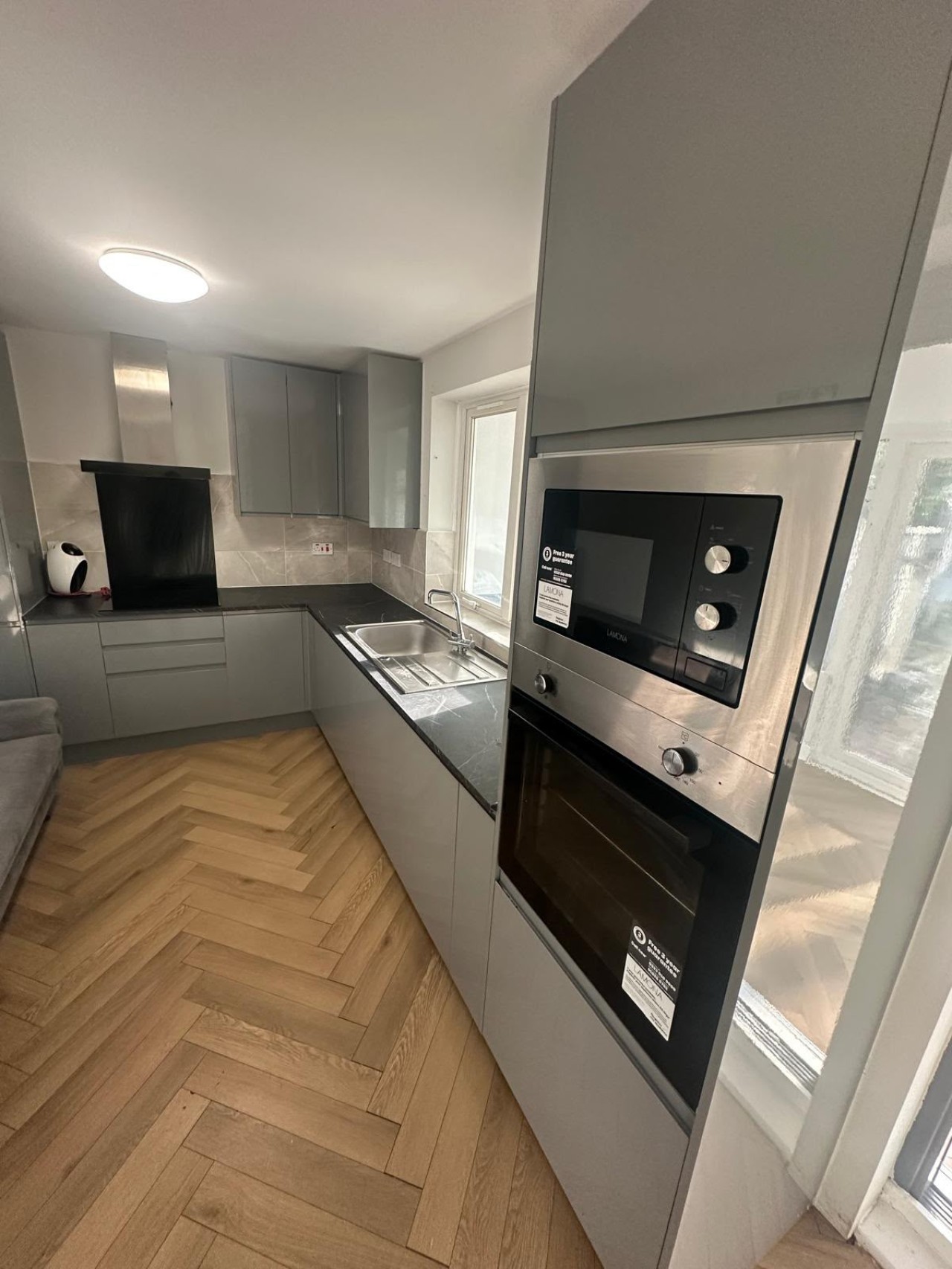
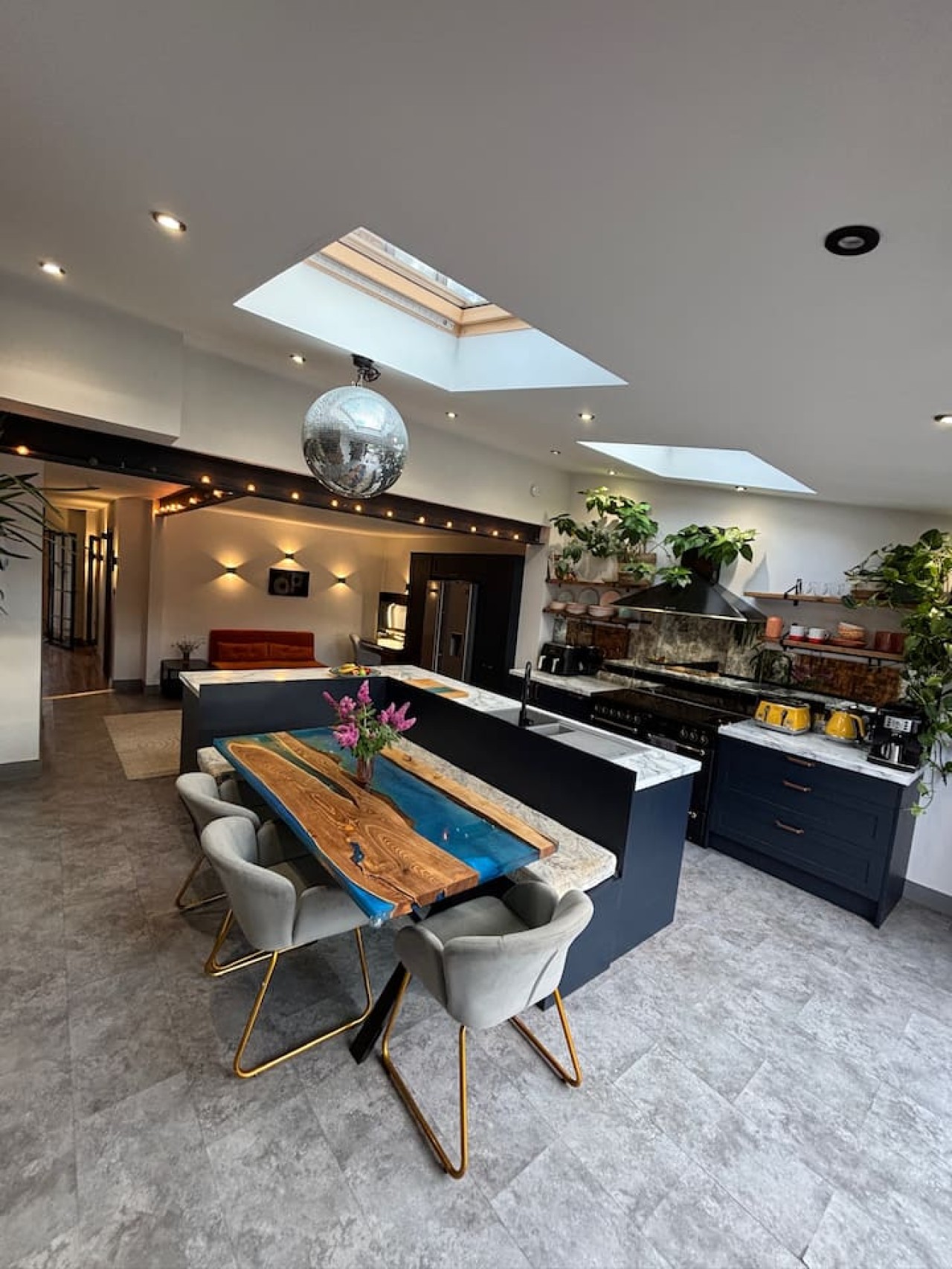
Travel Fox holiday homes around West Midlands, linked directly to their property pages.

For homeowners
Own a holiday home near Wolverhampton?
We manage holiday lets across the UK from 12% commission, charged after cleaning costs, with no lock-in. A co-founder visits before you decide.
How our holiday let management works →
A guide with a point of view
Written from research. Edited for real journeys.
Use the Official site links for live practical details, then use this guide for context, ideas and room to explore.
Sources
Every place on this page is checked against a published source. Each entry links the record we used and names who publishes it.
- Wolverhampton Art Gallery — wolverhamptonart.org.uk operator, sector body or destination organisation
- West Park — wolverhampton.gov.uk statutory register or public authority
- Bantock House and Park — wolverhamptonart.org.uk other published source
- Molineux Stadium — wolves.co.uk other published source
- Wightwick Manor and Gardens — nationaltrust.org.uk national body or asset manager
- Wolverhampton Market — wolverhampton.gov.uk statutory register or public authority
- The Great Western — historicengland.org.uk statutory register or public authority record not machine-readable; publisher restricts automated access
- The Grand Theatre — grandtheatre.co.uk operator, sector body or destination organisation