
Between two lochs
Kilmore
A scattered Glen Feochan village where smoked fish, prehistoric cairns and a deliberately romantic church ruin sit between Loch Nell and Loch Feochan.
- Best for
- Prehistoric cairns, loch scenery and a romantic church ruin
- Give it
- A slow half day across Glen Feochan
- Don't miss
- The 300-foot Loch Nell Serpent Mound
The Fox verdict
A glen of smoke, stone and water
Kilmore is a scattered rural stop for Loch Nell, Glen Feochan's prehistoric cairns, the old church by Loch Feochan and locally smoked fish.
The glen runs for about three kilometres between freshwater Loch Nell and the sea loch Loch Feochan. Along it are at least ten prehistoric cairns, the much-debated Serpent Mound, a family-run smokehouse and a roofless church whose Victorian alterations were intended to make it look more romantic.
Where to go
Places in Kilmore
Every place below is checked against a published source, listed with what it is and how long to give it.
Local signatures
3 placesOld Kilmore Church
A roofless former parish church with a large late-medieval tomb recess, five medieval graveslabs and James Campbell's wall monument; its roof and part of the east gable were dismantled in 1876 to make the ruin look more romantic.
- Visit length
- Editorial estimate: allow around 45 minutes
- Locality
- on the shore of Loch Feochan
Loch Nell Serpent Mound
An S-shaped earthwork some 300 feet long, running from a chambered cairn towards Loch Nell; excavation found Neolithic pottery, flint, cremated bone and charred hazelnuts.
- Visit length
- Editorial estimate: allow around 45 minutes
- Locality
- beside Loch Nell
Dalineun Chambered Cairn
A chambered cairn known as the Tomb of the Giants, near Loch Nell and reachable on foot within the same valley cluster as the Serpent Mound.
- Visit length
- Editorial estimate: allow around 30 minutes
- Locality
- near Loch Nell
Walks & outdoors
1 placeLoch Nell
A small freshwater loch in Glen Feochan that can be explored by rowing boat, with wildlife watching in the glen.
- Visit length
- Editorial estimate: allow around 90 minutes
- Locality
- north-east of Glen Feochan
History & heritage
1 placeCampbell of Lerags Cross
A 1516 cross raised by Archibald Campbell of Lerags, carved from greenish schist with a crucifixion, Latin inscription, heraldic shield, foliage and a unicorn.
- Visit length
- Editorial estimate: allow around 30 minutes
- Locality
- associated with old Kilbride church in the same parish
No places match this filter. Choose All places to reset the list.
Three ways to explore Kilmore
Signature outings
A cross rich in symbols
Study the 1516 Campbell of Lerags Cross, carved with a crucifixion, Latin inscription, heraldic shield, foliage and a unicorn.
A church made romantic
See the roofless old church whose roof and part of the east gable were deliberately removed in 1876 to make it look more romantic.
Row on Loch Nell
Explore freshwater Loch Nell by rowing boat and watch for wildlife in wooded, hill-flanked Glen Feochan.
The village story
Kilmore Village Guide
Smoked fish, prehistoric earthworks and a deliberately romantic church ruin in the wooded glen between Loch Nell and Loch Feochan.
Smokehouse and scattered village
At Kilmore House in Cleigh, the family-run Feochan Mhor Smokehouse cures fish the way it has long been done in Scotland. The Feochan Mhor Smokehouse smokes pâté, shellfish and fish drawn from Oban's waters and its own trout farm, and Willie, who has been in the fish trade for years, still goes down to the harbour himself to buy from fishermen he knows. It is one of only two smokehouses around Oban, the other being Inverawe over at Taynuilt.
That is more or less the commerce of Kilmore. There is no pub. The village is scattered rather than gathered, strung along Glen Feochan with a village hall, the smokehouse, and not much else that sells you anything. For a drink or a proper meal you go into Oban, four miles up the road, or out to one of the country inns towards Loch Awe.
Between two lochs
The glen is the reason to be here. It runs for about three kilometres between two lochs — freshwater Loch Nell to the north-east, the sea loch Loch Feochan to the south-west — through wooded, hill-flanked country with otters, pine marten and red squirrel in it. You can take a rowing boat out on Loch Nell. The valley floor between the lochs holds at least ten prehistoric cairns, which is a lot of cairns for three kilometres.
The strangest of them is the Loch Nell Serpent Mound: an S-shaped earthwork some 300 feet long, running from a chambered cairn down toward the water. In the 1870s an antiquarian named John Phené excavated it and declared it "clearly a relic of serpent worship." A visitor in 1883 saw its spine as "large stones, set like the vertebrae of some huge animal." A sceptical historian in 1879 found "not even a faint reason" for any of it. A 1970 dig settled less than you'd hope: Neolithic pottery, flint, cremated bone, and some charred hazelnuts.
A ruin made romantic
A short walk off the glen road brings you to the old Kilmore church, roofless on the shore of Loch Feochan, ivy-clad and spread with lichen among medieval graveslabs whose inscriptions have worn away. It looks the way it does partly on purpose. In 1876 the roof and part of the east gable were dismantled deliberately, to make the ruin look more romantic, in keeping with the Victorian taste for that sort of thing.
Lives remembered at Kilmore
Inside is a large late-medieval tomb recess, and in the west wall a monument to James Campbell, the minister who died in 1756. Colin Campbell of Glenfeochan, killed at the Battle of Inverlochy in 1645, lies somewhere in the churchyard in an unmarked grave. The last person buried here was William Henry White, a Canadian soldier who died in February 1919, aged nineteen.
The road back to Oban
Oban station, four miles off, is the end of the West Highland Line from Glasgow. The 418 bus runs through on its way to the isles, stopping at the village hall — about nine minutes into town, if the smokehouse hasn't sold out.
Stay around Argyll
Make a longer stay of it
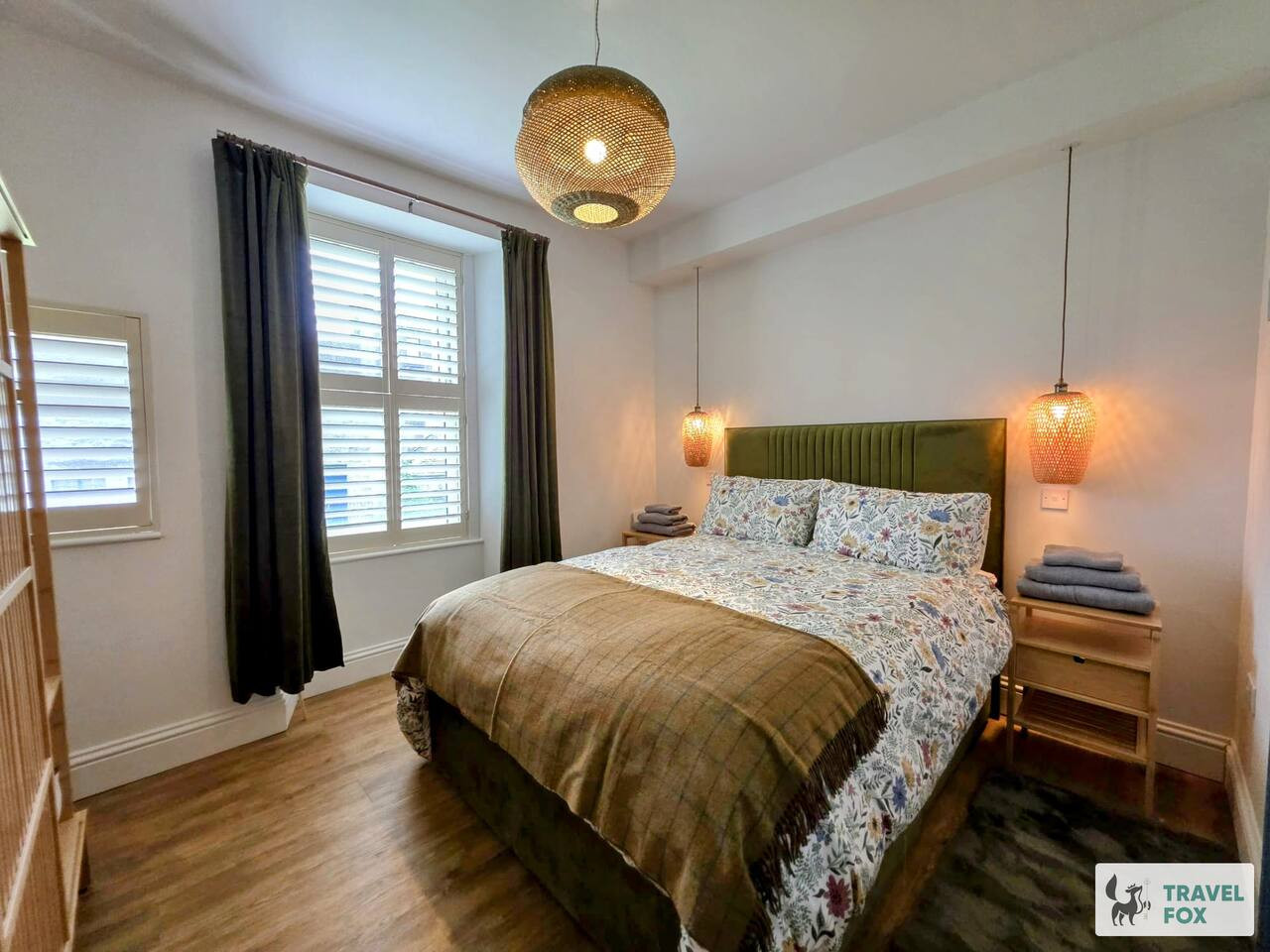
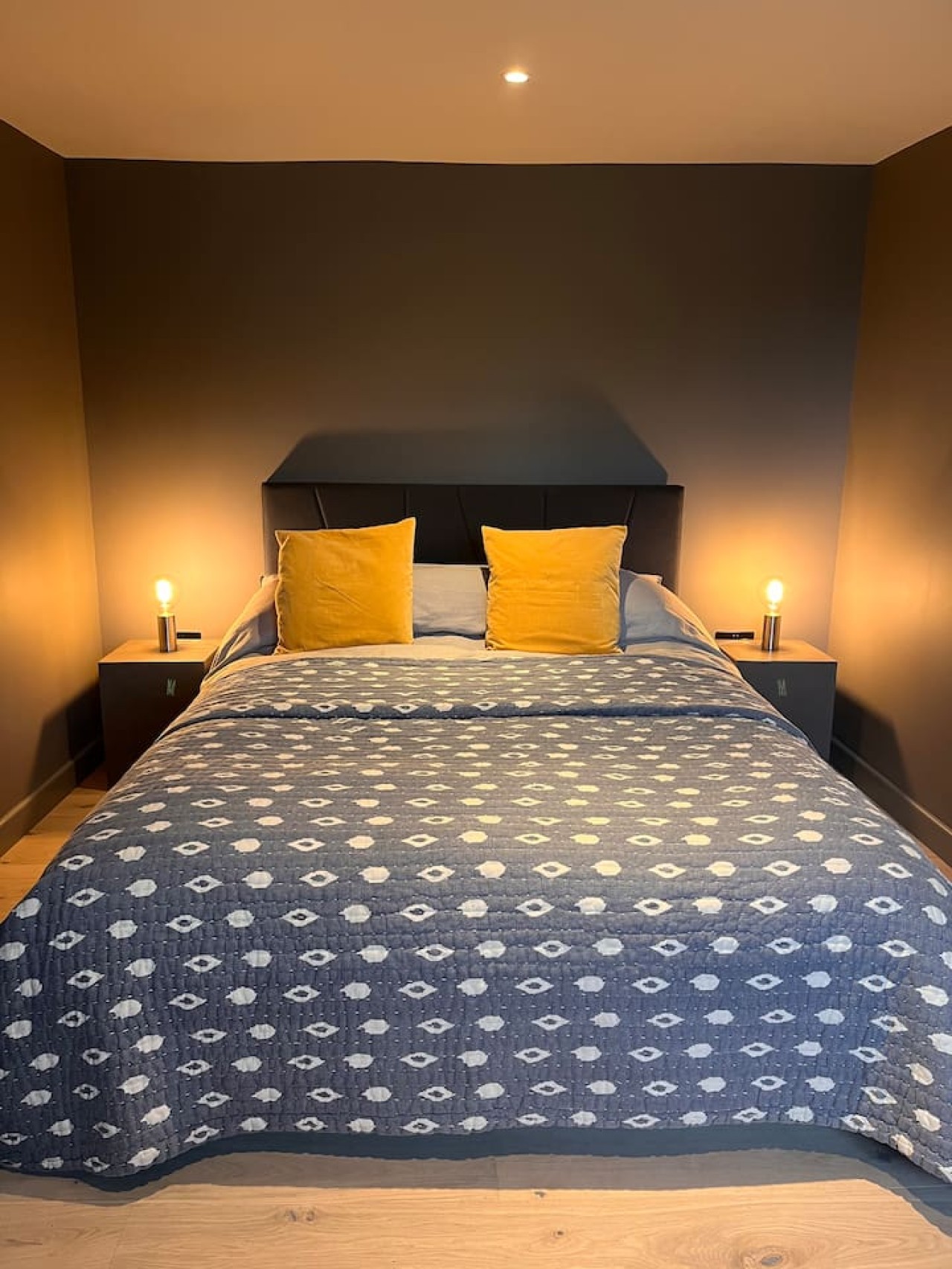
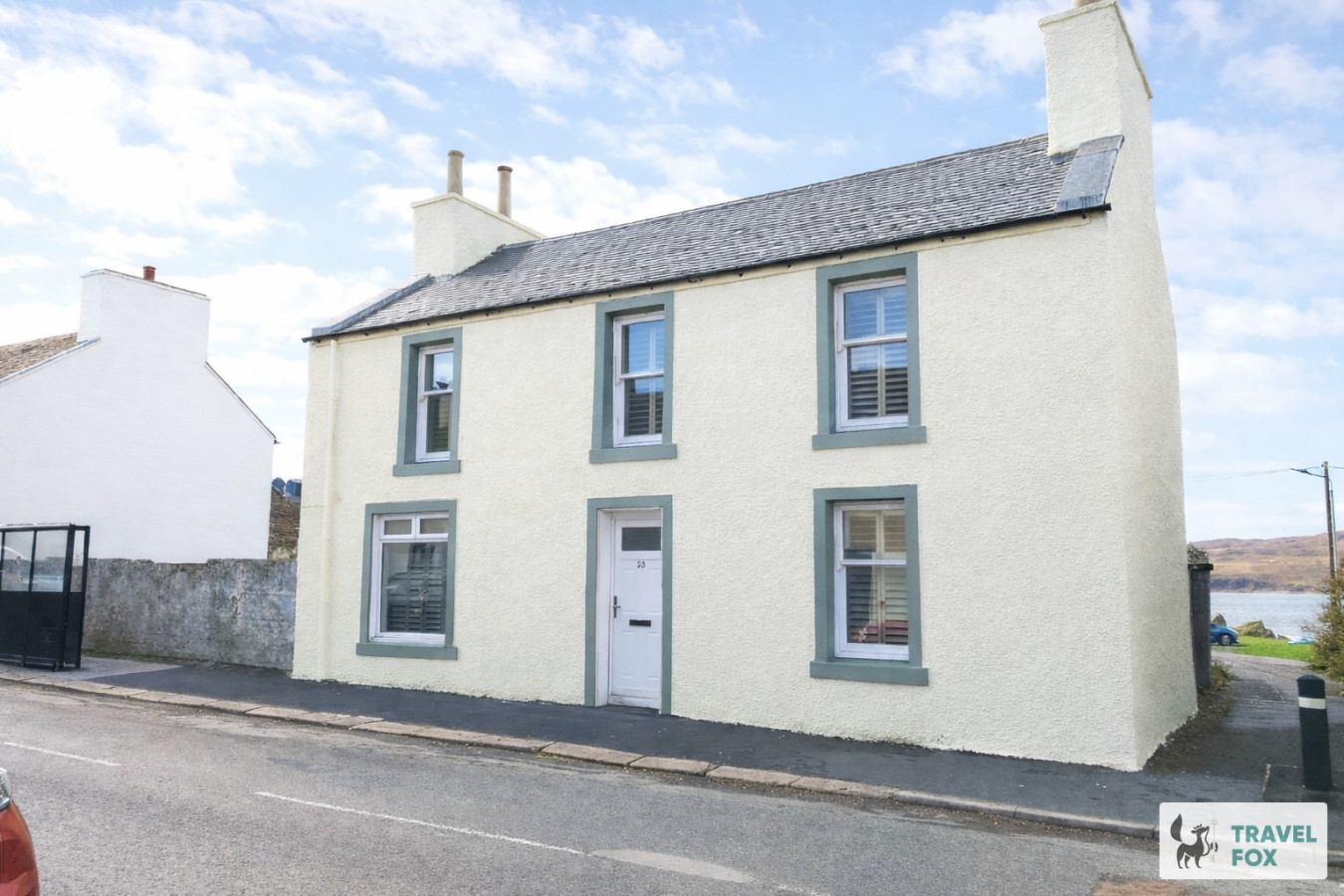
Travel Fox holiday homes around Argyll, linked directly to their property pages.
A guide with a point of view
Written from research. Edited for real journeys.
Use the Official site links for live practical details, then use this guide for context, ideas and room to explore.
Sources
Every place on this page is checked against a published source. Each entry links the record we used and names who publishes it.
- Old Kilmore Church — portal.historicenvironment.scot statutory register or public authority
- Loch Nell Serpent Mound — portal.historicenvironment.scot statutory register or public authority
- Dalineun Chambered Cairn — portal.historicenvironment.scot statutory register or public authority
- Loch Nell — community-council.org.uk other published source
- Campbell of Lerags Cross — portal.historicenvironment.scot statutory register or public authority