
Kilninver, Argyll and Bute
Kilninver
A small hamlet at the mouth of the River Euchar, where the road turns towards Clachan Bridge, Seil and the Slate Islands.
- From Oban
- About 8½ miles south-southwest
- Parish church
- Built in 1793, with an earlier 1791 date also cited
- Bus
- West Coast Motors 418 via Kilninver
The Fox verdict
Come for the church, the walking country and the turn towards Seil
Kilninver is a small hamlet rather than a service centre, but its church and its position by Loch Feochan make it a useful starting point for nearby heritage, food and gardens.
The strongest short visit pairs Kilninver Parish Church with Clachan Bridge and Tigh an Truish Inn; a longer garden-led plan can add Ardmaddy or An Cala without pretending that the hamlet itself has more visitor infrastructure than the brief supports.
Where to go
Places in Kilninver
Every place below is checked against a published source, listed with what it is and how long to give it.
Local signatures
3 placesKilninver Parish Church
A simple oblong country church with a birdcage belfry, built in 1793 and radically reconstructed in 1892; Christian worship is recorded on the site from the 1200s.
- Visit length
- Editorial estimate: Allow 30 minutes
- Locality
- Kilninver
- Access
- Open to visitors with a guide book and induction loop.
Tigh an Truish Inn
A historic country inn and restaurant beside Clachan Bridge, known locally as The Hoose of Troosers and associated with the post-1745 tradition of islanders changing from kilts into trousers.
- Visit length
- Editorial estimate: Allow 1 hour 15 minutes
- Locality
- Clachan Seil
Clachan Bridge
The Bridge over the Atlantic is a single high hump-backed arch, designed by John Stevenson of Oban and built in 1792–93 by Robert Mylne to let vessels pass at high tide.
- Visit length
- Editorial estimate: Allow 20 minutes
- Locality
- Clachan Bridge and the Isle of Seil
Walks & outdoors
2 placesArdmaddy Castle and Gardens
Gardens with an 18th-century walled garden, water garden, wooded grounds and a noted rhododendron collection.
- Visit length
- Editorial estimate: Allow 1 hour 15 minutes
- Locality
- About 4.5 miles southwest
- Access
- The gardens are open all year; the castle is not open to the public.
An Cala Garden
A garden established in 1930 by Colonel Arthur Murray, with natural rockeries, streams and quirky garden buildings.
- Visit length
- Editorial estimate: Allow 1 hour
- Locality
- Ellenabeich, Isle of Seil
History & heritage
1 placeEasdale Island
A former slate-quarrying island reached from Seil, part of the Slate Islands once nicknamed the islands that roofed the world.
- Visit length
- Editorial estimate: Allow 1 hour
- Locality
- Easdale Island
- Access
- Continue through Seil to reach Easdale Island.
No places match this filter. Choose All places to reset the list.
Three ways to explore Kilninver
Signature outings
The birdcage belfry
Kilninver Parish Church gives the hamlet its clearest architectural landmark and carries a record of worship on the site back to the 1200s.
Slate quarries and island history
Easdale is a former slate-quarrying island reached from Seil, part of the Slate Islands once nicknamed the islands that roofed the world.
Rockeries and running water
An Cala brings together a 1930 origin, natural rockeries, streams and quirky garden buildings at Ellenabeich on the Isle of Seil.
The village story
Kilninver: church, water and the road to the Slate Islands
The locked article moves from the parish church and hamlet services to Clachan Bridge, Seil, walking, gardens, depopulation and present-day connections.
The church at the river's mouth
Kilninver Parish Church sits on the right bank of the Euchar Water with a birdcage belfry on top and 450 seats inside, which is a lot of seats for a hamlet this size. John Clark, a mason from Oban, built it in 1793, or possibly 1791, depending which record you trust. It was reconstructed in 1892, a porch and vestry bolted on and the windows altered, and repaired again between 2005 and 2008. There has been Christian worship on the site since the 1200s. Services run fortnightly at noon, alternating with the church at Kilmelford down the road. Visitors are welcome, and there's a guide book and an induction loop.
That is more or less the centre of Kilninver. The hamlet stands just above the point where the Euchar empties into the salt water of Loch Feochan, about eight and a half miles south-southwest of Oban, on the A816. It is small. The post office and shop both closed, and the nearest of each is now at Kilmelford, seven miles south.
Across the Bridge over the Atlantic
There is no pub in Kilninver either. For that you take the B844, which turns off near the village and runs down to the Clachan Bridge — the "Bridge over the Atlantic," a single high hump-backed arch of about 72 feet, built in 1792–93 to let boats pass underneath at high tide.
Over the bridge, on the Isle of Seil, is the Tigh an Truish Inn. The name means "House of the Trousers." After the 1745 rising, when the kilt was outlawed, Seil islanders stopped here to change out of their kilts into trousers before crossing to the mainland, which is why it is known locally as "The Hoose of Troosers." It has two AA Rosettes for its food, five AA Gold Stars for the inn, and has been serving islanders for over 250 years. The rooms are named Kerrera, Luing and Insh.
Walking, water and the Slate Islands
The walking is the reason to be here. About three kilometres of the River Euchar run through the Kilninver Estate, with woodland and hill above it, and the wildlife includes ospreys, white-tailed sea eagles and seabirds. The same beat is fished for salmon and sea trout, booked by the day or the week, along with Lochs Charn, Seil and Feochan. A longer circular loop takes in Ardmaddy and Loch Melfort through the parish. The shoreline roads along Loch Feochan and Loch Melfort are single-track, with open sea and island views.
The junction is really the point of the place. This is where the road divides for the Slate Islands — Seil, Easdale and Luing, once nicknamed "the islands that roofed the world." Ardmaddy Castle and Gardens lie about four and a half miles southwest, with an 18th-century walled garden and a rhododendron collection, open all year, though the castle itself stays shut.
A parish shaped by departure
The history is one of leaving. The parish held 1,175 people in 1801 and 405 by 1881, of whom 340 still spoke Gaelic. A burial mound near the hamlet, traditionally said to hold a Scandinavian princess, was removed in 1813.
Oban is north for the station and the ferries — the West Highland Line to Glasgow, and the port out to the isles. West Coast Motors' 418 runs through Kilninver on the Oban–Seil route, about nineteen minutes from town.
Connections and rural life
The primary school takes in children from a wide rural area south of Oban — two classrooms, a hall and an Early Learning Centre. Most are bussed in, many from Kilmelford.
Stay around Argyll
Make a longer stay of it
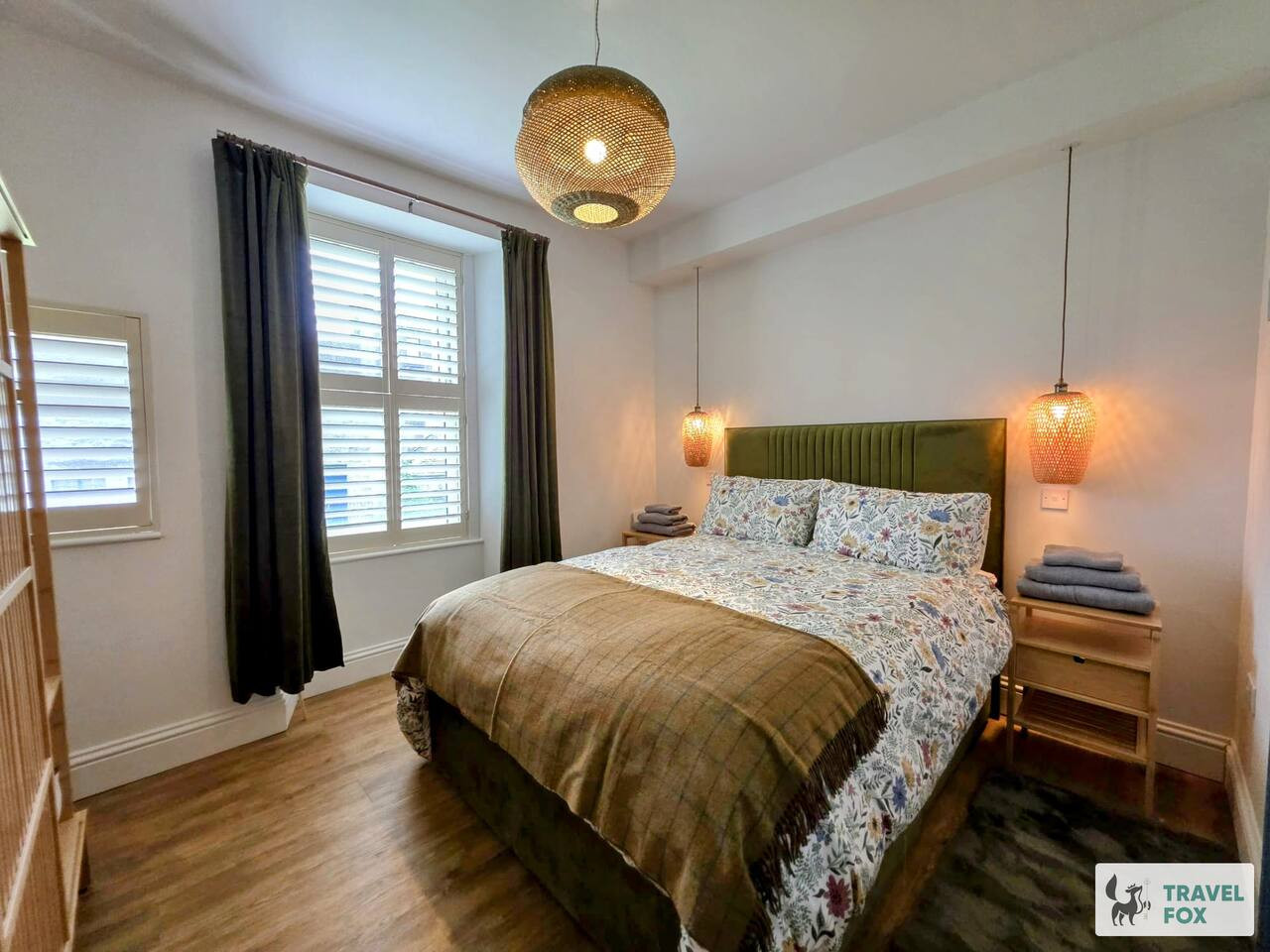
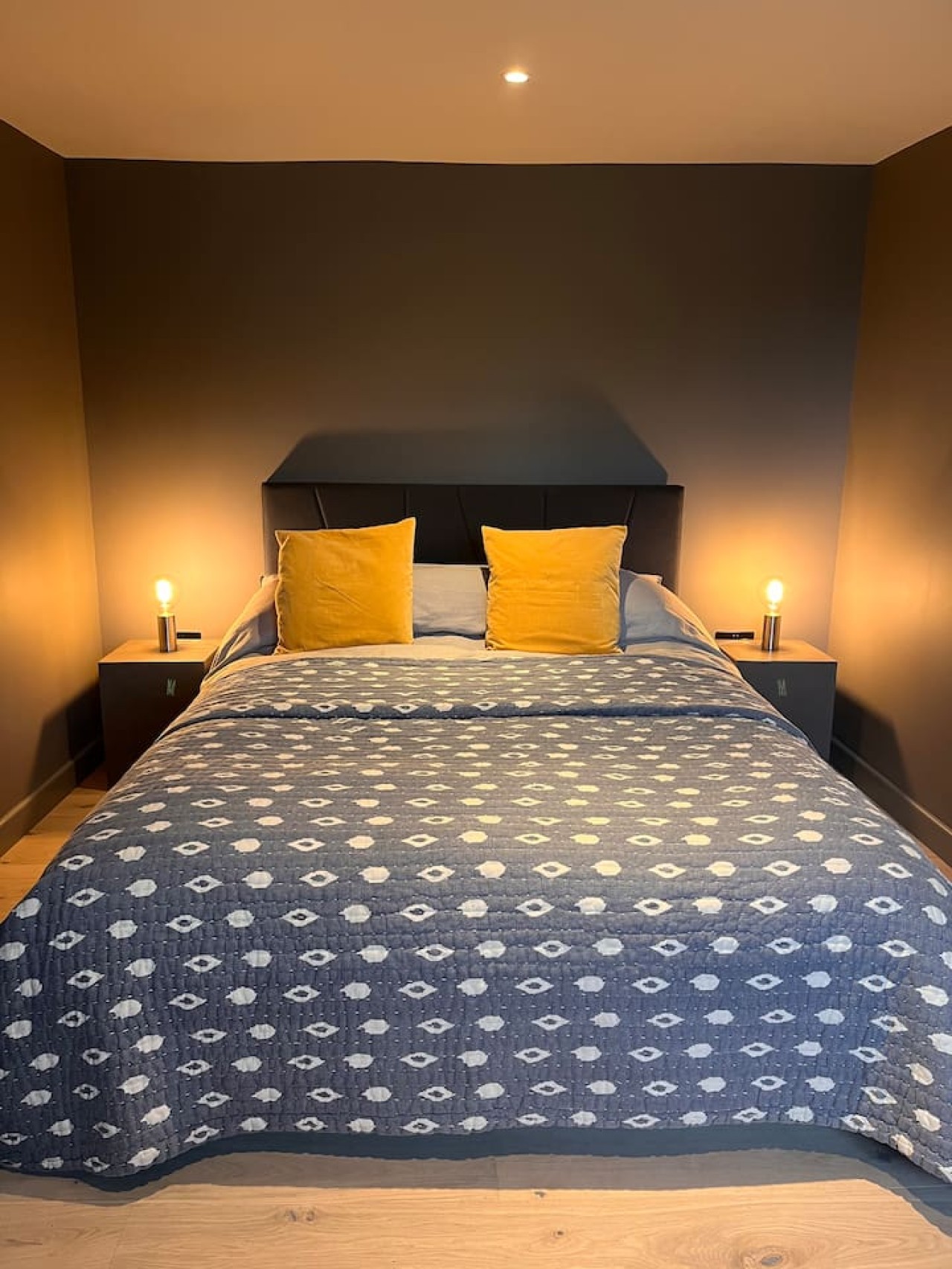
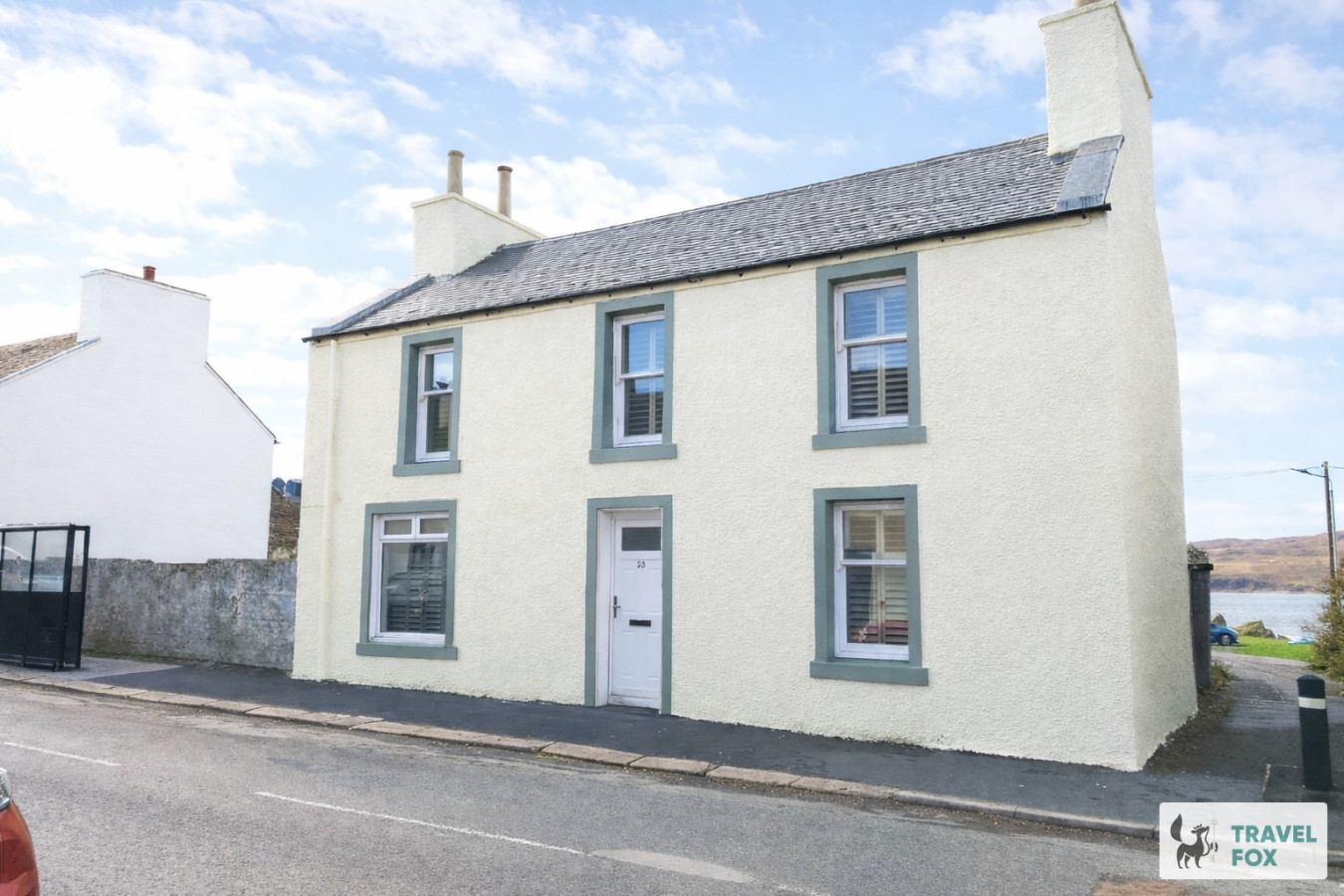
Travel Fox holiday homes around Argyll, linked directly to their property pages.
A guide with a point of view
Written from research. Edited for real journeys.
Use the Official site links for live practical details, then use this guide for context, ideas and room to explore.
Sources
Every place on this page is checked against a published source. Each entry links the record we used and names who publishes it.
- Kilninver Parish Church — portal.historicenvironment.scot statutory register or public authority
- Tigh an Truish Inn — tighantruish.co.uk operator, sector body or destination organisation
- Clachan Bridge — portal.historicenvironment.scot statutory register or public authority
- Ardmaddy Castle and Gardens — discoverscottishgardens.org operator, sector body or destination organisation
- An Cala Garden — scotlandsgardens.org other published source
- Easdale Island — portal.historicenvironment.scot statutory register or public authority