
Harbour life on the Sound
Port Askaig
A tiny cliff-foot port where ferries cross to Jura, an old drove inn overlooks the pier and north Islay's distilleries line the road beyond.
- Best for
- Working ferries, harbour history and north Islay whisky
- Give it
- Half a day around the port, longer with nearby stops
- Don't miss
- Watching the ferries from the hotel's harbour-facing beer garden
The Fox verdict
A working harbour with centuries behind it
Port Askaig is compact, steep-sided and closely tied to the ferries moving through the Sound of Islay.
The old inn, the RNLI station and the pier give the settlement its character, while the road beyond opens onto distilleries, wooded church grounds and the former centre of the Lords of the Isles.
Your picks, your pace
Make Port Askaig yours
Choose a mood or build your own list. Your saved stops are an ordering aid, with a direct map route when you are ready.
Local signatures
3 placesRNLI Islay Lifeboat Station
An RNLI station open to visitors, with a shop and the all-weather lifeboat Helmut Schroder of Dunlossit II based at the pier.
- Visit length
- Editorial estimate: allow around 30 minutes
- Locality
- on the pier
Kilmeny Parish Church
A listed parish church built in 1828 as part of the Parliamentary church-building scheme, with Thomas Telford as architect and the medieval predecessor's ruin and old graveyard nearby.
- Visit length
- Editorial estimate: allow around 45 minutes
- Locality
- in sheltered wooded grounds above the main Port Askaig–Bridgend road
Ardnahoe Distillery
A distillery opened in April 2019 with a visitor centre and café above Ardnahoe Loch on the coast road north from Port Askaig.
- Visit length
- Editorial estimate: allow around 90 minutes
- Locality
- above Ardnahoe Loch
Food & drink
2 placesCaol Ila Distillery
Islay's largest whisky producer, established in 1846, with views across the Sound to Jura; much of its output goes into Johnnie Walker blends.
- Visit length
- Editorial estimate: allow around 90 minutes
- Locality
- north of Port Askaig
Bunnahabhain Distillery
A remote Victorian distillery associated with a milder, less-peated Islay malt and sweeping views of the Paps of Jura.
- Visit length
- Editorial estimate: allow around 90 minutes
- Locality
- at the end of the single-track road
History & heritage
1 placeFinlaggan
The island site that served as the administrative centre and inauguration place of the MacDonald Lords of the Isles, with a visitor centre and museum.
- Visit length
- Editorial estimate: allow around 75 minutes
- Locality
- on an island in Loch Finlaggan
No places match this filter. Choose All places to reset the list.
On the map
Port Askaig at a glance
Tap a marker to jump to its guide card.
Three ways to explore Port Askaig
Signature outings
Bunnahabhain and the Paps
Visit a remote Victorian distillery at the road's end, with sweeping views across to the Paps of Jura.
Caol Ila above the Sound
Visit Islay's largest whisky producer, set up the coast from Port Askaig with views across the Sound to Jura.
Finlaggan's island story
Explore the island in Loch Finlaggan that became the administrative and inauguration centre of the MacDonald Lords of the Isles.
The village story
Port Askaig Village Guide
Nine original paragraphs trace an old inn, a compressed harbour settlement, working ferries, north-coast distilleries and a pipe march born at sea.
The inn beneath the brae
The Port Bar, in the Port Askaig Hotel, keeps an extensive selection of Islay malts and a display of old and rare bottles, and is the oldest licensed premises on the island. It is also the bar of a place that has held an inn for over four hundred years. "There has been an Inn at Port Askaig for over 400 years," the hotel says. "It would have been established in those days as a resting place for drovers taking livestock to market on the mainland."
The village itself is smaller than the sentence that describes it. It sits on a narrow shelf at the foot of a steep, wooded hillside on Islay's north-east coast, on the eastern shore of the Sound of Islay, with Jura half a mile across the water and the Paps rising behind it. Arriving on foot means a sharp climb up the brae away from the pier.
Harbour tables and working ferries
The hotel has been in one family for over fifty years. Its Starboard Restaurant does catch of the day fresh from the harbour, and the steak and Islay Ale pie is one of its biggest sellers. Bar mains start around £6.95; the restaurant menu runs dearer. There is a beer garden overlooking the harbour, which is where you would sit to watch the ferries work.
And they do work. The Sound is a narrow tidal channel with strong currents, and the Jura ferry crosses it to Feolin in five minutes, roughly every half hour to an hour through the day. CalMac's larger boat runs to Kennacraig on the mainland; there is no railway on Islay, and no station.
Provisions and the north road
Port Askaig Stores is a general shop and petrol station beside the port, the fuelling and provisioning point for the north end of the island. The harbour lands crab, lobster and langoustines from the local boats. A little inland, Persabus Pottery paints its own work by hand and takes guests.
The single-track road north climbs above the Sound past Ardnahoe Distillery and its café to Bunnahabhain, about three and a half miles on, a remote Victorian distillery with the Paps of Jura filling the view. Caol Ila, Islay's largest producer, sits a mile and a half up the coast; much of what it makes goes quietly into Johnnie Walker. Inland, the Lily Loch trail runs through old lead-mining woodland.
Lifeboats and a changing harbour
On the pier the RNLI station is open to visitors. Its all-weather boat, the Helmut Schroder of Dunlossit II, is named for the family up at Dunlossit House, who paid for roughly half of it, and is called out ten to twelve times a year.
Before roll-on, roll-off ferries arrived in the 1960s, cars were driven onto a net and swung by crane into the mail boat's hold. Between 2002 and 2011 the hillside behind the village was quarried away for queuing lanes and a new road.
Leaving Port Askaig
Port Askaig has its own pipe march, "Leaving Port Askaig," composed in 1926 by Pipe Major Willie Ross. He wrote it after sailing out of the harbour on the paddle steamer Pioneer in a rough sea, and the lilt of the tune is said to be a boat rising and falling in the swell.
Stay around Argyll
Make a longer stay of it
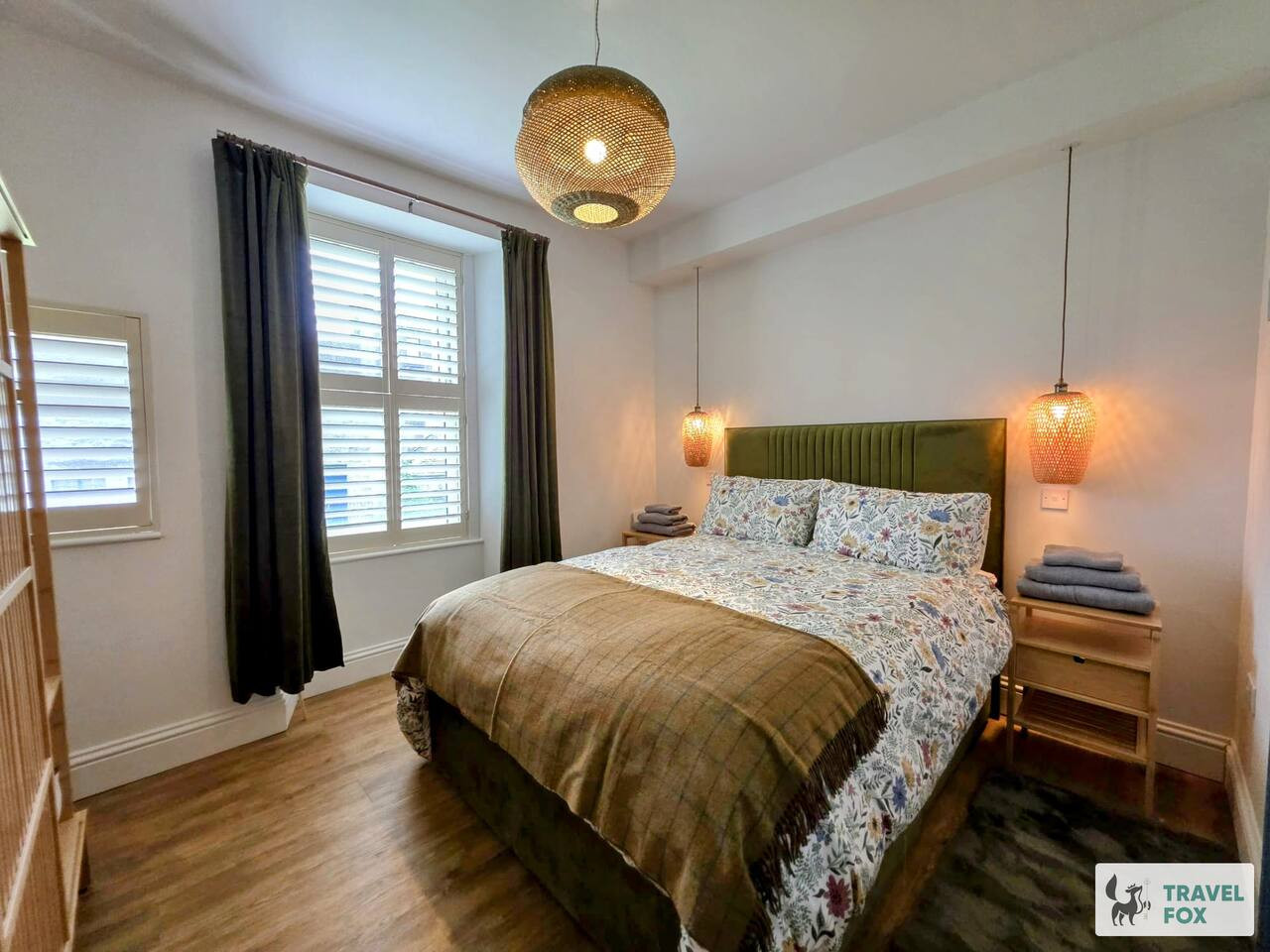
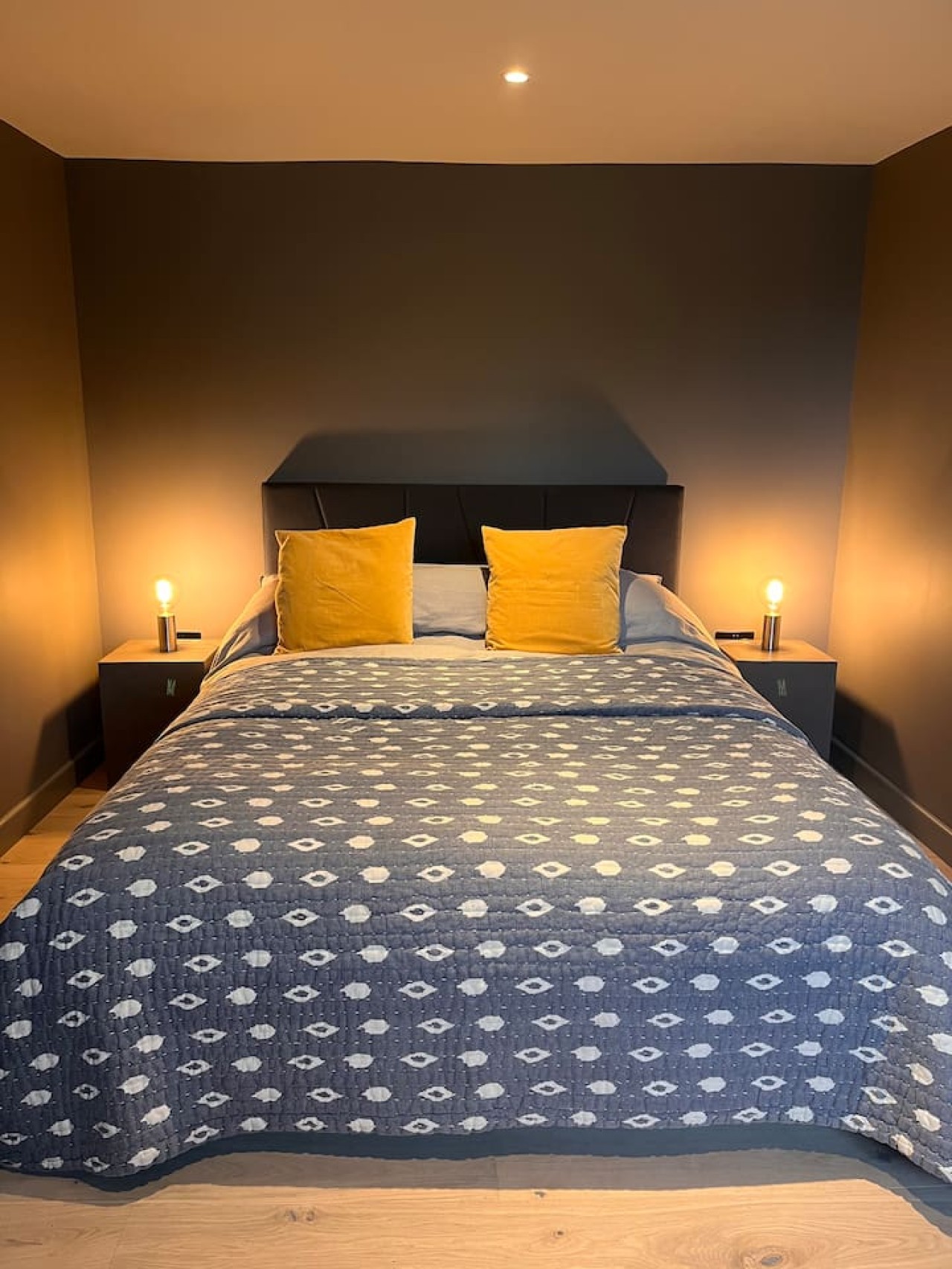
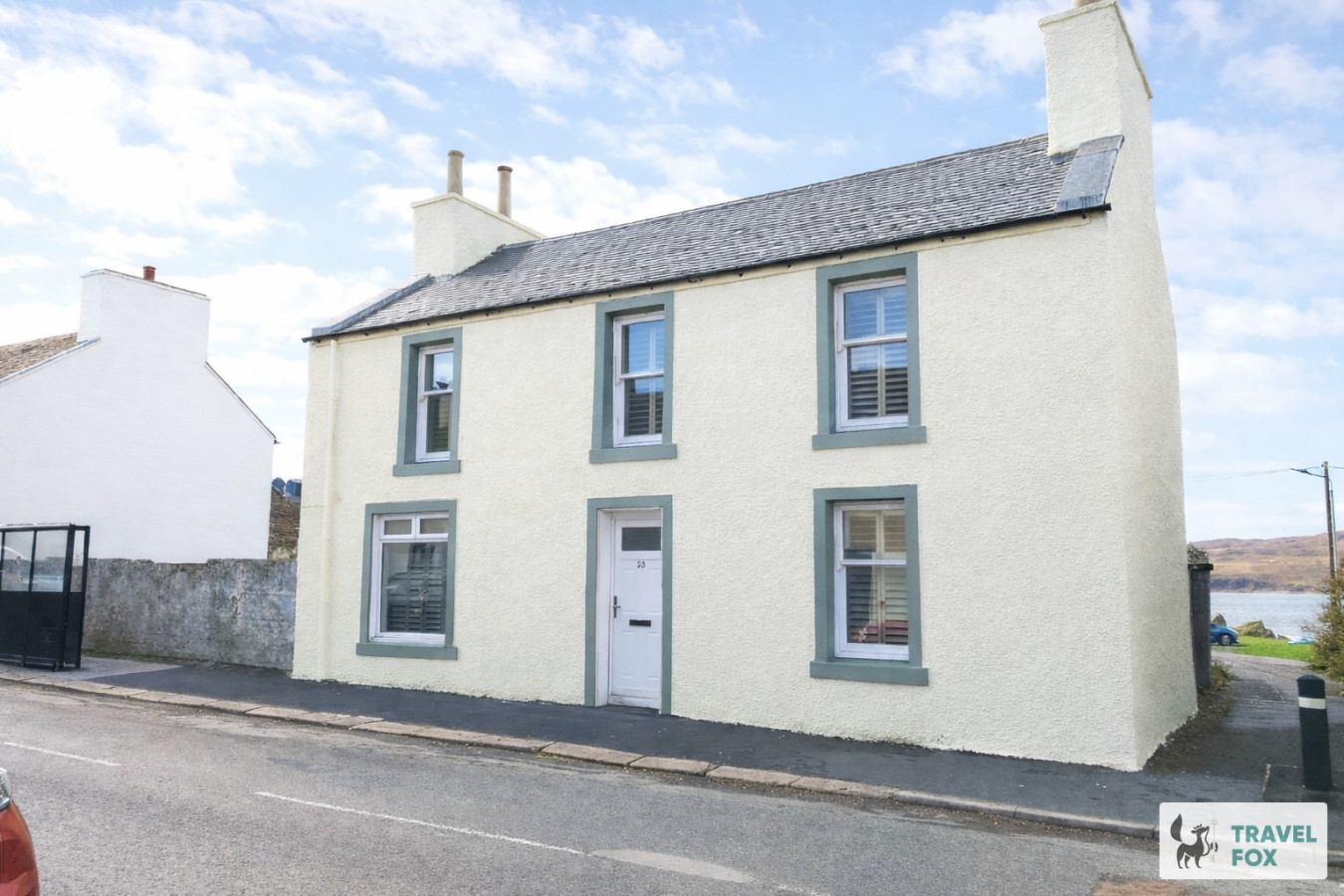
Travel Fox holiday homes around Argyll, linked directly to their property pages.
A guide with a point of view
Written from research. Edited for real journeys.
Use the Official site links for live practical details, then use this guide for context, ideas and room to explore.
Sources
Every place on this page is checked against a published source. Each entry links the record we used and names who publishes it.
- RNLI Islay Lifeboat Station — rnli.org operator, sector body or destination organisation record not machine-readable; publisher restricts automated access
- Kilmeny Parish Church — portal.historicenvironment.scot statutory register or public authority
- Caol Ila Distillery — malts.com other published source
- Ardnahoe Distillery — ardnahoedistillery.com operator, sector body or destination organisation
- Bunnahabhain Distillery — bunnahabhain.com operator, sector body or destination organisation
- Finlaggan — finlaggan.museum operator, sector body or destination organisation