
Loch Linnhe by ferry and foot
Port Appin
A coastal Argyll village of seafood, ferry history and headland walks, looking across the Lynn of Lorn towards Lismore.
- Best for
- Coastal walks, seafood and the Lismore ferry
- Give it
- A ferry crossing, a coastal walk and a meal
- Don't miss
- The limestone arch at Clach Tholl
The Fox verdict
A small ferry village with a long view
Port Appin brings the Lismore crossing, locally landed seafood and an easy-going coastal walk together at the edge of Loch Linnhe.
The jetty is the village's focus: passenger ferries leave for Lismore beside the Pierhouse, whose Ferry Bar preserves part of the building's steamboat-era story. Inland are the community-owned store and the old ferry inn at Airds, while the headland walk reaches the natural arch at Clach Tholl. Castle Stalker and St Cross Church add two distinct nearby history stops.
Where to go
Places in Port Appin
Every place below is checked against a published source, listed with what it is and how long to give it.
Local signatures
3 placesThe Pierhouse Hotel & Seafood Restaurant
A waterside hotel bar and restaurant serving locally landed seafood; its Ferry Bar occupies the former covered loading area from the Loch Linnhe steamboat era.
- Visit length
- Editorial estimate: around 90 minutes
- Locality
- on the jetty
- Access
- Dogs are accepted in the Ferry Bar and the Lismore Dining Room.
Airds Hotel & Restaurant
An 18th-century ferry inn now operating as a small country-house hotel and fine-dining restaurant, with an à la carte menu and a seven-course seafood tasting menu.
- Visit length
- Editorial estimate: around 120 minutes
- Locality
- Port Appin
Port Appin Stores
The community co-operative village shop and Post Office, with daily bakery deliveries, fruit and vegetables, local meat, cheese and Isle of Gigha milk and ice cream.
- Visit length
- Editorial estimate: around 20 minutes
- Locality
- Port Appin, Appin
Walks & outdoors
1 placeClach Tholl
An easy-going coastal walk to a dramatic limestone arch left by a former higher sea level, with views over Lismore and towards Mull.
- Visit length
- Editorial estimate: around 90 minutes
- Locality
- the headland beyond the village
History & heritage
2 placesCastle Stalker
A restored four-storey tower house built in its present form by the Stewarts in the 15th century, also seen as the Castle of Aaargh in Monty Python and the Holy Grail.
- Visit length
- Editorial estimate: around 90 minutes
- Locality
- a tidal islet in Loch Laich
- Access
- Open on selected summer dates; access is by boat only and tours are limited to twelve people a day.
St Cross Church
A Scottish Episcopal church at Portnacroish whose churchyard contains the granite Stalcaire Memorial commemorating the Battle of Stalc of 1468.
- Visit length
- Editorial estimate: around 30 minutes
- Locality
- Portnacroish
Things to do
1 placePort Appin to Lismore Passenger Ferry
The council-operated foot-passenger ferry makes the short crossing from Port Appin to Point on Lismore, carrying walkers, dogs and ticketed bikes.
- Visit length
- Editorial estimate: around 30 minutes
- Locality
- the village jetty
- Access
- Turn-up-and-go; arrive twenty minutes early. Dogs travel free, and bikes are welcome with a ticket.
No places match this filter. Choose All places to reset the list.
Three ways to explore Port Appin
Signature outings
Take the foot ferry to Lismore
Turn up at the village jetty for the roughly ten-minute passenger crossing to Point, with dogs travelling free and bikes carried with a ticket.
Find the rock with a hole in it
Follow the easy-going coastal walk beyond the village to Clach Tholl, a limestone arch left behind by a former higher sea level.
Visit Castle Stalker
Take a selected-date boat tour of the restored Stewart tower house on its tidal islet, with daily numbers limited to twelve.
The village story
Port Appin Village Guide
Ferries, old inns and coastal geology meet at a village jetty looking towards Lismore.
The Ferry and Its Pier
The passenger ferry to Lismore leaves from the village jetty, a ten-minute crossing you turn up for rather than book. Dogs travel free, bikes need a ticket, and you're asked to arrive twenty minutes early, which for a boat you don't reserve is a particular kind of instruction. Undiscovered Scotland calls it "the shortest and cheapest ferry crossing to Lismore," and at £2.55 single it is hard to argue.
On the pier itself is the Pierhouse Hotel, whose Ferry Bar occupies what was once the covered area where goods were loaded onto trolleys before being rolled out to the steamboats. The building started life in the 19th century as the Pier Master's private residence, built to service the Loch Linnhe steamers running between Oban and Fort William. It got its liquor licence around the 1990s. The Ferry Bar now keeps a wood-burning stove and over ninety malts, and dogs are allowed here and in the Lismore Dining Room but not the main restaurant.
Seafood and Old Ferry Inns
The seafood is landed close by: oysters from Loch Creran, mussels and langoustines from Loch Linnhe and Loch Etive, crab and lobster from local waters. It was named National Restaurant of the Year at the Hotels of the Year Scotland Awards for 2023-24, holds two AA rosettes, and is one of only three Argyll restaurants in the 2025 Michelin Guide. You can also just have tea and a scone and watch the ferry come and go.
A short way inland, the Airds Hotel does the more formal version of the same idea — an 18th-century ferry inn, now a fine-dining restaurant with rooms, three AA rosettes, and a seven-course seafood tasting menu alongside dishes like Isle of Mull crab roulade and seared Argyll venison. One reviewer described the staff as "tremendous" and said they "seem to appear just when you need them."
The Community Store and Coast Path
The village shop is Port Appin Stores, a community co-op since 1984 and holder of the Post Office. Bread, rolls and savoury pies arrive daily from the Argyll Bakery, there's local venison, a fish van parked outside on Tuesday mornings, and milk and ice cream brought over from the Isle of Gigha. The Post Office shuts for lunch, one till two, every day.
Walk out past the village and the coast path takes you around the headland to Clach Tholl, "the rock with a hole in it," a limestone arch left stranded by a sea that used to be higher, with Lismore and Mull across the water.
Castle Stalker and the Road to Oban
The thing everyone photographs is a mile and a half up the coast: Castle Stalker, a four-storey tower house on a tidal islet, built by the Stewarts in the 15th century. James IV is thought to have stayed often for the hunting. The Campbells got it around 1620 through a drunken wager and let the roof go by 1840; a Stewart bought it back in 1908, another Stewart family completed a full restoration from 1965, and their children and grandchildren still run it. It is also, from across the water, the "Castle of Aaargh" in Monty Python and the Holy Grail.
There is no railway — the line to Oban closed decades ago and is now the cycle track. Oban is about thirty-five minutes by car, off the A828. From the jetty, mostly, you watch the boat.
Stay around Argyll
Make a longer stay of it
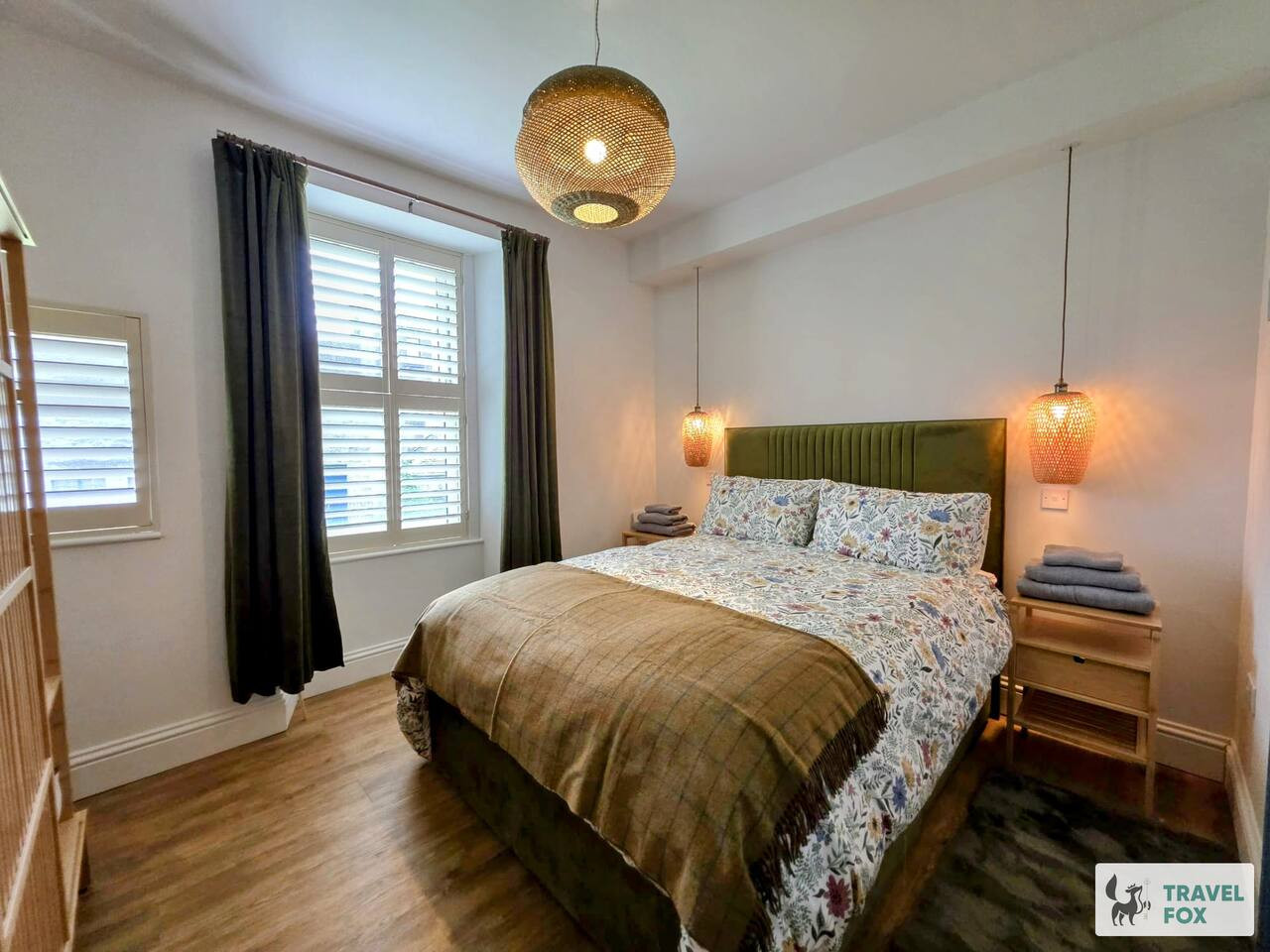
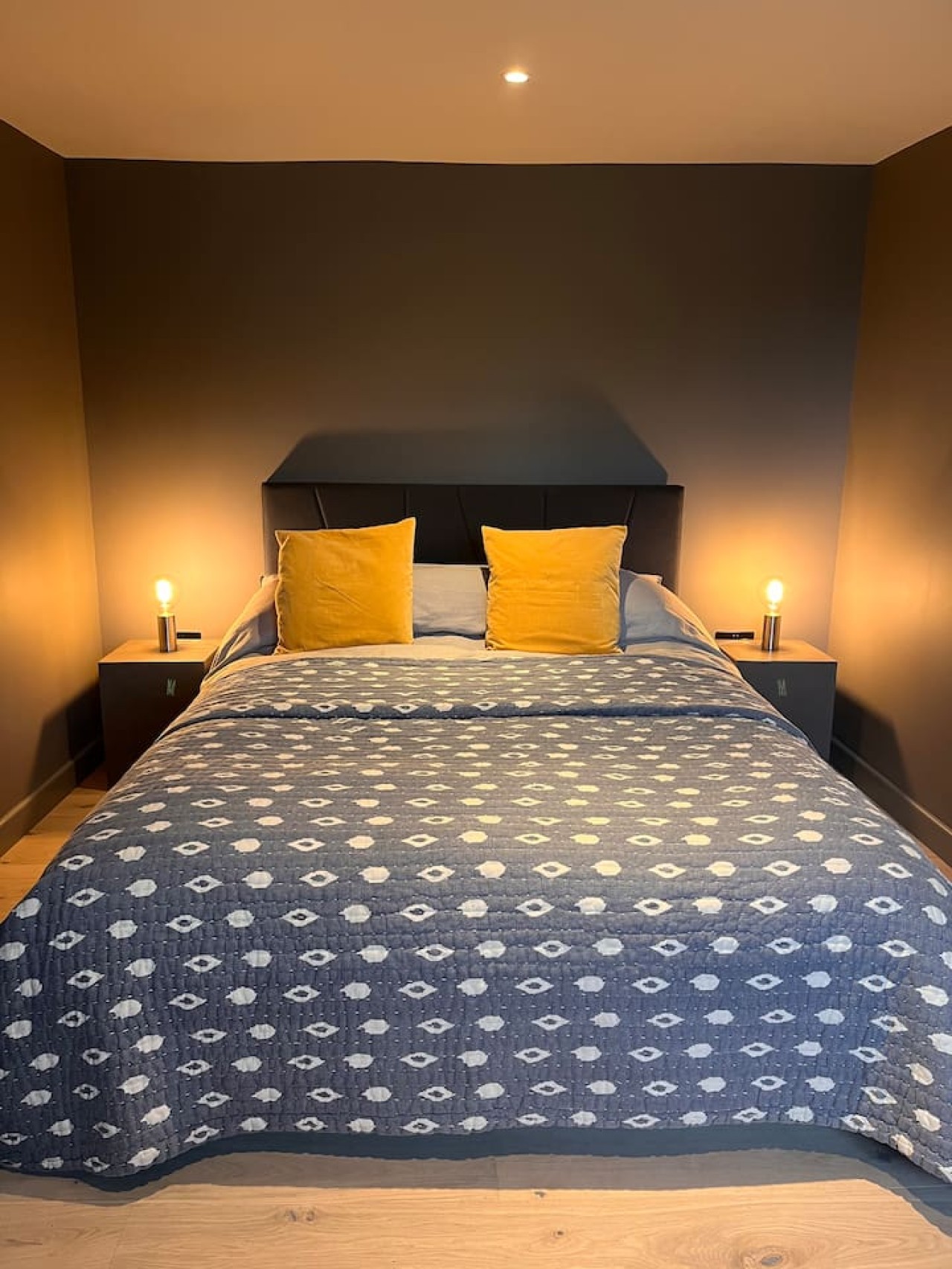
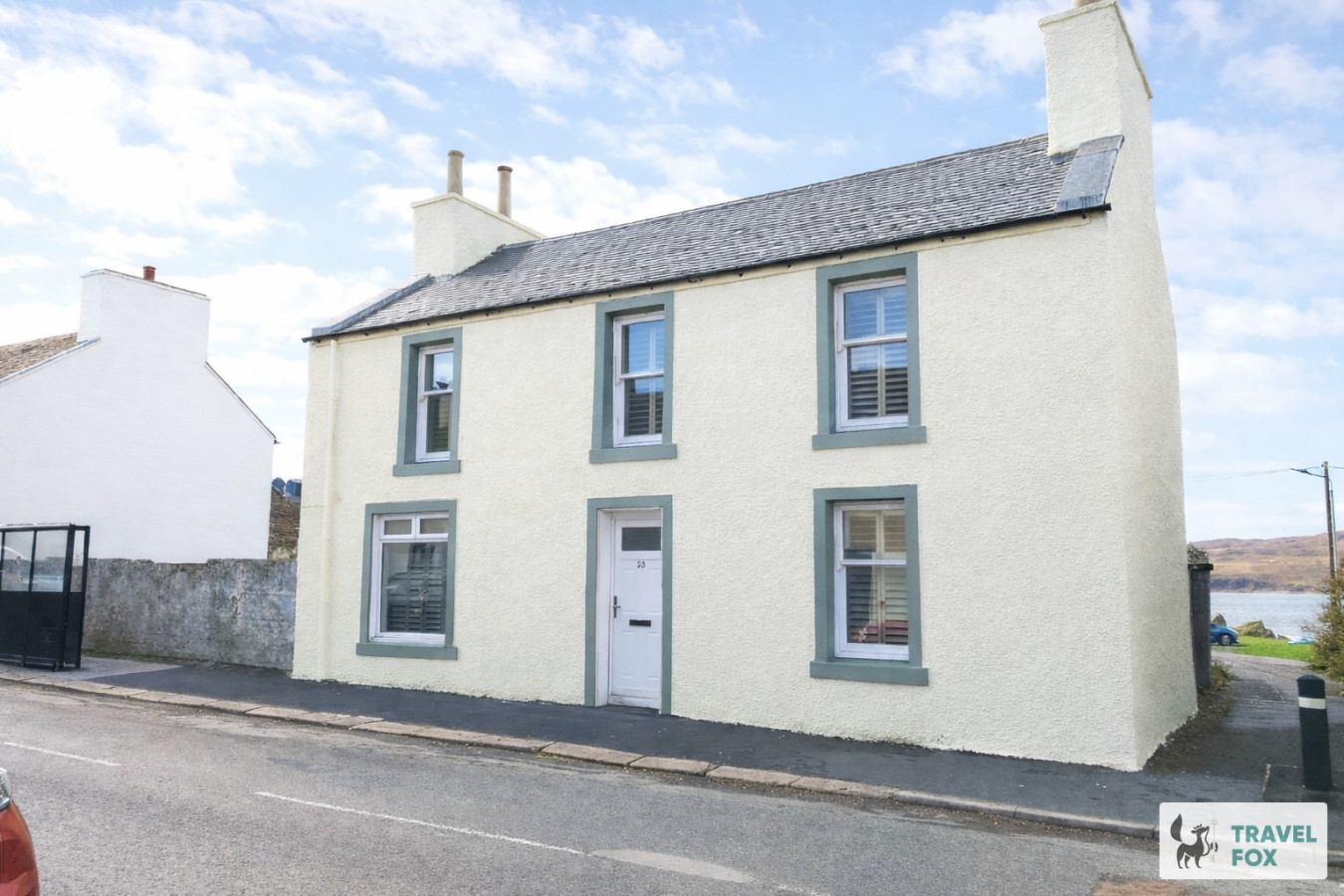
Travel Fox holiday homes around Argyll, linked directly to their property pages.
A guide with a point of view
Written from research. Edited for real journeys.
Use the Official site links for live practical details, then use this guide for context, ideas and room to explore.
Sources
Every place on this page is checked against a published source. Each entry links the record we used and names who publishes it.
- Port Appin to Lismore Passenger Ferry — argyll-bute.gov.uk statutory register or public authority
- The Pierhouse Hotel & Seafood Restaurant — pierhousehotel.co.uk operator, sector body or destination organisation
- Airds Hotel & Restaurant — airds-hotel.com operator, sector body or destination organisation
- Port Appin Stores — appin.scot operator, sector body or destination organisation
- Clach Tholl — jncc.gov.uk statutory register or public authority
- Castle Stalker — castlestalker.com operator, sector body or destination organisation
- St Cross Church — portal.historicenvironment.scot statutory register or public authority