
Lake, fells and a town with purpose
Ambleside
Set at the head of Windermere, Ambleside puts woodland paths, open fells, local history and the water within one flexible base.
- Best for
- Walks, lake trips and local history
- Give it
- A full day, longer with a fell walk
- Don't miss
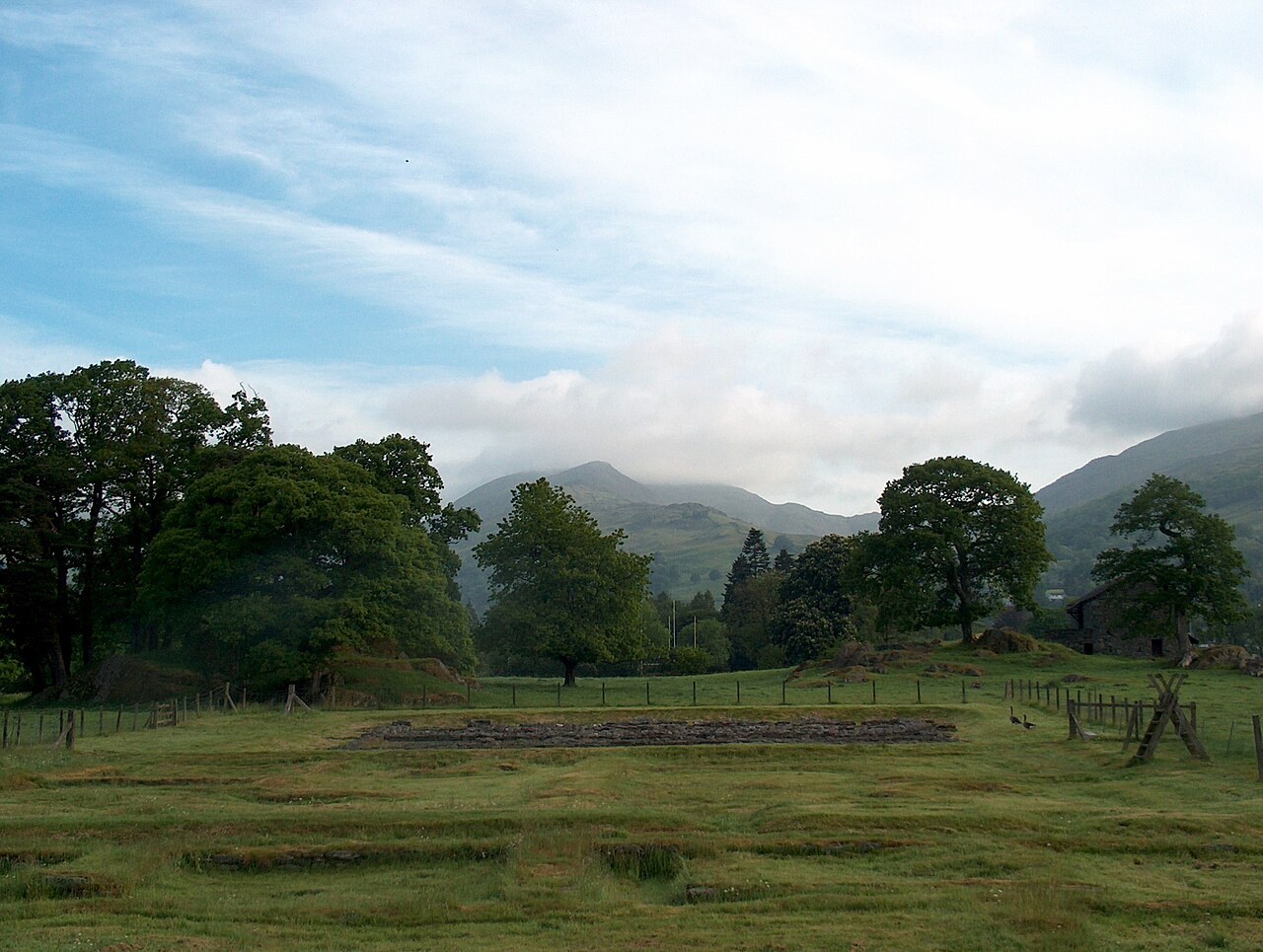
- Stock Ghyll Force and the Roman fort
Photo: Bill Boaden · CC BY-SA 2.0 · cropped
The Fox verdict
A practical Lake District base with its own rewards
Ambleside combines an outdoor hub with short woodland outings, bigger fell days, lakeside access and unusually rich local history.
The appeal is range without losing a sense of place: follow Stock Ghyll through woodland, climb towards Wansfell, inspect Roman remains at Borrans Park, browse the Armitt's collections or head to Waterhead for a cruise. Back in Ambleside, the Golden Rule preserves the town's traditional real-ale character.
Where to go
Places in Ambleside
Every place below is checked against a published source, listed with what it is and how long to give it.
Local signatures
3 placesWansfell Pike
A fell walk from Ambleside to Wansfell Pike, with views over Windermere and the surrounding fells.
- Visit length
- Editorial estimate: allow around 180 minutes
- Locality
- the fells surrounding Ambleside
- Access
- This is a moderate fell walk.
Rydal Water and Grasmere via the valley path
A low-level route through classic Wordsworth country, linking Ambleside with Rydal Water and Grasmere.
- Visit length
- Editorial estimate: allow around 150 minutes
- Locality
- between Ambleside, Rydal Water and Grasmere
Bridge House
A 17th-century Grade I listed building spanning Stock Ghyll, originally built as a summer house and apple store.
- Visit length
- Editorial estimate: allow around 20 minutes
- Locality
- over Stock Ghyll in Ambleside
Food & drink
1 placeThe Golden Rule
A traditional real-ale pub with a real fire and historic climbing photographs, without background music or games machines.
- Visit length
- Editorial estimate: allow around 60 minutes
- Locality
- Ambleside
- Access
- No meals are served; pork pies may occasionally be available.
Walks & outdoors
2 placesStock Ghyll Force
A woodland waterfall reached by a signposted circular path from Stock Ghyll's southern entrance, with viewing platforms beside the falls.
- Visit length
- Editorial estimate: allow around 90 minutes
- Locality
- woodland near Ambleside town centre
- Access
- Woodland paths can be slippery in wet weather.
Ambleside (Waterhead) Pier
The Windermere Lake Cruises boarding point at Waterhead, where Ambleside meets the lake.
- Visit length
- Editorial estimate: allow around 90 minutes
- Locality
- Waterhead, just south of Ambleside
History & heritage
2 placesThe Armitt Museum and Library
A local museum with more than a thousand archaeological items and a collection that includes Beatrix Potter's original scientific watercolours of fungi.
- Visit length
- Editorial estimate: allow around 90 minutes
- Locality
- Ambleside
- Access
- General admission tickets are sold at reception; events require advance booking. There is level entry and a platform stairlift to the first floor.
Ambleside Roman Fort
Visible remains of the Roman fort built under Hadrian on the site of an earlier timber fort dating to around AD 90.
- Visit length
- Editorial estimate: allow around 45 minutes
- Locality
- Borrans Park, south of Ambleside
No places match this filter. Choose All places to reset the list.
Three ways to explore Ambleside
Signature outings
Find the woodland falls
Follow Stock Ghyll through woodland once used to power bobbin mills, then reach the waterfall's viewing platforms.
Browse Ambleside's collections
Discover how Mary Armitt's reference library grew into a museum that also holds finds from the Ambleside Roman fort excavations.
Meet Roman Ambleside
Explore the visible remains of the fort at Borrans Park and see how Roman history sits beside the modern lakeshore.
The town story
Ambleside: From the Fells to Windermere
Fell paths, traditional pubs, Roman remains and local collections meet in Ambleside at the head of Windermere.
Pints, waterfalls and paths from the door
The Golden Rule on Smithy Brow is a traditional pub centred on conversation and real ale. It serves no meals, although pork pies may occasionally be available. The building dates to around 1683. Inside are a real fire and historic rock-climbing photographs; there is no background music or games machine. Its Robinsons ales sometimes include Old Tom.
Ambleside sits north of Windermere in the Rothay valley, with the lake at Waterhead a walk from the town centre. Stock Ghyll drops over Stock Ghyll Force in woodland above Ambleside, then flows through town. A signposted circular path reaches viewing platforms beside the falls, including an access point to the upper platform.
Walks from Ambleside range from a short woodland circuit to the climb over Wansfell Pike towards Troutbeck. Loughrigg Fell offers another viewpoint above the surrounding valleys. A route to Jenkins Crag starts at Waterhead Pier and takes about one to two hours, with a steep, bumpy climb that can be slippery. The crag gives views across Windermere, but its exposed edge needs care.
The Fairfield Horseshoe rises above Ambleside for a longer fell day. From the town centre, shorter paths move from streets through woodland towards Troutbeck and open fellside.
Town-centre Ambleside
Back at street level, outdoor equipment shops are part of Ambleside's role as a walking base. Browse the town centre for boots, waterproofs and other kit before choosing a route into the surrounding fells.
Fred Holdsworth opened his bookshop in Central Buildings in 1956. It stocks one of nearly everything rather than piles of the same bestseller. Arthur Ransome browsed the shelves. So did Victoria Wood.
Ambleside has two Michelin-starred restaurants. At the Old Stamp House on Church Street, brothers Ryan and Craig Blackburn serve a tasting menu called "A Journey Around Cumbria". The restaurant occupies the cellars of the house where William Wordsworth worked as Distributor of Stamps for Westmorland.
Lake Road Kitchen, the second star, arrived in 2024. James Cross worked at Noma in Copenhagen and Per Se in New York before opening here in 2014 — a decade of Nordic-influenced tasting menus with Lake District produce before the Michelin inspectors caught up. The interior is wooden planks and sheepskin throws. The menus change daily.
From town to Waterhead
For a different meal, Doi Intanon serves Thai food in the Old Market Hall and the Priest Hole occupies part of Kelsick Old Hall. Zeffirellis combines vegetarian dining with a cinema and jazz bar on Compston Road. Its sister restaurant Fellinis serves Mediterranean-inspired vegetarian food at a separate address on Church Street.
The Apple Pie, on Rydal Road, has been a bakery and café since 1975. Its café serves savoury pastries, while the bakery makes plain apple pie and a mixed spice and sultana version. La Liste has recognised it among the world's three thousand best pastry shops.
The Unicorn Inn on North Road is a Robinsons pub serving traditional pub food. Outside town at Barngates, the Drunken Duck offers dining in a country inn and appears in the Michelin Guide.
At Waterhead, Ambleside meets Windermere and boats board at the pier. The Red Cruise takes about 35 minutes between Ambleside and Bowness; its non-landing round trip from Bowness takes about 75 minutes. Nearby at Borrans Park, low walls mark Ambleside Roman Fort. An earlier timber fort was built around AD 90 and replaced by the stone fort under Hadrian. The fort's Roman name and the identity of its garrison remain uncertain. Excavations revealed the headquarters, commanding officer's house and granaries, whose remains can still be seen.
Bridge House and the Victorian spire
Ambleside was not recorded in the Domesday Book — William's surveyors did not get this far north. The town's documented life begins later. A market charter was granted in 1650, primarily for wool and yarn. The Salutation Hotel started as a tavern around the same time, in 1656. Keats stayed there. So did Tennyson, who worked on Morte d'Arthur during his visit.
Bridge House is an Ambleside landmark spanning Stock Beck. The Braithwaite family built it in the seventeenth century to reach land across the beck and store apples. It later served as a counting house, tea room, weaving shop, cobbler's and chair maker's premises, and even housed a family of eight. When it needed repair in the 1920s, local fundraisers, including Wordsworth's grandson and Beatrix Potter's husband, raised 1,244 pounds, eleven shillings and tenpence to buy it and donate it to the National Trust.
St Mary's Church was designed by George Gilbert Scott and built between 1850 and 1854, because the old parish church of St Anne could no longer cope with the tourists the railway was bringing. On the west wall there is a twenty-six-foot mural by Gordon Ransom, painted in 1944, depicting the Rushbearing — a ceremony held on the first Saturday in July in which rushes are carried through the town to the church floor. The mural contains sixty-two figures, all real Ambleside residents of the time. Ransom was at the Royal College of Art, which had been evacuated to Ambleside during the war.
Buses and living traditions
Harriet Martineau made her home in Ambleside. Educator Charlotte Mason later established the House of Education here, and the artist Kurt Schwitters spent his final years in the area. The Armitt Museum holds work by Schwitters alongside Beatrix Potter's scientific watercolours of fungi and objects from the Roman fort excavations.
The 555 bus runs from Keswick through Grasmere to Ambleside and on to Windermere, Kendal, and Lancaster. Windermere station, on the branch line from Oxenholme, is about 4.4 miles southeast of Ambleside in a straight line. If you are driving, the car parks fill early in summer.
Ambleside Sports brings wrestling, fell racing and other local competitions to the town. Sporting traditions in the area reach back to the seventeenth century, while the organised Ambleside Sports event began in 1886. Ambleside's Rushbearing is another longstanding community tradition.
Stay around Lake District
Make a longer stay of it
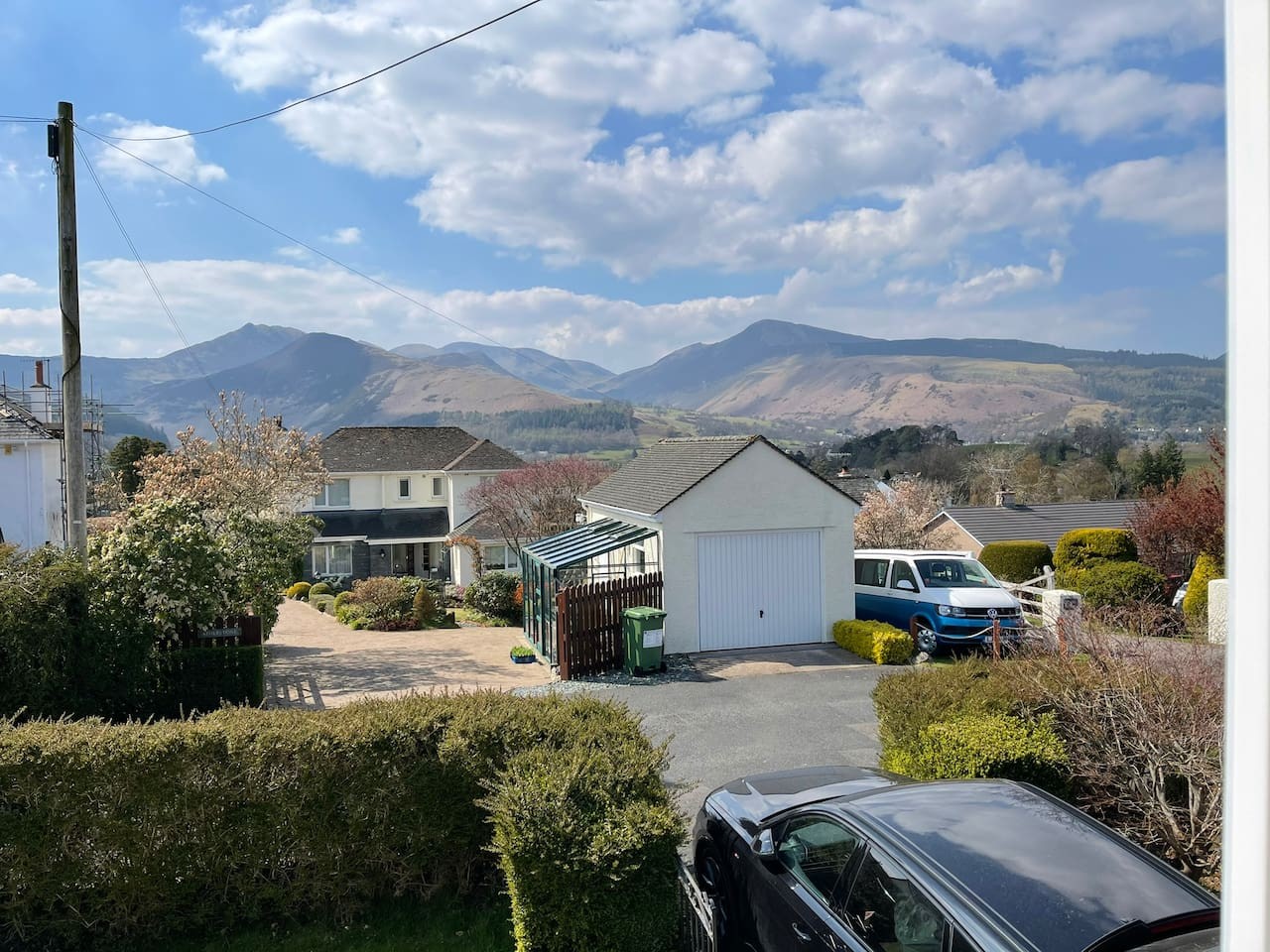
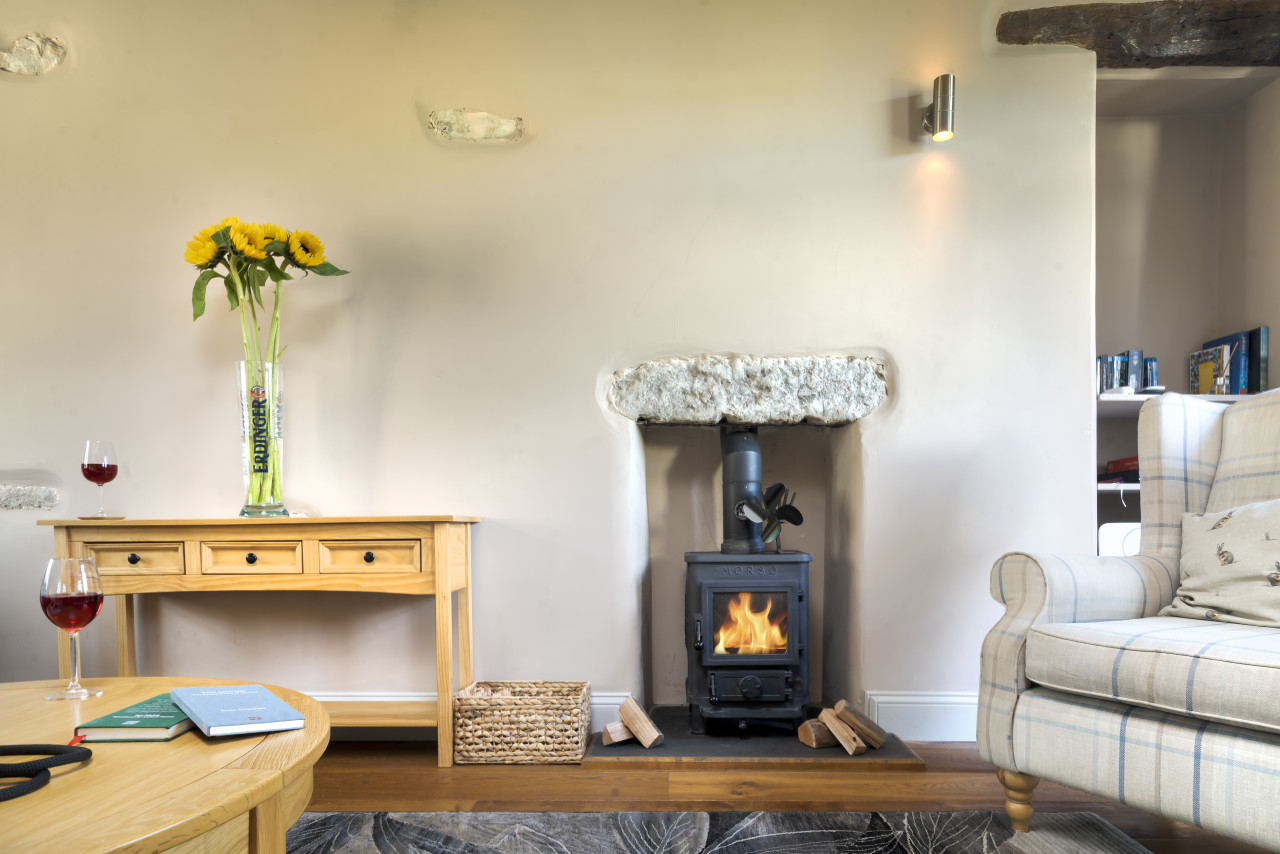
Travel Fox holiday homes around Lake District, linked directly to their property pages.
For homeowners
Own a holiday home near Ambleside?
We manage holiday lets across the Lake District from 12% commission, charged after cleaning costs, with no lock-in. A co-founder visits before you decide.
Holiday let management in the Lake District →
A guide with a point of view
Written from research. Edited for real journeys.
Use the Official site links for live practical details, then use this guide for context, ideas and room to explore.
Photography credits & licences
Third-party photographs are credited to their named creators and reused under the linked Creative Commons licence or public-domain dedication. Travel Fox stores an optimised local copy; the file-specific changes and any browser-applied display crop are disclosed below. Reused photographs link both to the Wikimedia Commons source record and to the declared source image; Travel Fox's own photographs carry no such record and are marked as ours. These image licences do not cover Travel Fox text, branding or page design.
- File:Ambleside Roman fort - geograph.org.uk - 1761456.jpg — photograph by Bill Boaden; Bill Boaden. Source record on Wikimedia Commons. Declared source image. Licence: CC BY-SA 2.0. File changes: Downloaded from Wikimedia Commons, resized to a maximum 1920px edge and encoded as an optimised JPEG. Display changes: Displayed with responsive CSS cropping.
Sources
Every place on this page is checked against a published source. Each entry links the record we used and names who publishes it.
- The Golden Rule — robinsonsbrewery.com other published source
- The Armitt Museum and Library — armitt.com operator, sector body or destination organisation
- Stock Ghyll Force — visitlakedistrict.com operator, sector body or destination organisation
- Wansfell Pike — visitlakedistrict.com operator, sector body or destination organisation
- Rydal Water and Grasmere via the valley path — lakedistrict.gov.uk statutory register or public authority
- Ambleside Roman Fort — english-heritage.org.uk national body or asset manager
- Bridge House — historicengland.org.uk statutory register or public authority record not machine-readable; publisher restricts automated access
- Ambleside (Waterhead) Pier — windermere-lakecruises.co.uk other published source