
At the foot of the Duddon
Broughton-in-Furness
A small Georgian market town where an old fair charter, traditional inns and the quieter western fells meet.
- Best for
- Georgian character and quieter walking
- Give it
- A half day, or longer with a fell walk
- Don't miss
- The obelisk in the market square
Photo: David Purchase · CC BY-SA 2.0 · cropped
The Fox verdict
A historic square with the Duddon at its door
Broughton-in-Furness pairs a compact Georgian centre with ready access to one of the Lake District's less-visited valleys.
Come for the Georgian market square and the Manor Arms. The Black Cock Inn on Princes Street reopened in spring 2026, adding another pub stop. St Mary Magdalene’s Church and the surrounding countryside offer further reasons to explore.
Your picks, your pace
Make Broughton-in-Furness yours
Choose a mood or build your own list. Your saved stops are an ordering aid, with a direct map route when you are ready.
Local signatures
3 placesThe Manor Arms
A traditional Furness pub on the Georgian market square and a multi-award-winning local inn.
- Visit length
- Editorial estimate: around 75 minutes
- Locality
- on the Georgian market square
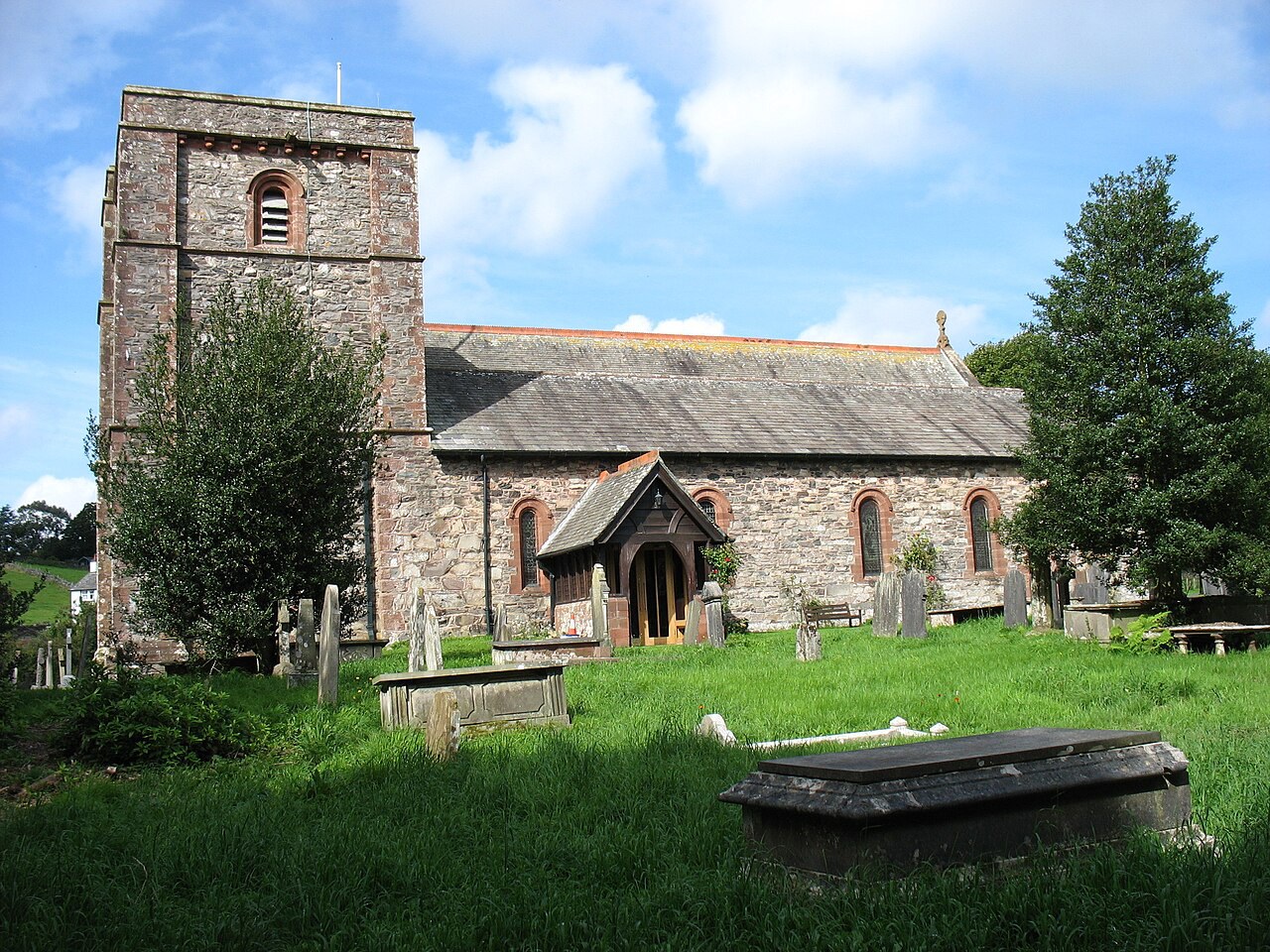
St Mary Magdalene's Church
A church with Norman origins, a medieval south aisle and a 12th-century south entrance, later altered and extended by Paley and Austin.
- Visit length
- Editorial estimate: around 45 minutes
- Locality
- in Broughton-in-Furness
Black Combe
An isolated fell of roughly 600 metres with panoramic views towards the Isle of Man, Scotland, Ireland and Wales in clear conditions.
- Visit length
- Editorial estimate: around 3 hours
- Locality
- Black Combe fell, about 5.0 miles from Broughton-in-Furness
Food & drink
1 placeThe Black Cock Inn
A reopened pub on Princes Street in a listed building probably dating from the 17th century, serving cask ale and meals and offering five letting rooms.
- Visit length
- Editorial estimate: around 60 minutes
- Locality
- on Princes Street
History & heritage
1 placeBroughton-in-Furness Market Square
Begin at the Gilpin Obelisk in the planned Georgian square, developed in the 1760s at the behest of John Gilpin Sawrey. The obelisk was erected in 1810 for George III’s Golden Jubilee. The annual August Fair proclamation is read here.
- Visit length
- Editorial estimate: around 45 minutes
- Locality
- town centre
No places match this filter. Choose All places to reset the list.
On the map
Broughton-in-Furness at a glance
Tap a marker to jump to its guide card.
Three ways to explore Broughton-in-Furness
Signature outings
A Charter in the Square
Look beside the obelisk for the old stocks, one of the square’s listed historic features.
A 17th-Century Landmark
Trace the square's older story through a 17th-century Lakeland inn that predates its Georgian layout.
A Church with Medieval Fabric
At the south entrance, look for the 12th-century opening with waterleaf capitals.
The town story
Broughton-in-Furness: Charter, Valley and Fell
A market-town story moving from the Georgian square and nearby inns into the Duddon landscape, then returning to the town’s medieval church.
The Charter and Georgian Square
Each August, Broughton-in-Furness gathers at the market square for the proclamation of its August Fair. A representative of the Lord of the Manor took part in reading the proclamation in 2024, continuing a ceremony traced to Elizabeth I’s reign. The square was planned in the 1760s at the behest of John Gilpin Sawrey. Its obelisk was erected in 1810 for George III’s Golden Jubilee.
Broughton is a small market town on the western side of the Lake District. Around the planned square are stone buildings, while views from the conservation area reach the surrounding fells and Duddon Estuary.
Two Inns in Town
The Manor Arms is on The Square, a traditional Furness pub with a long-standing award-winning reputation.
On nearby Princes Street, The Black Cock Inn occupies a listed building probably dating from the 17th century. It reopened after refurbishment in spring 2026 and serves cask ale and meals, with five letting rooms. Low beams and open fires preserve some of the older building’s character.
River, Woodland and Black Combe
The Duddon Valley draws walkers north of Broughton. William Wordsworth published a sequence of 33 sonnets tracing an imagined journey down the river in 1820; he added another sonnet later.
About 5.0 miles from Broughton-in-Furness in a straight line, Black Combe rises to roughly 600 metres. In clear conditions, the summit offers wide views towards the Isle of Man, Scotland, Ireland and Wales.
Rail Links and Ancient Foundations
Foxfield is the nearest railway station to Broughton, with onward travel needed to reach the town. Drivers can approach from Greenodd on the A5092 or from Coniston on the A593.
St Mary Magdalene’s Church has Norman origins, a medieval south aisle and a 12th-century south entrance, with later work by Paley and Austin.
The Charter Endures
The August Fair proclamation still brings people back to the square and its obelisk, linking the planned Georgian centre with an older town tradition.
Stay around Lake District
Make a longer stay of it
Travel Fox holiday homes around Lake District, linked directly to their property pages.
For homeowners
Own a holiday home near Broughton-in-Furness?
We manage holiday lets across the Lake District from 12% commission, charged after cleaning costs, with no lock-in. A co-founder visits before you decide.
Holiday let management in the Lake District →
A guide with a point of view
Written from research. Edited for real journeys.
Use the Official site links for live practical details, then use this guide for context, ideas and room to explore.
Photography credits & licences
Third-party photographs are credited to their named creators and reused under the linked Creative Commons licence or public-domain dedication. Travel Fox stores an optimised local copy; the file-specific changes and any browser-applied display crop are disclosed below. Reused photographs link both to the Wikimedia Commons source record and to the declared source image; Travel Fox's own photographs carry no such record and are marked as ours. These image licences do not cover Travel Fox text, branding or page design.
- File:St Mary Magdalene church, Broughton in Furness - geograph.org.uk - 3344382.jpg — photograph by David Purchase; St Mary Magdalene church, Broughton in Furness by David Purchase. Source record on Wikimedia Commons. Declared source image. Licence: CC BY-SA 2.0. File changes: Downloaded from Wikimedia Commons, resized to a maximum 1920px edge and encoded as an optimised JPEG. Display changes: Displayed with responsive CSS cropping.
Sources
Every place on this page is checked against a published source. Each entry links the record we used and names who publishes it.
- Broughton-in-Furness Market Square — historicengland.org.uk statutory register or public authority record not machine-readable; publisher restricts automated access
- The Manor Arms — manorarmsthesqaure.co.uk operator, sector body or destination organisation
- The Black Cock Inn — theblackcockinn.net operator, sector body or destination organisation
- St Mary Magdalene's Church — achurchnearyou.com national body or asset manager
- Black Combe — visitlakedistrict.com operator, sector body or destination organisation