
Heart of Damson Country
Crosthwaite (Lyth Valley)
A Lyth Valley village shaped by damson orchards, a celebrated inn, an old parish church and nearby limestone scars.
- Best for
- Damson blossom, good food and low-level walking
- Give it
- A meal and a gentle valley walk
- Don't miss
- The terrace view along the Lyth Valley
The Fox verdict
Come for the inn; stay for Damson Country
Pair the Punch Bowl and St Mary's with flat orchard walking, or add one of the nearby limestone scars for a longer outing.
Crosthwaite's strength is concentration rather than quantity. The Punch Bowl provides seasonal dining and terrace views beside St Mary's, while the surrounding Lyth Valley supplies damson orchards, meadow walking and higher viewpoints at Whitbarrow and Scout Scar.
Where to go
Places in Crosthwaite (Lyth Valley)
Every place below is checked against a published source, listed with what it is and how long to give it.
Local signatures
3 placesThe Punch Bowl Inn
A 17th-century award-winning gastropub serving seasonal British and French cooking, with a formal restaurant, informal bar and terrace looking across the Lyth Valley.
- Visit length
- Editorial estimate: around 90 minutes
- Locality
- Crosthwaite village
- Access
- Dog-friendly status is unknown; check the official site before travelling with a dog.
Lyth Valley Floor Walk
Flat walking through damson orchards and meadows on a sheltered valley floor famed for early fruit and white blossom in April.
- Visit length
- Editorial estimate: around 90 minutes
- Locality
- Lyth Valley around Crosthwaite
Scout Scar
A limestone escarpment with panoramic views towards the Lakeland fells and, on a clear day, Morecambe Bay. The national park route starts at Scout Scar car park.
- Visit length
- Editorial estimate: around 90 minutes
- Locality
- Scout Scar, west of Kendal
Walks & outdoors
1 placeWhitbarrow Scar National Nature Reserve
A limestone escarpment and national nature reserve with orchids and rare flora. Cumbria Wildlife Trust identifies Witherslack Hall parking as one approach; continue on foot to the reserve.
- Visit length
- Editorial estimate: around 2 hours
- Locality
- Whitbarrow, near Witherslack
History & heritage
1 placeSt Mary's Church, Crosthwaite
A church with a 12th-century documentary reference, long serving the agricultural parish and standing beside the Punch Bowl Inn.
- Visit length
- Editorial estimate: around 30 minutes
- Locality
- Crosthwaite village
No places match this filter. Choose All places to reset the list.
Three ways to explore Crosthwaite (Lyth Valley)
Signature outings
The Valley on a Plate
Choose the formal restaurant, informal bar or terrace for seasonal British and French cooking with Lyth Valley views.
Nine Centuries of Parish Life
Pause beside the inn at the church whose first known reference is a 12th-century grant of land.
Limestone and Orchids
Walk the nearby limestone escarpment for orchids and rare flora.
The village story
Crosthwaite: Inn, Orchard and Limestone
The unchanged Travel Fox story moves from the Punch Bowl's parish connection and kitchen to Damson Country, the surrounding scars, St Mary's and the practicalities of arrival.
The Inn Beside the Church
The Punch Bowl Inn has nine bedrooms, and every one of them is named after a former vicar of the church next door. The church is St Mary's, and it is close enough that the naming reads less like a theme and more like a filing system. The two buildings have stood side by side for a long time, and at some point the pub simply started borrowing the parish records.
The Punch Bowl is the reason most people come to Crosthwaite. It's a 17th-century inn that has become a serious kitchen — Michelin Pub of Great Britain, and Cumbria Dining Pub of the Year five separate times. You can eat in the formal restaurant, at the informal bar, or out on the terrace, which looks the length of the Lyth Valley.
A Serious Kitchen and Its Blacksmith Past
The menu is British and French and changes with the season. Twice-baked Lancashire cheese soufflé. Creedy Carver duck breast. Cumbrian lamb served with a miniature shepherd's pie. Pan-roasted cod in a cider and mussel sauce. For pudding there's a lemon tart with damson sorbet, and the damsons are local, which matters more here than it would elsewhere. Much of what arrives on the plate comes from the pub's own farm, and the wine list runs to nearly a hundred bottles.
In 1829 the man running the place, Thomas Richard, was recorded as a "victualler and blacksmith." The kitchen has moved on somewhat.
Damson Country and Limestone Heights
Crosthwaite sits in the Lyth Valley, five miles west of Kendal, and the valley floor is given over almost entirely to damsons. This is the heart of Damson Country. The orchards have been here since at least the 18th century, and in mid-April the whole valley goes white with blossom. Damson Day marks it — a market that pulls in growers, producers and craftspeople from across the area. It is the busiest the village gets all year.
The valley is sheltered and mild, which is why the fruit comes early. The walking down on the flat takes you through the orchards and meadows with no real effort involved. If you want height, Whitbarrow Scar rises nearby — a limestone escarpment and national nature reserve, good for orchids and the odd rare flower. Scout Scar is the other option, another limestone edge, with views out to the Lakeland fells and, on a clear day, Morecambe Bay.
A Village of Few Distractions
Beyond the pub there isn't much in the way of retail, and the village is unbothered by this. The Damson Day market covers the annual shopping urge.
St Mary's is the older of the two neighbours. A church has stood on the spot since the 12th century — the first mention comes in a grant of land from that period — and it has served the valley's farmers for roughly 900 years without a great deal of fuss.
Arriving for a Taste of the Valley
There's no railway; you come by car, from Kendal on the B5284 or from Bowness along the Lyth Valley road. The buses from Kendal exist, technically. Nearest trains are Oxenholme or Windermere.
The damson sorbet, then, is the one thing on the menu that could only have come from here.
Stay around Lake District
Make a longer stay of it
Travel Fox holiday homes around Lake District, linked directly to their property pages.
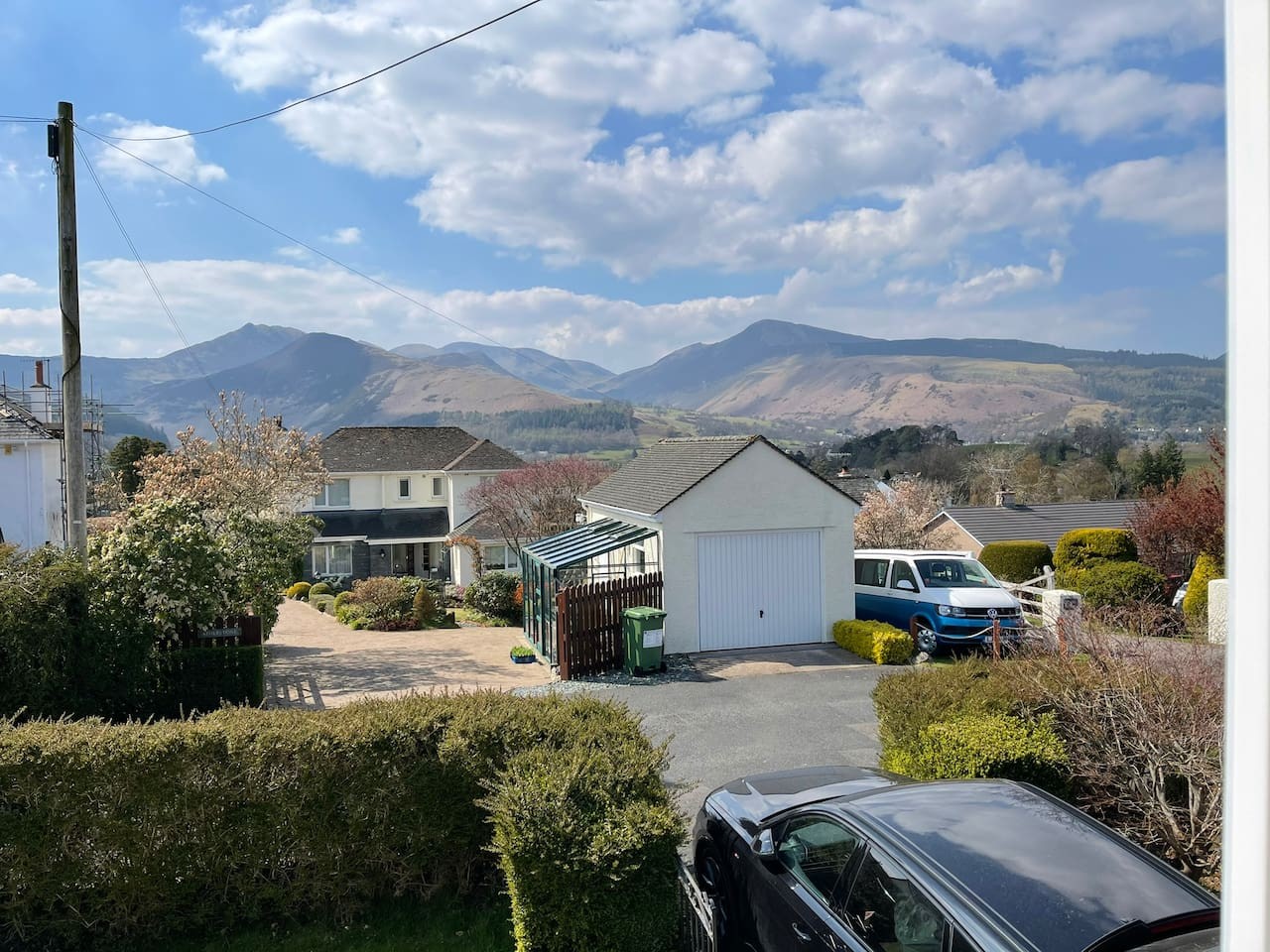
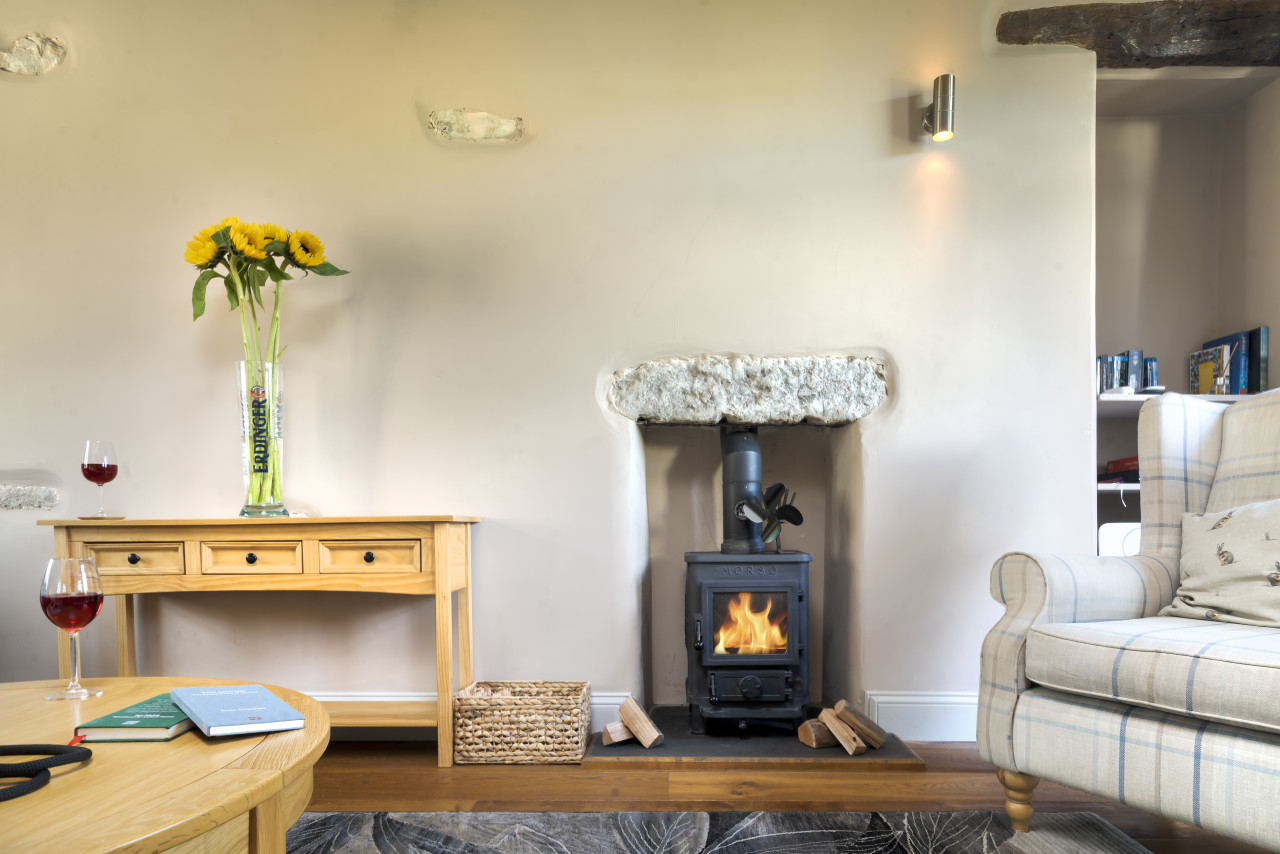
For homeowners
Own a holiday home near Crosthwaite (Lyth Valley)?
We manage holiday lets across the Lake District from 12% commission, charged after cleaning costs, with no lock-in. A co-founder visits before you decide.
Holiday let management in the Lake District →
A guide with a point of view
Written from research. Edited for real journeys.
Use the Official site links for live practical details, then use this guide for context, ideas and room to explore.
Sources
Every place on this page is checked against a published source. Each entry links the record we used and names who publishes it.
- The Punch Bowl Inn — the-punchbowl.co.uk operator, sector body or destination organisation
- St Mary's Church, Crosthwaite — crosthwaiteandlyth.co.uk operator, sector body or destination organisation
- Lyth Valley Floor Walk — crosthwaiteandlyth.co.uk operator, sector body or destination organisation
- Whitbarrow Scar National Nature Reserve — cumbriawildlifetrust.org.uk national body or asset manager
- Scout Scar — lakedistrict.gov.uk statutory register or public authority