
Viking stones, western fells
Gosforth
A west Cumbrian village where an extraordinary Norse-Christian cross stands beside everyday pub life, with Wasdale and the coast as wider outings.
- Best for
- Viking-age history and west Cumbrian walks
- Give it
- A village visit or a longer walking day
- Don't miss
- The carvings of the Gosforth Cross
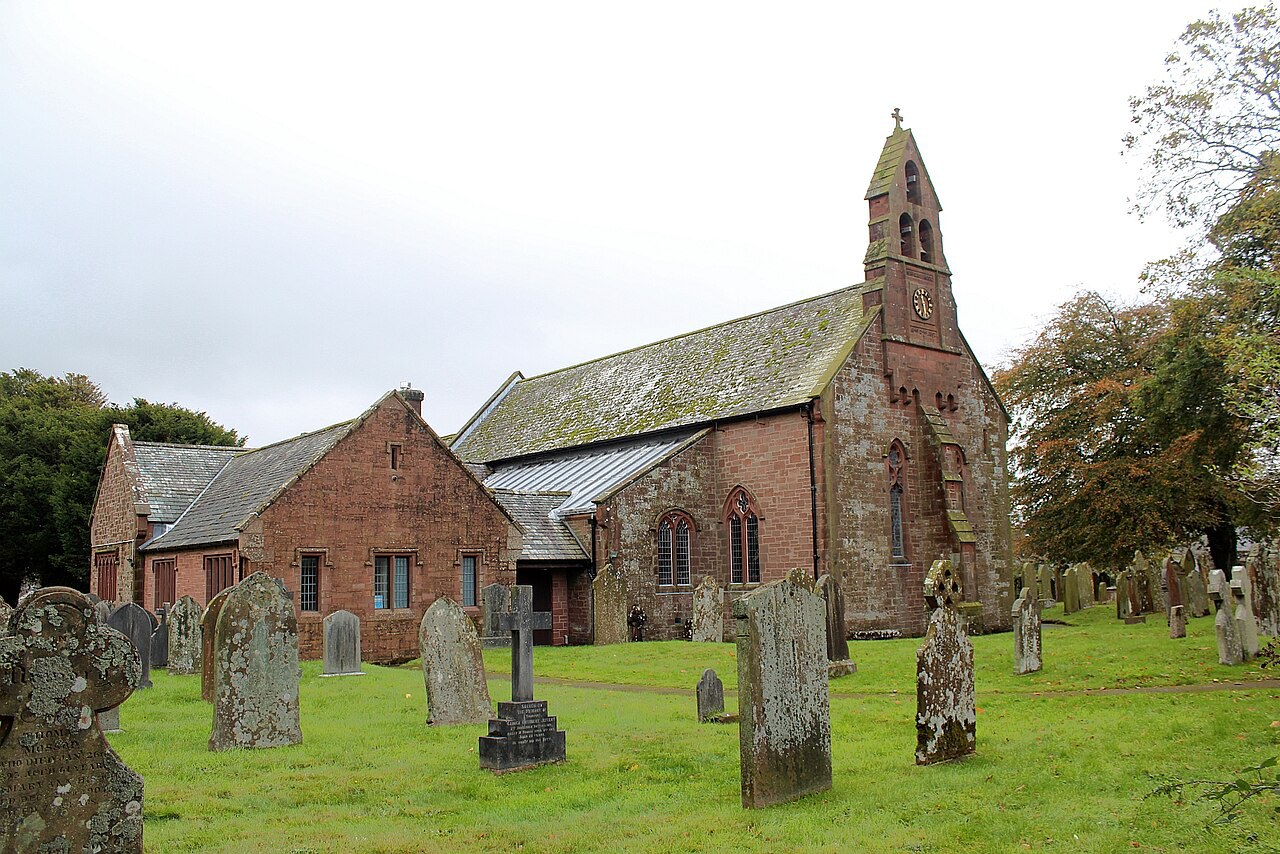
Photo: Bob Embleton · CC BY-SA 2.0 · cropped
The Fox verdict
Come for the cross; stay for the quiet village rhythm
Gosforth sets exceptional Viking-age sculpture inside an otherwise unshowy west Cumbrian village.
Start with the Gosforth Cross and the carved stones inside St Mary's, then choose between a traditional pub pause and a longer route towards Ravenglass.
Your picks, your pace
Make Gosforth yours
Choose a mood or build your own list. Your saved stops are an ordering aid, with a direct map route when you are ready.
Local signatures
3 places
Start here
St Mary's Church, Gosforth
A Grade I church with a 12th-century Norman core, two Viking-age hogback tombs and the carved Fishing Stone.
- Visit length
- Editorial estimate: around 45 minutes
- Locality
- Gosforth village
Gosforth Hall Inn
A traditional inn with Cumbrian real ales, homemade pies, two bars, winter fires and a Mediterranean-inspired beer garden.
- Visit length
- Editorial estimate: around 90 minutes
- Locality
- Gosforth village
The Globe Inn
A large, unpretentious traditional village pub serving food and real ales, with accommodation available.
- Visit length
- Editorial estimate: around 75 minutes
- Locality
- centre of Gosforth village
Walks & outdoors
1 placeRavenglass
A destination for coastal walks from Gosforth.
- Visit length
- Editorial estimate: around 90 minutes
- Locality
- Ravenglass coast
History & heritage
1 placeGosforth Cross
A 14-foot red-sandstone cross from around AD 920–950, with Norse and Christian imagery carved on the same shaft.
- Visit length
- Editorial estimate: around 30 minutes
- Locality
- St Mary's churchyard, Gosforth
No places match this filter. Choose All places to reset the list.
On the map
Gosforth at a glance
Tap a marker to jump to its guide card.
Three ways to explore Gosforth
Signature outings
Read the Gosforth Cross
Follow Norse scenes and Christian imagery around the same red-sandstone shaft.
Walk towards Ravenglass
Follow coastal routes from Gosforth towards Ravenglass.
See St Mary's carved stones
Look for the two Viking-age hogback tombs and the Fishing Stone within the church.
The village story
The cross at the heart of Gosforth
Eight paragraphs move from the churchyard monument to village life, the wider landscape and the carved stones kept inside St Mary's.
A cross above the coastal plain
In the churchyard of St Mary's there is a slender column of red sandstone, fourteen feet tall and about eleven hundred years old. It has stood on this spot since somewhere between 920 and 950 AD, which makes most of what surrounds it look recent. This is the Gosforth Cross, the tallest Viking cross in England, ranked second in importance only to the one at Bewcastle. You can walk up and put your hand on it.
The village itself sits on the coastal plain of west Cumbria, three miles from the sea, with the Screes and the Western Fells rising to the east. Gosforth has no railway station. Seascale station is about 2.5 miles southwest in a straight line; the journey by road is longer. You reach Gosforth by the A595 coast road.
Two village pubs
The pub to head for is the Gosforth Hall Inn, which was CAMRA's West Cumbria Pub of the Year in 2017 and keeps three or four Cumbrian real ales on at all times. The kitchen does cod and chips, homemade lasagne, steak, and around six different homemade pies, alongside smaller tapas-style plates — salt and pepper squid, lamb koftas, chicken fajitas, sweet chilli prawns. Two bars, open fires going in winter, a Mediterranean-inspired beer garden, and staff who keep dog treats behind the bar. Dogs are welcome in the bar, the lounge, the garden, and in most of the rooms.
The Globe Inn, in the centre of the village, is the other option: a large, unpretentious village pub, CAMRA-listed, serving food and real ales, with rooms if you need them.
From the dale to Ragnarök
Nether Wasdale lies about 3.8 miles east of Gosforth in a straight line, and Wasdale Head about 8.1 miles northeast; journeys on foot or by road are longer. In the other direction there are coastal walks toward Ravenglass. A few miles north sits Sellafield, which has been part of the local economy for decades and is a fact of life here rather than a secret.
Back to the cross. The carvings on its shaft show scenes from Norse mythology — Sigyn shielding the bound Loki, Heimdall raising his horn, Víðarr tearing apart the wolf Fenrir, Thor fishing for the Midgard Serpent. These sit on the same stone as Christian imagery, the death and rebirth of the world in Ragnarök set beside the Christian apocalypse and resurrection. The people who raised it were converting, and they carved both faiths at once, apparently on purpose. There is nothing else quite like it anywhere.
The stones kept inside
Inside the church are two hogback tombs, house-shaped Viking-age grave markers, the larger one carved with figures fighting serpents. They turned up during restoration in 1896 to 1897, buried under a twelfth-century wall — someone had deliberately hidden them, probably to keep them safe. There is also the Fishing Stone, a carved fragment showing Thor again, hook and line out for the serpent.
It is a small village doing a very ordinary Cumbrian thing — pub, church, and the dale beyond — while quietly keeping the finest Norse-Christian monument in Europe in its front garden.
Stay around Lake District
Make a longer stay of it
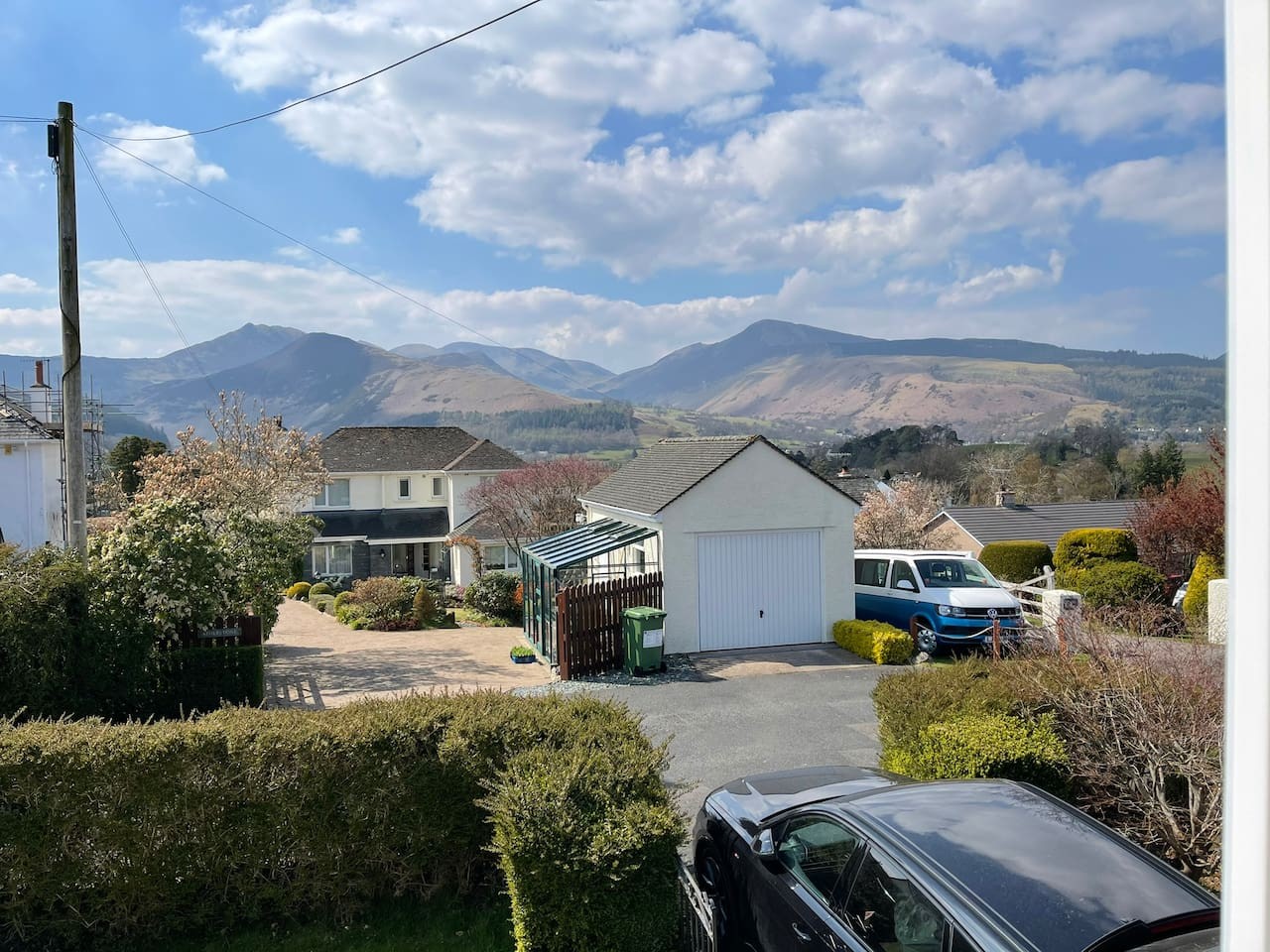
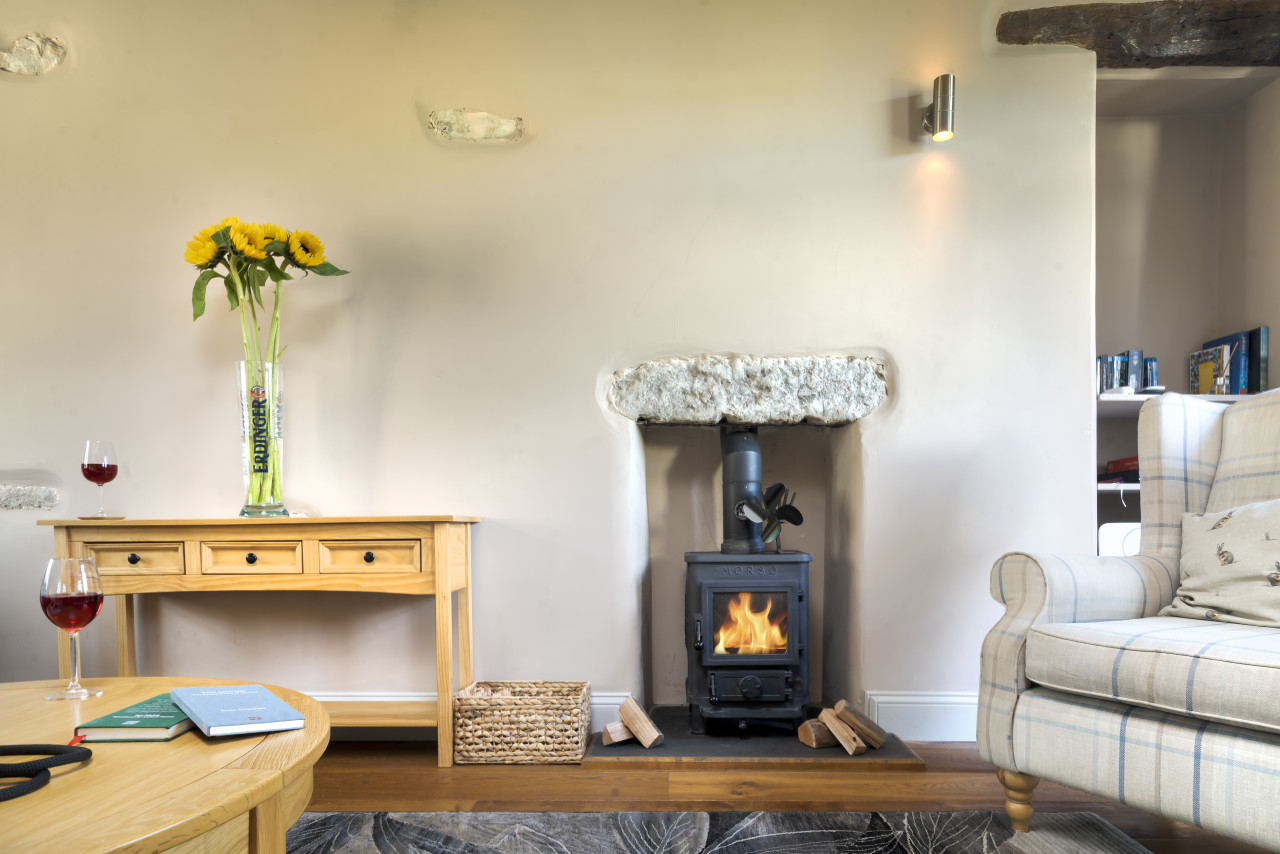
Travel Fox holiday homes around Lake District, linked directly to their property pages.
For homeowners
Own a holiday home near Gosforth?
We manage holiday lets across the Lake District from 12% commission, charged after cleaning costs, with no lock-in. A co-founder visits before you decide.
Holiday let management in the Lake District →
A guide with a point of view
Written from research. Edited for real journeys.
Use the Official site links for live practical details, then use this guide for context, ideas and room to explore.
Photography credits & licences
Third-party photographs are credited to their named creators and reused under the linked Creative Commons licence or public-domain dedication. Travel Fox stores an optimised local copy; the file-specific changes and any browser-applied display crop are disclosed below. Reused photographs link both to the Wikimedia Commons source record and to the declared source image; Travel Fox's own photographs carry no such record and are marked as ours. These image licences do not cover Travel Fox text, branding or page design.
- File:St Mary's Church, Gosforth.jpg — photograph by Bob Embleton; Bob Embleton. Source record on Wikimedia Commons. Declared source image. Licence: CC BY-SA 2.0. File changes: Downloaded from Wikimedia Commons, resized to a maximum 1920px edge and encoded as an optimised JPEG. Display changes: Displayed with responsive CSS cropping.
Sources
Every place on this page is checked against a published source. Each entry links the record we used and names who publishes it.
- Gosforth Cross — historicengland.org.uk statutory register or public authority record not machine-readable; publisher restricts automated access
- St Mary's Church, Gosforth — historicengland.org.uk statutory register or public authority record not machine-readable; publisher restricts automated access
- Gosforth Hall Inn — gosforthhall.co.uk operator, sector body or destination organisation
- The Globe Inn — globeinngosforth.co.uk operator, sector body or destination organisation
- Ravenglass — lakedistrict.gov.uk statutory register or public authority