
Between fell and water
Torver
A small village between Coniston and the Duddon Valley, with the lake shore to the east, open common and high fells nearby.
- Best for
- Quiet lakeside and fell walking
- Give it
- A half-day, or longer for the Old Man
- Don't miss
- Torver's alternative south-ridge approach
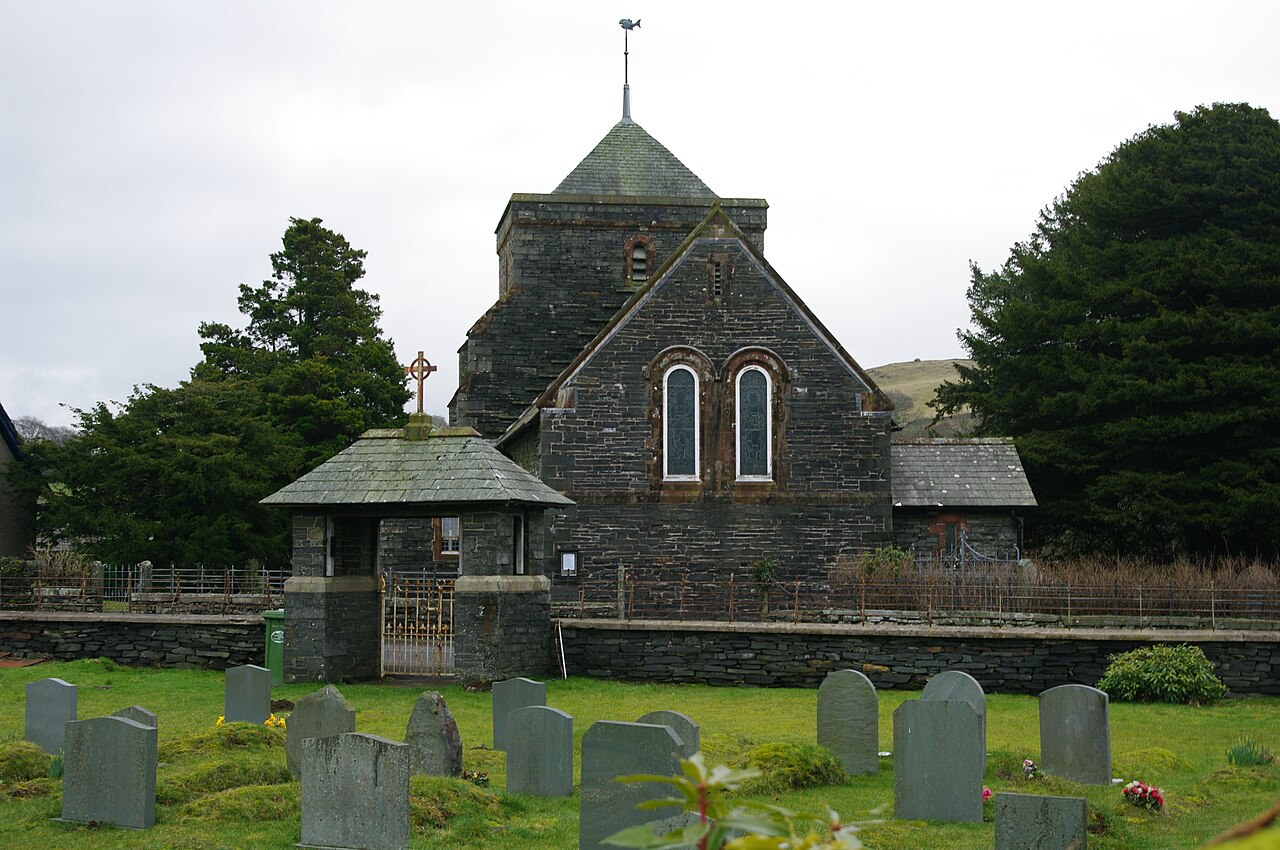
Photo: clive dyke · CC BY-SA 2.0 · cropped
The Fox verdict
A walking base with more landscape than bustle
Torver suits walkers choosing between the shore of Coniston Water, open common and a quieter approach to the high fells.
The village is small, but its position does the work: Coniston Water lies to the east, Torver Common and its tarns rise above the houses, and the Old Man of Coniston can be reached on a published circuit via Dow Crag. St Luke's and the Church House Inn, now offering rooms and camping but with its pub and restaurant closed, are two landmarks.
Where to go
Places in Torver
Every place below is checked against a published source, listed with what it is and how long to give it.
Local signatures
3 placesThe Church House Inn
A long-established Torver inn offering rooms and camping. Its official site currently says the pub and restaurant are closed.
- Visit length
- Editorial estimate: allow around 40 minutes to arrive and settle in; overnight stays vary.
- Locality
- Torver village
- Access
- Check the official site for current rooms and camping; the pub and restaurant are closed.
Coniston Water Western Shore
Lakeside paths on the western shore of Coniston Water; the national park publishes a 3.5 km route between Coniston and Torver Jetty.
- Visit length
- Editorial estimate: allow 2–3 hours for Visit Lake District's published four-mile western-shore route.
- Locality
- western shore of Coniston Water
Torver Common and Beck
Open common land with tarns above the village, with Torver Beck running down through the landscape.
- Visit length
- Editorial estimate: allow around 1 hour 30 minutes; choose a suitable route before setting out.
- Locality
- above Torver village
Walks & outdoors
1 placeOld Man of Coniston: Torver Approach
A demanding 12.6 km published circuit from Little Arrow that ascends via Torver Beck, Dow Crag and Goat's Hause to the 803-metre Old Man of Coniston, then descends its south ridge.
- Visit length
- Editorial estimate: allow at least 5 hours for the published 12.6 km route from Little Arrow.
- Locality
- Coniston fells, approached from Torver
History & heritage
1 place
St Luke's Church, Torver
The village church stands on a site where a chapel was recorded in 1538; the present building was rebuilt in 1849.
- Visit length
- Editorial estimate: allow around 20 minutes
- Locality
- Torver village
- Access
- The church says it opens during services; contact the churchwardens before planning an interior visit.
No places match this filter. Choose All places to reset the list.
Three ways to explore Torver
Signature outings
Climb via Dow Crag
The published Little Arrow circuit ascends via Torver Beck, Dow Crag and Goat's Hause, then descends the south ridge; allow a demanding fell day.
Pause at St Luke's
Connect a chapel recorded on the site in 1538 with the church rebuilt in 1849.
Walk the western shore
Explore the western shore using a published lakeside route; choose a start point before setting out.
The village story
Torver: where the walking day gathers
An inn, a quiet shore and the fells explain how this small village works.
The inn at the centre
The Church House Inn has welcomed travellers to Torver for centuries. The traditional inn now offers rooms and camping; its own site says the pub and restaurant are closed. It sits in the village, between the Coniston fells and the western shore of Coniston Water.
The accommodation includes double and twin rooms, a bunk room and a studio, with camping beside the inn. Check the inn's own site for current availability before planning a stay.
From campsite to high fell
The inn has long been a landmark for people passing between Coniston and the southern fells. Its gardens face a landscape of walks and lakes, with the Old Man of Coniston above the village.
The walkers come for the Old Man of Coniston, which rises to 803 metres north of the village. Most people start their climb from Coniston itself, but a published circuit from Little Arrow ascends via Torver Beck, Dow Crag and Goat's Hause, then descends the south ridge. If you'd rather stay level, paths along the western shore of Coniston Water lie to the east. The national park describes a shoreline route between Coniston and Torver Jetty. Above the village, Torver Common opens out into open land with tarns, and Torver Beck runs down through it.
A chapel and a vanished railway
The village has a church, St Luke's. A chapel was recorded on the site in 1538; the building you see now was rebuilt in 1849.
Torver once had a railway. The Coniston branch of the Furness Railway opened in 1859 to carry slate out and tourists in, and Torver had its own station. The line closed in 1958, and the slate industry that built it — the quarrying that once characterised this whole part of Coniston — has gone the same way. What's left is the walking, the water, and the fells.
Arrival and the walking-day rhythm
Getting here now means the A593, which passes through Torver between Coniston and the south. Buses use this corridor, but services are limited, so check the timetable before travelling.
The village sits between Coniston and the Duddon Valley, small and mostly quiet, with the Old Man standing over it. Walkers can choose between the shore, the common and the higher fells.
Stay around Lake District
Make a longer stay of it
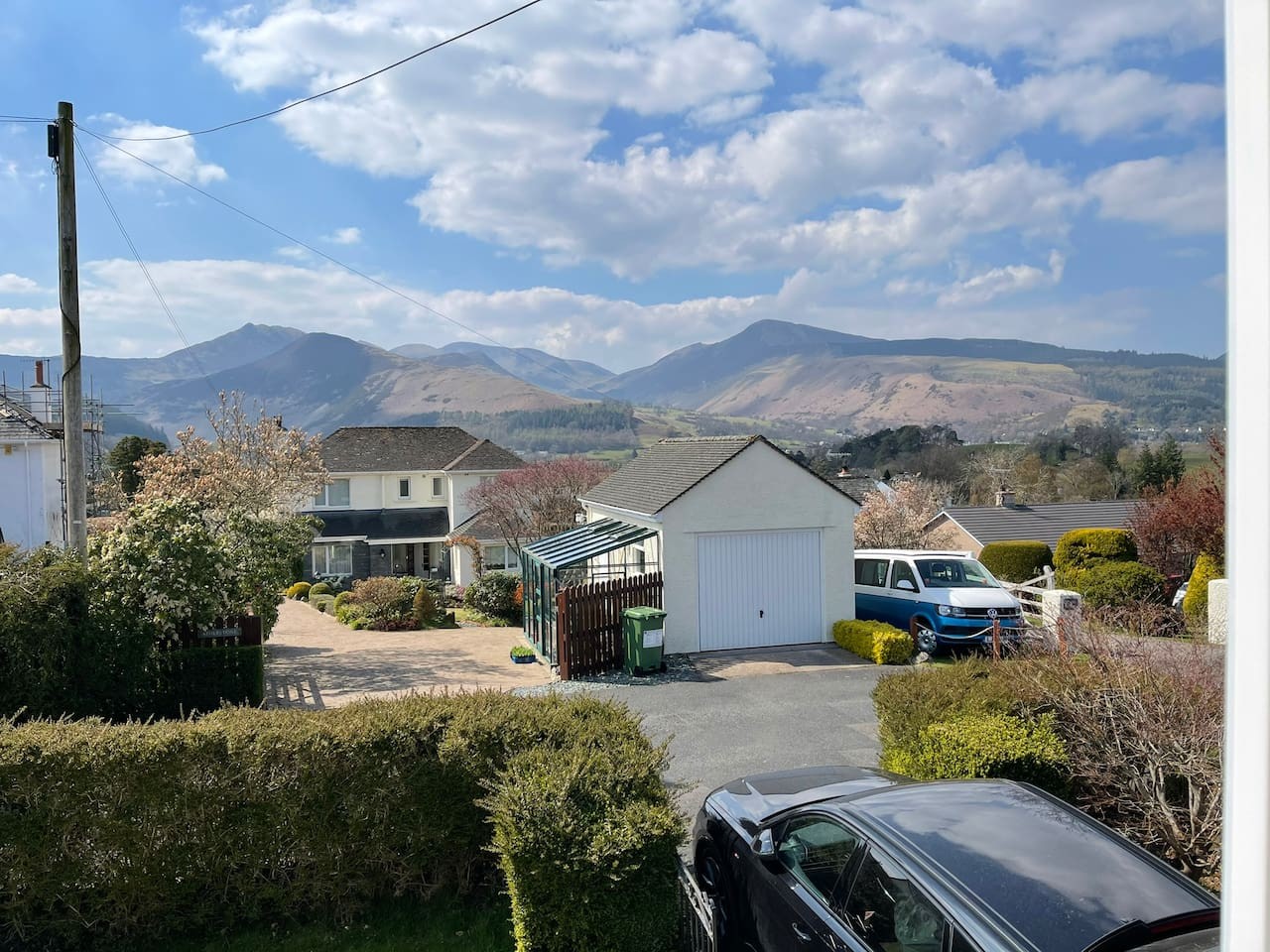
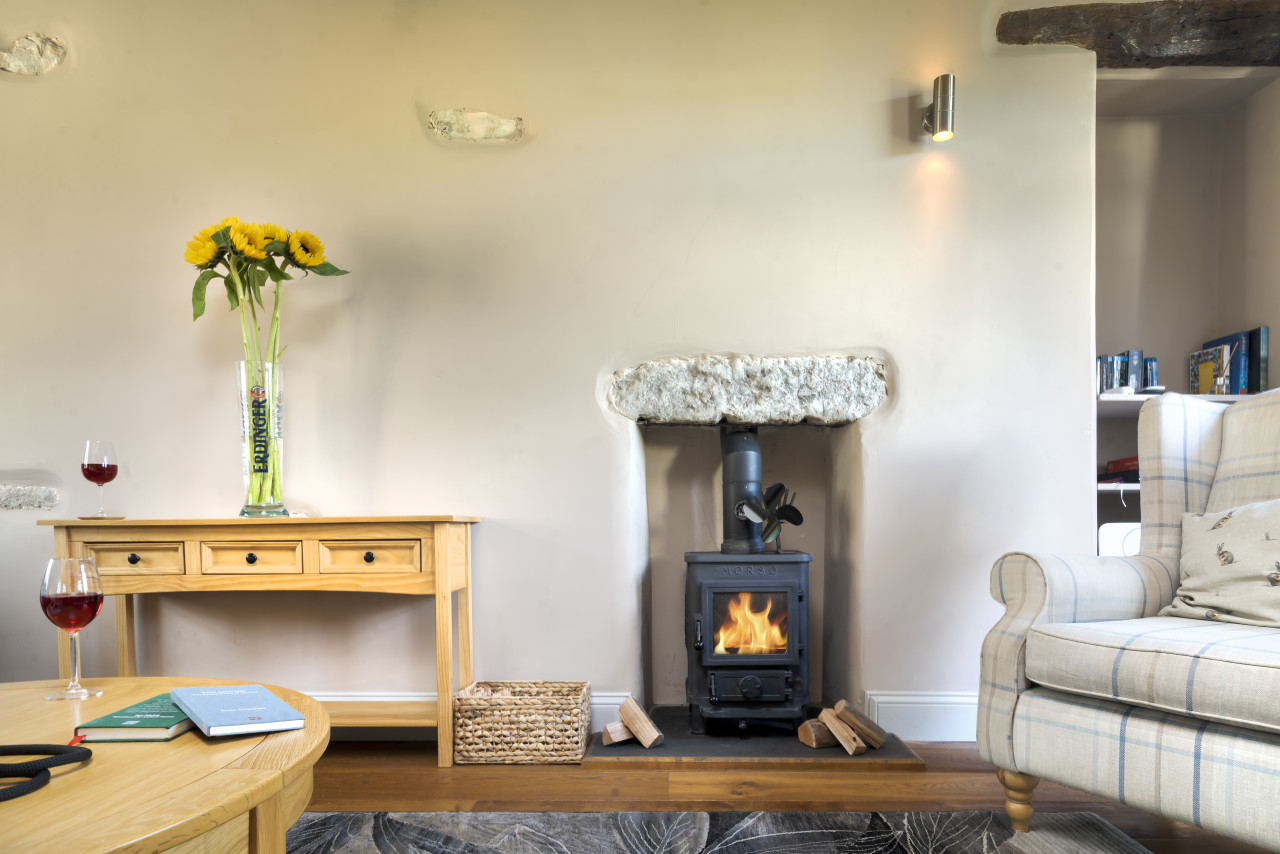
Travel Fox holiday homes around Lake District, linked directly to their property pages.
For homeowners
Own a holiday home near Torver?
We manage holiday lets across the Lake District from 12% commission, charged after cleaning costs, with no lock-in. A co-founder visits before you decide.
Holiday let management in the Lake District →
A guide with a point of view
Written from research. Edited for real journeys.
Use the Official site links for live practical details, then use this guide for context, ideas and room to explore.
Photography credits & licences
Third-party photographs are credited to their named creators and reused under the linked Creative Commons licence or public-domain dedication. Travel Fox stores an optimised local copy; the file-specific changes and any browser-applied display crop are disclosed below. Reused photographs link both to the Wikimedia Commons source record and to the declared source image; Travel Fox's own photographs carry no such record and are marked as ours. These image licences do not cover Travel Fox text, branding or page design.
- File:St Luke's Church, Torver - geograph.org.uk - 2322403.jpg — photograph by clive dyke; St Luke's Church, Torver by clive dyke. Source record on Wikimedia Commons. Declared source image. Licence: CC BY-SA 2.0. File changes: Downloaded from Wikimedia Commons, resized to a maximum 1920px edge and encoded as an optimised JPEG. Display changes: Displayed with responsive CSS cropping.
Sources
Every place on this page is checked against a published source. Each entry links the record we used and names who publishes it.
- The Church House Inn — thechurchhouseinn.com operator, sector body or destination organisation record not machine-readable; publisher restricts automated access
- St Luke's Church, Torver — achurchnearyou.com national body or asset manager
- Old Man of Coniston: Torver Approach — thegreatoutdoorsmag.com other published source
- Coniston Water Western Shore — visitlakedistrict.com operator, sector body or destination organisation
- Torver Common and Beck — sunnybankfarm.co.uk operator, sector body or destination organisation