
The quieter western Lakes
Ulpha (Duddon Valley)
A scattered riverside village where a whitewashed church, open fells and the River Duddon set the pace.
- Best for
- Fell walking and quiet valley scenery
- Give it
- Half a day, longer with a fell walk
- Don't miss
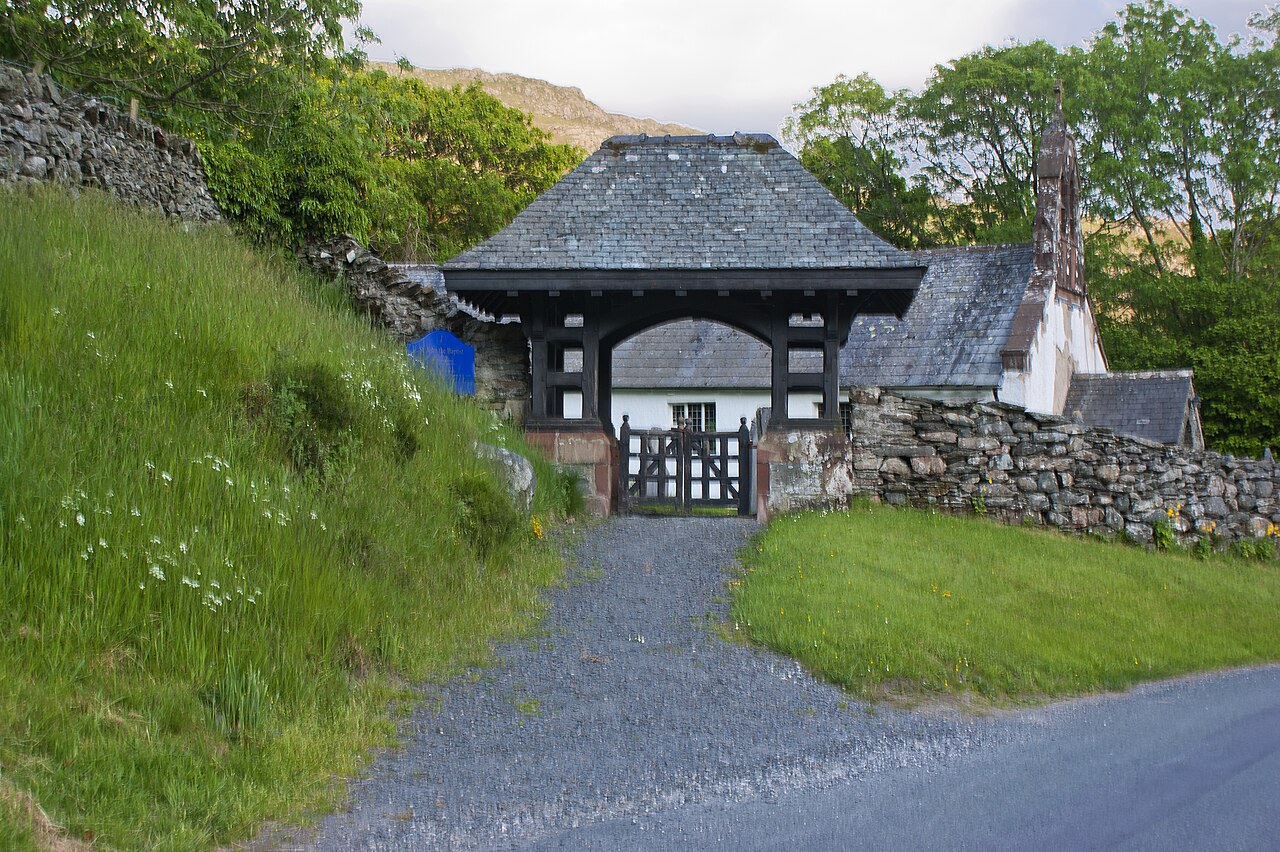
- The isolated whitewashed church
Photo: Ian Greig · CC BY-SA 2.0 · cropped
The Fox verdict
Come for the valley, not a village checklist
Ulpha is a sparse base for the Duddon: a church and direct access to roads and walks that feel far from the central Lakes.
The strongest day here moves between the whitewashed church, the River Duddon and the open ground above the houses. The road over Birker Fell provides the dramatic high ground, while Seathwaite adds the valley's historic inn.
Where to go
Places in Ulpha (Duddon Valley)
Every place below is checked against a published source, listed with what it is and how long to give it.
Local signatures
3 places
Start here
St John the Baptist Church
Ulpha's isolated whitewashed church was first recorded in the thirteenth century; the present stone building dates to the seventeenth century and began as a chapel of ease for Millom.
- Visit length
- Editorial estimate: Allow around 40 minutes
- Locality
- Ulpha
Duddon Valley
The narrow Duddon Valley surrounds Ulpha with the River Duddon, open moorland and fell walking beneath rugged western fells.
- Visit length
- Editorial estimate: Allow around 90 minutes
- Locality
- Ulpha and the Duddon Valley
Birker Fell
The minor road from Ulpha crosses Birker Fell to Eskdale through dramatic open moorland, making the high-level journey part of the visit.
- Visit length
- Editorial estimate: Allow around 60 minutes
- Locality
- between Ulpha and Eskdale
Food & drink
1 placeNewfield Inn
A sixteenth- or seventeenth-century Lakeland inn known for steaks, Sunday roast and takeaway food; William and Dorothy Wordsworth stayed here in 1804.
- Visit length
- Editorial estimate: Allow around 90 minutes
- Locality
- Seathwaite
Walks & outdoors
1 placeDunnerdale Fells
The fells above Ulpha offer a path across open upland toward Stickle Pike, as described in a Yorkshire Ramblers' Club meet report.
- Visit length
- Editorial estimate: Allow around 2 hours
- Locality
- above Ulpha toward Stickle Pike
No places match this filter. Choose All places to reset the list.
Three ways to explore Ulpha (Duddon Valley)
Signature outings
Find the whitewashed church
Approach St John the Baptist across its isolated valley setting and see the seventeenth-century building that began as Millom's chapel of ease.
Explore the Dunnerdale Fells
A path from Ulpha crosses the Dunnerdale Fells toward Stickle Pike, as described by the Yorkshire Ramblers' Club.
Call at the Newfield Inn
The Newfield Inn in Seathwaite is about 2.7 miles from Ulpha in a straight line; the road journey is longer.
The village story
Ulpha: a church, a river and the road over the fell
The original Travel Fox guide follows a sparse settlement through church history, Wordsworth's valley, fell walking and the slow road in.
The Whitewashed Church and Scattered Village
St John the Baptist Church sits whitewashed and alone in the valley, which is a fair summary of Ulpha itself. The present stone building dates to the seventeenth century, though a church here was first recorded in the thirteenth and first drawn on a map in 1577. It began as a chapel of ease for Millom, several miles off, and its isolation was the point — you came to it across open ground, and you still do.
Ulpha is a scattering of houses along the Duddon, one of the quietest and least-disturbed valleys in the Lake District. The river runs north to south between the high western fells and Broughton-in-Furness, and the village arranges itself loosely along it.
The Valley Inn and the Poet
There is no pub in the village. The Newfield Inn in Seathwaite is about 2.7 miles from Ulpha in a straight line; the road journey is longer. It is a sixteenth- or seventeenth-century Lakeland inn and the most famous in the Duddon Valley. Steaks are the speciality. The Sunday roast is roast beef with roast and creamed potatoes, fresh seasonal vegetables, a homemade Yorkshire pudding and real pan gravy. Food is served all day, and there is a takeaway menu if you would rather carry it back down the valley.
William Wordsworth stayed at the Newfield Inn in 1804 with his sister Dorothy. The visit produced a sequence of thirty-five sonnets about the River Duddon, published in 1820, following the river from its source on Wrynose down to the sea. He called it "the loveliest of all valleys." He also wrote a verse in praise of a visit to the Ulpha church, which suggests he got about a bit while he was here.
Walking the Fells and Following the Duddon
The walking is the main reason to come. The road out of Ulpha climbs over Birker Fell to Eskdale, one of the minor high passes of the western Lakes, across dramatic open moorland — Birker Fell reaches 417 metres and links the valley to Eskdale to the north. Above the houses lie the Dunnerdale Fells, and the whole Duddon Valley runs from Seathwaite to the sea for anyone inclined to trace Wordsworth's route in reverse.
The Slow Road In
Getting here takes some doing, which keeps the crowds thin. There is no railway and no regular bus. You come by car along the narrow valley road from Broughton-in-Furness, or over the top from Eskdale by way of Birker Fell, and either way you drive slowly and pull into passing places.
Wolf Hill and the Last View
The name is older than any of it. "Ulpha" comes from the Old Norse ulfhaugr, meaning the hill frequented by wolves. The wolves are long gone. The whitewashed church still stands out against the fellside, catching the light on the way down from Birker Fell, the first thing you see and the last.
Stay around Lake District
Make a longer stay of it
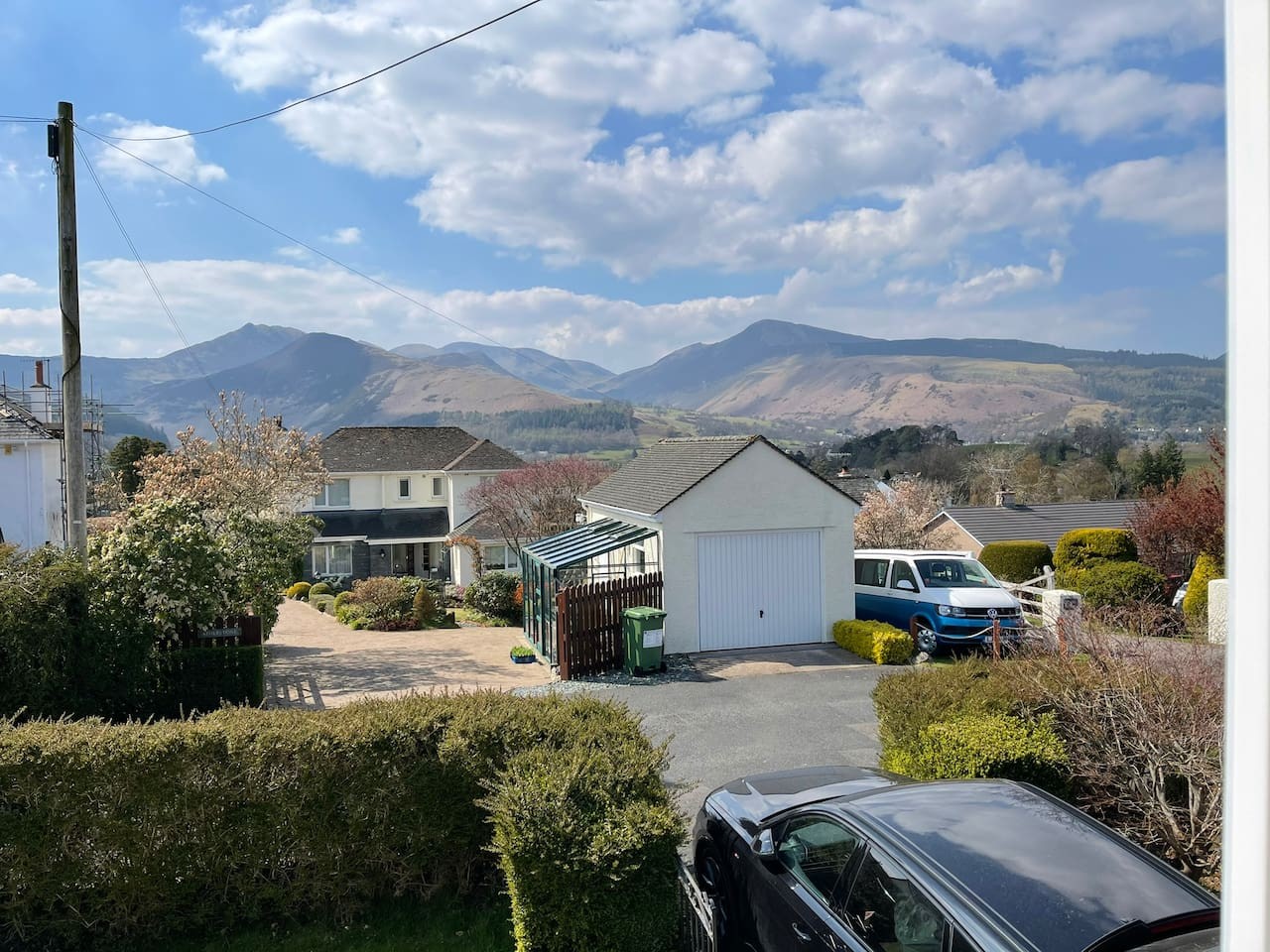
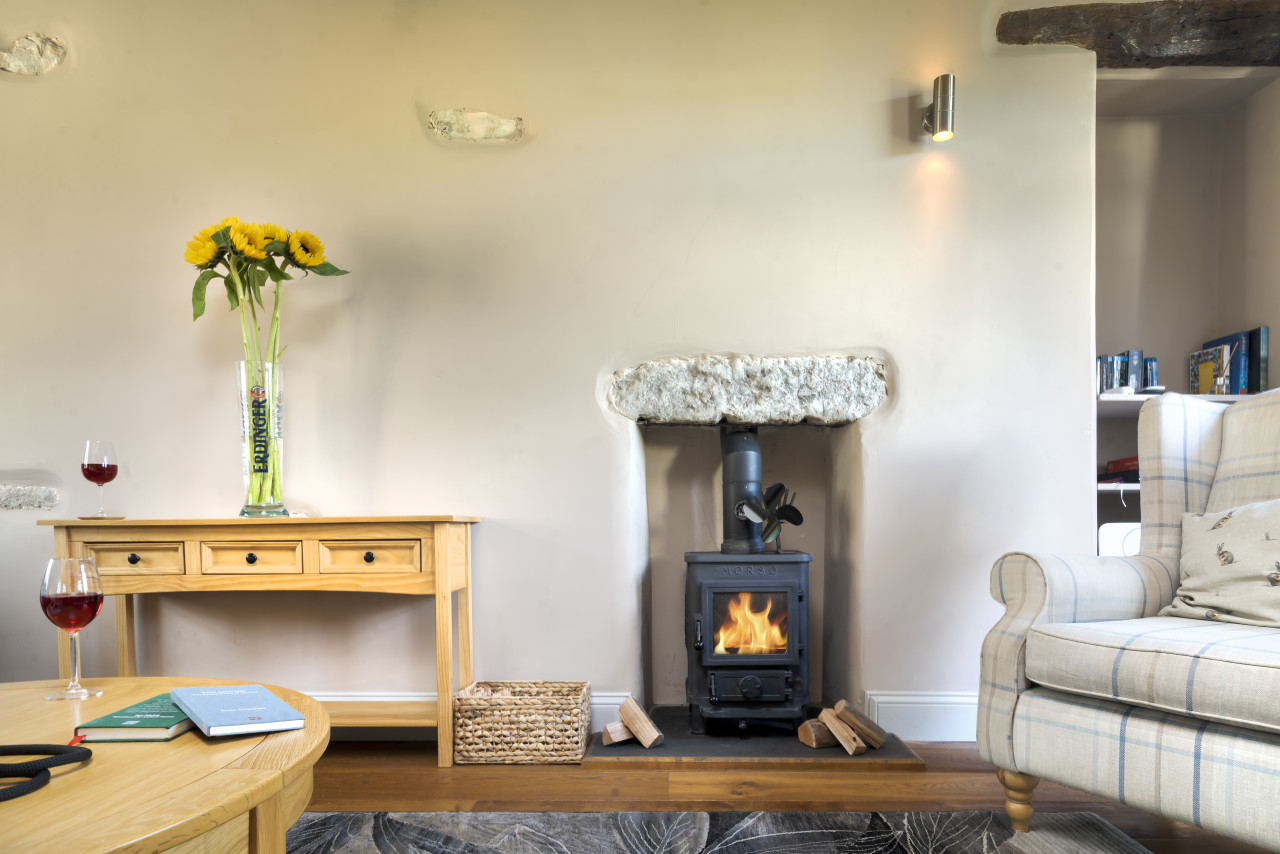
Travel Fox holiday homes around Lake District, linked directly to their property pages.
For homeowners
Own a holiday home near Ulpha (Duddon Valley)?
We manage holiday lets across the Lake District from 12% commission, charged after cleaning costs, with no lock-in. A co-founder visits before you decide.
Holiday let management in the Lake District →
A guide with a point of view
Written from research. Edited for real journeys.
Use the Official site links for live practical details, then use this guide for context, ideas and room to explore.
Photography credits & licences
Third-party photographs are credited to their named creators and reused under the linked Creative Commons licence or public-domain dedication. Travel Fox stores an optimised local copy; the file-specific changes and any browser-applied display crop are disclosed below. Reused photographs link both to the Wikimedia Commons source record and to the declared source image; Travel Fox's own photographs carry no such record and are marked as ours. These image licences do not cover Travel Fox text, branding or page design.
- File:The Church of St John the Baptist, Ulpha - geograph.org.uk - 3501998.jpg — photograph by Ian Greig; The Church of St John the Baptist, Ulpha by Ian Greig. Source record on Wikimedia Commons. Declared source image. Licence: CC BY-SA 2.0. File changes: Downloaded from Wikimedia Commons, resized to a maximum 1920px edge and encoded as an optimised JPEG. Display changes: Displayed with responsive CSS cropping.
Sources
Every place on this page is checked against a published source. Each entry links the record we used and names who publishes it.
- St John the Baptist Church — achurchnearyou.com national body or asset manager
- Newfield Inn — newfieldinn.co.uk operator, sector body or destination organisation
- Duddon Valley — visitlakedistrict.com operator, sector body or destination organisation
- Birker Fell — cumberland.gov.uk statutory register or public authority
- Dunnerdale Fells — yrc.org.uk operator, sector body or destination organisation