
Railway town, fell views
Windermere
A hillside railway town with a first fell that has steep sections, Victorian history and traditional pubs in nearby Bowness.
- Best for
- Short fell walks, rail arrivals and relaxed pub stops
- Give it
- A well-paced half day
- Don't miss
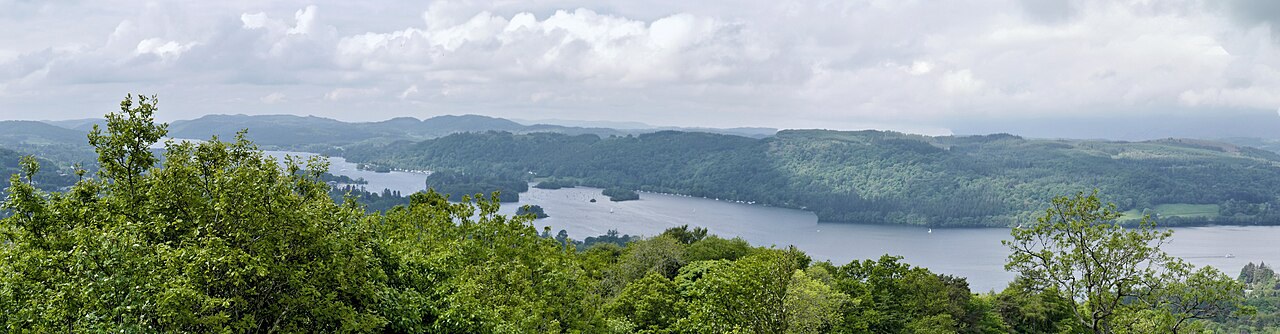
- The panorama from Orrest Head
Photo: David Dixon · CC BY-SA 2.0 · cropped
The Fox verdict
A practical base with a view worth earning
Windermere pairs rail and bus links with a route onto Orrest Head that includes steep sections.
The town sits on the hillside above the lake, making it a useful base for a short fell walk, Victorian history and onward journeys through the central Lakes. Nearby Bowness adds traditional inns when you want to continue towards the water.
Your picks, your pace
Make Windermere yours
Choose a mood or build your own list. Your saved stops are an ordering aid, with a direct map route when you are ready.
Local signatures
3 placesThe Crafty Baa
A Victoria Street craft-beer bar with more than 100 beers and casual choices including boards, baked camembert, grilled sandwiches, pizzas and wraps.
- Visit length
- Editorial estimate: Allow around 1 hour 15 minutes
- Locality
- Victoria Street, Windermere
The Angel Inn
A traditional Bowness inn serving freshly cooked British pub classics, Cumbrian dishes, modern twists and children's choices.
- Visit length
- Editorial estimate: Allow around 1 hour 30 minutes
- Locality
- Bowness-on-Windermere
St Mary's Church
A Grade II-listed Victorian church built in phases after the railway arrived, with later work by Paley & Austin.
- Visit length
- Editorial estimate: Allow around 35 minutes
- Locality
- Ambleside Road, Windermere
Food & drink
1 place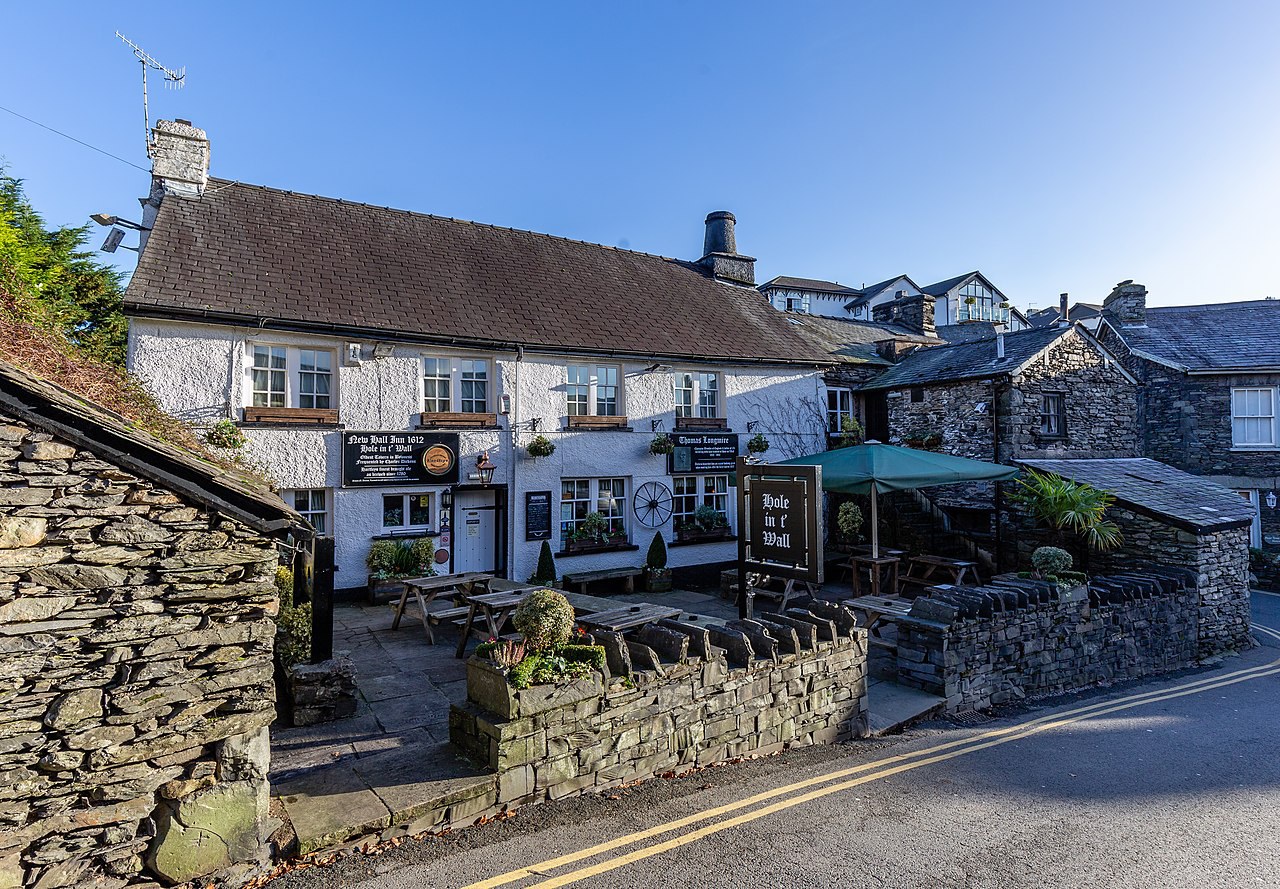
Hole in t' Wall
A traditional Bowness pub with origins traced to 1612, stone-flagged floors, oak panelling, low beams and log fires.
- Visit length
- Editorial estimate: Allow around 1 hour 15 minutes
- Locality
- Bowness-on-Windermere
Walks & outdoors
1 place
Orrest Head
A 3.5 km return walk through Elleray Wood to panoramic lake and fell views, graded 'For some' because it has steep and occasionally challenging sections.
- Visit length
- Editorial estimate: Allow around 1 hour 30 minutes
- Locality
- Orrest Head walk from Windermere
History & heritage
1 place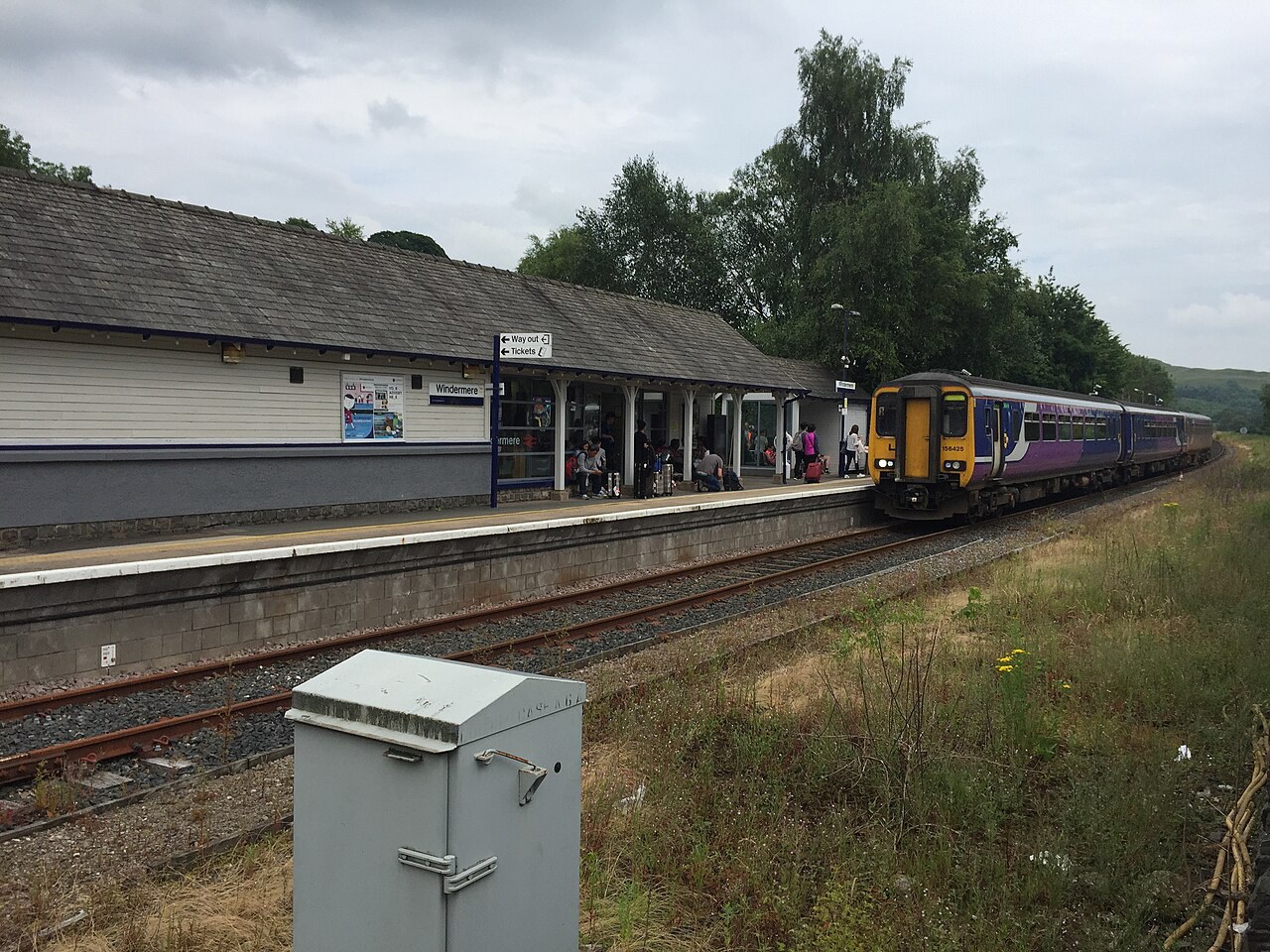
Windermere railway station
The terminus of the Windermere branch from Oxenholme, linking the town with the West Coast Main Line and connections towards Manchester Airport.
- Visit length
- Editorial estimate: Allow around 15 minutes
- Locality
- Windermere
No places match this filter. Choose All places to reset the list.
On the map
Windermere at a glance
Tap a marker to jump to its guide card.
Three ways to explore Windermere
Signature outings
Find the Orrest Head panorama
Follow the restored Victorian carriageway through Elleray Wood, then use the compass seating at the summit to pick out the fells.
Pause at Hole in t' Wall
The pub's heated patio offers another place to pause after the walk down to Bowness.
Start at the branch terminus
All platforms have step-free access, and buses connect at the station for onward journeys.
The town story
Windermere: the town the railway made
Arrive by rail, climb to the view from Orrest Head, then follow Windermere's streets towards the lake and nearby Bowness.
From Birthwaite to a railway town
The Kendal and Windermere Railway reached Birthwaite in April 1847. Its terminus brought visitors into the hills and gave the settlement the name Windermere.
The new town grew around its uphill terminus, with hotels serving visitors bound for the lake. Bowness remained the lakeside settlement below.
Booths occupies the Old Station site on Victoria Street, close to the railway terminus. Its food counters and café make it a useful first stop before heading into Windermere or setting out for the fells.
A short turn off Main Road brings you to the National Park Print Shop on Crescent Road. Its Windermere shop and Risograph studio carry art prints, pins, patches and stickers by independent artists inspired by the outdoors.
Tables, taps and town character
Hooked, on Ellerthwaite Square, serves British seafood, including fish and hand-dived scallops, with seasonal produce.
Francine's on Main Road is a restaurant and coffee house with a bistro-style à la carte menu and daily additions boards.
The Crafty Baa on Victoria Street focuses on beer, with more than a hundred craft choices. It also serves food and welcomes dogs, making it an informal stop in central Windermere.
The Elleray on Cross Street combines a traditional pub, restaurant and rooms, with a beer garden, real ales and live music.
Coffee, old inns and first summits
Homeground Coffee + Kitchen pairs speciality coffee with daytime dining in Windermere.
Follow the hill down towards Bowness to find Hole in t' Wall, originally called the New Hall Inn. Built in 1612, it took its present name from a gap in the wall through which a neighbouring blacksmith received beer while he worked. It serves Robinsons ales and pub food, with a patio outside.
Orrest Head was Alfred Wainwright's first Lakeland fell. A 3.5 km return route begins beside the lower entrance to the Windermere Hotel and climbs through Elleray Wood to a 238-metre summit. The initial gradient reaches 1:4, and there are steep sections higher up. Compass seating helps visitors identify the surrounding fells. In 1902, Arthur Henry Heywood's widow and daughter gave the hill to the town for public enjoyment as his memorial.
School Knott and Brant Fell offer other viewpoints near Windermere and Bowness. Choose a route suited to the day's conditions and allow time for the climb and descent.
Lake access, Arts and Crafts, and churches
Millerground gives visitors public access to Windermere's shore. Blue-green algae blooms can harm people and animals, including dogs.
Windermere Lake Cruises connects Bowness, Ambleside and Lakeside. The Freedom of the Lake ticket covers scheduled sailings for 24 hours, while the council's vehicle ferry uses separate tickets. Windermere is England's largest lake and about 10.5 miles long.
Blackwell, south of Bowness, is a Grade I-listed Arts and Crafts house designed by Mackay Hugh Baillie Scott and now used for craft exhibitions. It lies about 2.7 miles from Windermere town centre in a straight line; the road journey is longer.
St Mary's Church in Windermere began as a chapel in 1848 and expanded in stages, with major work by Paley and Austin in 1881–82. It is Grade II listed. In Bowness, the Grade I-listed St Martin's stands on a church site recorded since 1203; its present building dates largely from around 1480 and retains medieval glass.
The railway argument and the town today
Wordsworth's sonnet against the proposed Kendal and Windermere Railway appeared in the Morning Post in October 1844. The railway opened in 1847 despite his campaign. Wordsworth died in 1850, three years after trains reached Windermere.
Windermere station connects the town with Oxenholme on the West Coast Main Line. The 555 bus links the station with Ambleside, Grasmere and Keswick.
The branch still terminates in Windermere. From the platform, visitors can explore the town, continue downhill to Bowness, or climb through Elleray Wood for views over the lake.
Stay around Lake District
Make a longer stay of it
Travel Fox holiday homes around Lake District, linked directly to their property pages.
For homeowners
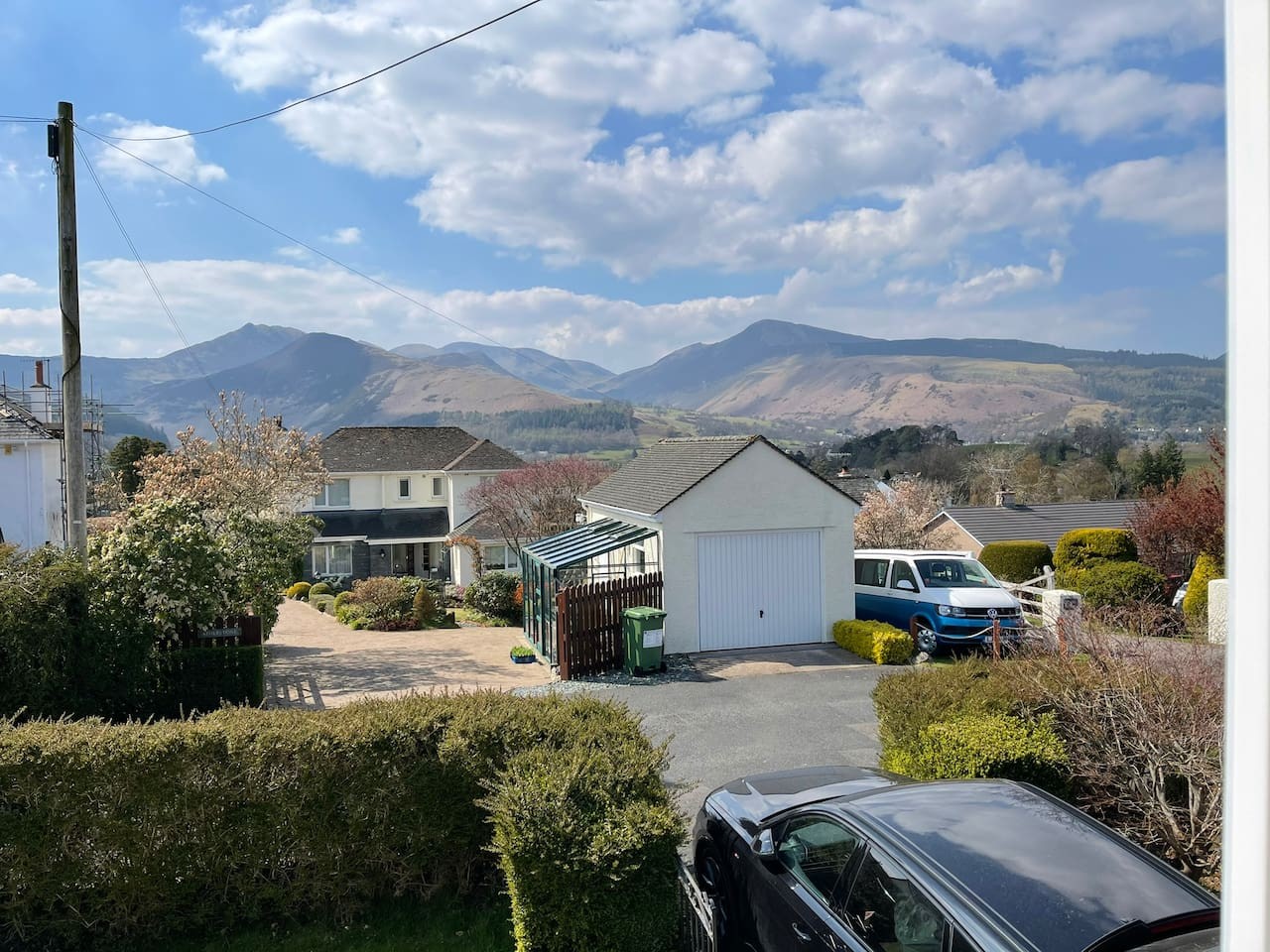
Own a holiday home near Windermere?
We manage holiday lets across the Lake District from 12% commission, charged after cleaning costs, with no lock-in. A co-founder visits before you decide.
Holiday let management in the Lake District →
A guide with a point of view
Written from research. Edited for real journeys.
Use the Official site links for live practical details, then use this guide for context, ideas and room to explore.
Photography credits & licences
Third-party photographs are credited to their named creators and reused under the linked Creative Commons licence or public-domain dedication. Travel Fox stores an optimised local copy; the file-specific changes and any browser-applied display crop are disclosed below. Reused photographs link both to the Wikimedia Commons source record and to the declared source image; Travel Fox's own photographs carry no such record and are marked as ours. These image licences do not cover Travel Fox text, branding or page design.
- File:Windermere (South) from Orrest Head - geograph.org.uk - 4009223.jpg — photograph by David Dixon; Windermere (South) from Orrest Head by David Dixon. Source record on Wikimedia Commons. Declared source image. Licence: CC BY-SA 2.0. File changes: Downloaded from Wikimedia Commons, resized to a maximum 1920px edge and encoded as an optimised JPEG. Display changes: Displayed with responsive CSS cropping.
- File:Hole in t'Wall public house, Bowness-on-Windermere, England.jpg — photograph by Michal Klajban; Own work. Source record on Wikimedia Commons. Declared source image. Licence: CC BY-SA 4.0. File changes: Downloaded from Wikimedia Commons, resized to a maximum 1920px edge and encoded as an optimised JPEG. Display changes: Displayed with responsive CSS cropping.
- File:Windermere railway station - geograph.org.uk - 6178464.jpg — photograph by Andrew Abbott; Windermere railway station by Andrew Abbott. Source record on Wikimedia Commons. Declared source image. Licence: CC BY-SA 2.0. File changes: Downloaded from Wikimedia Commons, resized to a maximum 1920px edge and encoded as an optimised JPEG. Display changes: Displayed with responsive CSS cropping.