
Windermere's quieter shore
Wray
A scattered hamlet of woodland paths, lake views and a mock-Gothic landmark on Windermere's quiet western shore.
- Best for
- Lakeshore walks and woodland quiet
- Give it
- A slow half day
- Don't miss
- The western-shore path through woodland
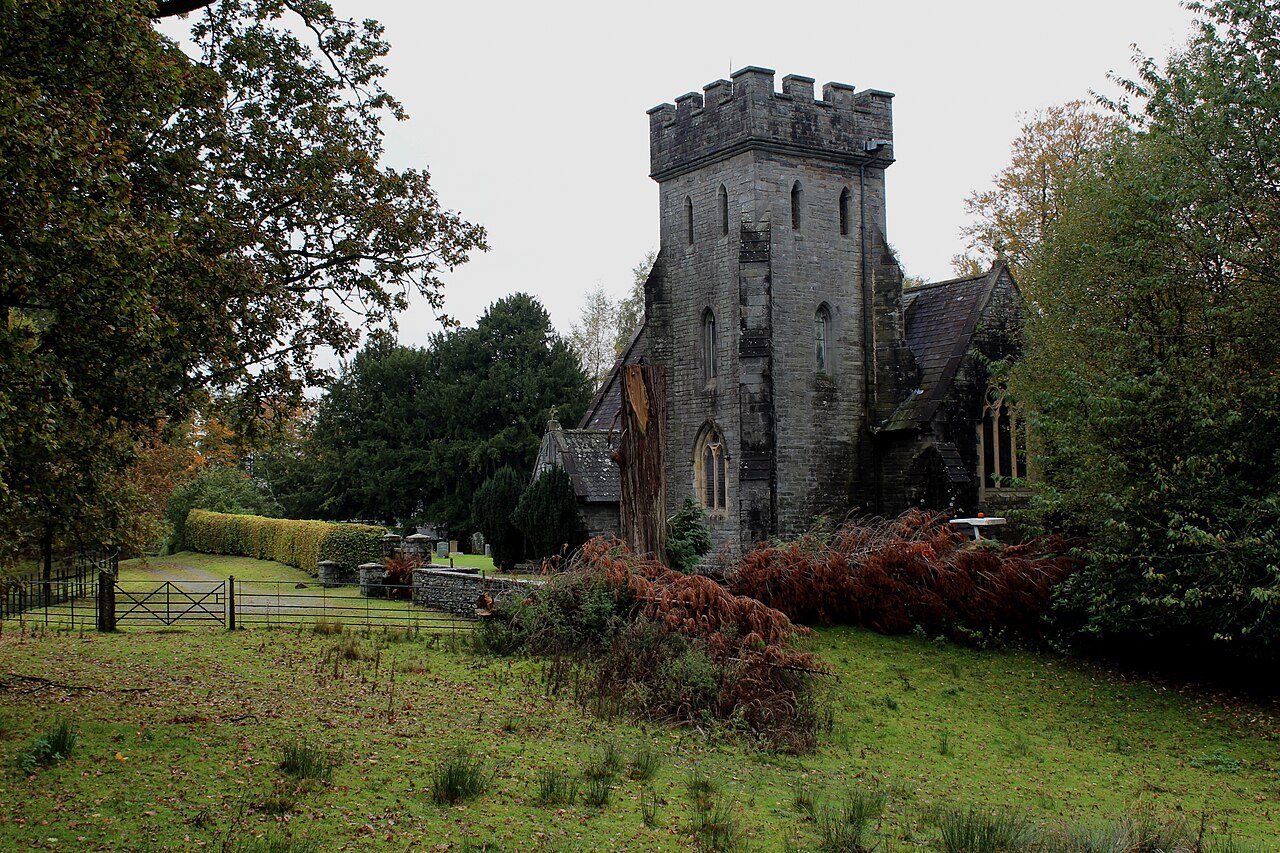
Photo: Chris Heaton · CC BY-SA 2.0 · cropped
The Fox verdict
Come for the shore, woods and improbable castle
Wray is a sparse base for unhurried time beside Windermere, with limited shopping and no village pub.
Its reward is a connected landscape of woodland, western-shore paths and broad views across Windermere.
Where to go
Places in Wray
Every place below is checked against a published source, listed with what it is and how long to give it.
Local signatures
3 placesWindermere Western Shore Walk
A lakeshore path through woodland and parkland, with views over Windermere's islands and routes both north and south from Low Wray.
- Visit length
- Editorial estimate: Allow around two hours
- Locality
- from Low Wray along Windermere's western shore
Wray Castle
A Victorian mock-Gothic house built by James Dawson in 1840, set in extensive woodland above Windermere.
- Visit length
- Editorial estimate: allow around 60 minutes for the grounds and exterior
- Locality
- in woodland above Windermere's western shore
Claife Viewing Station
A Gothic viewing station from the 1790s, built for visitors to pause over views across Windermere.
- Visit length
- Editorial estimate: Allow around 30 minutes
- Locality
- near Far Sawrey on Windermere's western shore
Walks & outdoors
1 placeBlelham Tarn
A small, secluded tarn in the woodland above Low Wray, valued for its quiet setting.
- Visit length
- Editorial estimate: Allow around 45 minutes
- Locality
- woodland above Low Wray
- Access
- The tarn sits in woodland above Low Wray.
History & heritage
1 place
St Margaret's Church, Wray
A Gothic Revival estate church built by James Dawson alongside Wray Castle for the Dawson family and estate employees.
- Visit length
- Editorial estimate: Allow around 15 minutes
- Locality
- Wray
No places match this filter. Choose All places to reset the list.
Three ways to explore Wray
Signature outings
A Gothic viewpoint above the lake
Pause at Claife Viewing Station, a Gothic folly from the 1790s made for views across Windermere.
Church beside the castle
Look to St Margaret's Gothic tower, built by James Dawson to serve the castle's family and employees.
A secluded tarn above Low Wray
Blelham Tarn is a small, secluded stretch of water in woodland above Low Wray.
The village story
Wray: Castle, Shore and Conservation
A mock castle, a quiet lakeshore and the people whose time here became part of a wider Lake District story.
A Mock Castle in the Woods
Wray Castle stands in a hundred acres of woodland above the western shore of Windermere, and it is not really a castle. A retired Liverpool surgeon named James Dawson built it in 1840 as a mock-Gothic house, using the fortune his wife Margaret Preston had inherited from her gin-distilling father. When it was finished, people thought it ugly. The Dawsons seem to have shared the view, because they spent very little time there, and the castle and its church were sold after Dawson's death.
The National Trust owns it now, gifted in 1929. You can walk the grounds and follow the waymarked paths through the woods, castle and all.
The Western Shore and Claife
Wray itself is barely a village. It is a scattered hamlet split between High Wray and Low Wray, three miles from Ambleside, with no pub, limited shopping, and no through road along this stretch of the shore. For a wider choice of shops and pubs, head to Hawkshead or Ambleside. What it has instead is the water. The lakeshore path runs from Low Wray south to the ferry and north past the castle towards Ambleside, through woodland and parkland, with the islands of Windermere out on the lake.
Further south near the ferry stands Claife Viewing Station, about 3.0 miles from High Wray in a straight line. This Gothic folly from the 1790s, now owned by the National Trust, was built for tourists to stop and take in the view.
Woodland Quiet and the Journey In
Above Low Wray, Blelham Tarn sits quiet in the woods — small, secluded, and easy to have to yourself.
Getting here takes some doing. There is no railway in Wray. You come by car on the B5286 between Ambleside and Hawkshead, or you take the Windermere ferry from Bowness and drive up the western shore.
Potter, Rawnsley and the National Trust
The castle has one more claim on it. In 1882 a family rented the place for the summer and brought their sixteen-year-old daughter. Beatrix Potter spent her first Lake District holiday at Wray, started sketching, and met Hardwicke Rawnsley, the vicar of Wray Church, who became her mentor and later helped get The Tale of Peter Rabbit into print.
Rawnsley had been vicar here since 1877. Troubled by industry creeping into the countryside, he co-founded the National Trust in 1895 with Octavia Hill and Robert Hunter. The Trust now owns great swathes of the Lake District, including the castle where one of its founders once preached.
Church Tower and Lakeside Camp
St Margaret's Church, which Dawson built around the same time as the castle and in the same Gothic manner, was put up to serve the castle's family and employees. Its tower was designed to echo the house on the hill.
The Low Wray campsite sits on the wooded lakeshore, close enough to the water that you fall asleep to the sound of it.
Stay around Lake District
Make a longer stay of it
Travel Fox holiday homes around Lake District, linked directly to their property pages.
For homeowners
Own a holiday home near Wray?
We manage holiday lets across the Lake District from 12% commission, charged after cleaning costs, with no lock-in. A co-founder visits before you decide.
Holiday let management in the Lake District →
A guide with a point of view
Written from research. Edited for real journeys.
Use the Official site links for live practical details, then use this guide for context, ideas and room to explore.
Photography credits & licences
Third-party photographs are credited to their named creators and reused under the linked Creative Commons licence or public-domain dedication. Travel Fox stores an optimised local copy; the file-specific changes and any browser-applied display crop are disclosed below. Reused photographs link both to the Wikimedia Commons source record and to the declared source image; Travel Fox's own photographs carry no such record and are marked as ours. These image licences do not cover Travel Fox text, branding or page design.
- File:Church of St. Margaret's, Low Wray - geograph.org.uk - 4215797.jpg — photograph by Chris Heaton; Church of St. Margaret's, Low Wray by Chris Heaton. Source record on Wikimedia Commons. Declared source image. Licence: CC BY-SA 2.0. File changes: Downloaded from Wikimedia Commons, resized to a maximum 1920px edge and encoded as an optimised JPEG. Display changes: Displayed with responsive CSS cropping.
Sources
Every place on this page is checked against a published source. Each entry links the record we used and names who publishes it.
- Windermere Western Shore Walk — lakedistrict.gov.uk statutory register or public authority
- St Margaret's Church, Wray — historicengland.org.uk statutory register or public authority
- Blelham Tarn — gov.uk statutory register or public authority
- Wray Castle — nationaltrust.org.uk national body or asset manager
- Claife Viewing Station — lakedistrict.gov.uk statutory register or public authority