
Damson Country
Witherslack
A scattered Lyth Valley village of white-painted farmhouses, orchard walks and limestone escarpments.
- Best for
- Damson-country walks and limestone landscapes
- Give it
- A relaxed half day
- Don't miss
- The contrast between the flat valley floor and the limestone heights
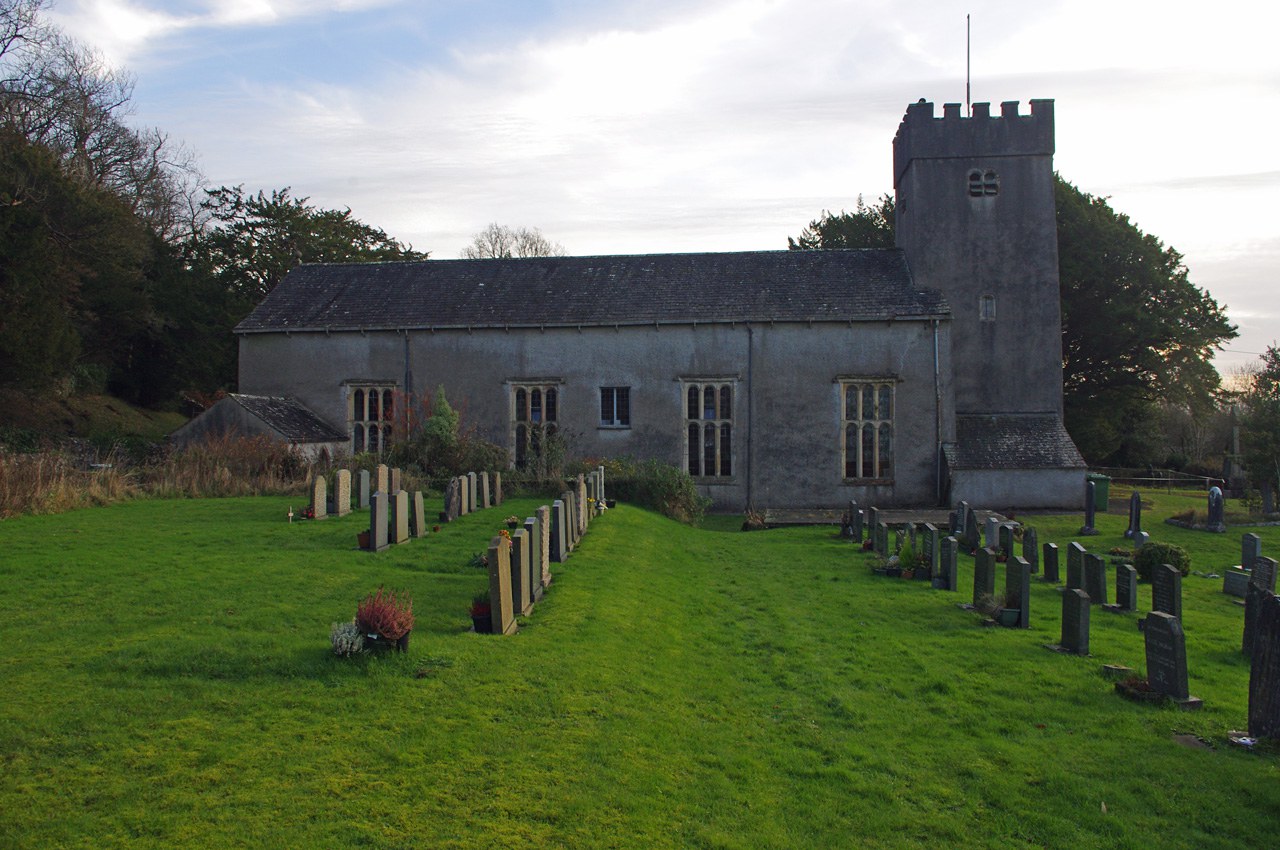
Photo: Ian Taylor · CC BY-SA 2.0 · cropped
The Fox verdict
A quiet village with two levels
Witherslack is at its best when a valley-floor wander is paired with one of the limestone walks above.
Walk level through damson orchards and farmland, take to Yewbarrow or neighbouring Whitbarrow Scar for limestone and orchids, then return to the village's old coaching inn or its plain church in the fields.
Where to go
Places in Witherslack
Every place below is checked against a published source, listed with what it is and how long to give it.
Local signatures
3 placesThe Derby Arms
A refurbished 18th-century country coaching inn serving a varied food menu and up to six real ales.
- Visit length
- Editorial estimate: Allow around 75 minutes
- Locality
- Witherslack
The Lyth Valley
Flat valley-floor walking through damson orchards and farmland among Witherslack's white-painted farmhouses.
- Visit length
- Editorial estimate: Allow around 75 minutes
- Locality
- Lyth Valley around Witherslack
Whitbarrow Scar National Nature Reserve
An adjacent national nature reserve with dramatic limestone pavement and rare plants, including dark-red helleborine orchids.
- Visit length
- Editorial estimate: Allow around 120 minutes
- Locality
- adjacent to Witherslack
Walks & outdoors
1 placeYewbarrow and Witherslack
Walks on the Yewbarrow limestone escarpment above Witherslack through orchid-rich grassland.
- Visit length
- Editorial estimate: Allow around 90 minutes
- Locality
- above Witherslack
History & heritage
1 place
St Paul's Church, Witherslack
A simple Restoration-era church rebuilt around 1669 on a new site and consecrated in 1671.
- Visit length
- Editorial estimate: Allow around 30 minutes
- Locality
- Witherslack farmland
No places match this filter. Choose All places to reset the list.
Three ways to explore Witherslack
Signature outings
Walk Damson Country
Take the level line through damson orchards and farmland on the Lyth Valley floor.
Walk the Yewbarrow escarpment
Follow the limestone escarpment above Witherslack through orchid-rich grassland, a steeper counterpoint to the level valley floor.
Look in on St Paul's
Look for the simple Restoration-era church rebuilt on a new site around 1669.
The village story
Witherslack: between orchard floor and limestone scar
An old coaching inn, damson country and limestone paths give this scattered valley village its shape.
The Coaching Inn
The Derby Arms stands on what used to be the packhorse route between Ulverston and Kendal, which is how an 18th-century coaching inn ends up in a village most people pass on the A590 without slowing down. It's a Georgian country inn, since refurbished, originally named after Thomas Stanley, Earl of Derby, who owned land here in the early 1800s. The kitchen does steak and ale pie, fish and chips in a crispy batter, gnocchi, sea bass, and a vegan ravioli, with hot and cold sandwiches at lunch and daily specials. Food runs noon to 2:30 and 5:30 to 8:30 on weekdays, and straight through to nine at weekends.
Behind the bar there are up to six real ales — the regulars are Bowness Bay Swan Blonde, Loweswater Gold and Hawkshead Bitter — and an extensive gin list to go with them.
Valley and Damson Country
Witherslack is a scattered village rather than a clustered one, spread under the Yewbarrow limestone escarpment where the Lyth Valley opens out between Grange-over-Sands and Kendal. The River Winster runs along the floor of it. The farmhouses are painted white, and the fields between them are full of damson trees.
This is Damson Country. The Lyth and Winster valleys have grown the fruit for centuries — in 1786 there were seventy orchards here. The trees blossom white in April and are picked in September. The crop went to jam makers, and the dark juice was used to dye textiles. It's now a Slow Food Ark of Taste product, which is a formal way of saying someone decided it was worth protecting. Every April the village holds a Damson Day festival for the blossom.
Limestone Walks and St Paul's
The walking divides neatly between the flat and the steep. On the valley floor you can go level through the orchards and farmland; above the village, Yewbarrow gives you a limestone escarpment and grassland thick with orchids. Next door is Whitbarrow Scar, a national nature reserve with one of the finest limestone pavements in England and rare flora that includes the dark-red helleborine orchid.
St Paul's was rebuilt around 1669 and consecrated in 1671, on a new site, replacing a chapel first recorded in 1542 that had been dedicated to St Mary. It's a plain Restoration-era church standing in farmland — the sort of building that doesn't announce itself.
Packhorse Trades and Practical Access
In the 1700s the village kept charcoal burners, hoopmakers, and blacksmiths, who between them shod 352 horses working the packhorse routes. It's a precise figure for something that happened three hundred years ago.
There's no shop and no station. For both, head to Grange-over-Sands, which sits on the Barrow-to-Lancaster line; the village itself is reached off the A590, or by the B5277 up from Grange. Buses run from Kendal and Grange, but the service is limited in the way that means you should bring a car.
When the Valley Turns White
Come in April and the whole valley turns white — blossom on the trees, paint on the farmhouses — for the few weeks before the fruit sets.
Stay around Lake District
Make a longer stay of it
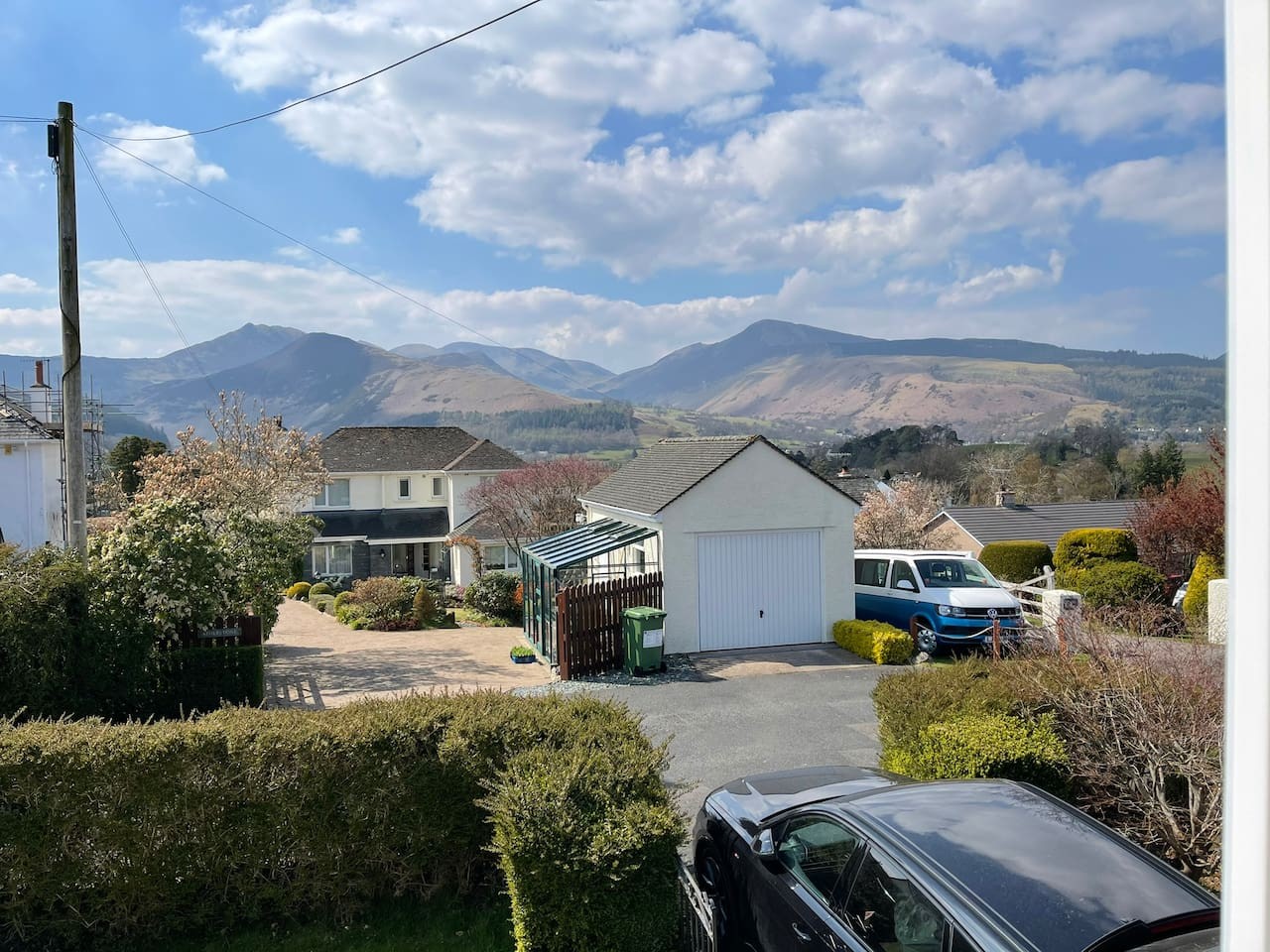
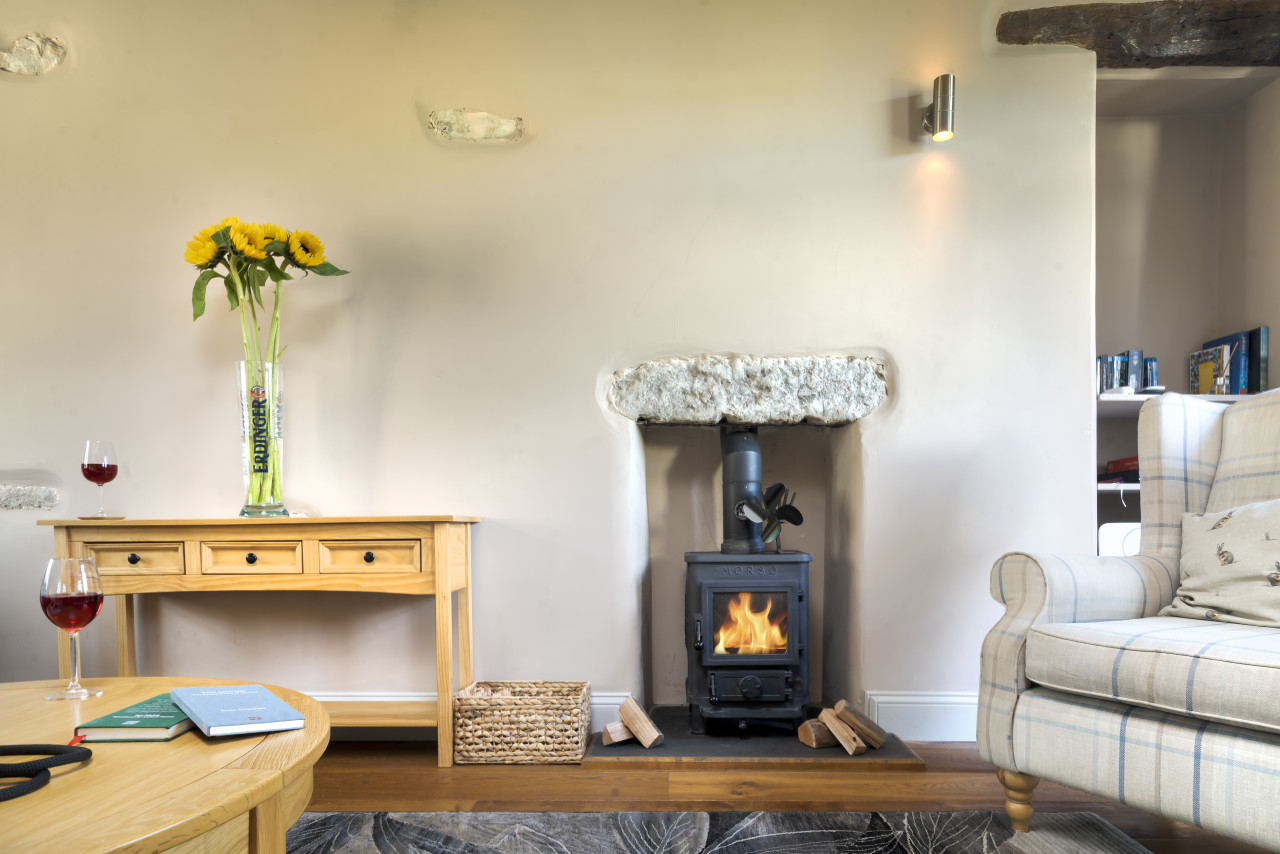
Travel Fox holiday homes around Lake District, linked directly to their property pages.
For homeowners
Own a holiday home near Witherslack?
We manage holiday lets across the Lake District from 12% commission, charged after cleaning costs, with no lock-in. A co-founder visits before you decide.
Holiday let management in the Lake District →
A guide with a point of view
Written from research. Edited for real journeys.
Use the Official site links for live practical details, then use this guide for context, ideas and room to explore.
Photography credits & licences
Third-party photographs are credited to their named creators and reused under the linked Creative Commons licence or public-domain dedication. Travel Fox stores an optimised local copy; the file-specific changes and any browser-applied display crop are disclosed below. Reused photographs link both to the Wikimedia Commons source record and to the declared source image; Travel Fox's own photographs carry no such record and are marked as ours. These image licences do not cover Travel Fox text, branding or page design.
- File:St Paul's Church, Witherslack - geograph.org.uk - 5617022.jpg — photograph by Ian Taylor; St Paul's Church, Witherslack by Ian Taylor. Source record on Wikimedia Commons. Declared source image. Licence: CC BY-SA 2.0. File changes: Downloaded from Wikimedia Commons, resized to a maximum 1920px edge and encoded as an optimised JPEG. Display changes: Displayed with responsive CSS cropping.
Sources
Every place on this page is checked against a published source. Each entry links the record we used and names who publishes it.
- The Derby Arms — derbyarms.co.uk operator, sector body or destination organisation
- St Paul's Church, Witherslack — achurchnearyou.com national body or asset manager
- Yewbarrow and Witherslack — ratedtrips.com other published source
- The Lyth Valley — visitlakedistrict.com operator, sector body or destination organisation
- Whitbarrow Scar National Nature Reserve — cumbriawildlifetrust.org.uk national body or asset manager