
Hall, parkland and paths
Houghton
A tiny estate settlement of matched white cottages, white fallow deer and a great house shaped by Sir Robert Walpole.
- Best for
- William Kent interiors, gardens and contemporary sculpture
- Give it
- A half day for the house, garden and sculpture park
- Don't miss
- The Church of St Martin, Houghton, standing alone in the deer park
The Fox verdict
A great house with a village folded into its gates
Houghton pairs Walpole's Neo-Palladian hall with formal gardens, contemporary sculpture and the traces of a village moved out of its park.
Come for Houghton Hall's William Kent interiors, five-acre walled garden and sculpture park, then choose between the local estate circular and a stretch of the Peddars Way. The Church of St Martin, Houghton, preserves the old village's place in the park, while pubs in East Rudham and Harpley are about three miles away.
Where to go
Places in Houghton
Every place below is checked against a published source, listed with what it is and how long to give it.
Local signatures
3 placesHoughton Hall
A Neo-Palladian house built from 1722 to 1735 for Sir Robert Walpole, with lavish interiors by William Kent and parkland laid out by Charles Bridgeman.
- Visit length
- Editorial estimate: Allow around 75 minutes
- Locality
- at the village gates
Houghton Sculpture Park
A contemporary sculpture park with permanent works by artists including Richard Long, Rachel Whiteread and Antony Gormley, plus James Turrell's Skyspace installed in 2000.
- Visit length
- Editorial estimate: Allow around 75 minutes
- Locality
- in the grounds of Houghton Hall at the village gates
Houghton Hall Estate Circular
A gentle 4.7-mile circular through fields, woodland and meadows, passing white lodge gates and estate land scattered with Bronze Age burial mounds.
- Visit length
- Editorial estimate: Allow around 150 minutes
- Locality
- starting where the Peddars Way crosses the Anmer Road
Food & drink
1 placeThe Crown Inn
A village inn in premises dating to the 1700s, serving cooked-to-order curries, steaks, pasta and homemade burgers sourced locally; dogs are welcome.
- Visit length
- Editorial estimate: Allow around 75 minutes
- Locality
- at the head of the large village green in East Rudham
Walks & outdoors
2 placesHoughton Walled Garden
A five-acre walled garden with a double herbaceous border, rose parterre and kitchen-garden arches of apple and pear.
- Visit length
- Editorial estimate: Allow around 60 minutes
- Locality
- at Houghton Hall by the village gates
Peddars Way near Harpley
A local stretch of the 46-mile Peddars Way, with about two and a half miles through the rolling chalk hills near Harpley.
- Visit length
- Editorial estimate: Allow around 120 minutes
- Locality
- just west of Houghton, past Harpley
History & heritage
1 placeChurch of St Martin, Houghton
The medieval church left standing when old Houghton was demolished, containing Sir Robert Walpole's tomb, monuments to three Earls of Orford and a memorial to Lancaster bomber aircrew.
- Visit length
- Editorial estimate: Allow around 45 minutes
- Locality
- isolated in the parkland near Houghton Hall
- Access
- Services are held only in summer, when the Houghton Hall estate is open.
No places match this filter. Choose All places to reset the list.
Three ways to explore Houghton
Signature outings
Arches, roses and borders
Walk the five-acre walled garden's double herbaceous border, rose parterre and apple-and-pear arches.
Walpole's church in the park
See the medieval church left standing when old Houghton was demolished, with Walpole tombs and the Lancaster crew memorial inside.
A stretch of Peddars Way
Follow about two and a half miles of the National Trail through the rolling chalk hills near Harpley.
The village story
Houghton Village Guide
White cottages and white deer frame a story of Walpole's hall, a moved village, modern sculpture and walking routes.
White cottages and white deer
The cottages at New Houghton stand in a matched terrace, whitewashed and identical, lining the approach to a pair of gates. There are thirty-three of them, all Grade II listed, and they face the Hall across open parkland. This is the whole village. No pub, no shop, and by 2021 fewer than a hundred people, at which point the parish was quietly absorbed into West Rudham.
Grazing that parkland is the largest herd of white fallow deer in the country — somewhere between 350 and several hundred, depending on who is counting. They were bred up by the 5th Marquess of Cholmondeley from the late nineteenth century. KL Magazine calls them "something of a Victorian vanity, possibly to reflect Houghton's white cottages." Someone, in other words, matched the deer to the houses.
Hall, garden and sculpture
The reason most people come is Houghton Hall, at the gates. Walpole built it between 1722 and 1735, Neo-Palladian, with interiors by William Kent and a park laid out by Charles Bridgeman. The walled garden runs to five acres — a double herbaceous border, a rose parterre, apple and pear arches in the kitchen garden.
There is also a sculpture park, with permanent works by Antony Gormley, Rachel Whiteread, Richard Long and others, and a James Turrell Skyspace installed in 2000. Recent summers have brought Damien Hirst, Henry Moore and Anish Kapoor out onto the grass.
Inns and walking routes
For a pub you drive. The Crown Inn at East Rudham, about three miles off, sits at the head of the green in a building that goes back to the 1700s. The kitchen does curries, steaks, pasta and homemade burgers, cooked to order and sourced locally, and dogs are welcome. The Rose & Crown at Harpley usually keeps five real ales on and was once West Norfolk's CAMRA Pub of the Year. The Duke's Head, also at East Rudham, specialises in Chinese food, which is not what you expect from a Norfolk village pub.
The walking is good. A 4.7-mile circular starts where the Peddars Way crosses the Anmer Road, at a triangle of grass, and runs through fields and mixed woodland — chestnut, beech, pine, sycamore — past the white lodge gates and a large barn. The estate is scattered with Bronze Age burial mounds, some of them three and a half thousand years old. The Peddars Way itself, the 46-mile trail from Suffolk to the Norfolk coast, passes just west of the village through the chalk hills at Harpley.
The church and Sybil's signature
St Martin's church stands alone in the deer park, which is where the old village used to be. When Walpole redesigned his grounds in the 1720s he had the medieval village demolished and rebuilt at the gates, leaving only the church where it was. It holds his tomb, his two wives' and his brother's, monuments to three Earls of Orford — one of them the writer Horace Walpole — and a memorial to the crew of a Lancaster bomber that came down nearby in October 1944. Services are held only in summer, when the estate is open.
Somewhere in the gardens is the Sybil Hedge, a folly clipped into the shape of Sybil Sassoon's signature. She married into the family in 1913 and spent decades restoring the place. Her name is still there, in box, if you know where to look.
Stay around Norfolk
Make a longer stay of it
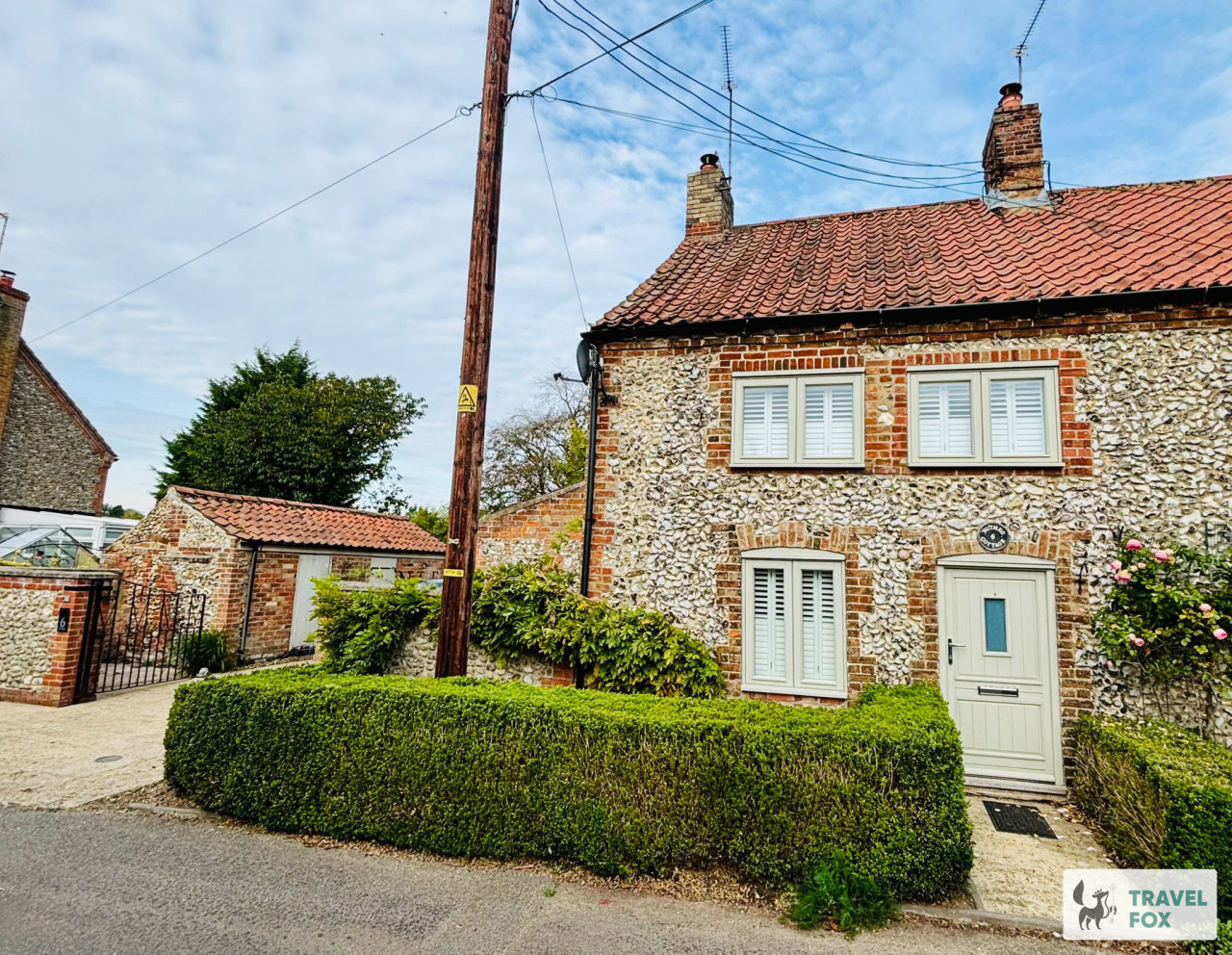
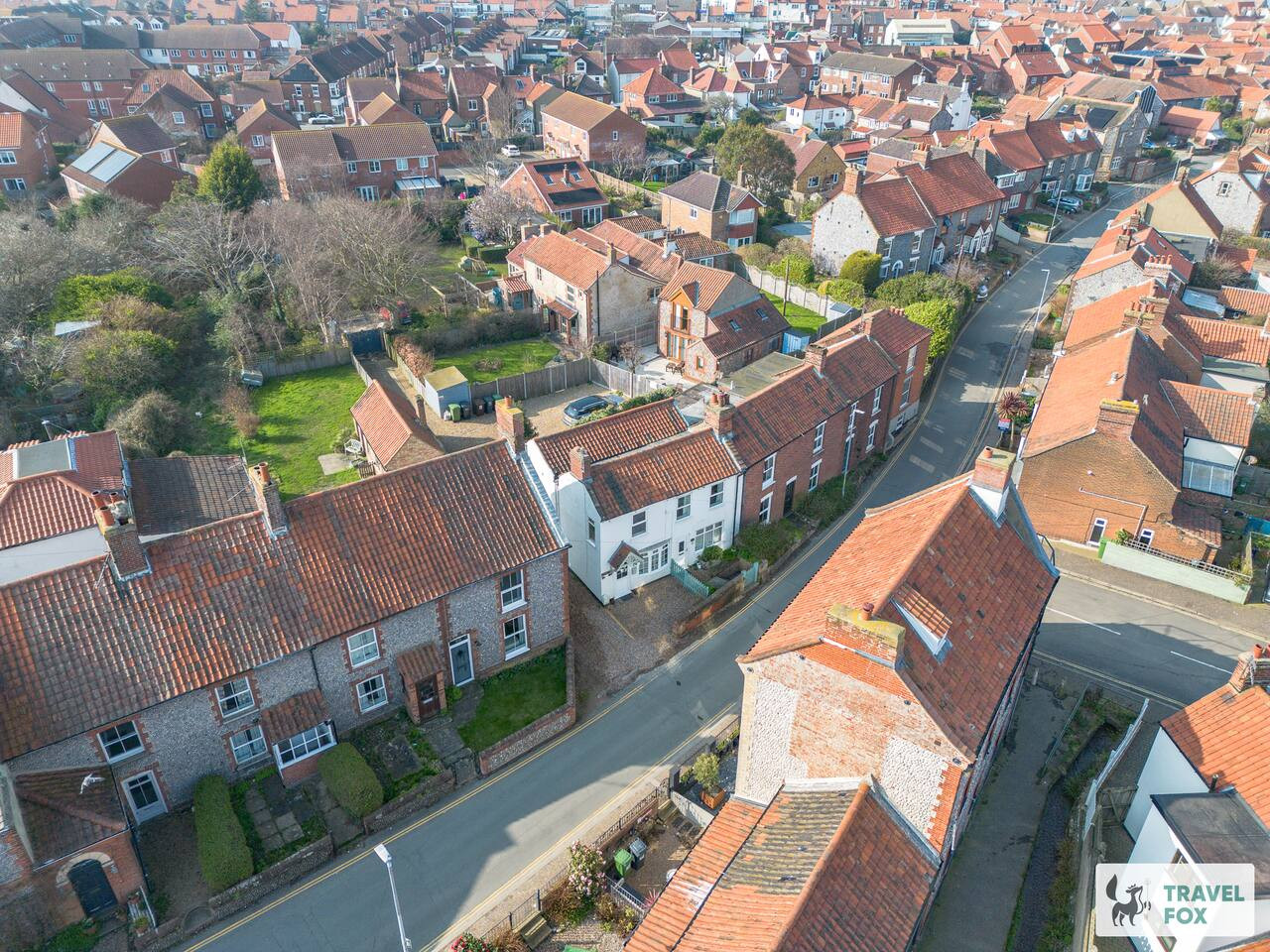
Travel Fox holiday homes around Norfolk, linked directly to their property pages.
A guide with a point of view
Written from research. Edited for real journeys.
Use the Official site links for live practical details, then use this guide for context, ideas and room to explore.
Sources
Every place on this page is checked against a published source. Each entry links the record we used and names who publishes it.
- Houghton Hall — houghtonhall.com operator, sector body or destination organisation record not machine-readable; publisher restricts automated access
- Houghton Walled Garden — houghtonhall.com operator, sector body or destination organisation record not machine-readable; publisher restricts automated access
- Houghton Sculpture Park — houghtonhall.com operator, sector body or destination organisation record not machine-readable; publisher restricts automated access
- Church of St Martin, Houghton — dioceseofnorwich.org other published source
- Houghton Hall Estate Circular — explorewestnorfolk.co.uk operator, sector body or destination organisation
- Peddars Way near Harpley — explorewestnorfolk.co.uk operator, sector body or destination organisation
- The Crown Inn — crowninnnorfolk.co.uk operator, sector body or destination organisation