
Paths, pints and chalk grassland
Ringstead
A small inland Norfolk village where an old Roman road, a long-lived inn and a wildlife-rich chalk valley shape the visit.
- Best for
- Long-distance walking, village art and chalk-grassland wildlife
- Choose your pace
- A village visit or the roughly seven-mile circular walk
- Don't miss
- The permissive bridleway through Ringstead Downs
The Fox verdict
A small village with an outsized walking story
Ringstead rewards walkers with rare places to pause, a surviving medieval church and Norfolk's largest area of unimproved chalk grassland.
The Peddars Way gives the village its rhythm: the store is a notable resupply point, the Gin Trap Inn is one of very few pub stops, and two galleries add art to the mix. St Andrew's brings layers of medieval building history, while Ringstead Downs carries a permissive bridleway through a dry chalk valley towards Hunstanton.
Where to go
Places in Ringstead
Every place below is checked against a published source, listed with what it is and how long to give it.
Local signatures
3 placesThe Gin Trap Inn
A 17th-century whitewashed coaching inn with rooms, a cosy historic interior, courtyard garden and a collection of more than 130 gins.
- Visit length
- Editorial estimate: around 90 minutes
- Locality
- Ringstead village
- Access
- Visitors, families with children and dogs are welcomed.
Ringstead Gallery
An art gallery that is also one of the parish's sixteen listed buildings.
- Visit length
- Editorial estimate: around 45 minutes
- Locality
- Ringstead parish
Ringstead Circular Walk
A roughly seven-mile circular promoted as Norfolk Coast, Ringstead and the Peddars Way.
- Visit length
- Editorial estimate: around 3 hours
- Locality
- through the village and surrounding countryside
Food & drink
1 placeRingstead Village Store
A village store that matters as a resupply point because the Peddars Way has almost no shops along its length.
- Visit length
- Editorial estimate: around 20 minutes
- Locality
- Ringstead
Walks & outdoors
2 placesPeddars Way
An ancient Roman road now walked as a National Trail, with Ringstead providing rare pub and shop stops along the route.
- Visit length
- Editorial estimate: around 2 hours for a local stretch
- Locality
- through Ringstead
Ringstead Downs
Norfolk's largest area of unimproved chalk grassland, with twenty recorded butterfly species and plants including wild thyme and horseshoe vetch.
- Visit length
- Editorial estimate: around 2 hours
- Locality
- from Ringstead village to the A149 at Hunstanton
- Access
- A permissive bridleway runs the length of the dry chalk valley.
History & heritage
1 placeSt Andrew's Church
Ringstead's surviving church combines a 13th-century tower, 14th-century nave and 15th-century chancel, with major restoration from 1865.
- Visit length
- Editorial estimate: around 45 minutes
- Locality
- Ringstead
No places match this filter. Choose All places to reset the list.
Three ways to explore Ringstead
Signature outings
A rare Peddars Way inn stop
Settle into the 17th-century Gin Trap Inn, where the old animal traps have gone but a collection of more than 130 gins keeps the name alive.
Three centuries in one church
Trace St Andrew's from its 13th-century tower through the 14th-century nave to the 15th-century chancel and the major 1865 restoration.
Butterflies over wild thyme
Walk the permissive bridleway through Ringstead Downs, where chalkhill blues and marbled whites are among twenty recorded butterfly species.
The village story
Ringstead Village Guide
A Norfolk village of long trails, vanished landmarks, medieval church fabric and a chalk valley that was never ploughed.
The Inn and Its Gin
In 1973 the owners of the village pub hung animal gin traps over the walls and ceiling and renamed the place after them. It had been The Compasses Inn until then, and had been serving drinks since 1668, but The Gin Trap Inn was the name that stuck. The traps came down when it reopened at Easter 2015 and the pub pivoted to gin instead, and it now keeps 130-plus varieties, tasting boards and the occasional gin festival. The name outlived the traps.
It is a 17th-century whitewashed coaching inn with a fireplace, alcove tables and a courtyard garden, and the food has ambitions. The bar menu runs from a chicken, ham and leek pie to moules marinière with rosemary focaccia to duck leg on a hash brown with pineapple pickle and a fried duck egg. The à la carte adds Brancaster oysters with iced gin and tonic, aged sirloin with bone marrow sauce, and a vegetarian gnocchi with roast cauliflower and black garlic. Sunday roasts are Norfolk lamb or Gressingham duck. The reviews praise the atmosphere and warn about the wait, the portions and the prices, in roughly that order. Dogs are welcome. The Chestnut Group took it over at the end of 2024 and its bedrooms made The Sunday Times 100 Best Places to Stay 2025.
Trail Stops and Village Art
The pub matters more than usual because Ringstead sits on the Peddars Way, the old Roman road now walked as a National Trail, and the trail has almost nothing on it. Outside Little Cressingham, Castle Acre and here, there are no pubs and no shops for miles. So the village store is a landmark to a certain kind of tired walker, and the pub is one of very few places to stop.
There are two art galleries — Ringstead Gallery, and The Garage Studio about a hundred yards off the trail — in a village of 324 people. Sixteen buildings in the parish are listed.
One Church Survives
St Andrew's is the surviving church, a 13th-century tower onto a 14th-century nave and a 15th-century chancel, much rebuilt in 1865. It survives partly because another church didn't. St Peter's, out at Great Ringstead, was condemned in 1772 as "very old and much decayed...very damp and unwholesome," demolished the year after the two parishes were joined, and its stone, wood and glass sold off to repair St Andrew's. Its round tower still stands, now in a private garden and not open to anyone.
What Ringstead Lost
Ringstead has a talent for losing things. West of Downs Farm a roofless 13th-century chapel stands alone in a field, the last relic of Little Ringstead, a whole village emptied by plague in 1349 and never repopulated. The windmill built for Henry Le Strange carried six sails, stopped in 1897 and became a house in 1927, its machinery kept as decoration. The railway closed in 1969. The last bus went in 2018.
The Chalk Valley
Behind the village runs Ringstead Downs, a dry chalk valley cut by glacial meltwater and never once ploughed — the largest area of unimproved chalk grassland in Norfolk. Chalkhill blues and marbled whites fly there in summer, over wild thyme and horseshoe vetch. You can follow the bridleway the length of it, downhill, all the way to the edge of Hunstanton and the sea.
Stay around Norfolk
Make a longer stay of it
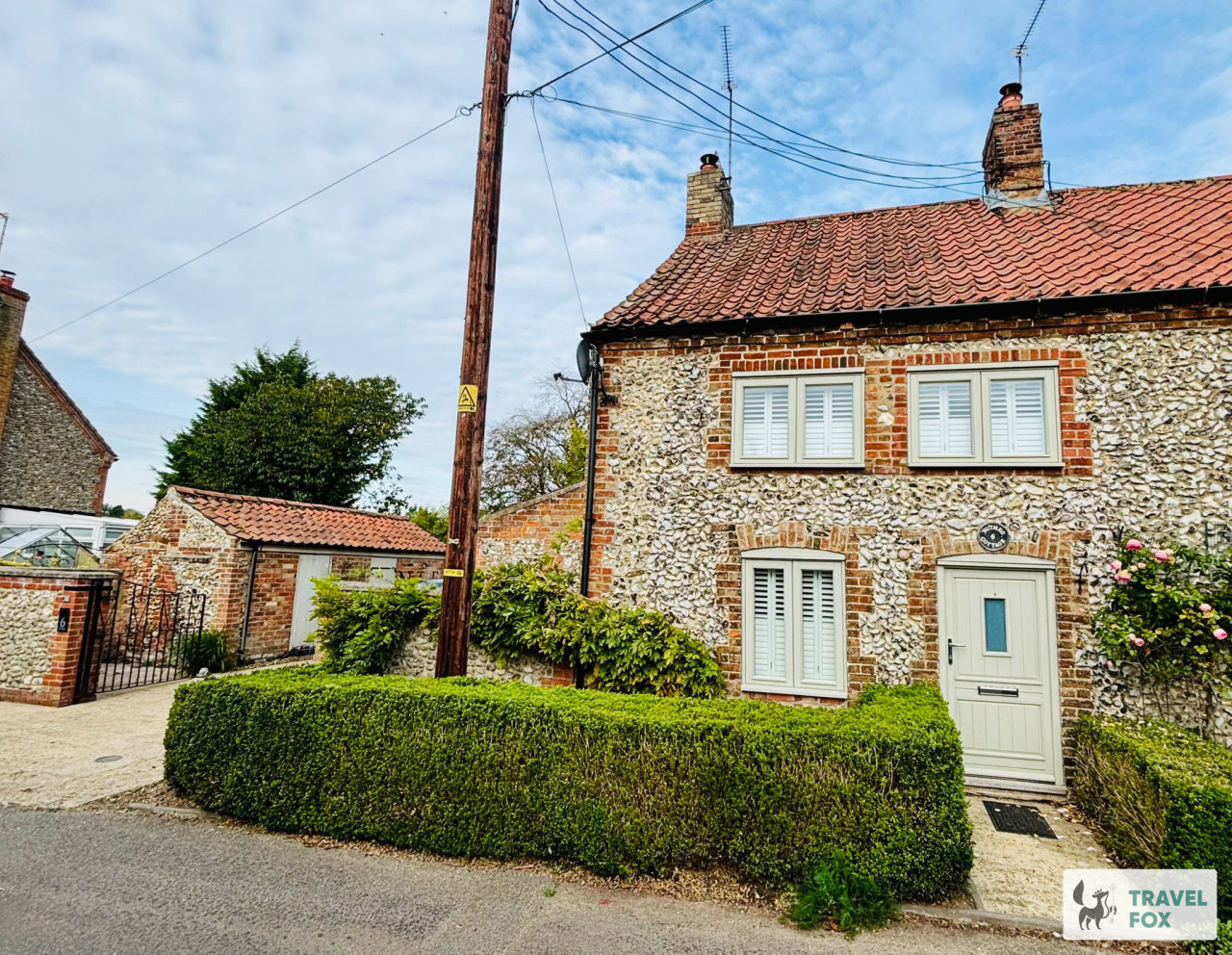
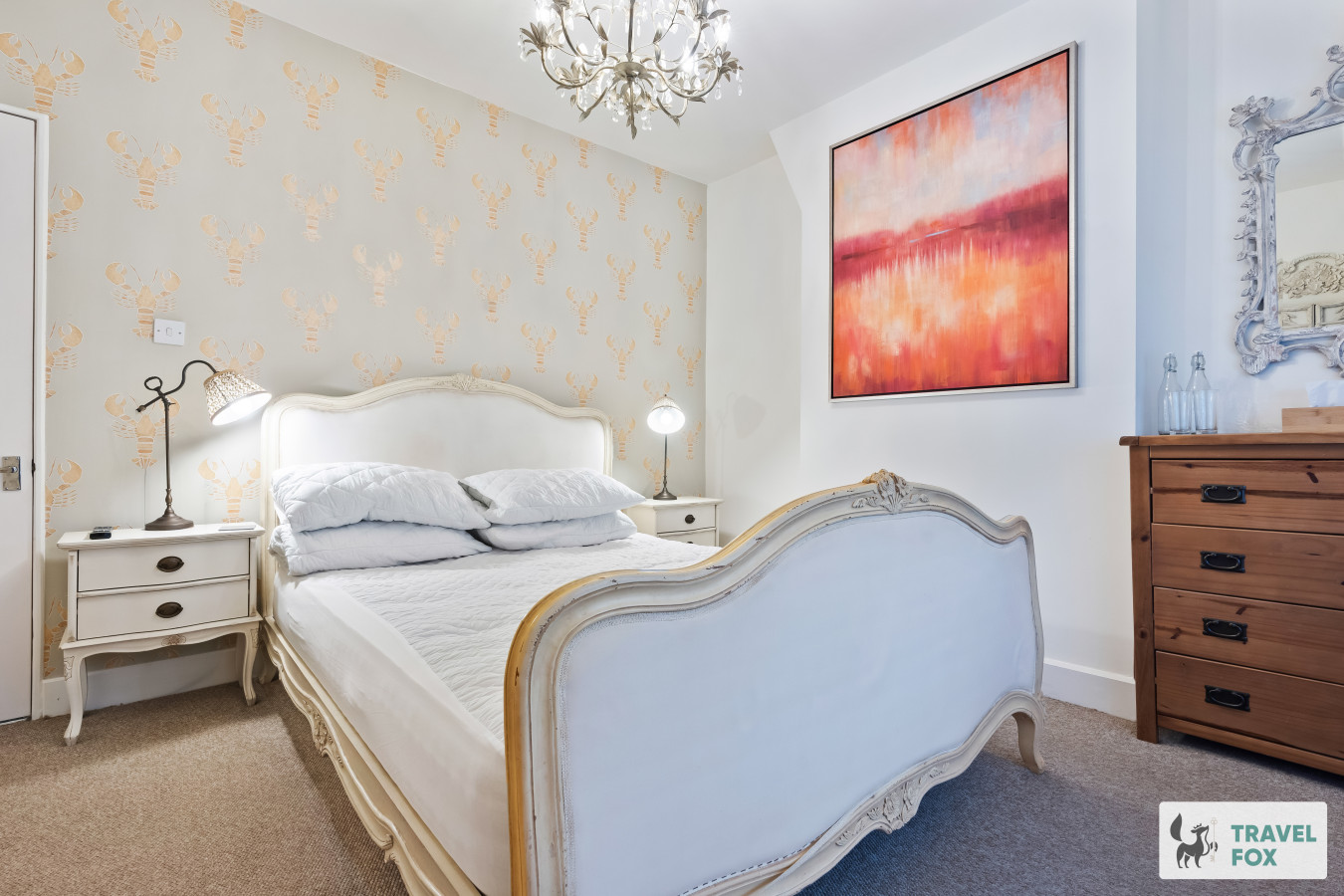
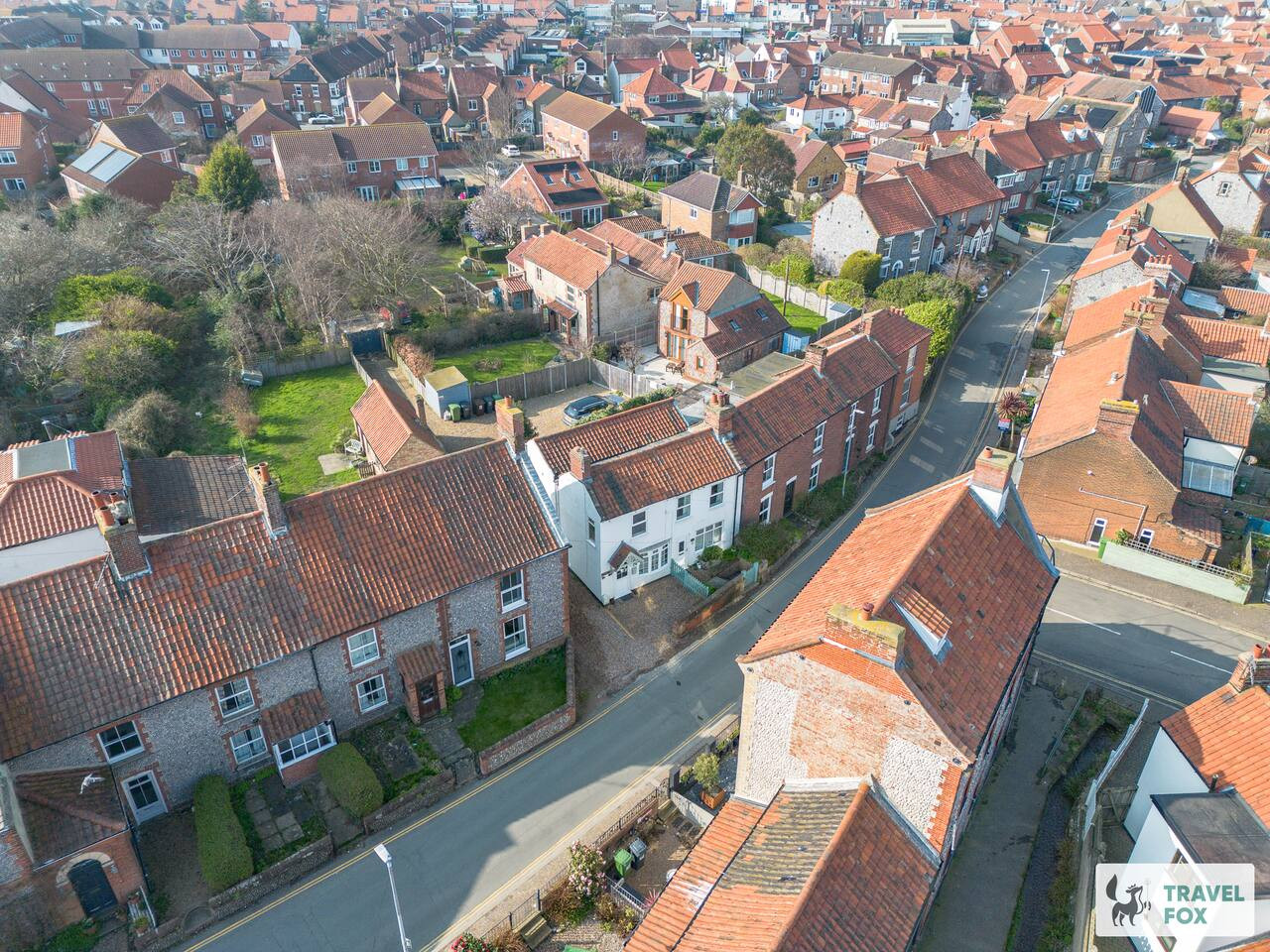
Travel Fox holiday homes around Norfolk, linked directly to their property pages.
A guide with a point of view
Written from research. Edited for real journeys.
Use the Official site links for live practical details, then use this guide for context, ideas and room to explore.
Sources
Every place on this page is checked against a published source. Each entry links the record we used and names who publishes it.
- The Gin Trap Inn — thegintrapinn.co.uk operator, sector body or destination organisation
- Ringstead Village Store — generalstoreringstead.co.uk operator, sector body or destination organisation
- Ringstead Gallery — historicengland.org.uk statutory register or public authority record not machine-readable; publisher restricts automated access
- St Andrew's Church — historicengland.org.uk statutory register or public authority record not machine-readable; publisher restricts automated access
- Peddars Way — gov.uk statutory register or public authority
- Ringstead Circular Walk — explorewestnorfolk.co.uk operator, sector body or destination organisation
- Ringstead Downs — norfolkwildlifetrust.org.uk national body or asset manager