
Saltmarsh and big skies
Stiffkey
A flint-cottage village between chalk slopes and tidal saltmarsh, with the Norfolk Coast Path running through.
- Best for
- Saltmarsh walks and birdwatching
- Give it
- A slow half-day on foot
- Don't miss
- The tidal creeks and Stiffkey Fen
The Fox verdict
A coast-path village shaped by marsh and cockles
Stiffkey brings together flint cottages, tidal creeks, a birdwatching fen, a medieval church and one characterful pub.
The Norfolk Coast Path runs through the village and skirts saltmarsh flooded daily by the tide, while Stiffkey Fen adds a freshwater lagoon and reedbed. The Red Lion provides the village's only pub stop, with a daily-changing menu that is strong on local seafood.
Where to go
Places in Stiffkey
Every place below is checked against a published source, listed with what it is and how long to give it.
Local signatures
3 placesThe Stiffkey Red Lion
A traditional beamed country pub with rooms, four log fires, local cask ales and a daily-changing menu that is strong on local seafood.
- Visit length
- Editorial estimate: Allow around 90 minutes
- Locality
- in the village
- Access
- Dogs are welcome.
Church of St John the Baptist
A Grade I church with a largely fifteenth-century nave, an earlier west tower, medieval stalls with misericords and a monument to Sir Nathaniel Bacon.
- Visit length
- Editorial estimate: Allow around 45 minutes
- Locality
- a short walk from the pub
Stiffkey Fen
A roughly 35-acre freshwater lagoon and reedbed reserve noted as a birdwatching spot.
- Visit length
- Editorial estimate: Allow around 60 minutes
- Locality
- beside the coast path
Walks & outdoors
2 placesStiffkey Marshes
Part of Blakeney National Nature Reserve, with saltmarsh and creek walks and breeding redshank and oystercatcher.
- Visit length
- Editorial estimate: Allow around 90 minutes
- Locality
- at the village
- Access
- The marshes are free to walk and are flooded daily by the tide.
Norfolk Coast Path
The coast path runs through Stiffkey beside the saltmarshes, with Blakeney to the east via Morston and Wells-next-the-Sea to the west.
- Visit length
- Editorial estimate: Allow around 120 minutes
- Locality
- through the village, skirting the saltmarshes
No places match this filter. Choose All places to reset the list.
Three ways to explore Stiffkey
Signature outings
The Red Lion
Settle beside one of four log fires for a daily-changing menu featuring local seafood.
Stiffkey Marshes
Walk among saltmarsh and twisting tidal creeks in a landscape used by breeding redshank and oystercatcher.
Norfolk Coast Path
Take the coast path through the village as it skirts the saltmarshes towards Wells or Blakeney via Morston.
The village story
Stiffkey Village Guide
A north Norfolk village of flint cottages, saltmarsh, cockling history and one remarkable pub.
The Red Lion
The Stiffkey Red Lion keeps four log fires going and a menu that changes daily depending on what comes up the coast. The lobsters and crabs arrive from Wells-next-the-Sea, four miles west, caught and delivered the same day. In season there are Wells mussels, brown shrimps, wild samphire from the marshes, and the local cockles known as Stewkey Blues. One reviewer settled the matter of the mussels with "Still the best mussels you can eat."
It's the only pub in the village, a beamed building from around 1670 with a stone floor and a nineteenth-century frontage facing the coast road. The same family has owned and run it since 1989. The menu isn't only seafood — there's Sicilian beef brisket pappardelle, a Norfolk pork chop, venison pie, a squash curry. Three cask ales, four in summer, usually Woodforde's Wherry and Nelson's Revenge. Dogs are welcome. The patio faces south, which matters here, because in fine weather you can sit with the sunset over the marsh.
Village and Saltmarsh
The village itself is flint cottages along narrow lanes, chalk slopes rising behind, saltmarsh and tidal creeks spread out in front. All of it sits inside the Norfolk Coast Area of Outstanding Natural Beauty. The little River Stiffkey runs through, and gives the place its name.
The Norfolk Coast Path passes straight through, skirting the saltmarshes — Blakeney is roughly four miles east via Morston, Wells about the same to the west. The National Trust marsh walk from Blakeney finishes at the Stiffkey car park, past twisting muddy creeks and breeding waders. Stiffkey Fen, a reedbed and freshwater lagoon beside the path, is a well-known spot for birdwatching. The marshes are free to walk, flooded daily by the tide.
Getting Here and the Stewkey Blues
There's no railway here. The A149 coast road runs through, and the Sanders Coasthopper bus links the village to Wells, Blakeney, Sheringham and Cromer. Wells is the nearest town for shops.
The cockles are worth knowing about. Women called cocklers once raked the Stewkey Blues from the mudflats by hand, washed them in seawater and steamed them, and ate them with pepper and vinegar. The blue tint comes from the glauconitic clay the locals call Norfolk Stew. The cold winter of 1989 killed off much of the cockle bed and the trade never fully recovered. The cockles are now on the Slow Food Ark of Taste, which is a formal way of saying there aren't many left.
How Stiffkey Is Said
The name itself is a point of contention. Locally the older form is "Stiff-key"; the widespread "Stew-key" came from the Domesday spelling and those clays. People here have opinions.
The Rector of Stiffkey
The churchyard at St John the Baptist holds Harold Davidson, rector from 1906 to 1932, who ministered to women in Soho during the week, was defrocked for it, and later exhibited himself in a barrel on Blackpool seafront to fund his appeal. He died in 1937 at Skegness, mauled by a lion named Freddie after stepping on a lioness's tail. He is buried a short walk from the pub.
Stay around Norfolk
Make a longer stay of it
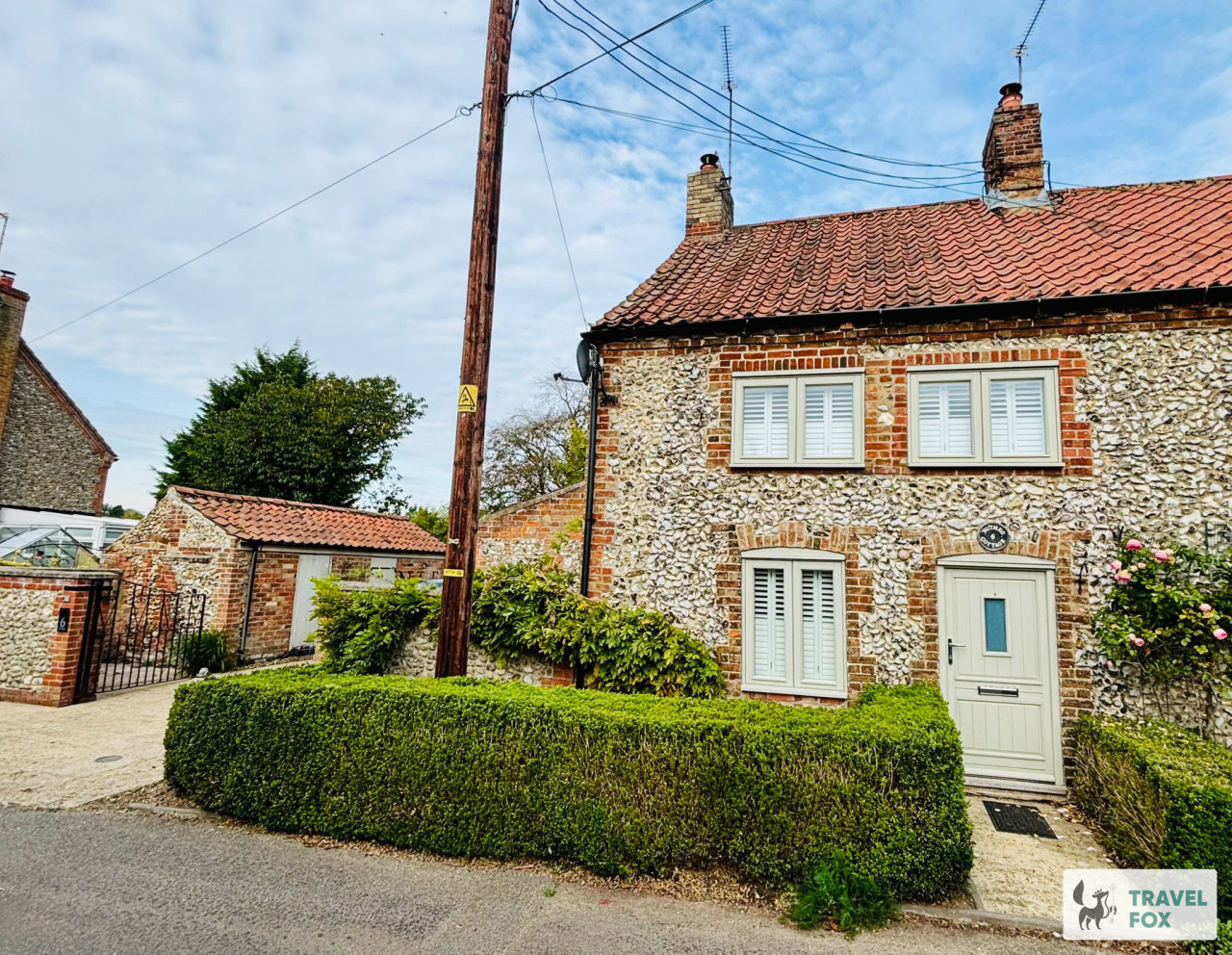
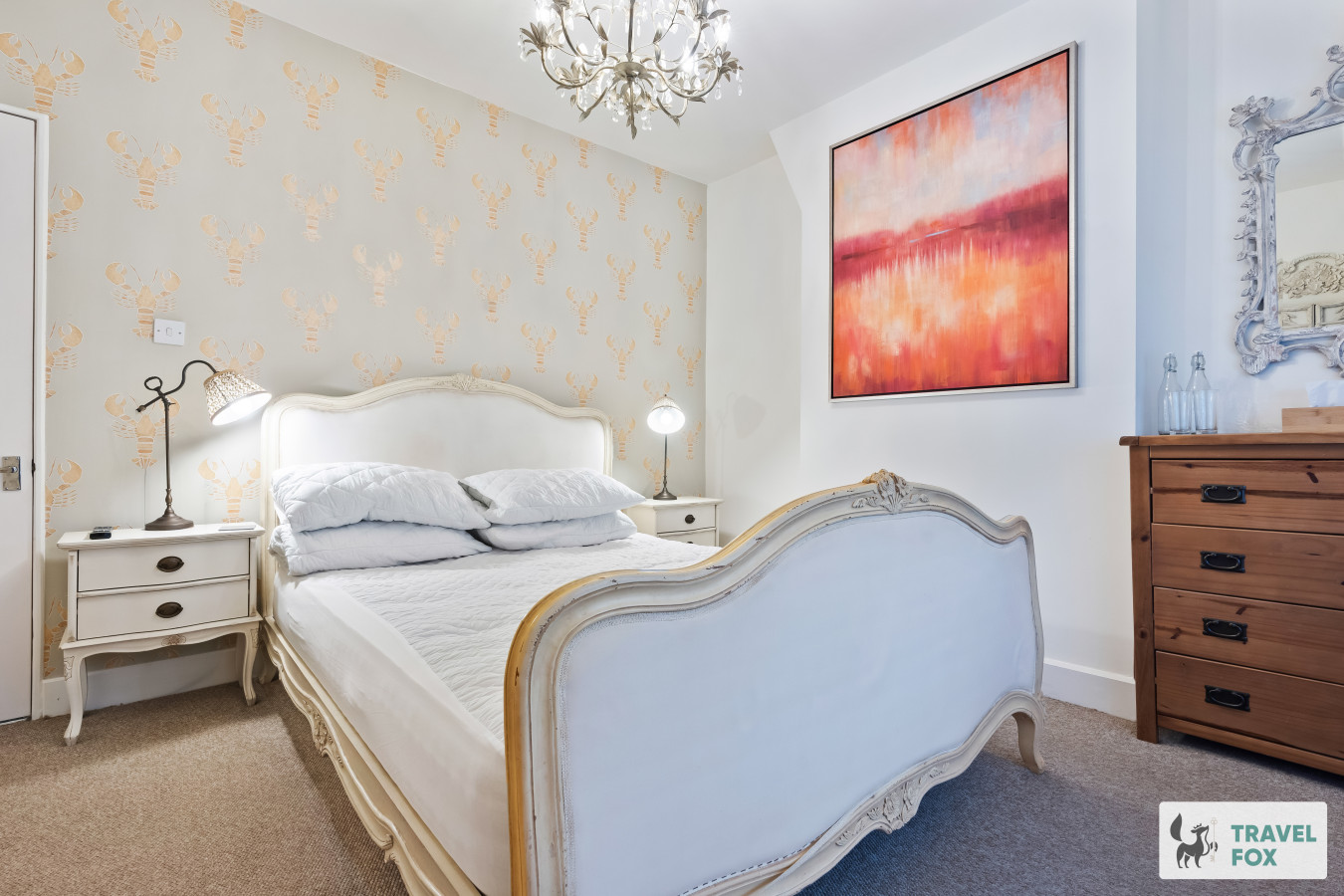
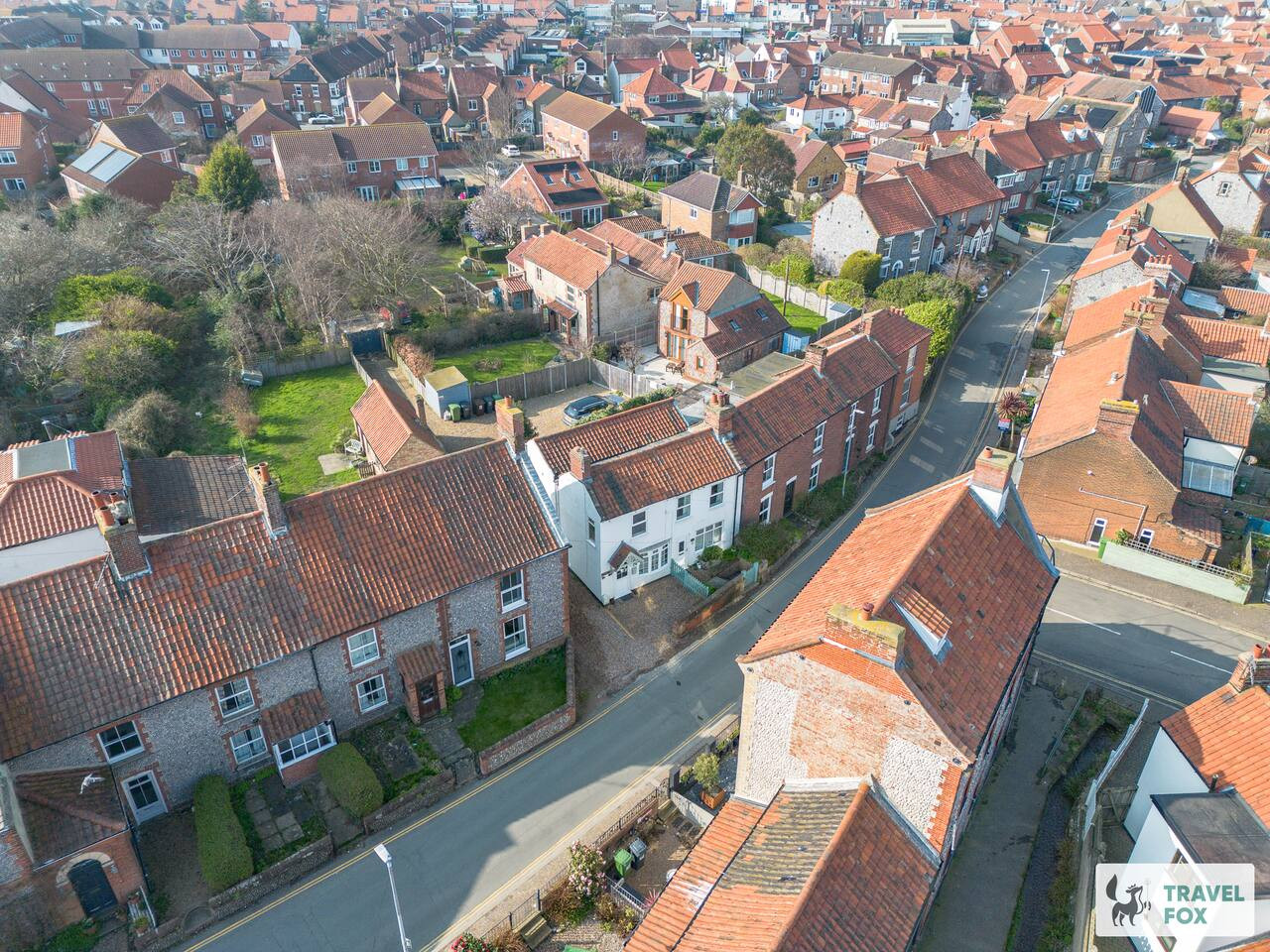
Travel Fox holiday homes around Norfolk, linked directly to their property pages.
A guide with a point of view
Written from research. Edited for real journeys.
Use the Official site links for live practical details, then use this guide for context, ideas and room to explore.
Sources
Every place on this page is checked against a published source. Each entry links the record we used and names who publishes it.
- The Stiffkey Red Lion — stiffkey.com operator, sector body or destination organisation
- Church of St John the Baptist — historicengland.org.uk statutory register or public authority record not machine-readable; publisher restricts automated access
- Stiffkey Marshes — nationaltrust.org.uk national body or asset manager
- Stiffkey Fen — register-of-charities.charitycommission.gov.uk statutory register or public authority
- Norfolk Coast Path — nationaltrust.org.uk national body or asset manager