
Theatre beside the Trent
Averham
A small riverside village with a gilded wooden theatre, an ancient church and strong links to the Trent landscape.
- Best for
- Theatre history and church architecture
- Give it
- A half day with a nearby stop
- Don't miss
- The story of the Robin Hood Theatre
The Fox verdict
A village with an extraordinary stage
Averham pairs a 150-seat wooden theatre with a church whose earliest fabric may pre-date the Norman Conquest.
The Robin Hood Theatre and St Michael and All Angels anchor a visit to Averham. Nearby, Kelham Bridge crosses the Trent, while the eighteenth-century Causeway Arches stand farther east on Great North Road. Kelham, Newark and Southwell add food and larger heritage stops.
Where to go
Places in Averham
Every place below is checked against a published source, listed with what it is and how long to give it.
Local signatures
3 placesKelham Bridge
A Grade II brick road bridge from 1857, with five segmental arches and stone pedestrian refuges.
- Visit length
- Editorial estimate: Allow around 20 minutes
- Locality
- on Newark Road in Kelham
The Fox Inn
A Kelham pub serving meals and Sunday lunch, with motorhome stopovers.
- Visit length
- Editorial estimate: Allow around 90 minutes
- Locality
- in the neighbouring village of Kelham
Southwell Minster
A Norman and Early English cathedral in Southwell, with free admission and donations welcome.
- Visit length
- Editorial estimate: Allow around 75 minutes
- Locality
- in the market town of Southwell
History & heritage
4 placesRobin Hood Theatre
A 150-seat wooden theatre built in 1913 by village carpenter Robert Lee and volunteers, with gold leaf and fine plasterwork behind its modest exterior.
- Visit length
- Editorial estimate: Allow around 60 minutes
- Locality
- in the grounds of Averham Rectory
Church of St Michael and All Angels
A Grade I church with Norman or possibly Saxon herringbone masonry, Sutton family monuments, heraldic shields and locally described gargoyles.
- Visit length
- Editorial estimate: Allow around 45 minutes
- Locality
- high on a bank of the Trent
Causeway Arches
A Grade II series of 1770 brick arches designed by John Smeaton to carry Great North Road across the Trent flood plain.
- Visit length
- Editorial estimate: Allow around 20 minutes
- Locality
- on Great North Road near Newark
Newark Air Museum
A 16-acre air museum on the former RAF Winthorpe airfield near Newark-on-Trent.
- Visit length
- Editorial estimate: Allow around 120 minutes
- Locality
- on the former RAF Winthorpe airfield
No places match this filter. Choose All places to reset the list.
Three ways to explore Averham
Signature outings
A village stage with a storied past
Built in 1913 by village carpenter Robert Lee and volunteers, this 150-seat wooden theatre has a history linked to Donald Wolfit and the Country Bumpkins.
Herringbone and heraldry
A surviving roof timber dated to around AD 1000 helped establish that part of the church predates the Norman Conquest.
Aircraft at Winthorpe
Look beyond the aircraft in the museum’s dedicated engine collection, which includes engines associated with the Vulcan and Concorde.
The village story
Averham’s wooden stage and ancient church
A wooden theatre, an ancient church and the divided River Trent give this small Nottinghamshire village an unusually rich story.
A wooden theatre with a gilded interior
The Robin Hood Theatre seats 150 people inside a wooden building in the old rectory garden, and from the outside you would take it for a large shed before you took it for a theatre. Inside there is gold leaf and proper plasterwork, built by the village carpenter, Robert Lee, in 1913, for a rector called Joseph Cyril Walker whose amateur troupe called themselves "The Country Bumpkins."
Donald Wolfit made his stage debut here as a teenager, cycling over from school for a wartime musical comedy, and was knighted in 1957. Performances were timed to full moons during the First World War, so the audience could get home without lights. It has closed and reopened more than once since — nearly demolished in 1967, saved when Wolfit bought the freehold himself — and performers passing through include John Cleese and Bill Oddie. By 2014, supporters including Judi Dench had helped raise over £50,000 toward its restoration. In 2025 the broadcaster Gyles Brandreth unveiled a blue plaque to Wolfit at the theatre.
The Trent and nearby Kelham
Averham stands near the Trent, with the Trent Valley Way crossing land north of the village. Kelham Bridge is an 1857 road crossing on Newark Road. Farther east, John Smeaton’s 1770 Causeway Arches carry Great North Road across the river’s flood plain.
For a pub meal, The Fox Inn is in neighbouring Kelham and serves Sunday lunch. It also offers motorhome stopovers.
The church above the Trent
St Michael and All Angels stands high above the river with a cedar tree over the churchyard wall, "lifting its branches above the tower," as Arthur Mee put it in 1938. The herringbone masonry in the south wall is Norman, possibly older, and the church has since been the subject of a peer-reviewed paper on its pre-Conquest origins. Inside, three heraldic shields mark the Sutton family, who held the manor from the thirteenth century; a wall monument to Robert Sutton, first Baron Lexington, is rumoured locally to have his heart buried in an urn above it, and the gargoyles outside are described locally as having cats' ears and lions' manes. In 1984 vandals cut the praying hands from the effigy of Sir William Sutton, a courtier to Elizabeth I.
Domesday recorded Averham as Aigrun. The manor was worth £10 1s to its lord in 1086, up from £6 in 1066; its recorded resources included a mill and 80 acres of meadow. Sweyn held it before the Conquest and Gilbert Tison afterwards.
Onward to Newark
Newark Air Museum occupies part of the former RAF Winthorpe airfield east of town.
The A617 links Averham through Kelham to Newark. Bus 28 connects the village with Southwell and Newark, and Newark’s railway station provides a rail connection.
Say it like a local
Averham has 215 people, according to the last census, and a name that locals pronounce without the v — closer to "HEIRHAM" than anything written down would suggest.
Stay around Nottinghamshire
Make a longer stay of it
Travel Fox holiday homes around Nottinghamshire, linked directly to their property pages.
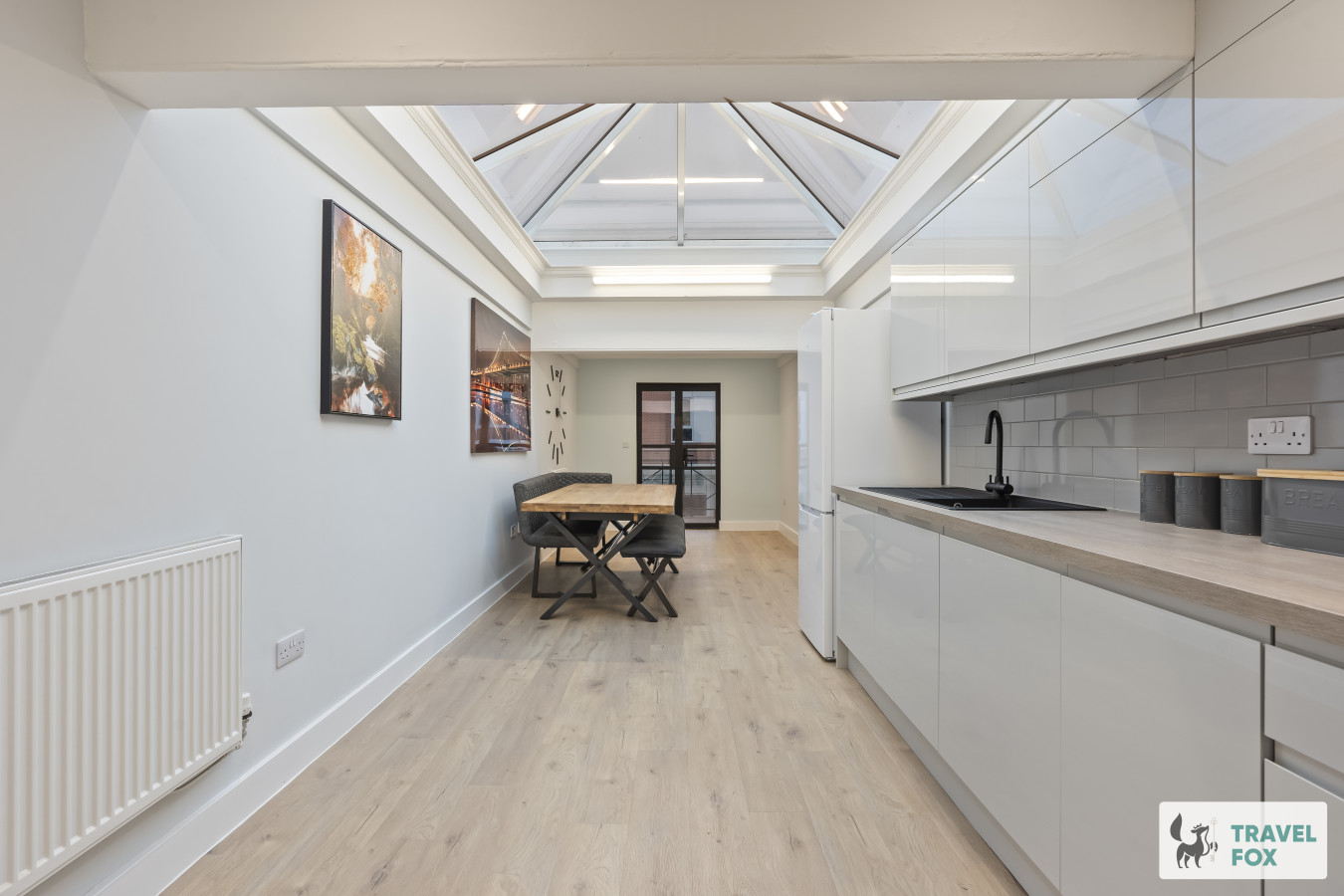
Nottingham
Camila's Penthouse Central Stay with Balcony
- Sleeps 16
- 5 bedrooms
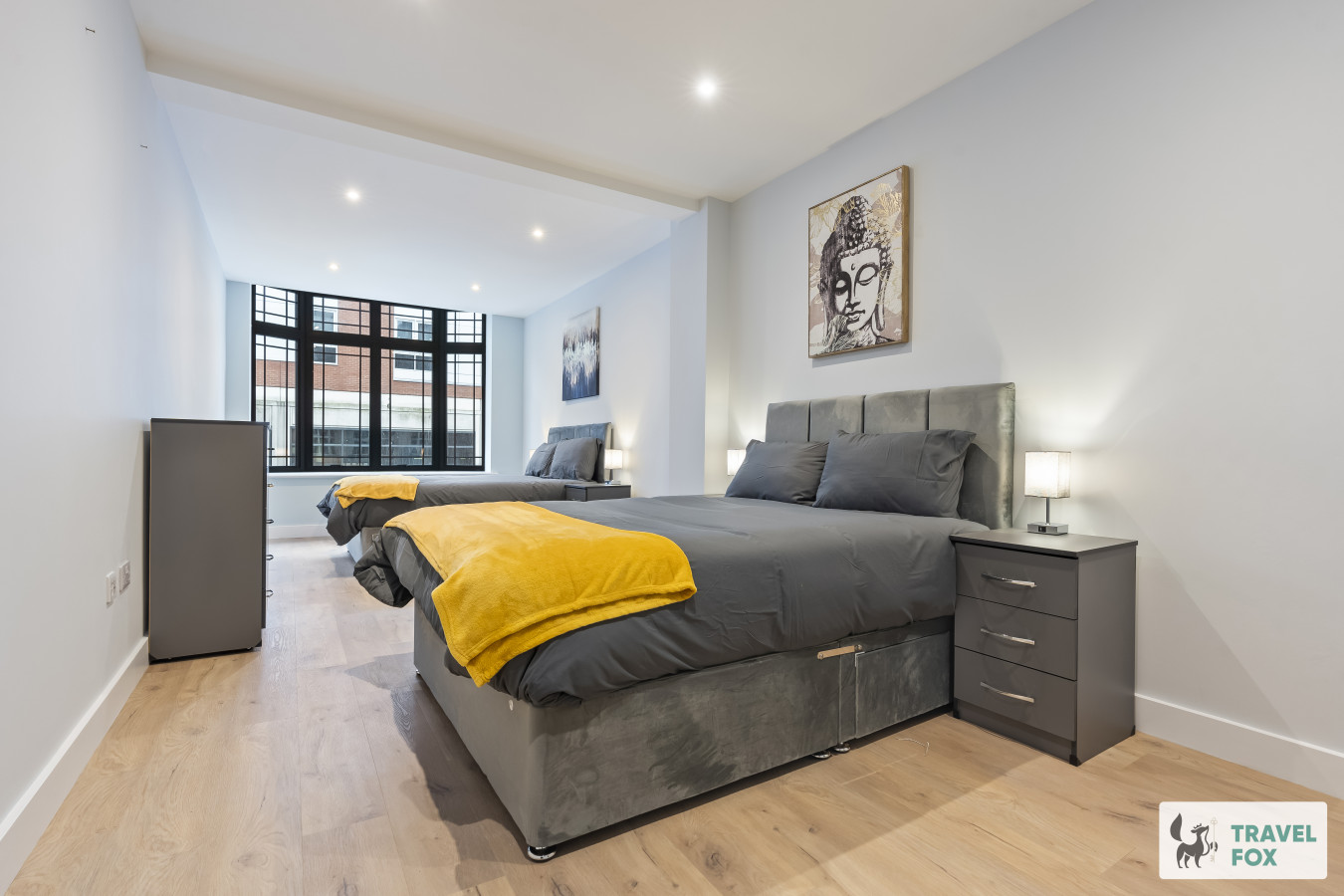
Nottingham
Blair's Central Stay
- Sleeps 16
- 5 bedrooms
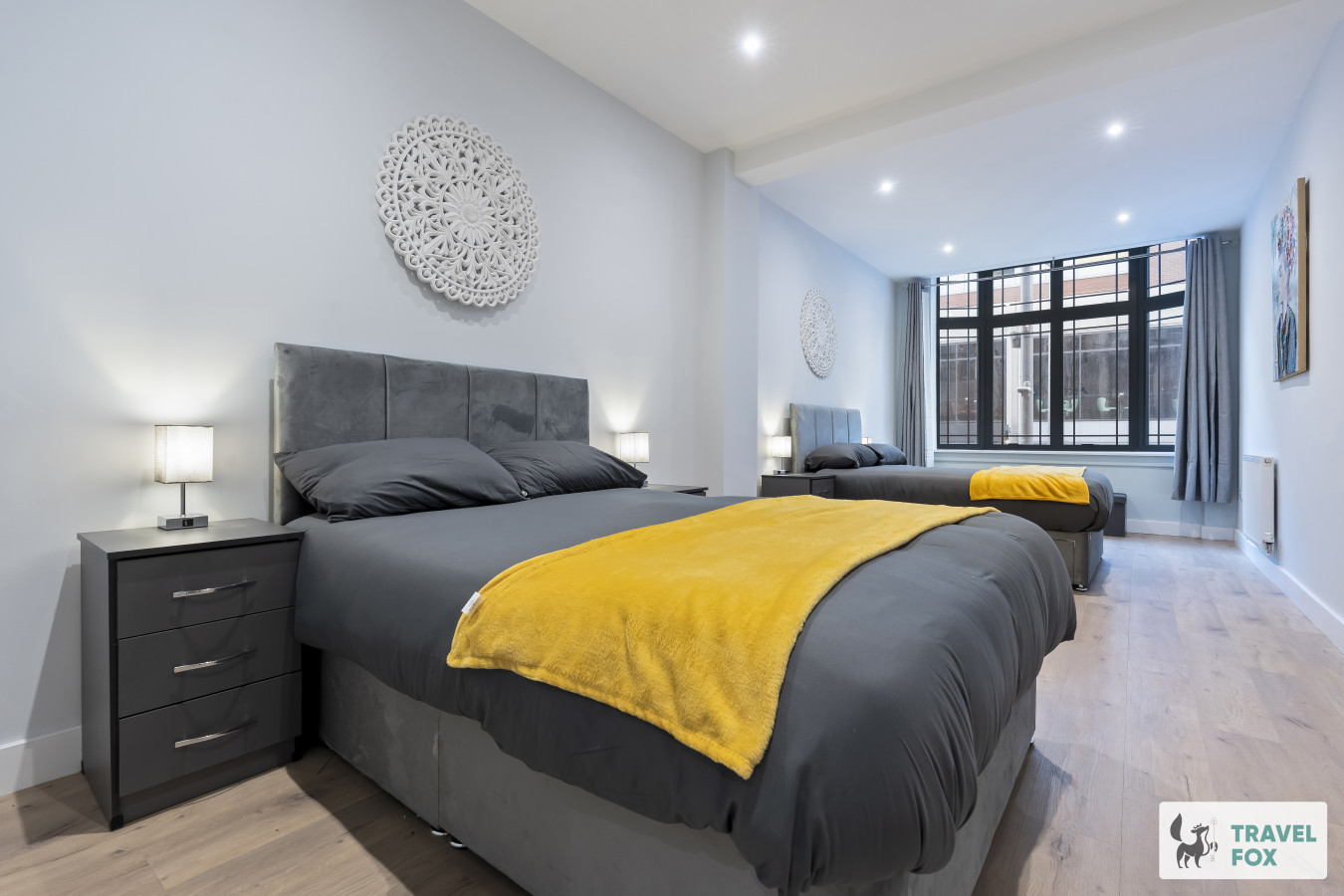
Nottingham
Anna's Central Stay
- Sleeps 16
- 5 bedrooms
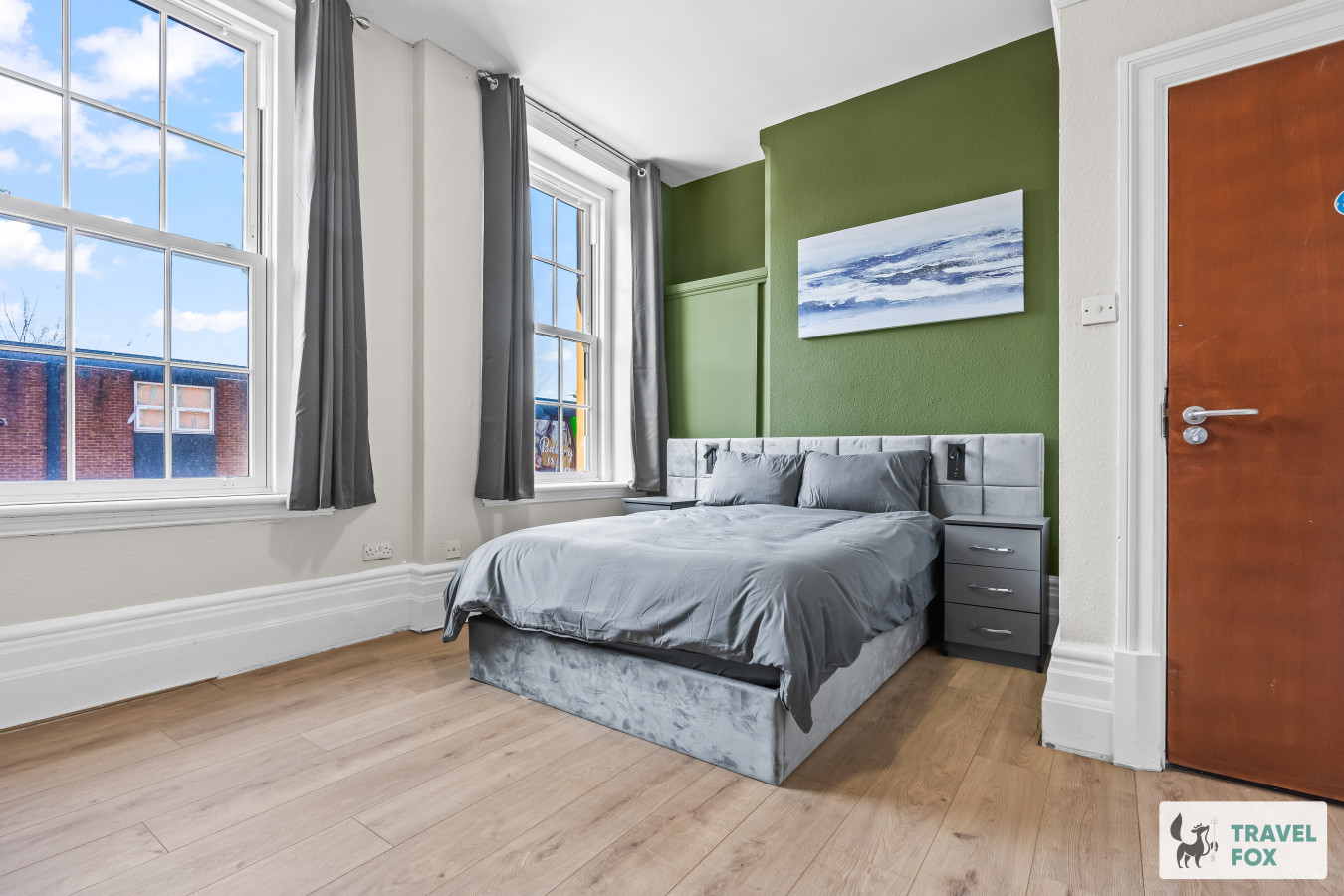
Nottingham
Melissa's Central Stay
- Sleeps 13
- 5 bedrooms
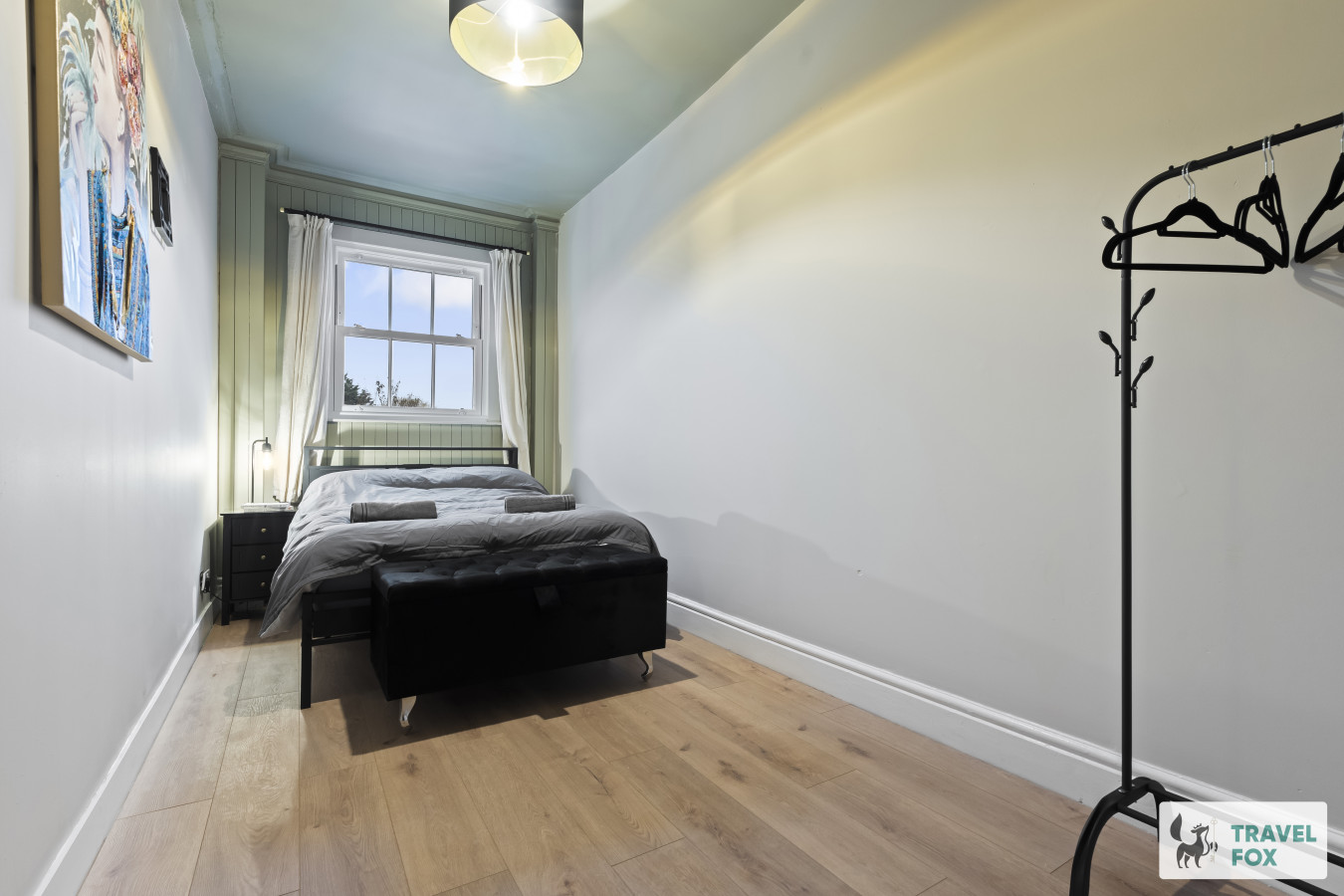
Nottingham
Callie's Central Stay
- Sleeps 9
- 3 bedrooms
For homeowners
Own a holiday home near Averham?
We manage holiday lets across the UK from 12% commission, charged after cleaning costs, with no lock-in. A co-founder visits before you decide.
How our holiday let management works →
A guide with a point of view
Written from research. Edited for real journeys.
Use the Official site links for live practical details, then use this guide for context, ideas and room to explore.
Sources
Every place on this page is checked against a published source. Each entry links the record we used and names who publishes it.
- Robin Hood Theatre — rhtc.co.uk other published source
- Church of St Michael and All Angels — historicengland.org.uk statutory register or public authority record not machine-readable; publisher restricts automated access
- Kelham Bridge — historicengland.org.uk statutory register or public authority record not machine-readable; publisher restricts automated access
- Causeway Arches — historicengland.org.uk statutory register or public authority record not machine-readable; publisher restricts automated access
- The Fox Inn — fox-inn.com operator, sector body or destination organisation
- Newark Air Museum — newarkairmuseum.org operator, sector body or destination organisation
- Southwell Minster — southwellminster.org operator, sector body or destination organisation