
Pilgrim paths and woodland quiet
Babworth
A scattered Nottinghamshire village where a church in Repton parkland anchors the story of Richard Clyfton, the Separatists and the Mayflower.
- Best for
- Pilgrim history and parkland walks
- Give it
- Two to four hours, or longer with a nearby stop
- Don't miss
- The carved mice in All Saints' Church
The Fox verdict
A small village with an unusually far-reaching story
Babworth rewards visitors who come for the church, its parkland setting and the paths taken by the future Mayflower leaders.
All Saints' Church brings together Perpendicular architecture, Kempe glass, Mousey Thompson furniture and Richard Clyfton's Separatist congregation. Around it, Repton's landscape and the Pilgrim routes turn a quiet rural stop into the starting point for a broader heritage day.
Where to go
Places in Babworth
Every place below is checked against a published source, listed with what it is and how long to give it.
Local signatures
3 placesAll Saints' Church, Babworth
A Grade I church with a diagonally buttressed tower, Kempe stained glass, Mousey Thompson furniture and the rediscovered 1569 communion chalice used by Richard Clyfton.
- Visit length
- Editorial estimate: around 60 minutes
- Locality
- alone amid Repton-landscaped parkland
- Access
- The church is open to visitors, with May–September Saturday opening reported; Snowdrops Weekend is seasonal.
Mayflower Trail
A route through the wider Pilgrim Roots network, linking Babworth with Scrooby and Sturton-le-Steeple through their shared Separatist and Mayflower story.
- Visit length
- Editorial estimate: around 120 minutes for a short section; allow longer for the full trail.
- Locality
- Babworth, Barnby Moor, Scrooby and Sturton-le-Steeple
Idle Valley Nature Reserve
One of the largest wetland nature reserves in the East Midlands, visited for birdwatching and walking.
- Visit length
- Editorial estimate: around 120 minutes
- Locality
- Idle Valley
Walks & outdoors
2 placesBabworth Hall Park
Parkland remodelled by Humphry Repton in 1790, with a ha-ha, lightly wooded ground and the site of an ornamental lake that dried up in the 1960s.
- Visit length
- Editorial estimate: around 60 minutes
- Locality
- Babworth Hall's grounds
- Access
- Babworth Hall remains a private home.
Clumber Park
A National Trust landscape of more than 3,800 acres, with parkland, heath, woodland, a serpentine lake and over 20 miles of traffic-free cycle ways.
- Visit length
- Editorial estimate: around 150 minutes
- Locality
- Clumber Park
History & heritage
1 placeSt Wilfrid's Church, Scrooby
A church stop in Scrooby, the village associated with William Brewster and his former Manor House in the Pilgrim Roots story.
- Visit length
- Editorial estimate: around 45 minutes
- Locality
- Scrooby
Things to do
1 placeSundown Adventureland
A theme park for children under ten, presented in the research as a nearby family option.
- Visit length
- Editorial estimate: around 120 minutes
- Locality
- at Rampton, south-east of Retford
No places match this filter. Choose All places to reset the list.
Three ways to explore Babworth
Signature outings
Find Mousey's carved mice
Robert "Mousey" Thompson's chancel and sanctuary furniture carries his signature carved-mouse trademark.
Walk beside Clumber's lake
Clumber Park adds a serpentine lake, extensive parkland and woodland to a Babworth visit.
Pair history with adventure
Sundown Adventureland is the nearby theme-park option identified for children under ten.
The village story
Babworth Village Guide
A church in the woodland, a Repton landscape and the paths that carried Babworth's Separatist story far beyond Nottinghamshire.
Parkland, village essentials and the church
All Saints' Church stands by itself in parkland laid out by Humphry Repton. The rest of Babworth is farmland and hedgerow, scattered along the Worksop road between two small streams, the Ryton and the Idle, about a mile and a half west of Retford.
There's no pub or shop in the village itself — for a meal or a pint you drive into Retford, close enough that most people here treat it as the local high street. What Babworth has instead is the church, the park around it, and a footpath with an unusually good story attached.
The church is worth the walk. The tower is diagonally buttressed, the nave runs through three bays of pointed arches on octagonal piers, and inside the stained glass is by Charles Eamer Kempe. The chancel furniture is by Robert "Mousey" Thompson, who signed every piece he made with a small carved mouse — worth a minute to go and find. Six bells hang in the tower now, three added in the late 1950s.
A quiet church and its hidden chalice
Sir Stephen Glynne, an antiquarian who visited in 1852, called it "a Perpendicular Church; of not much interest, but pleasing in its quiet retired situation."
Under the chancel floor sat a silver communion chalice, dated 1569 and used at services by the Pilgrim rector Richard Clyfton, hidden there for around 350 years until it turned up again in 1951.
Clyfton and the Pilgrim paths
Clyfton is the reason anyone outside Bassetlaw has heard of Babworth. Installed as rector in 1586, his preaching turned the congregation Separatist that same year, putting them outside the Church of England and, within a generation, on a boat. William Brewster, from nearby Scrooby, and William Bradford, from Austerfield, walked across the fields to hear him preach — the route is still known as the Pilgrims' Way. Both later sailed on the Mayflower and led the Plymouth Colony. Clyfton never made the crossing himself; he emigrated to Amsterdam and died there in 1616, though there's a street named after him in Plymouth, Massachusetts.
The Mayflower Trail starts at the church and runs on to Scrooby and Sturton-le-Steeple, part of a wider Pilgrim Roots network of villages with a claim on the same story.
Repton's park and Domesday loss
Closer to home, Babworth Hall Park is the easier walk — Repton laid out the grounds in 1790, complete with a ha-ha and a lake that dried up in the 1960s and was never refilled. The hall, mid-18th century and Grade II listed, was a WWI convalescent hospital and remains a private home.
Domesday valued the manor at ten shillings in 1086, down from £2 twenty years earlier — an 80% drop that says more about the Conquest than any battle report does.
Connections and Snowdrops Weekend
Retford station is a mile and a half away with services toward Sheffield and Lincoln, and the A1 marks the parish's western boundary. Clumber Park offers 3,800 acres, a lake, and the longest avenue of lime trees in Europe; Sundown Adventureland is about 7 miles from Babworth in a straight line, with a longer road journey, if you've children under ten in tow.
Late January brings the Snowdrops Weekend, when the church opens for refreshments and talks on the Pilgrim connection and the woodland around it turns white underfoot. It's a small, cold, well-attended thing.
Stay around Nottinghamshire
Make a longer stay of it
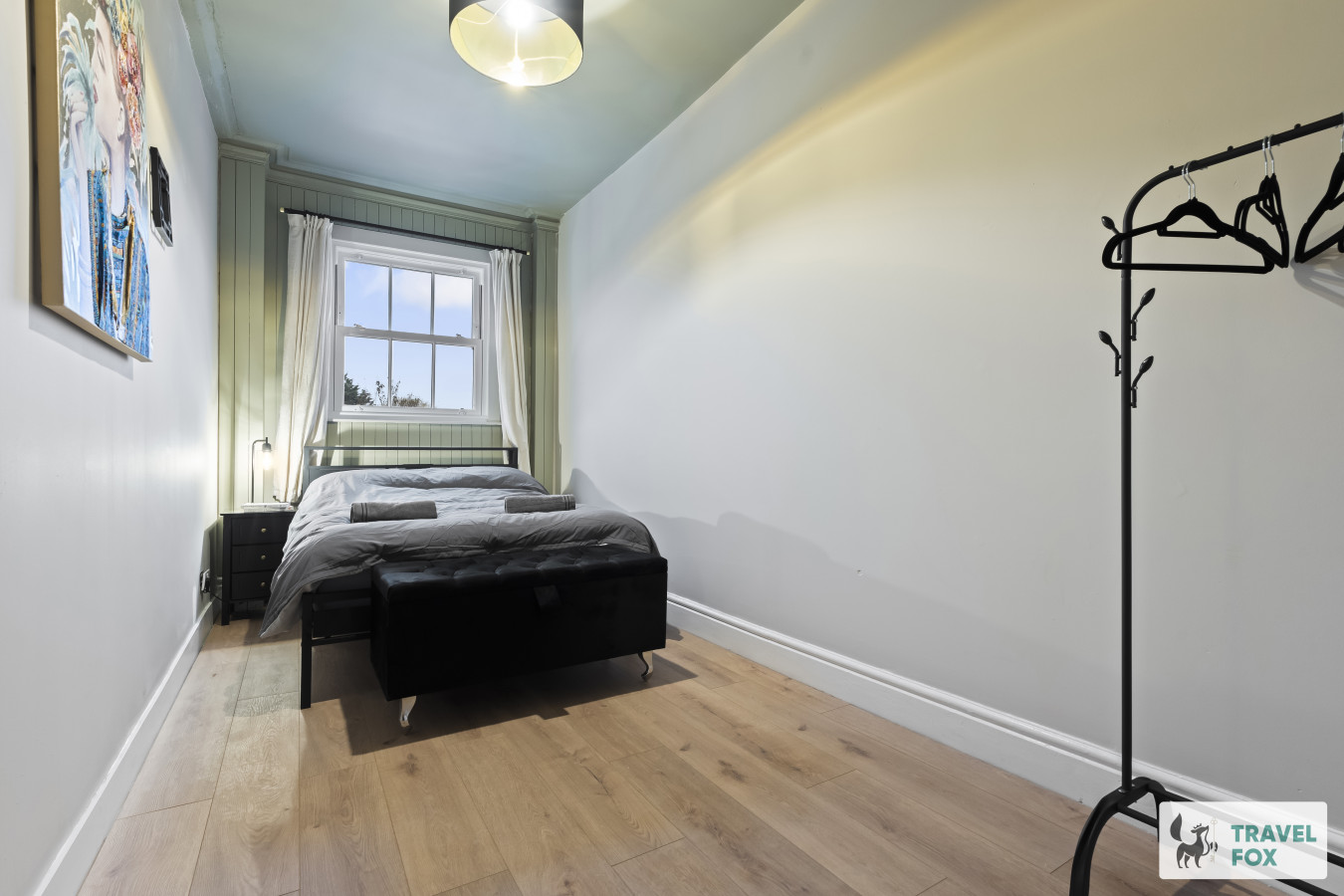
Travel Fox holiday homes around Nottinghamshire, linked directly to their property pages.
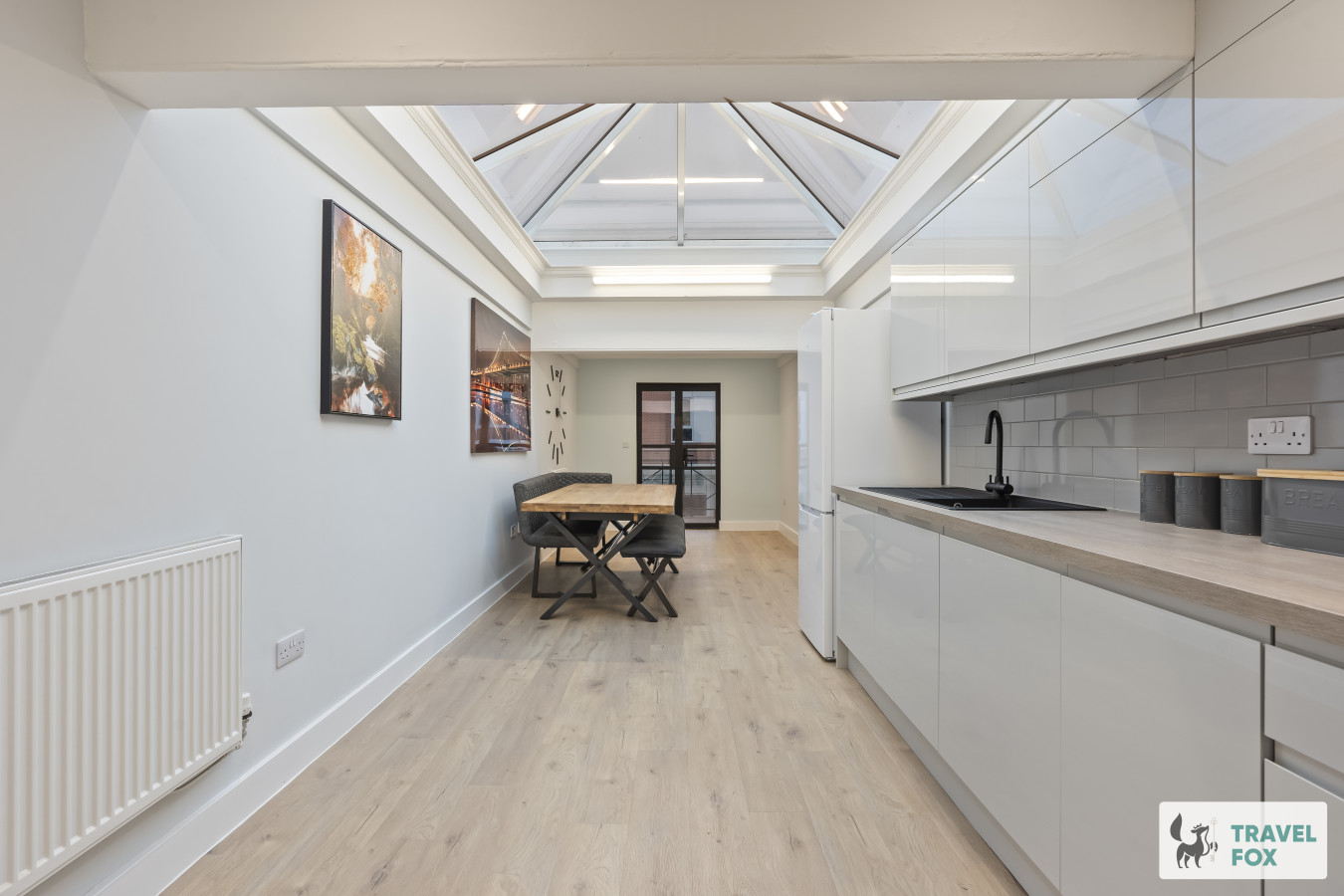
Nottingham
Camila's Penthouse Central Stay with Balcony
- Sleeps 16
- 5 bedrooms
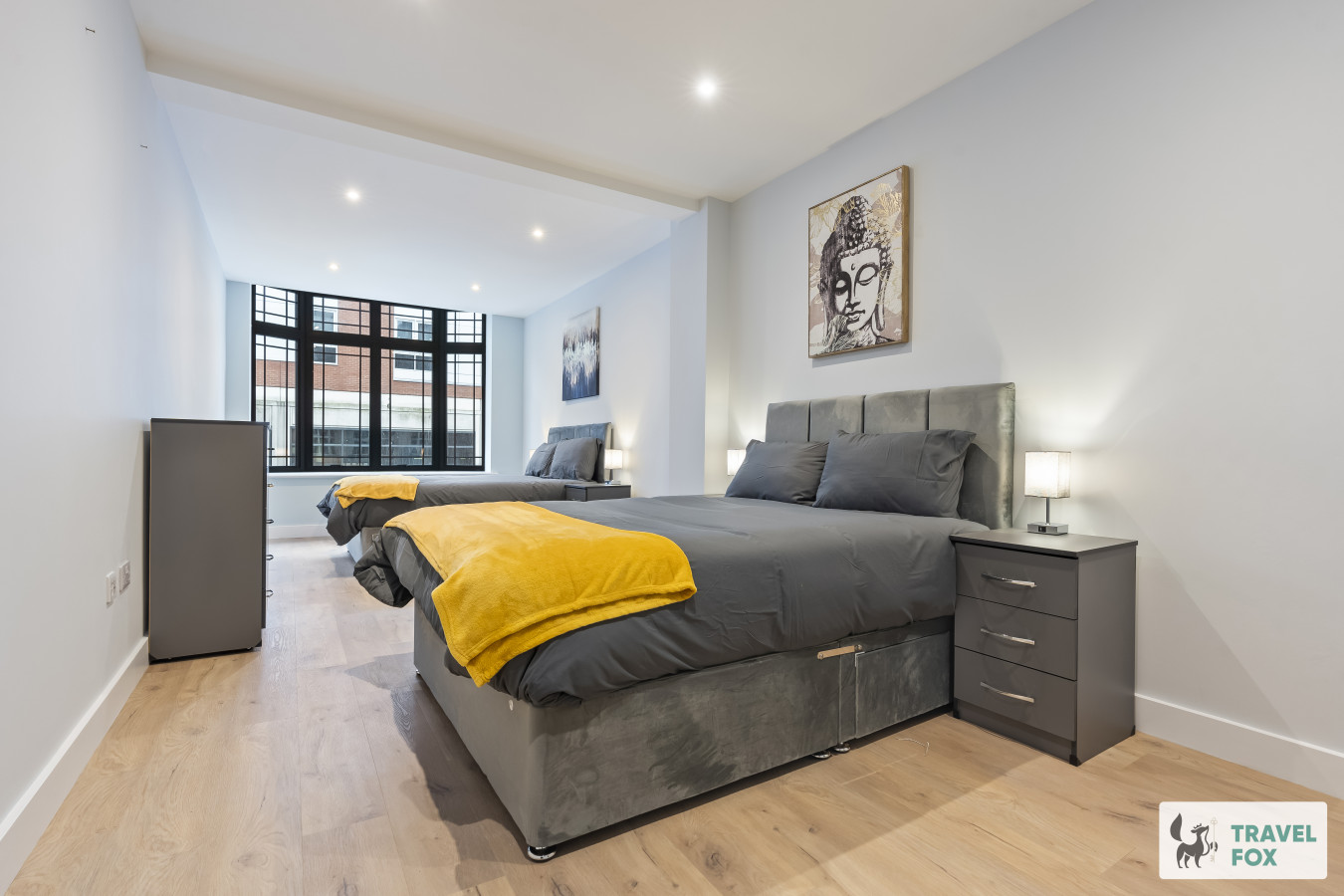
Nottingham
Blair's Central Stay
- Sleeps 16
- 5 bedrooms
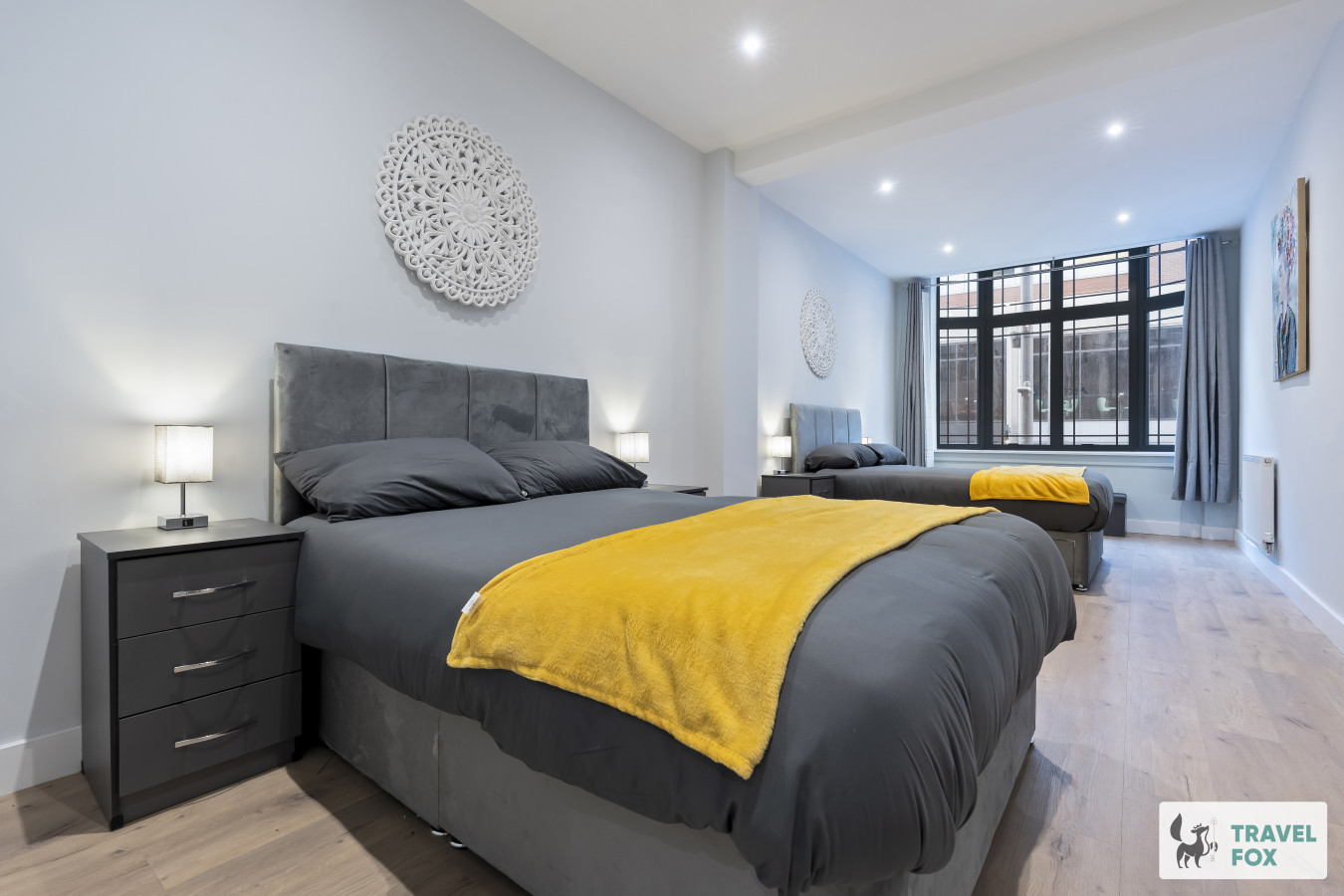
Nottingham
Anna's Central Stay
- Sleeps 16
- 5 bedrooms
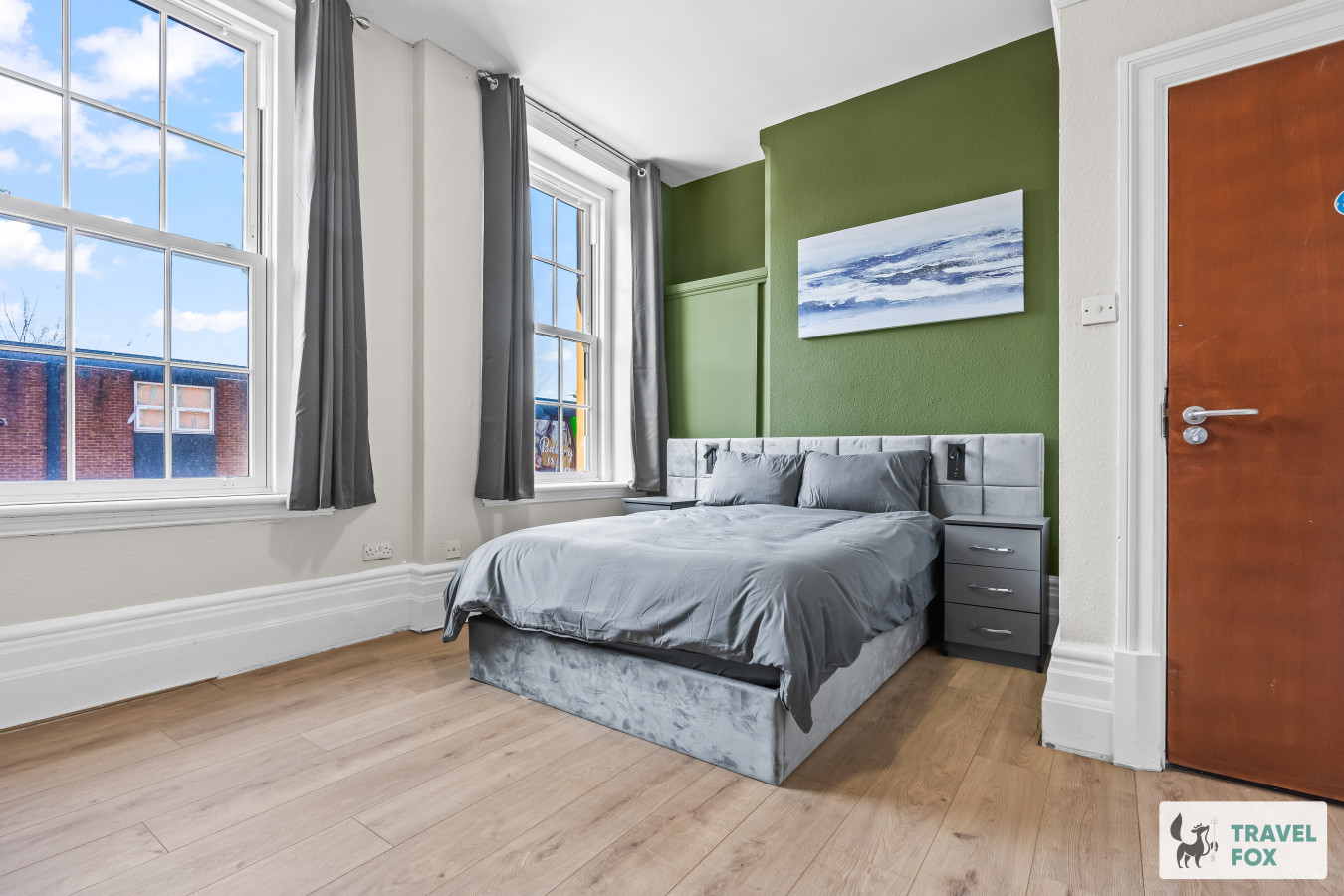
Nottingham
Melissa's Central Stay
- Sleeps 13
- 5 bedrooms
Nottingham
Callie's Central Stay
- Sleeps 9
- 3 bedrooms
For homeowners
Own a holiday home near Babworth?
We manage holiday lets across the UK from 12% commission, charged after cleaning costs, with no lock-in. A co-founder visits before you decide.
How our holiday let management works →
A guide with a point of view
Written from research. Edited for real journeys.
Use the Official site links for live practical details, then use this guide for context, ideas and room to explore.
Sources
Every place on this page is checked against a published source. Each entry links the record we used and names who publishes it.
- All Saints' Church, Babworth — nationalchurchestrust.org national body or asset manager
- Babworth Hall Park — historicengland.org.uk statutory register or public authority record not machine-readable; publisher restricts automated access
- Mayflower Trail — bassetlaw.gov.uk statutory register or public authority
- St Wilfrid's Church, Scrooby — nationalchurchestrust.org national body or asset manager
- Clumber Park — nationaltrust.org.uk national body or asset manager
- Idle Valley Nature Reserve — careers.bassetlaw.gov.uk statutory register or public authority
- Sundown Adventureland — sundownadventureland.co.uk operator, sector body or destination organisation