
Coal, community and woodland
Bestwood Village
A former colliery village where a rare winding engine stands beside a broad country park and community institutions still shape Saturday mornings.
- Best for
- Industrial heritage and country-park walks
- Give it
- A Saturday morning
- Don't miss
- The winding engines in their original building
The Fox verdict
A mining village with its working memory intact
Bestwood Village brings an exceptional engine house, community institutions and restored colliery landscape into one compact guide.
The winding engines supply the singular industrial landmark, while the Welfare and volunteer-run Dynamo House keep the community story alive. Beyond them, Mill Lakes, wildflower meadows and mature woodland show how former colliery land became a 650-acre country park.
Where to go
Places in Bestwood Village
Every place below is checked against a published source, listed with what it is and how long to give it.
Local signatures
3 placesBestwood Winding Engine House
A tall brick engine house built in 1873, containing two single-cylinder vertical winding engines in their original building. Volunteer-led tours use a lift to reach the upper levels.
- Visit length
- Editorial estimate: allow around 60 minutes
- Locality
- Bestwood Village
- Access
- Free volunteer-led tours are offered; group visits can be arranged.
Bestwood Country Park
A 650-acre landscape of restored colliery tip and former parkland, with heath, grassland, wetland, formal gardens, lakes, meadows and ancient oak woodland.
- Visit length
- Editorial estimate: allow around 120 minutes
- Locality
- Bestwood Country Park
The Welfare Public House & Kitchen
A charity-run community pub that grew out of the miners' welfare institute, with changing cask ales and the Velvet Room for functions and local groups.
- Visit length
- Editorial estimate: allow around 75 minutes
- Locality
- Bestwood Village
- Access
- The pub is dog friendly.
Food & drink
1 placeDynamo House Community Cafe
A volunteer-run community cafe serving hot and cold drinks and home-made cakes, with all profits returned to the country park.
- Visit length
- Editorial estimate: allow around 45 minutes
- Locality
- inside Bestwood Country Park
- Access
- Volunteer-run café serving drinks and home-made cakes; profits return to the country park.
Walks & outdoors
2 placesMill Lakes
A waterside walk around Mill Lakes, with birdlife and a circular route.
- Visit length
- Editorial estimate: allow around 60 minutes
- Locality
- within Bestwood Country Park
Big Wood
A mature woodland section of the Historic Bestwood linear walk.
- Visit length
- Editorial estimate: allow around 90 minutes
- Locality
- within Bestwood Country Park
History & heritage
1 placeSt Mark's Church
Built in 1886 and first used in 1887, St Mark's has an unusual northwest-to-southeast axis and a painted-brick interior. One of its original nave fireplaces bore the words ‘WALK AS CHILDREN OF LIGHT.’
- Visit length
- Editorial estimate: allow around 30 minutes
- Locality
- Bestwood Village
- Access
- Contact the parish about interior visits.
No places match this filter. Choose All places to reset the list.
Three ways to explore Bestwood Village
Signature outings
Hear the Mine's Story
Take the lift to the top of the engine house, then descend by stairs as a volunteer explains the mine and its original winding engines.
Support the Park
Stop at volunteer-run Dynamo House for a hot or cold drink and home-made cake, with every profit going back into the park.
See St Mark's
Walk to St Mark's, built for the growing colliery village, and see the Victorian church funded by the Duke of St Albans and the colliery company.
The village story
Bestwood Village: Engines, Welfare and Parkland
Explore Bestwood's 650-acre country park and its surviving colliery winding engine house.
Engine House and Miners' Welfare
A lift takes you up through the Bestwood Winding Engine House, a tall brick building dating from 1873, and the stairs lead you back down as a volunteer tells the mine's story. Inside are two single-cylinder vertical winding engines, still in their original building. They are said to be the sole surviving in-situ example of their type in Great Britain. Guided tours are free and volunteer-led.
The Welfare grew out of the miners' welfare institute and is run by the Bestwood Miners' Welfare Charity. It serves changing cask ales and welcomes dogs. Its Velvet Room hosts events, and the Black Diamonds Brass Band is based there.
Saturday in the Country Park
For food and a sit-down, there's Dynamo House, a community café inside Bestwood Country Park. Volunteers serve hot and cold drinks and home-made cakes, with proceeds helping the park, and the café sits beside the winding engine house.
The park itself is 650 acres of restored colliery tip and old parkland—Mill Lakes for the water birds, wildflower meadows, an adventure playground and Big Wood, a magnificent area of mature woodland. The Robin Hood Way runs through on its way to Papplewick Moor, climbing to the old pit-tip summit for views toward Newstead Abbey. National Cycle Route 6 also passes through.
Nell Gwyn and the Royal Hunting Ground
Before it was a colliery village, Bestwood was royal hunting ground, and the story that survives is Nell Gwyn's. Local legend says Charles II promised her all the land she could ride around before breakfast, so she set off early dropping handkerchiefs to mark the boundary. The former Crown park passed to Nell and their son, who became the first Duke of St Albans. A medieval hunting lodge stood here long before the mining village.
Coal, Terraces and St Mark's
The colliery came in 1875, and the terraces built for its workforce on Park Road, St Albans Road and The Square are now a conservation area. The mine closed in 1967. St Mark's Church was built in 1886 and first used the following year; one of its original nave fireplaces bore the words "WALK AS CHILDREN OF LIGHT."
Arriving for Saturday Morning
Hucknall station is on the Robin Hood Line, and Stagecoach's 141 serves Bestwood Village between Nottingham and Mansfield. Saturday morning makes a natural starting point for a walk through the park.
Stay around Nottinghamshire
Make a longer stay of it
Travel Fox holiday homes around Nottinghamshire, linked directly to their property pages.
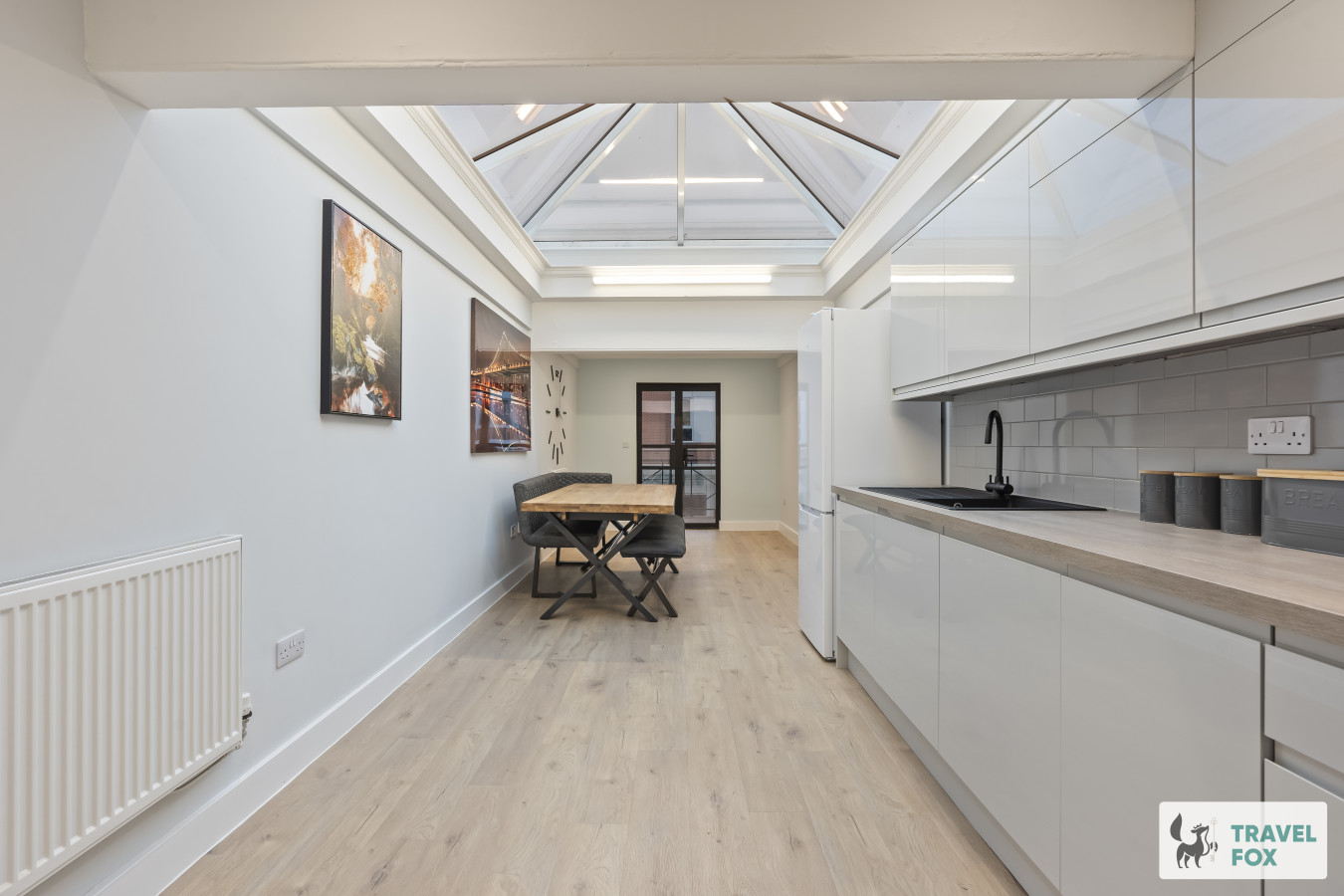
Nottingham
Camila's Penthouse Central Stay with Balcony
- Sleeps 16
- 5 bedrooms
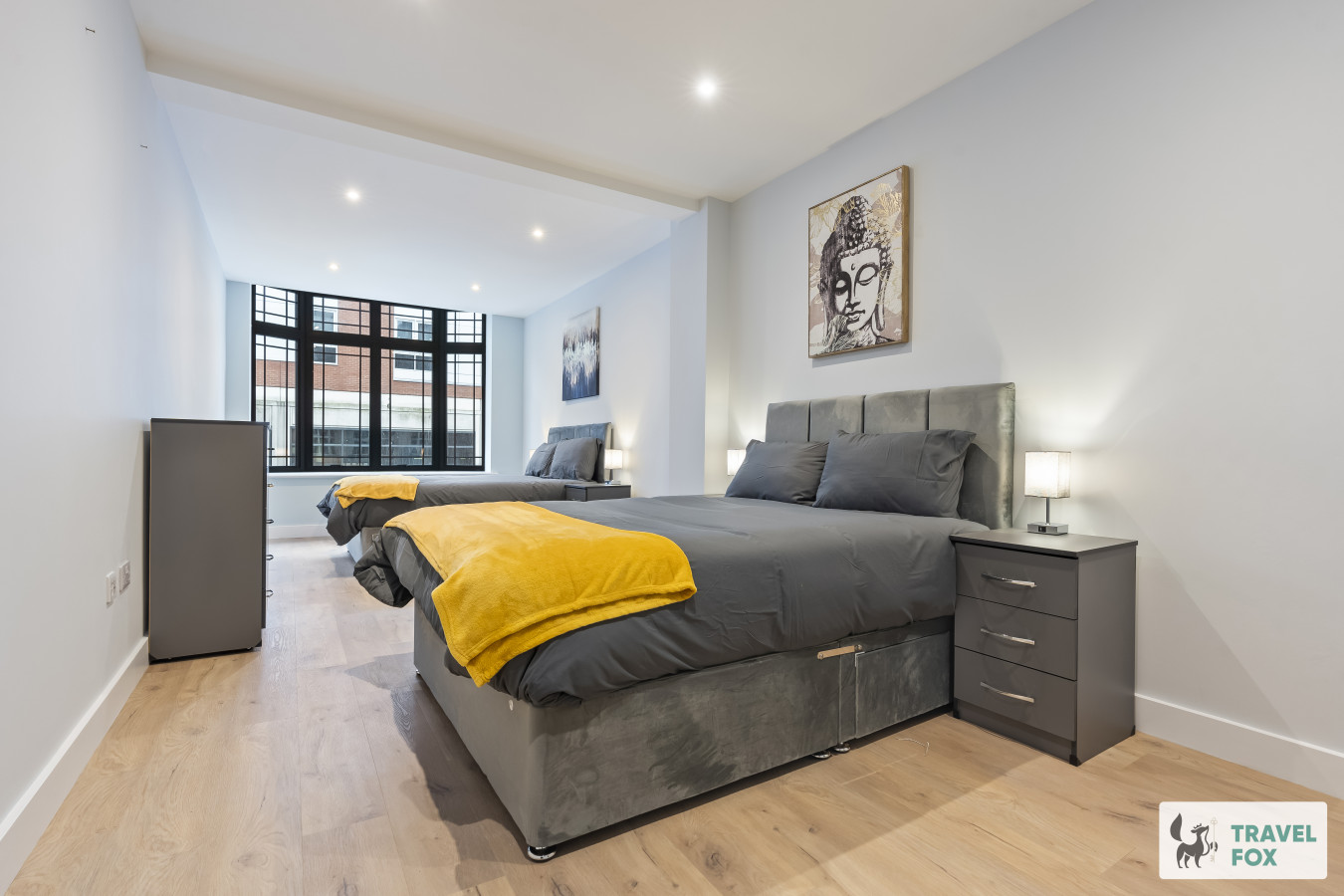
Nottingham
Blair's Central Stay
- Sleeps 16
- 5 bedrooms
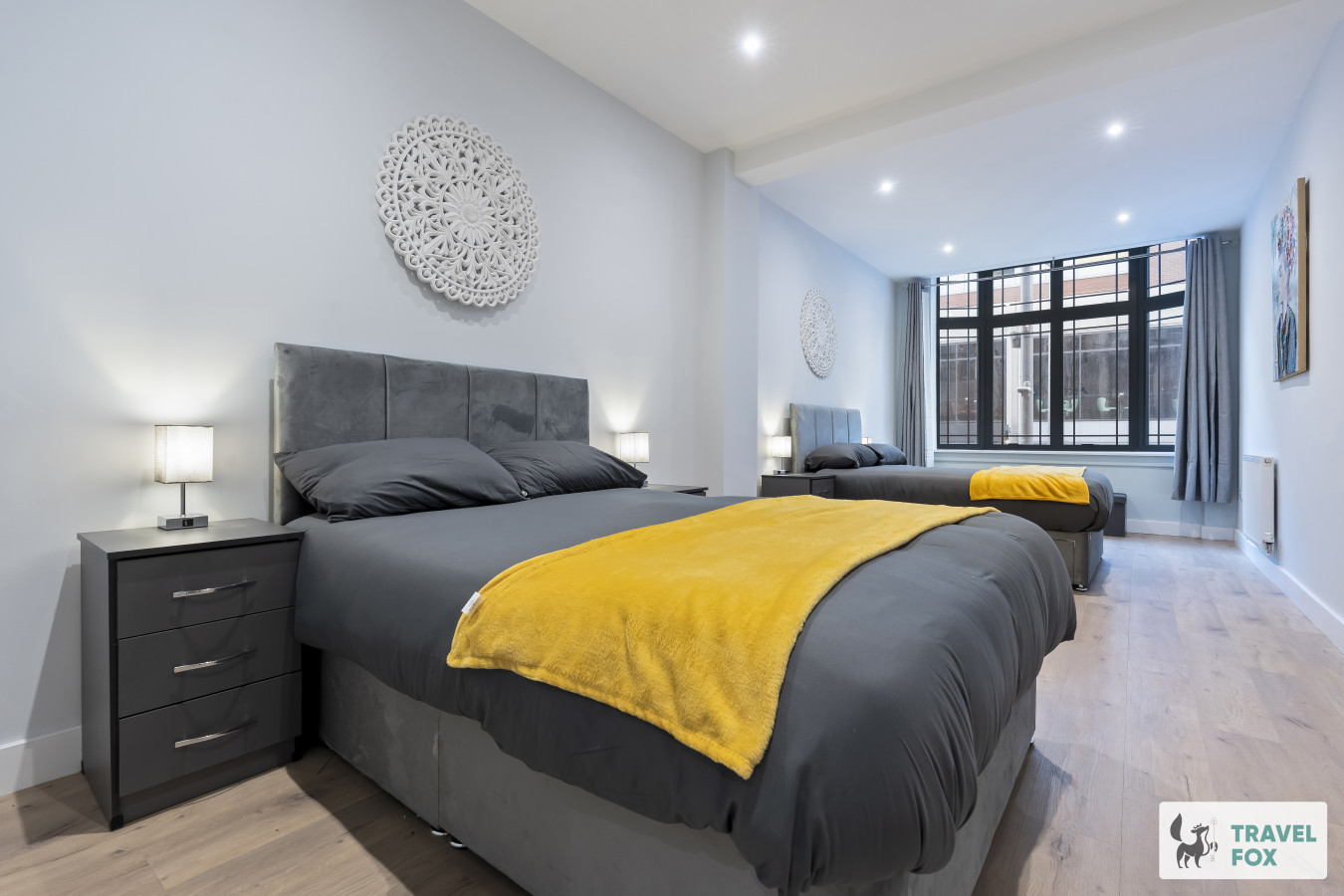
Nottingham
Anna's Central Stay
- Sleeps 16
- 5 bedrooms
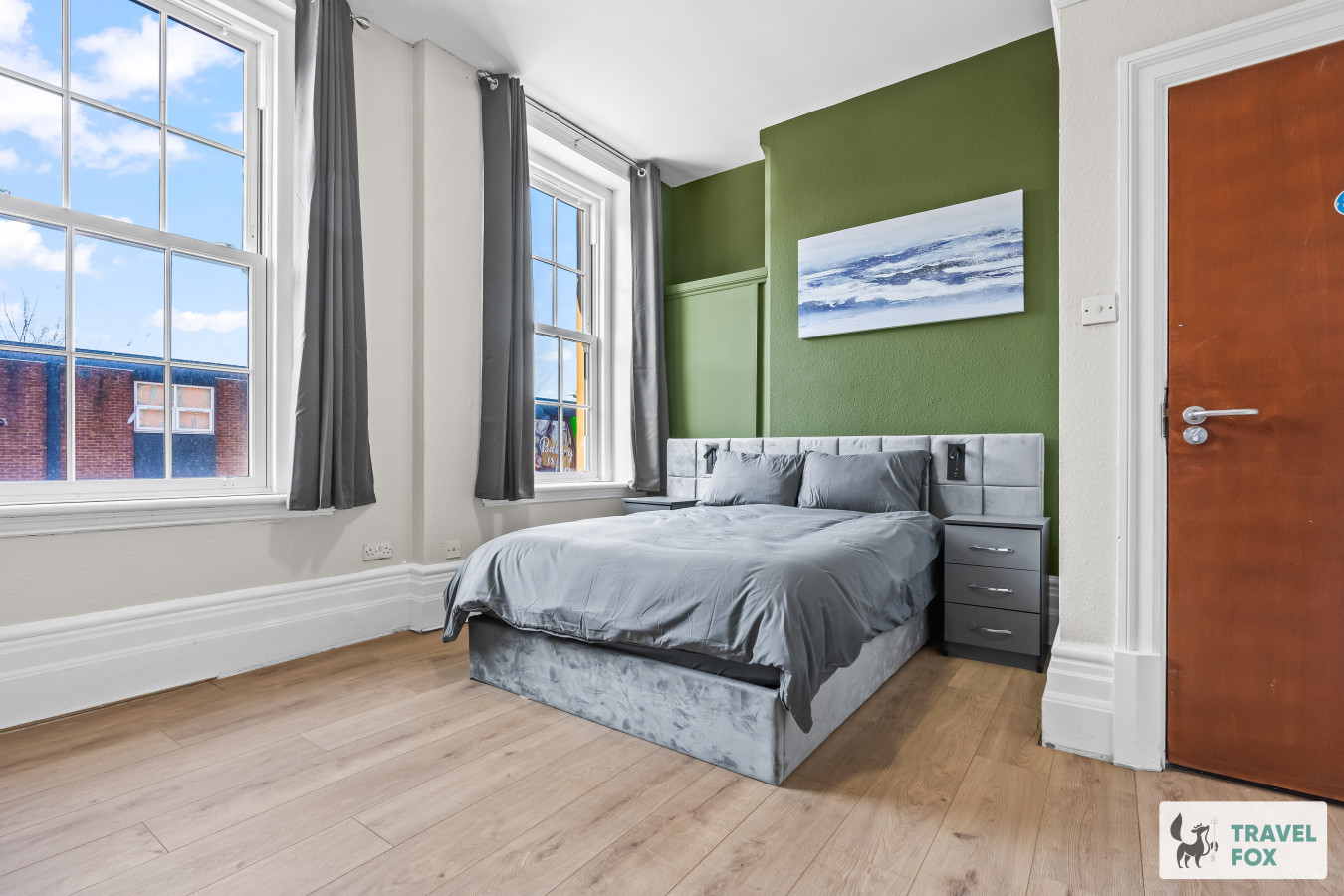
Nottingham
Melissa's Central Stay
- Sleeps 13
- 5 bedrooms
Nottingham
Callie's Central Stay
- Sleeps 9
- 3 bedrooms
For homeowners
Own a holiday home near Bestwood Village?
We manage holiday lets across the UK from 12% commission, charged after cleaning costs, with no lock-in. A co-founder visits before you decide.
How our holiday let management works →
A guide with a point of view
Written from research. Edited for real journeys.
Use the Official site links for live practical details, then use this guide for context, ideas and room to explore.
Sources
Every place on this page is checked against a published source. Each entry links the record we used and names who publishes it.
- Bestwood Winding Engine House — historicengland.org.uk statutory register or public authority record not machine-readable; publisher restricts automated access
- Bestwood Country Park — gedling.gov.uk statutory register or public authority
- Dynamo House Community Cafe — gedling.gov.uk statutory register or public authority
- The Welfare Public House & Kitchen — welfarecharity.org operator, sector body or destination organisation
- St Mark's Church — southwellchurches.nottingham.ac.uk university heritage research
- Mill Lakes — nottinghamshire.gov.uk statutory register or public authority
- Big Wood — nottinghamshire.gov.uk statutory register or public authority