
Norman stone and coaching-inn character
Blyth
A north Nottinghamshire village of Norman stone, historic inns and a two-mile circular walk.
- Best for
- Early Norman architecture, traditional pubs and a fairly flat circular walk
- Give it
- A leisurely two-mile walk plus time for the church and a pub meal
- Don't miss
- The church's rediscovered fifteenth-century Last Judgement painting
The Fox verdict
A compact village with unusually deep history
Blyth pairs one of the country's important early Norman church interiors with a strong cluster of historic pubs and an easy village walk.
Start at the former priory church and look for its fifteenth-century Doom painting, then follow the two-mile circuit past Spital Farm and back through the village. Finish with pub food or real ale.
Where to go
Places in Blyth
Every place below is checked against a published source, listed with what it is and how long to give it.
Local signatures
3 placesAngel Inn
A Grade II listed coaching inn on Bawtry Road, now a pub and hotel with cask ales, rooms and a dog-friendly garden.
- Visit length
- Editorial estimate: Allow around 75 minutes
- Locality
- Bawtry Road
Red Hart
A dining pub in a former coaching inn, rotating up to four guest beers and serving dishes from hand-battered fish to lobster thermidor.
- Visit length
- Editorial estimate: Allow around 75 minutes
- Locality
- Bawtry Road
Blyth Circular Walk
A two-mile circuit beginning at the church gates, passing Spital Farm and returning through the village green. Allow up to two hours at a leisurely pace; the route is fairly flat with one gentle incline.
- Visit length
- Editorial estimate: Around 2 hours at a leisurely pace
- Locality
- starting at St Mary and St Martin's church
Food & drink
2 placesWhite Swan Inn
A traditional pub and restaurant with hand-carved Sunday roasts, pub classics, a dog-friendly beer garden and live music events.
- Visit length
- Editorial estimate: Allow around 75 minutes
- Locality
- High Street
Blyth Post Office
Blyth's High Street Post Office offers Drop & Go parcel services, euro currency exchange and vehicle tax services.
- Visit length
- Editorial estimate: Allow around 15 minutes
- Locality
- High Street
History & heritage
1 placeSt Mary and St Martin's Church
The Grade I former priory church was built for the Benedictine house founded by Roger de Busli in 1088. Early Norman work survives alongside a fifteenth-century Last Judgement painting discovered in 1885 and conserved in 1987.
- Visit length
- Editorial estimate: Allow around 45 minutes
- Locality
- behind the village green
No places match this filter. Choose All places to reset the list.
Three ways to explore Blyth
Signature outings
Hand-carved Roast at the Swan
Pair a hand-carved Sunday roast with the White Swan's three-century pub story and dog-friendly beer garden.
Norman Stone and Hidden Paint
Enter the priory church to see early Norman stonework and a fifteenth-century Last Judgement wall painting, discovered in 1885 and conserved in 1987.
History on the Blyth Circuit
Look for the old Blyth Hall gates and two wartime memorials as the circular route brings you back to the village green.
The village story
Norman Stone and Village Paths in Blyth
Historic inns, practical village stops, Norman architecture and an easy walk give Blyth more layers than its compact scale suggests.
Old Inns and Sunday Plates
The White Swan on the High Street traces its history back more than 300 years. It serves hand-carved Sunday roasts alongside fish and chips and steak and ale pie, with a dog-friendly beer garden and outdoor dining. Live music and quizzes round out the events programme.
On Bawtry Road, the Angel Inn is a Grade II listed pub and hotel. The eighteenth- and nineteenth-century fabric includes stucco, canted bay windows and a doorway framed by Tuscan half-columns; the inn serves cask ales and has a garden gin bar and dog-friendly garden.
Cask Beer on Bawtry Road
Further along Bawtry Road, the Red Hart occupies a former seventeenth-century coaching inn. It offers a traditional tap room, regularly changing guest beers and a menu ranging from hand-battered fish to lobster thermidor.
A beer garden and dining room give walkers a choice between a pint and a meal after the village circuit.
Village Essentials and the Green
Blyth Post Office on the High Street provides Drop & Go parcel services, euro currency exchange and vehicle tax services.
Benches on the village green offer a pause before the circular walk continues through Blyth towards the church.
Priory Foundations and Tournament History
Behind the green stands St Mary and St Martin's church, built for a Benedictine priory founded by Roger de Busli in 1088. The Norman nave and north aisle survive alongside a fifteenth-century Doom painting discovered in 1885 and conserved in 1987. Domesday Book recorded eight households at Blyth in 1086.
In 1194 Richard I authorised a tournament field between Blyth and Styrrup, one of five licensed sites in England.
A Circular Walk
The Blyth Circular Walk begins at the church gates. The two-mile route passes Spital Farm, then returns by the cemetery and village green. It is fairly flat, with one gentle incline, and takes up to two hours at a leisurely pace.
The village green offers another place to pause after the walk.
Stay around Nottinghamshire
Make a longer stay of it
Travel Fox holiday homes around Nottinghamshire, linked directly to their property pages.
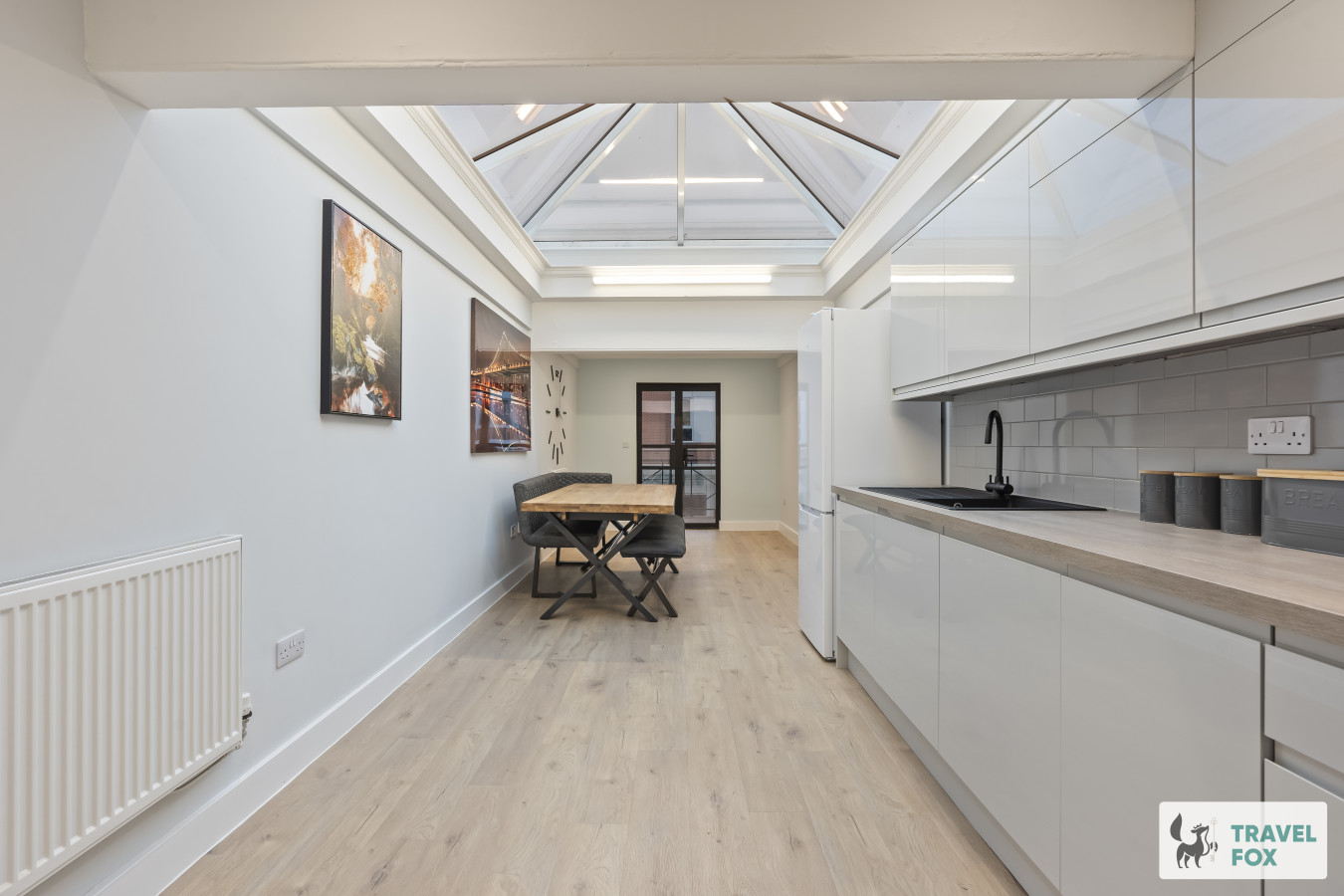
Nottingham
Camila's Penthouse Central Stay with Balcony
- Sleeps 16
- 5 bedrooms
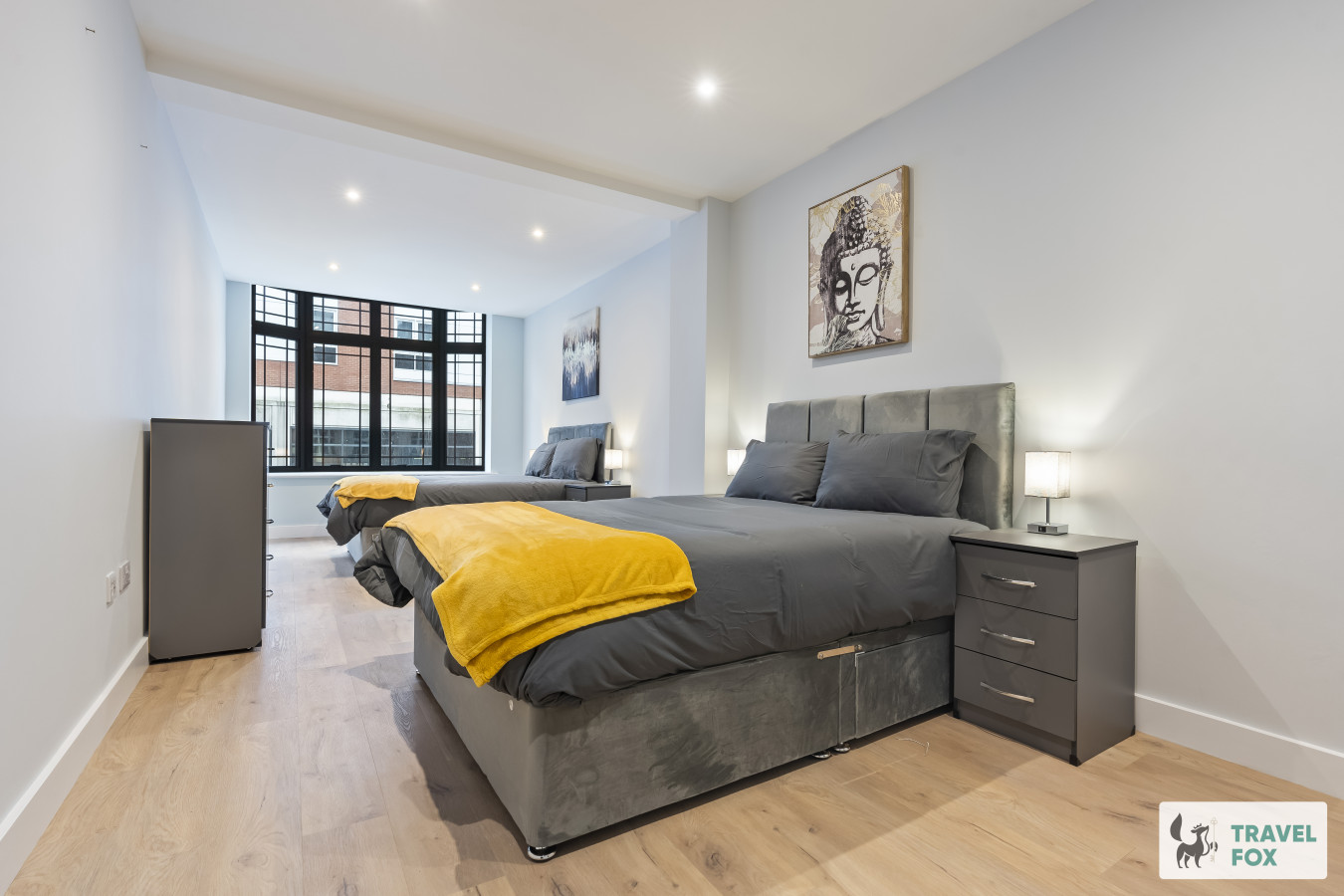
Nottingham
Blair's Central Stay
- Sleeps 16
- 5 bedrooms
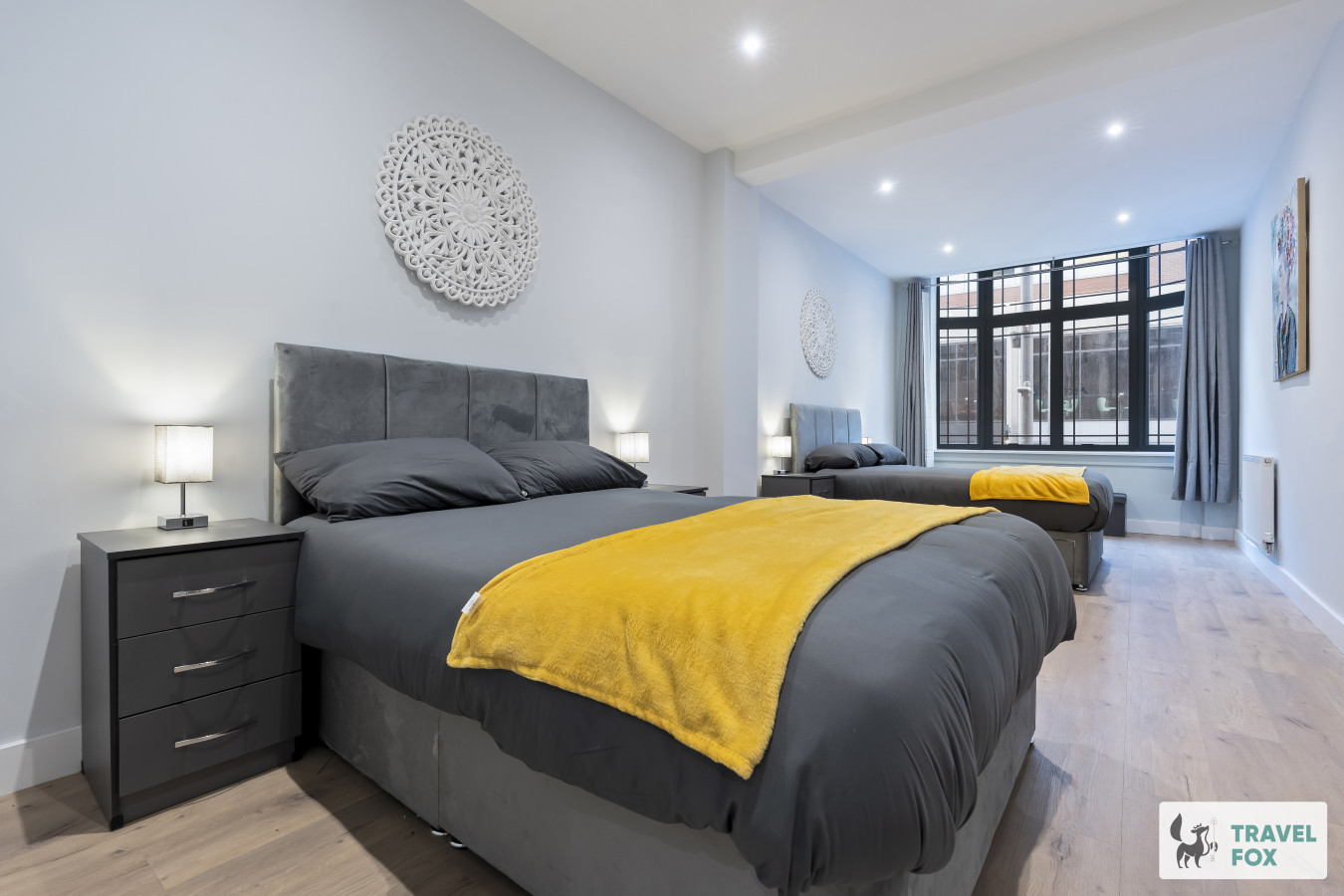
Nottingham
Anna's Central Stay
- Sleeps 16
- 5 bedrooms
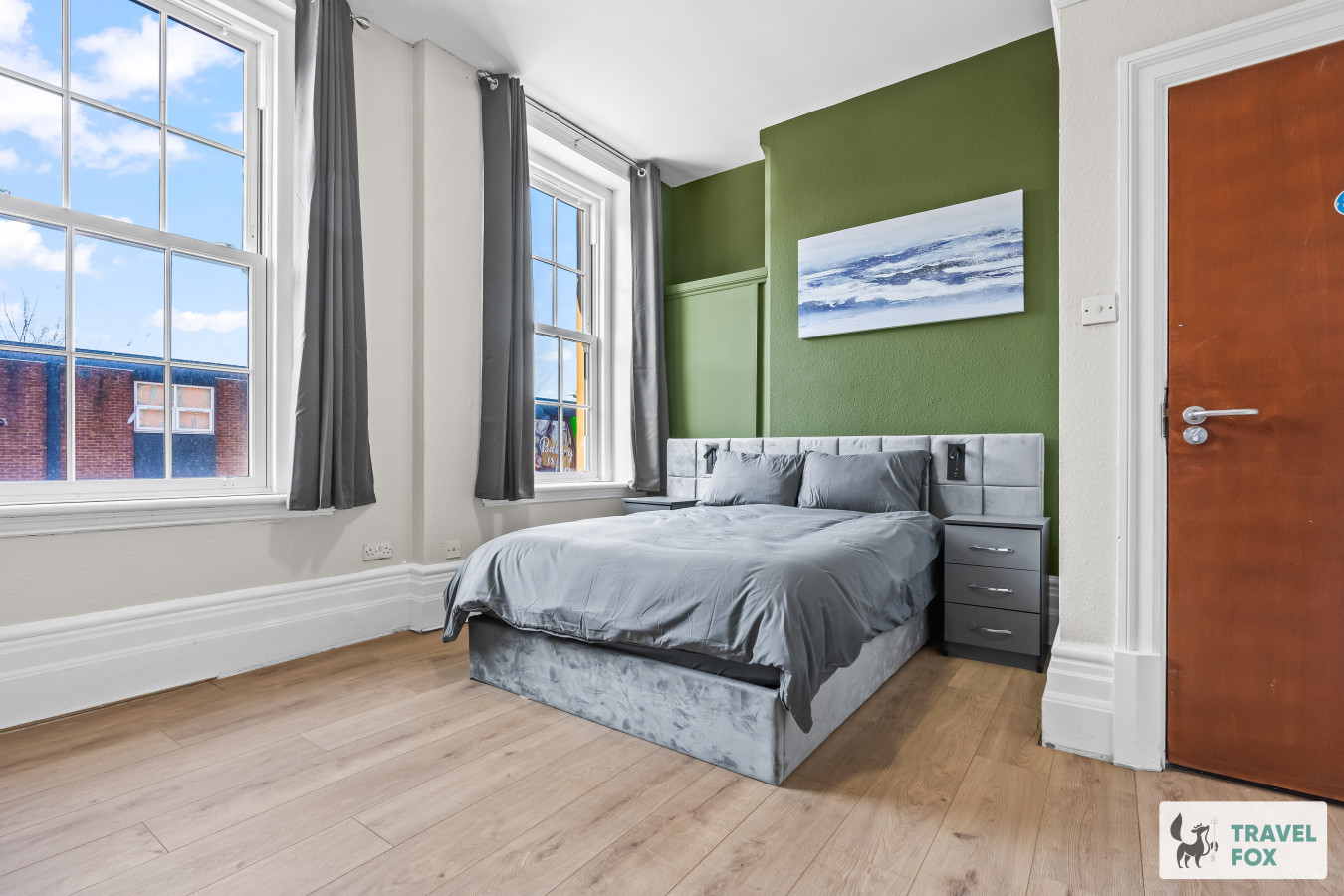
Nottingham
Melissa's Central Stay
- Sleeps 13
- 5 bedrooms
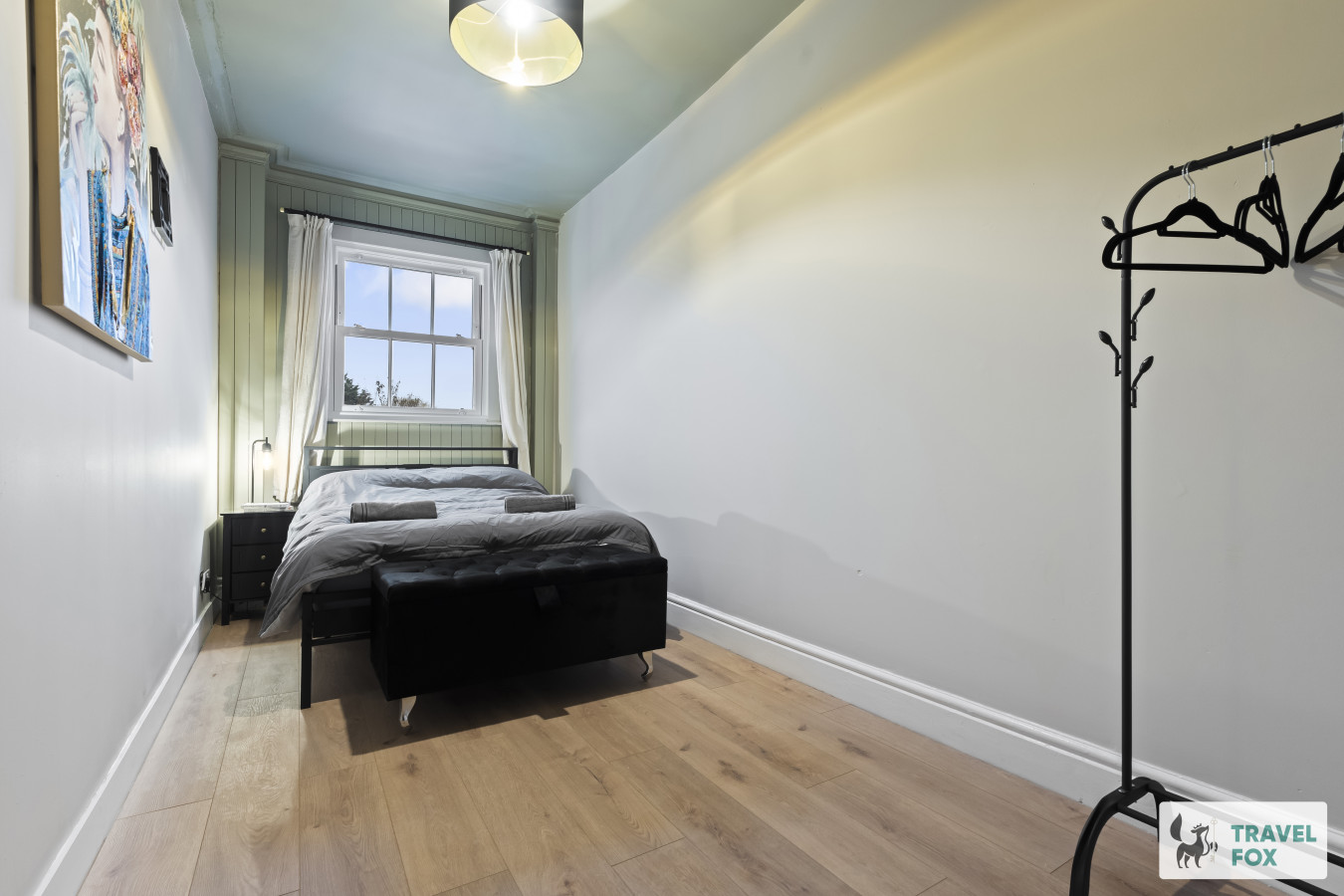
Nottingham
Callie's Central Stay
- Sleeps 9
- 3 bedrooms
For homeowners
Own a holiday home near Blyth?
We manage holiday lets across the UK from 12% commission, charged after cleaning costs, with no lock-in. A co-founder visits before you decide.
How our holiday let management works →
A guide with a point of view
Written from research. Edited for real journeys.
Use the Official site links for live practical details, then use this guide for context, ideas and room to explore.
Sources
Every place on this page is checked against a published source. Each entry links the record we used and names who publishes it.
- White Swan Inn — whiteswaninnblyth.co.uk operator, sector body or destination organisation
- Angel Inn — theangelinnblyth.co.uk operator, sector body or destination organisation
- Red Hart — redhart.co.uk operator, sector body or destination organisation
- Blyth Post Office — postoffice.co.uk operator, sector body or destination organisation record not machine-readable; publisher restricts automated access
- St Mary and St Martin's Church — nationalchurchestrust.org national body or asset manager
- Blyth Circular Walk — nationalchurchestrust.org national body or asset manager