
Nottinghamshire village guide
Bunny
A village shaped by Sir Thomas Parkyns, with a Grade I church, ancient woodland and a 17th-century coaching inn.
- Best for
- Church history, woodland and pub food
- Give it
- Half a day, or longer with Ruddington
- Don't miss
- Parkyns wrestling Father Time in St Mary's
The Fox verdict
A small village with an outsized Parkyns story
Come for the wrestling monument, the ancient wood and a coaching-inn meal; add Ruddington when you want a longer day.
Bunny's strongest short visit combines St Mary's, Bunny Old Wood and the Rancliffe Arms. Sir Thomas Parkyns links the church, the inn and much of the village's surviving historic fabric, while the wood supplies the nature stop.
Where to go
Places in Bunny
Every place below is checked against a published source, listed with what it is and how long to give it.
Local signatures
3 placesSt Mary's Church
A Grade I church begun in the 14th century, with a 14th-century oak screen, an ancient font and Sir Thomas Parkyns' wrestling monument.
- Visit length
- Editorial estimate: Allow around 45 minutes
- Locality
- Bunny
The Rancliffe Arms
A Grade II early-to-mid 17th-century coaching inn associated with Sir Thomas Parkyns, with a beer garden and changing cask ales.
- Visit length
- Editorial estimate: Allow around 90 minutes
- Locality
- Loughborough Road, Bunny
- Access
- Dogs are welcome in the outdoor areas only.
Rushcliffe Country Park
A 210-acre country park with more than eight kilometres of footpaths, a lake, an extensive play area, a skateboard half-pipe, a BMX/4X track and a café.
- Visit length
- Editorial estimate: Allow around 120 minutes
- Locality
- Ruddington
Walks & outdoors
1 placeBunny Old Wood (West)
Sixteen hectares of ancient coppiced woodland with a numbered waymarked trail, seasonal woodland flowers and around fifty recorded bird species.
- Visit length
- Editorial estimate: Allow around 75 minutes
- Locality
- Loughborough Road, Bunny
- Access
- Free to enter year-round; parking is limited.
History & heritage
2 placesFramework Knitters' Museum
A Ruddington museum focused on Nottingham's lace and knitting-frame heritage.
- Visit length
- Editorial estimate: Allow around 75 minutes
- Locality
- Ruddington village
Great Central Railway (Nottingham)
A heritage steam railway based at Ruddington Fields station, next to Rushcliffe Country Park.
- Visit length
- Editorial estimate: Allow around 90 minutes
- Locality
- Ruddington Fields, Ruddington
No places match this filter. Choose All places to reset the list.
Three ways to explore Bunny
Signature outings
Ancient woodland trail
Walk the waymarked trail through Bunny Old Wood, watching for woodland flowers, butterflies and woodpeckers in their seasons.
Knitting-frame heritage
Use the museum in Ruddington village to explore Nottingham's lace and knitting-frame heritage.
Heritage steam nearby
Combine the Great Central Railway heritage steam line with Rushcliffe Country Park immediately next to it.
The village story
Bunny Village Guide
Wrestling, architecture and ancient woodland in a Nottinghamshire village shaped by Sir Thomas Parkyns.
The Wrestling Baronet's Village
Sir Thomas Parkyns designed his own monument in St Mary's before he died in 1741, and had strong views about how he wanted to be remembered: one bay shows him life-size in a wrestling stance, hands up and ready to grapple; the other shows him having just thrown his opponent, who is Father Time. It was carved, reputedly, by his own curate, in a barn near the church.
That gives you a fair idea of the village before you even park. Bunny sits on the A60 about seven miles south of Nottingham, between Bradmore and Costock, with ancient woodland along the Loughborough Road edge and open fields beyond.
The Rancliffe Arms
The Rancliffe Arms is a cream-painted brick coaching inn from the early-to-mid 1600s and a Grade II listed building; a 2006 refurbishment exposed its original features. It serves food, has four changing cask ales and a beer garden.
Sir Thomas Parkyns commissioned the pub as a coaching inn, and his influence reaches much of the village's surviving historic fabric.
Woodland and Village Essentials
The filling station on the A60 has a shop and cash machine, useful for basics while you are in the village.
Bunny Old Wood is sixteen hectares of ancient coppiced woodland, free to enter year-round, with a numbered waymarked trail and around fifty recorded bird species, including great and lesser spotted woodpeckers. Bluebells appear in spring and wood anemones and butterflies in summer. The parish council publishes twelve further circular walks from the village, with footpaths across the fields to Bradmore.
Church, Domesday and Parkyns
The parish church is Grade I listed, and the present structure began in the 14th century; work was interrupted when plague reached the village in 1350. Inside are a 14th-century oak screen and a font believed to date to the 11th century, older than the building around it. The Domesday entry, under the name Bonei, records eighteen villagers, seven freemen and a priest, a mill worth a shilling, and a value that dropped from £4 in 1066 to £3 by 1086.
Parkyns ran an annual wrestling tournament in Bunny Park from 1712 to 1810, with a gold-laced hat worth twenty-two shillings as first prize. He wrote Progymnasmata: The Inn-Play, or Cornish-Hugg Wrestler and taught himself architecture, designing the Hall's north wing, the village school and almshouses. He also designed a three-mile park wall built entirely on arches, described as the first in England. Architectural historian Howard Colvin called Bunny Hall "a highly eccentric building dominated by a castellated tower which interpenetrates with a huge segmental pediment."
Nearby Stops and Parkyns' Last Word
Rushcliffe Country Park is near Ruddington, a few miles from Bunny; Gotham, a few miles off, lent its name to Washington Irving's nickname for New York, while Batman writer Bill Finger later chose Gotham for the comic-book city after seeing Gotham Jewelers in a phone book. Nottingham is reachable from the Primary School stop by Kinchbus service 9.
The village's wrestling story includes Parkyns hiring as servants the wrestlers who beat him.
Stay around Nottinghamshire
Make a longer stay of it
Travel Fox holiday homes around Nottinghamshire, linked directly to their property pages.
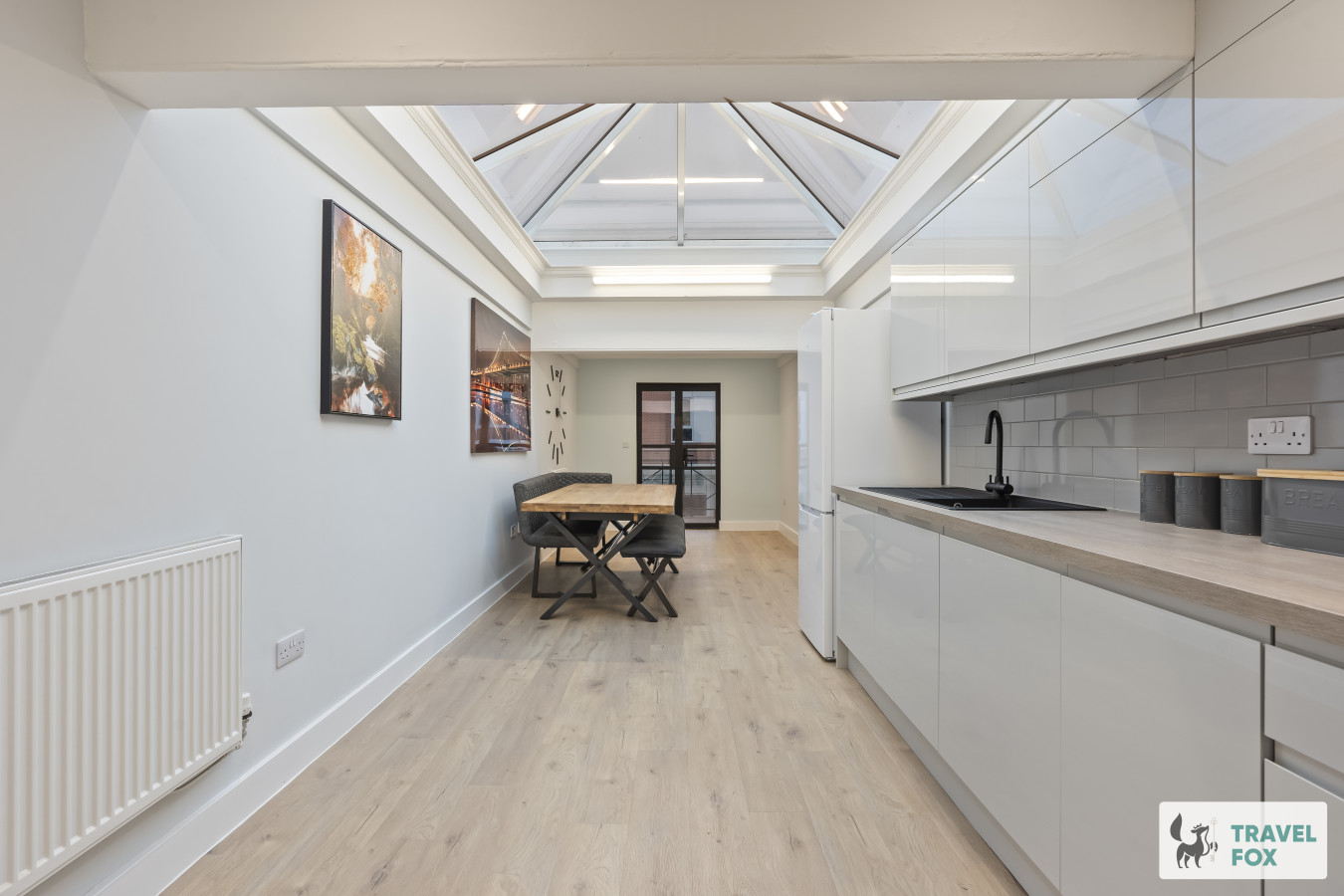
Nottingham
Camila's Penthouse Central Stay with Balcony
- Sleeps 16
- 5 bedrooms
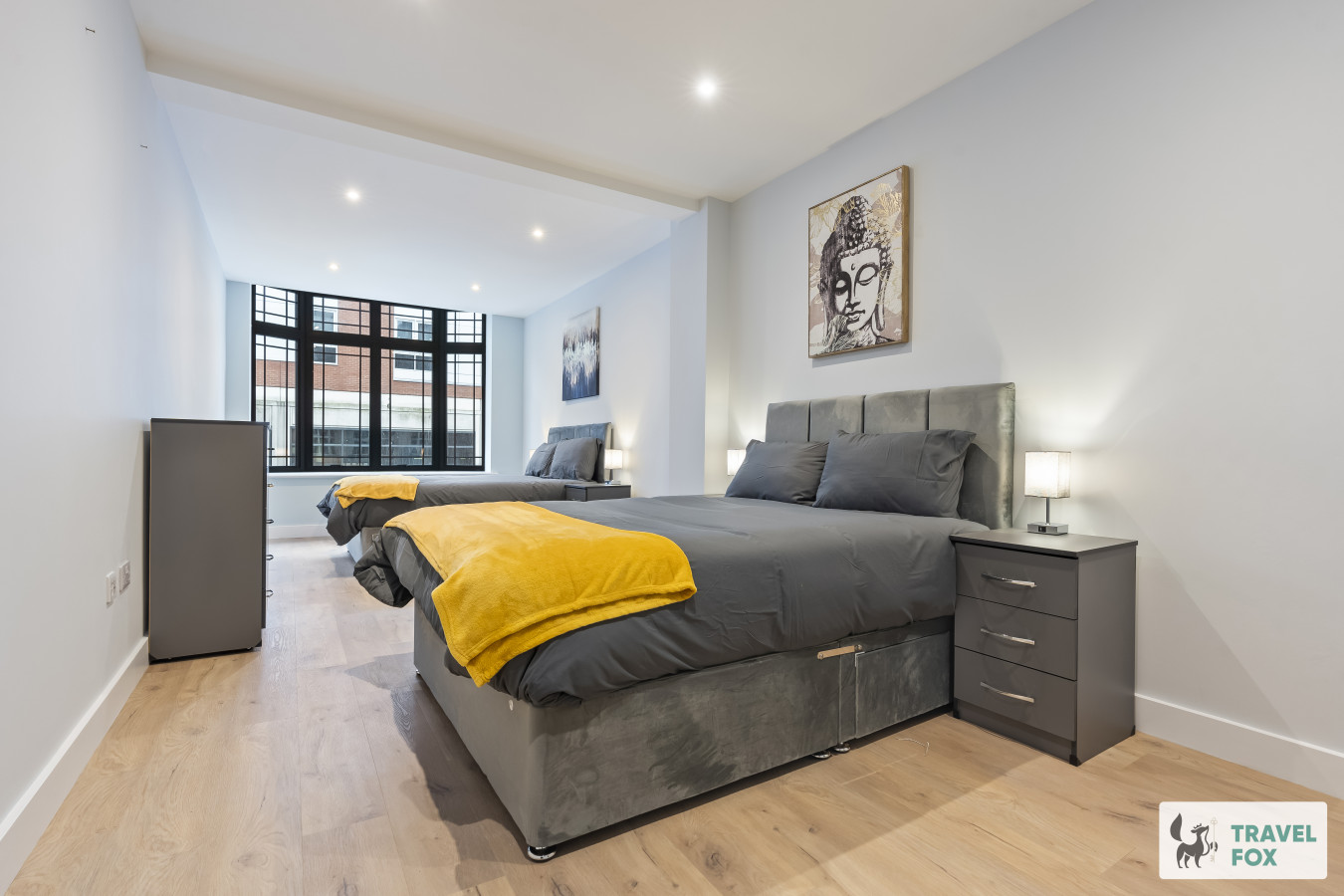
Nottingham
Blair's Central Stay
- Sleeps 16
- 5 bedrooms
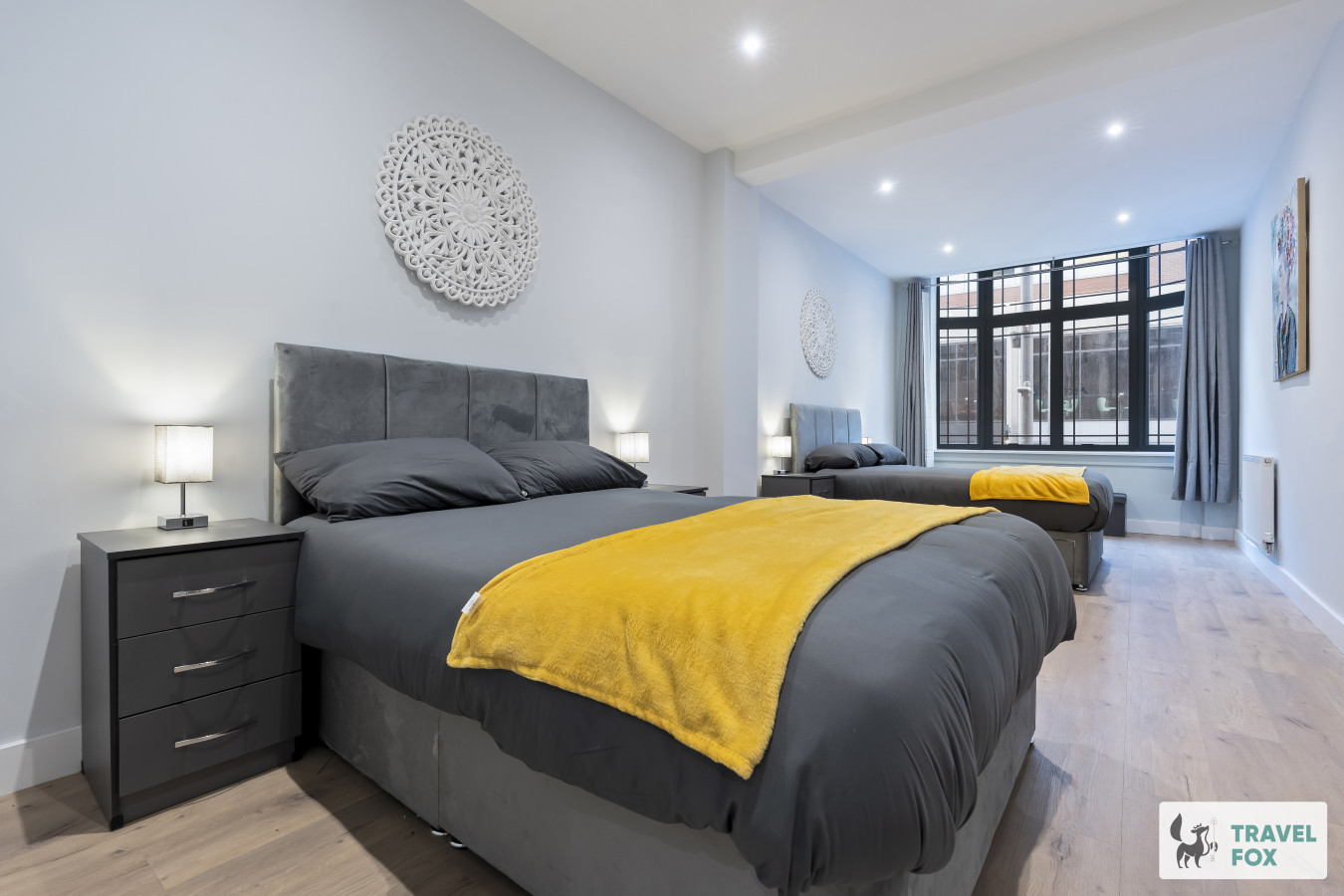
Nottingham
Anna's Central Stay
- Sleeps 16
- 5 bedrooms
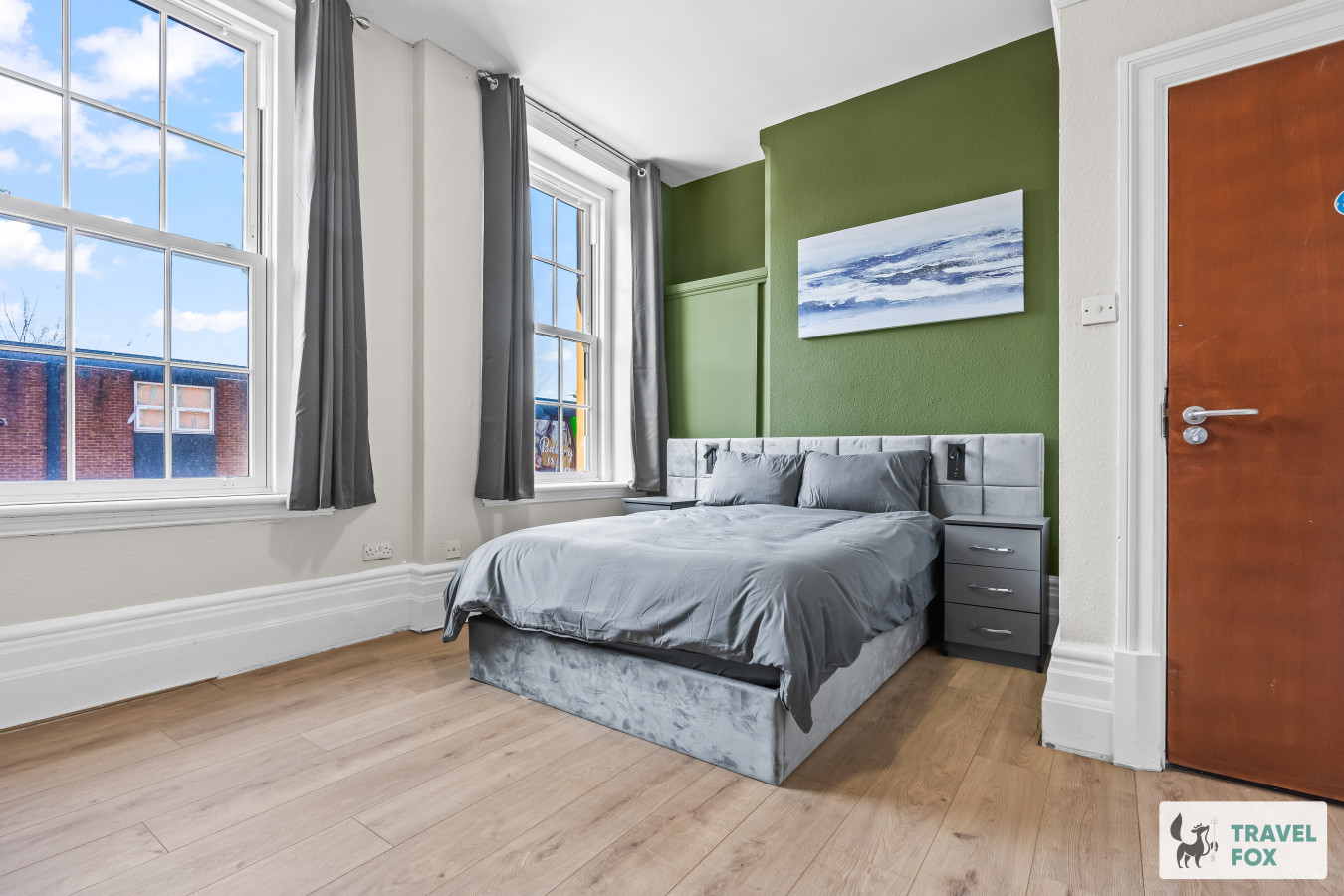
Nottingham
Melissa's Central Stay
- Sleeps 13
- 5 bedrooms
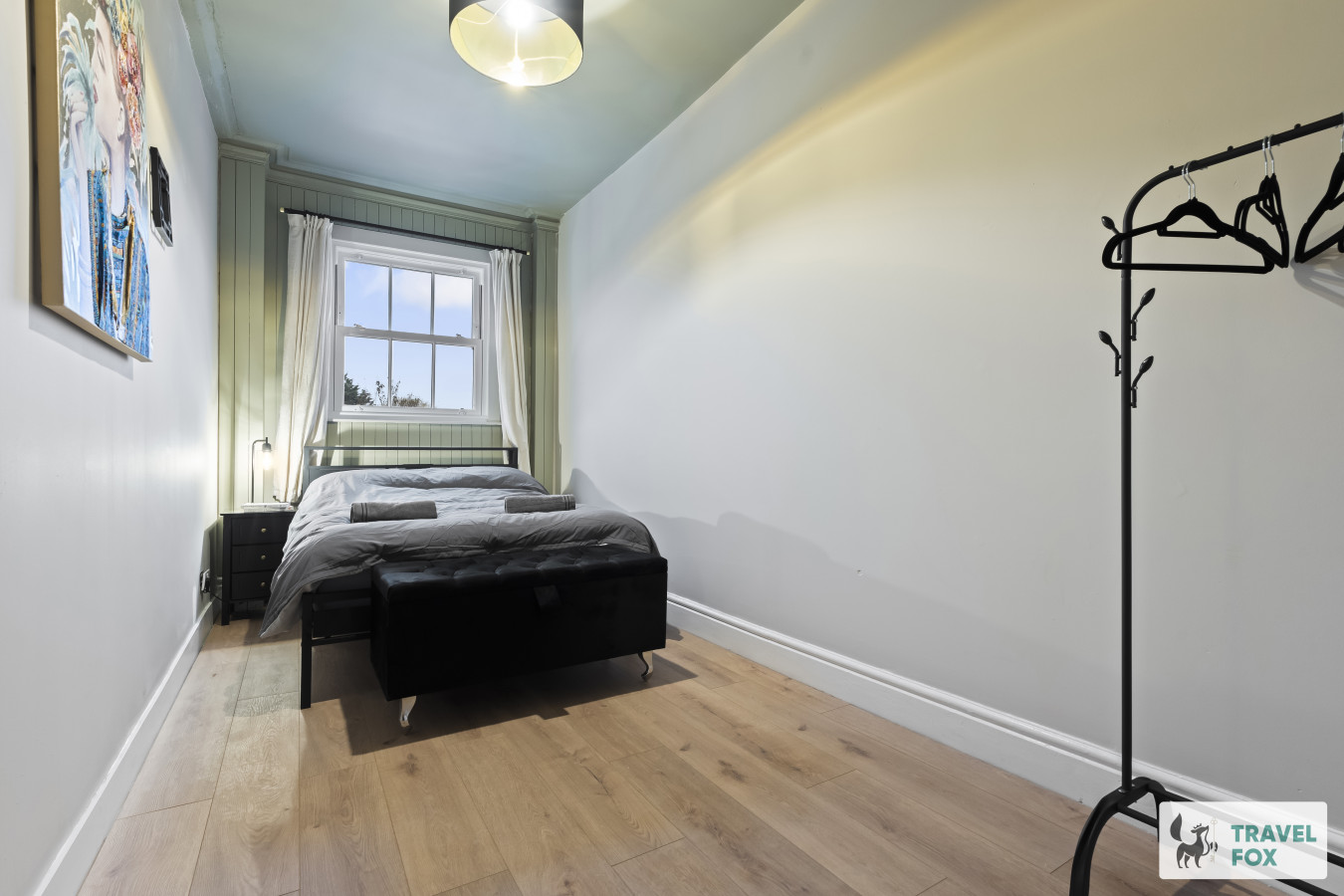
Nottingham
Callie's Central Stay
- Sleeps 9
- 3 bedrooms
For homeowners
Own a holiday home near Bunny?
We manage holiday lets across the UK from 12% commission, charged after cleaning costs, with no lock-in. A co-founder visits before you decide.
How our holiday let management works →
A guide with a point of view
Written from research. Edited for real journeys.
Use the Official site links for live practical details, then use this guide for context, ideas and room to explore.
Sources
Every place on this page is checked against a published source. Each entry links the record we used and names who publishes it.
- St Mary's Church — historicengland.org.uk statutory register or public authority record not machine-readable; publisher restricts automated access
- The Rancliffe Arms — historicengland.org.uk statutory register or public authority record not machine-readable; publisher restricts automated access
- Bunny Old Wood (West) — nottinghamshirewildlife.org other published source
- Rushcliffe Country Park — rushcliffe.gov.uk statutory register or public authority
- Framework Knitters' Museum — frameworkknittersmuseum.org.uk operator, sector body or destination organisation
- Great Central Railway (Nottingham) — gcrn.co.uk other published source