
Commons, carvings and cricket
Car Colston
Two ancient open greens shape this small Vale of Belvoir village, alongside a Grade I church, a traditional pub and field-path walking.
- Best for
- Open commons, church detail and a traditional village pub
- Give it
- A village circuit or a longer field walk
- Don't miss
- The Norman font and carved sedilia at St Mary's
The Fox verdict
A village still arranged around its commons
Car Colston pairs unusually broad grazed greens with a richly detailed medieval church, a long-established pub and summer cricket.
Come for the Large and Little Commons, then slow down for the stocks and whipping post, St Mary's medieval carving and the Royal Oak's country-pub character. Field-path routes connect the village with East Bridgford and the surrounding arable landscape.
Where to go
Places in Car Colston
Every place below is checked against a published source, listed with what it is and how long to give it.
Local signatures
3 placesLittle Common
The 5½-acre Little Common is the smaller of Car Colston's two ancient open greens, which together cover 22 acres.
- Visit length
- Editorial estimate: allow around 25 minutes
- Locality
- Car Colston's Little Common
Village Stocks and Whipping Post
Early-19th-century Grade II-listed village stocks and a whipping post fitted with two pairs of iron manacles survive on the green.
- Visit length
- Editorial estimate: allow around 15 minutes
- Locality
- on the green
Car Colston Cricket Club
Founded in 1864, the club plays cricket on the village common; its Presidents' Day fixture for the John Gilbert Trophy features a summer lunch under a marquee on the green.
- Visit length
- Editorial estimate: allow around 90 minutes
- Locality
- on the village common
- Access
- The club's cricket ground is on the village common.
Food & drink
1 placeThe Royal Oak
A traditional country pub and restaurant in a building over 200 years old, serving food and cask ales and offering a beer garden, skittle alley and separate function room.
- Visit length
- Editorial estimate: allow around 90 minutes
- Locality
- on The Green (the Large Common)
- Access
- Dog friendly, with food served at lunchtimes and in the evenings.
Walks & outdoors
2 placesLarge Common
The 16½-acre Large Common is the largest village green in Nottinghamshire; it and Little Common were left open in 1598 so cottagers could graze animals, a common right still exercised today.
- Visit length
- Editorial estimate: allow around 30 minutes
- Locality
- Car Colston's Large Common
East Bridgford to Car Colston Walk
A flat summer walk from East Bridgford through arable fields to Car Colston's Large Green, passing two windmills, a bug hotel, the village stocks and stiles; one recorded route is 8.39 miles.
- Visit length
- Editorial estimate: allow around 180 minutes
- Locality
- between East Bridgford and Car Colston's Large Green
History & heritage
1 placeSt Mary's Church
A Grade I church with a plain C13 tub font carved from a single block of stone, Decorated Gothic sedilia and piscina, stained glass by Charles Kempe and the burial place of county historian Robert Thoroton.
- Visit length
- Editorial estimate: allow around 45 minutes
- Locality
- Car Colston
No places match this filter. Choose All places to reset the list.
Three ways to explore Car Colston
Signature outings
Cross the Large Common
Take in the 16½-acre green that was left open for common grazing when the surrounding fields were enclosed in 1598.
Find the faces in St Mary's
Look closely at the church's carved sedilia for small humorous faces and a ram's head, then find its plain C13 tub font.
Settle into the Royal Oak
Stop for food and cask ale in a country pub whose building is more than 200 years old and whose bar has a vaulted brick ceiling.
The village story
Car Colston Village Guide
Ancient commons, village rituals and remarkable church detail in a small Nottinghamshire settlement.
The Two Commons and Their Old Rights
The village stocks and whipping post, fitted with two pairs of iron manacles, survive on the green. At sixteen and a half acres, Large Common is the largest village green in Nottinghamshire.
The smaller Little Green covers five and a half acres, ringed by village houses and the church. When landowners enclosed the surrounding fields in 1598, they left both greens open so cottagers could graze cattle, geese and horses — a common right still exercised today.
The Royal Oak: Food, Ale and Folklore
The Royal Oak sits on Large Common and is Car Colston's only recorded pub. Richard and Vicky run it; Vicky cooks and Richard looks after the ales, and both belong to the British Institute of Innkeeping. The building is over two hundred years old and has a vaulted brick ceiling above the bar.
The pub's ales are Cask Marque approved, with a mostly Marston's range that includes Wainwright Gold and Eagle Bombardier. The pub has won the regional Pub of the Year award in 2021, 2020 and 2009. It is dog friendly and has a beer garden, skittle alley and separate function room.
Arriving and Walking the Fields
Car Colston has no permanent shop. Bingham, three miles south, provides the nearest shopping and railway station; trains connect toward Nottingham, Grantham and Skegness. The village sits just off the A46, the old Fosse Way, and buses connect it with Nottingham and Newark.
Walking routes head out in most directions. A circular through Scarrington and Screveton passes the Horseshoe Tower; the East Bridgford-to-Car Colston walk crosses arable fields to the larger green, past two windmills and a bug hotel.
St Mary's and Robert Thoroton
St Mary's Church is Grade I listed. Its plain C13 tub font is carved from a single block of stone, while the chancel has Decorated Gothic sedilia with small, humorous faces and a ram's head. The church also has a stained-glass window by Charles Kempe and a memorial to Henry Girardot.
Robert Thoroton is buried here. A physician and magistrate, he was Nottinghamshire's first county historian; his Antiquities of Nottinghamshire took ten years to research and was published in 1677, the year before he died. Two mounds and a pond north of Little Common formed a viewpoint towards Robert Thoroton’s 17th-century residence; the Old Hall retains part of his house and contains both mid-17th-century and circa-1812 fabric. His carved coffin, prepared six years before his death, was unearthed during chancel repairs in 1845, and his skull was briefly displayed in a village shop window before he was reburied.
Plague Memory and Cricket Tradition
The parish register also has a grimmer entry, from 1604: "The plague began with George Caunt... 49 others died and were buried 15 August 1604" — roughly a fifth of the village.
Car Colston Cricket Club has played on the common since 1864. Its Presidents' Day fixture against Flintham for the John Gilbert Trophy features a summer lunch under a marquee on the green, where horses also graze.
Stay around Nottinghamshire
Make a longer stay of it
Travel Fox holiday homes around Nottinghamshire, linked directly to their property pages.
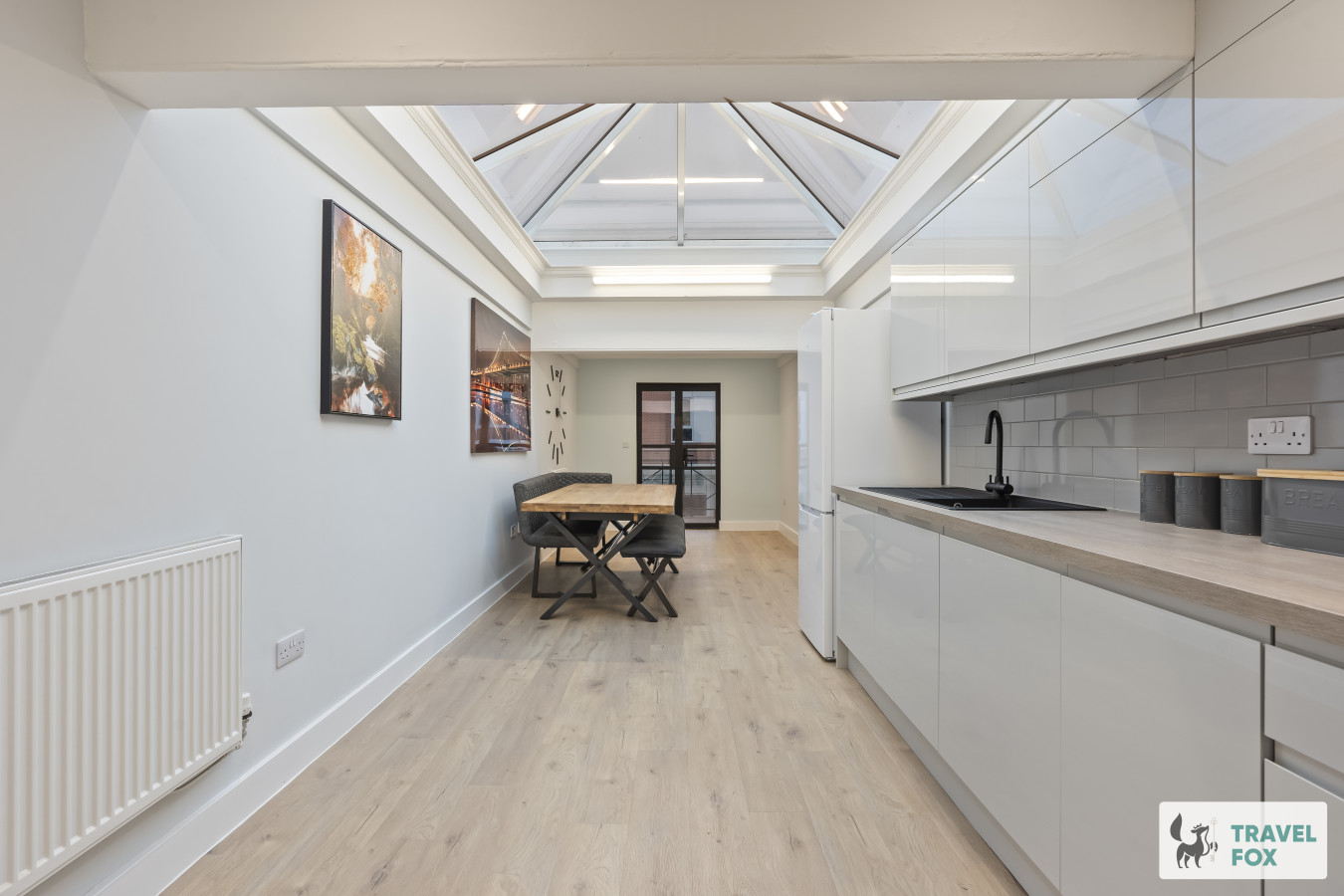
Nottingham
Camila's Penthouse Central Stay with Balcony
- Sleeps 16
- 5 bedrooms
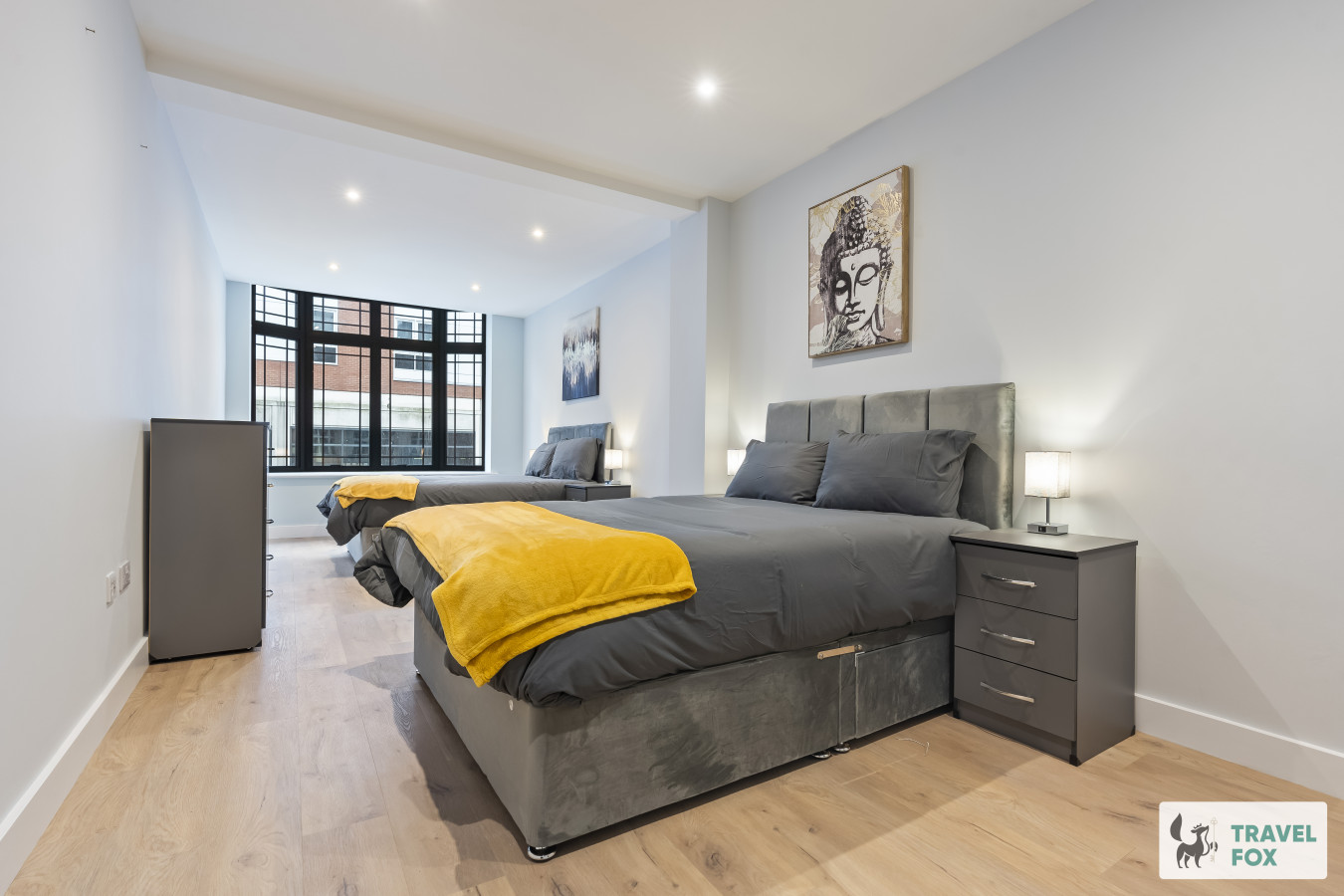
Nottingham
Blair's Central Stay
- Sleeps 16
- 5 bedrooms
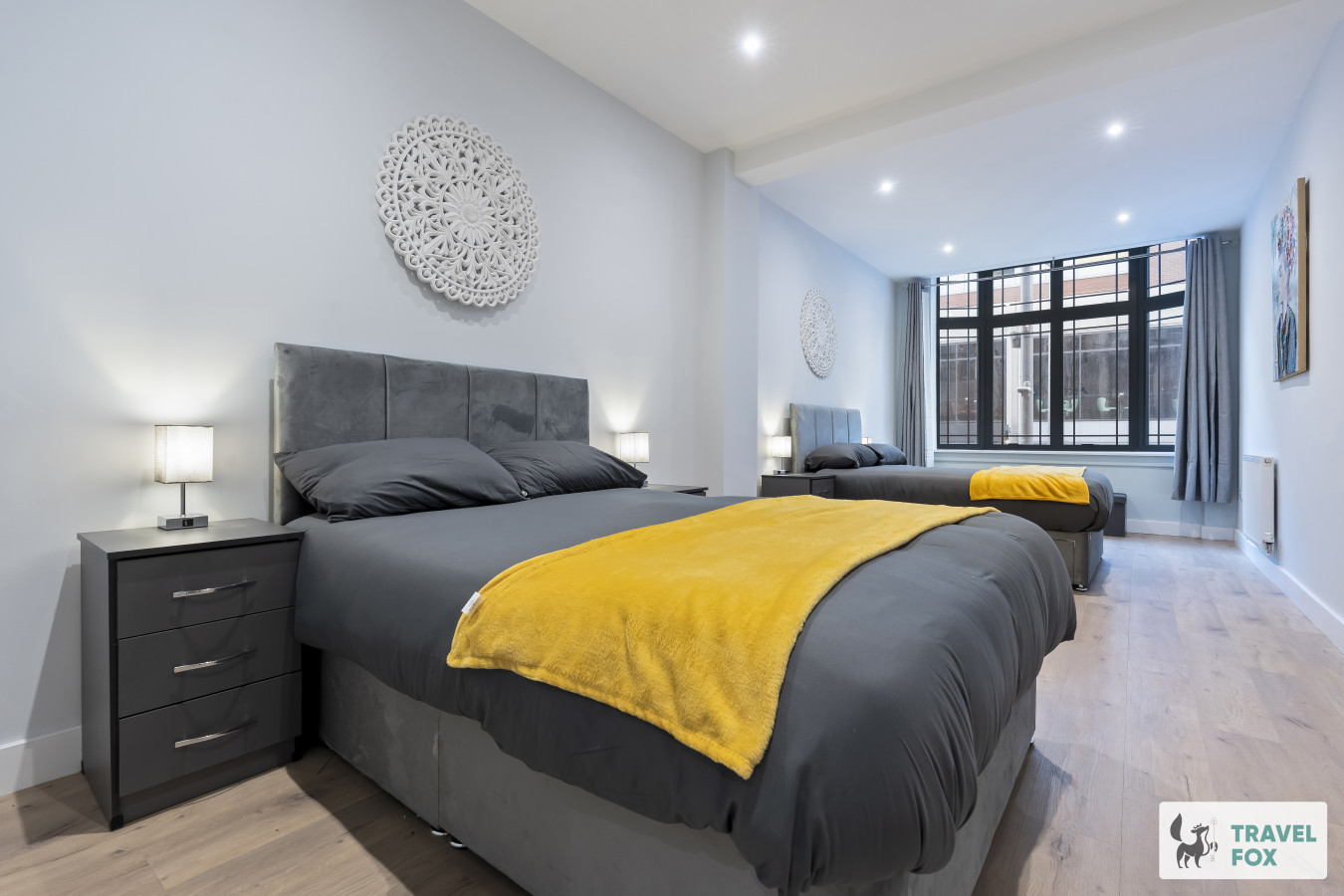
Nottingham
Anna's Central Stay
- Sleeps 16
- 5 bedrooms
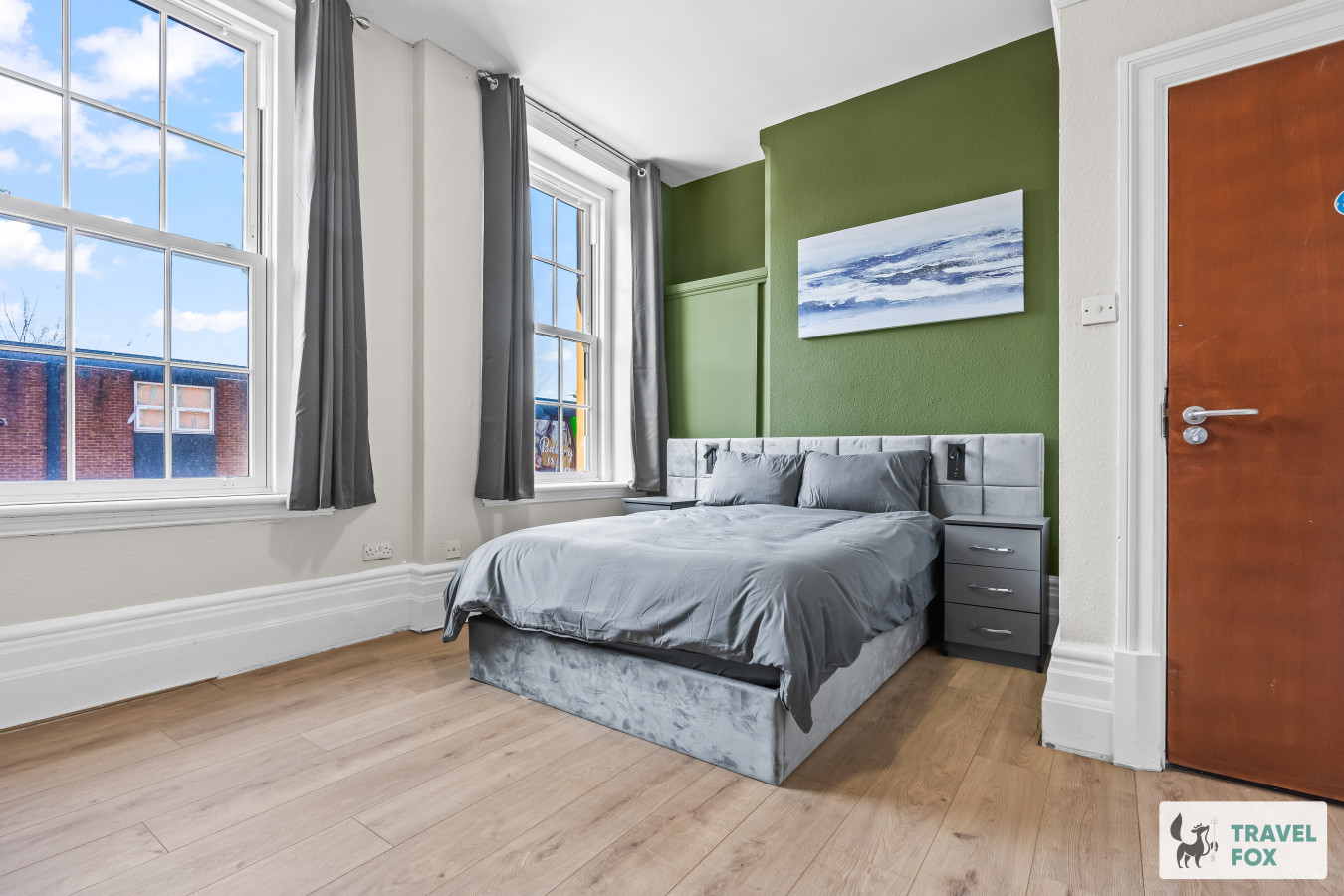
Nottingham
Melissa's Central Stay
- Sleeps 13
- 5 bedrooms
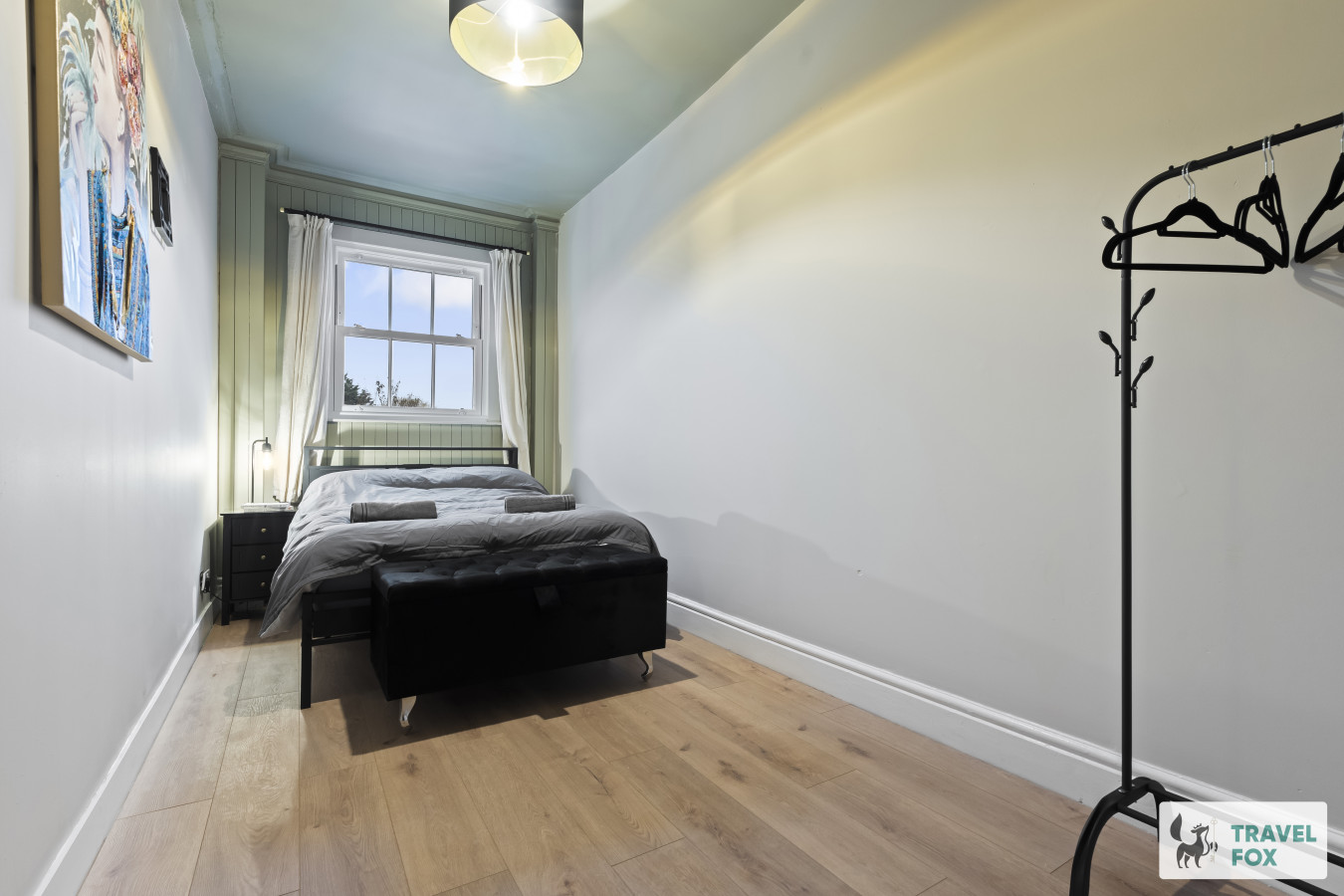
Nottingham
Callie's Central Stay
- Sleeps 9
- 3 bedrooms
For homeowners
Own a holiday home near Car Colston?
We manage holiday lets across the UK from 12% commission, charged after cleaning costs, with no lock-in. A co-founder visits before you decide.
How our holiday let management works →
A guide with a point of view
Written from research. Edited for real journeys.
Use the Official site links for live practical details, then use this guide for context, ideas and room to explore.
Sources
Every place on this page is checked against a published source. Each entry links the record we used and names who publishes it.
- Large Common — rushcliffe.gov.uk statutory register or public authority
- Little Common — rushcliffe.gov.uk statutory register or public authority
- Village Stocks and Whipping Post — historicengland.org.uk statutory register or public authority record not machine-readable; publisher restricts automated access
- The Royal Oak — royaloakcarcolston.co.uk operator, sector body or destination organisation
- St Mary's Church — historicengland.org.uk statutory register or public authority record not machine-readable; publisher restricts automated access
- Car Colston Cricket Club — carcolstoncc.com operator, sector body or destination organisation
- East Bridgford to Car Colston Walk — ramblers.org.uk operator, sector body or destination organisation record not machine-readable; publisher restricts automated access